

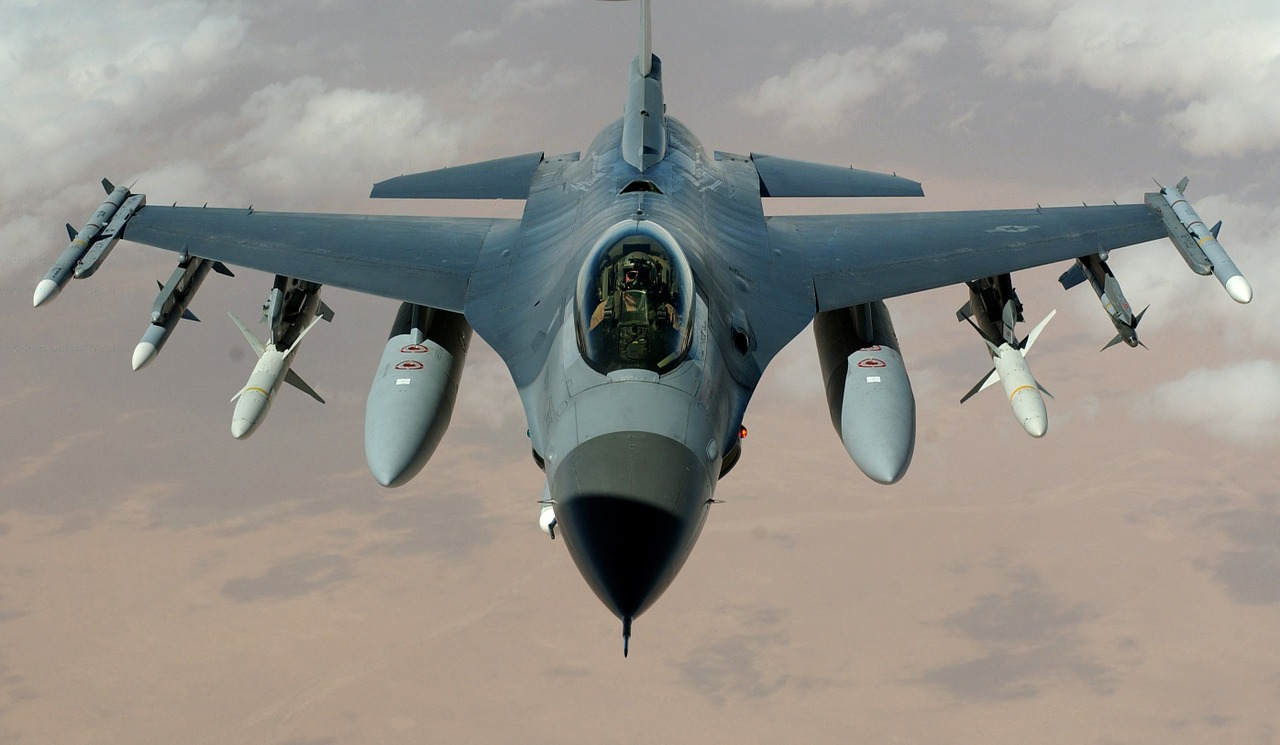
SPANGDAHLEM- The US Air Force (USAF) confirmed that an F-16 Fighting Falcon assigned to the 52nd Fighter Wing crashed at Spangdahlem Air Base in western Germany on September 22, 2026. The pilot ejected safely and was receiving medical treatment, while the cause remained under investigation.
The crash happened at about 2:30 PM local time as the aircraft was approaching the base to land.
USAF Spangdahlem F-16 Crash
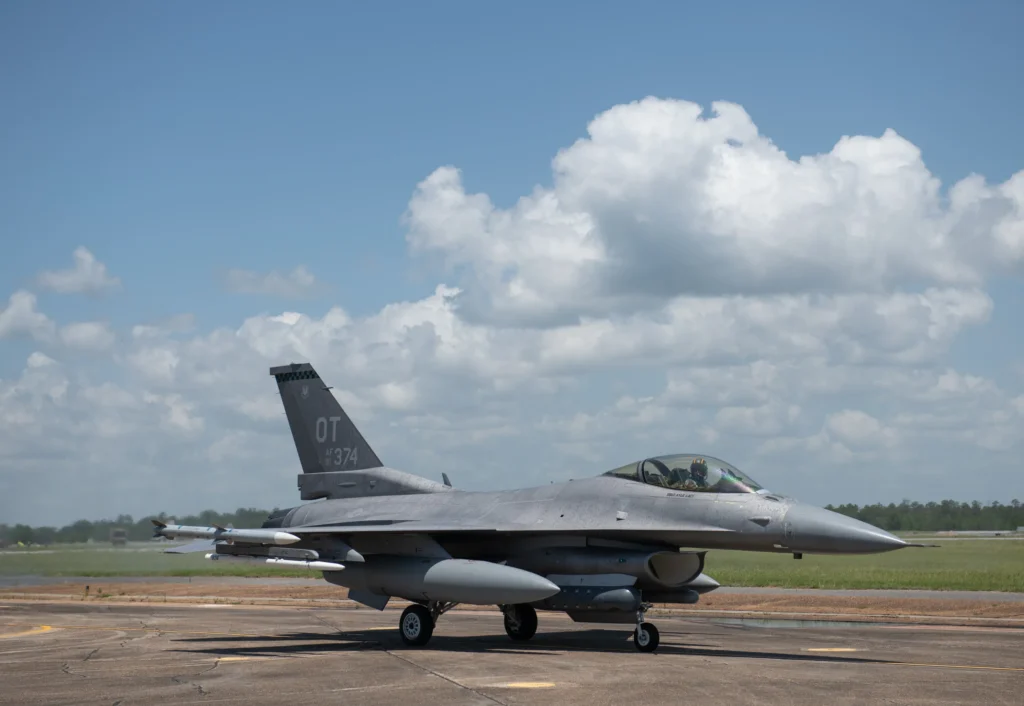
A US Air Force F-16 Fighting Falcon assigned to the 52nd Fighter Wing crashed at or in the vicinity of Spangdahlem Air Base on Tuesday afternoon.
The incident occurred at approximately 2:30 PM local time while the aircraft was on approach to land. The pilot ejected before the aircraft crashed and was receiving medical care.
The cause of the accident had not been established when the incident was reported. The US Air Force said the crash was under investigation and that further information would be released as it became available.
The crash took place in the western German state of Rhineland-Palatinate. Spangdahlem is a US Air Force installation near the town of the same name and serves as the home base of the 52nd Fighter Wing.
German emergency services responded after the aircraft went down. The Eifel District of Bitburg-Prüm said fire and emergency response teams were dispatched to the scene following the crash in the vicinity of the US base.
The US Air Force also reported that emergency response personnel were dealing with the incident.
Images circulating on social media showed smoke rising from the crash area. A post shared by Clash Report claimed that witnesses saw a jet descend rapidly before a large column of black smoke appeared near the runway.
The same post said local reports indicated that two aircraft had taken off. Those social-media claims were not independently verified in the supplied reporting and should not be treated as confirmed details.
The reported smoke was consistent with the scale of the accident, but photographs and videos alone cannot establish what caused the aircraft to crash or the exact sequence of events before the pilot ejected.
F-16 Fleet at Spangdahlem
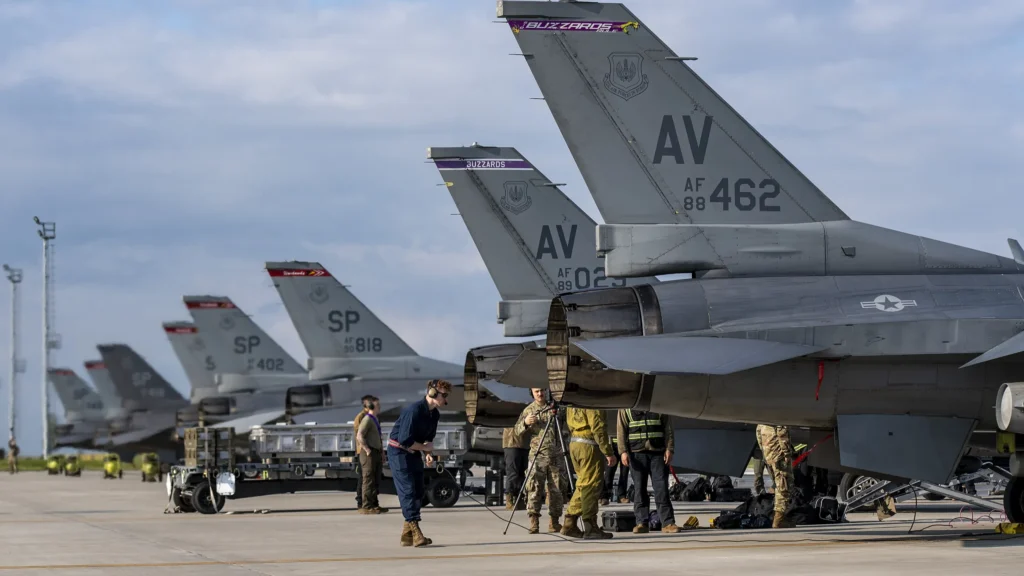
Spangdahlem is home to the 52nd Fighter Wing and the 480th Fighter Squadron. The US Air Force states that the 480th operates more than 2 dozen Block 50 F-16 aircraft and performs demanding air-to-air and air-to-ground missions.
The squadron is also capable of the “Wild Weasel” mission, which involves suppressing and destroying enemy air defenses, commonly abbreviated as SEAD. The mission focuses on countering hostile radar and surface-to-air threats.
The 52nd Fighter Wing maintains and employs F-16CM Fighting Falcons in support of NATO and US national defense requirements.
Second USAF F-16 Mishap in One Week
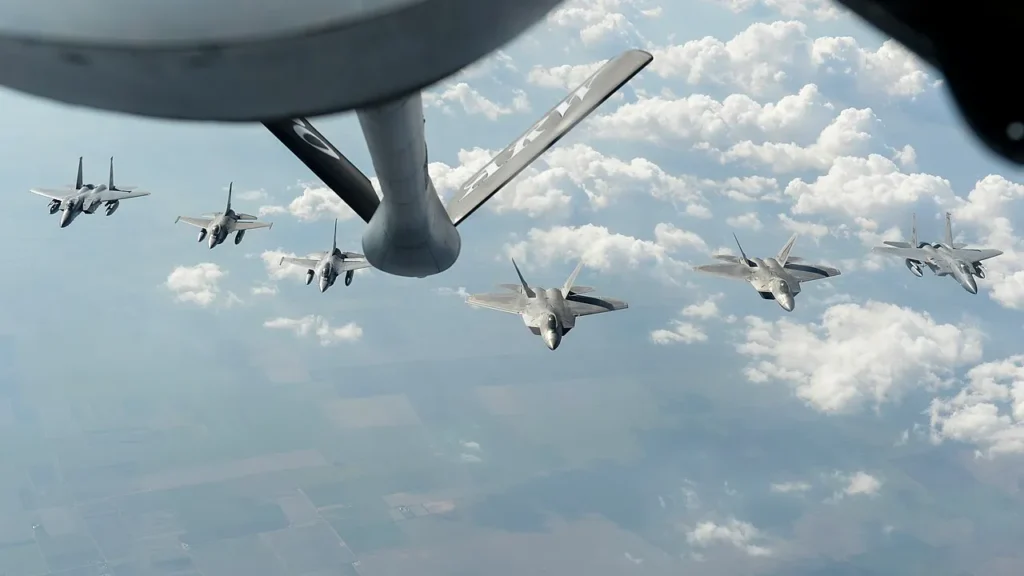
The Spangdahlem crash occurred five days after another US Air Force F-16 accident in northern Michigan.
On September 17, an F-16 from the 149th Fighter Wing of the Texas Air National Guard crashed in Grand Traverse County, Michigan, during a routine training mission from the Alpena Combat Readiness Training Center. The pilot also ejected safely and received medical treatment.
The Texas Air National Guard was conducting annual training in Michigan as part of Operation Northern Cactus.
The aircraft were also scheduled to participate in a football game flyover associated with POW-MIA Recognition Day.
ATC Audio Raised Possible Bird-Strike Question
Air traffic control audio from the Michigan crash provided additional information about that separate incident. Another pilot flying with the crashed F-16 told controllers that his wingman might have struck a bird.
In the transmission, the pilot reported: “We may have a possible Mayday. My wingman, I believe, may have taken a bird.”
The audio was obtained by CBS Detroit and reported by other news organizations. The War Zone (TWZ) noted that it could not independently confirm that a bird strike caused the Michigan crash. The aircraft loss in Michigan remained under investigation.
The Michigan ATC recording therefore provides context for the earlier F-16 mishap, but it does not establish a cause for the September 22 crash in Germany. The two incidents should be treated separately unless investigators identify a connection.
The incident remains a developing story. Any official findings will be needed to determine what caused the F-16 to crash.
Stay tuned with us. Further, follow us on social media for the latest updates.
Join us on Telegram Group for the Latest Aviation Updates. Subsequently, follow us on Google News
