


Low-cost airlines have changed the way people travel, making it easier to connect cities that were once served only by full-service carriers.
As these airlines have expanded their networks, several airports have developed into major connecting points for budget-conscious travellers, with thousands of possible connections available through low-cost carrier schedules.
Top 10 Low-Cost Megahubs in the World in 2026
OAG’s 2026 Megahubs Index highlights the airports where this low-cost connectivity is particularly strong. The ranking looks at potential connections between low-cost flights and the destinations available from each airport, giving an indication of how effectively an airport’s LCC network can function as a hub.

1. Kuala Lumpur International Airport, Malaysia
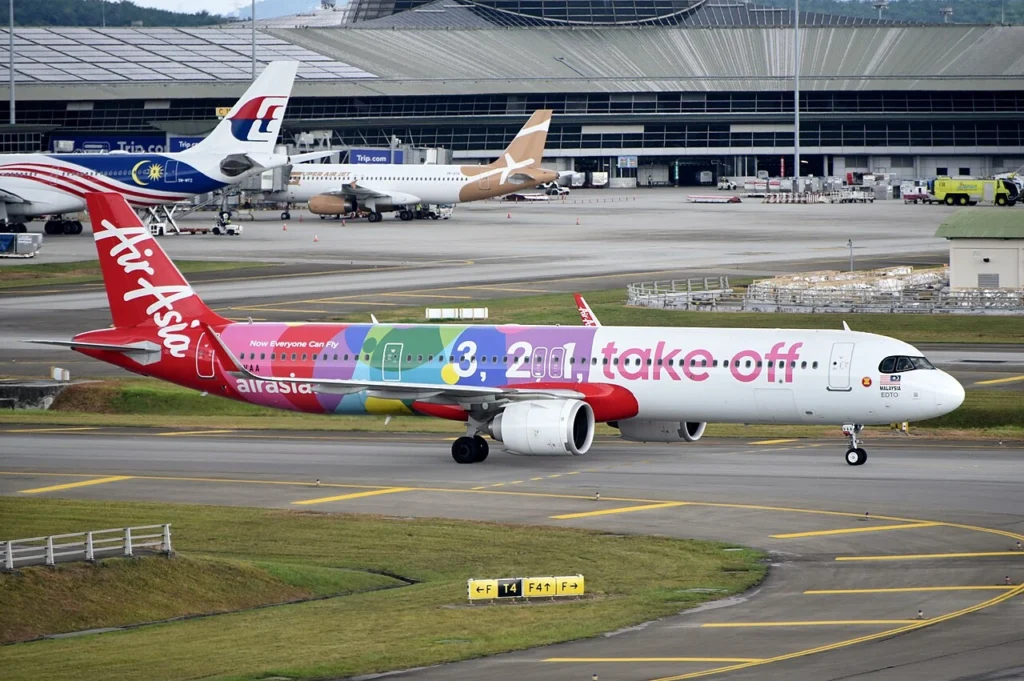
Kuala Lumpur International Airport takes the number one position in the 2026 Low-Cost Megahubs ranking. The Malaysian gateway recorded an LCC connectivity index of 96.8, with almost 15,000 possible low-cost connections across 154 destinations.
AirAsia is the dominant airline at Kuala Lumpur, accounting for 34% of flights. Low-cost carriers represent 44% of the airport’s overall capacity, underlining the importance of budget airlines to the Kuala Lumpur hub.
The airport’s position is closely connected to the huge network built around AirAsia and its regional affiliates. Kuala Lumpur provides an important connecting point between Southeast Asia, South Asia and destinations further afield, making it particularly useful for passengers travelling on low-cost tickets.
OAG also ranks Kuala Lumpur as the most connected Asian megahub in its overall international ranking, where it sits fourth globally. The airport served 154 destinations during the period covered by the 2026 study.
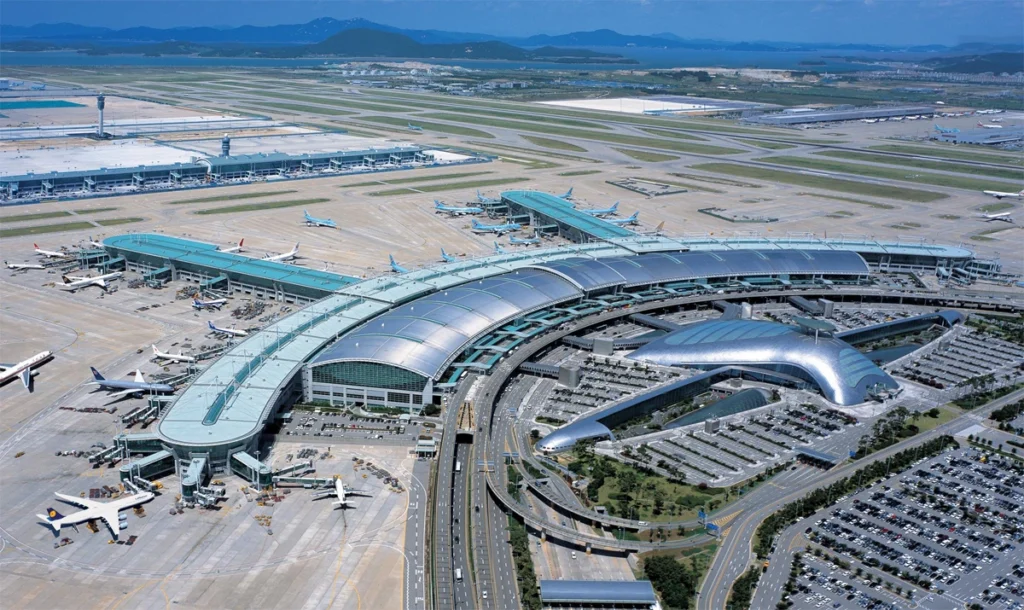
2. Seoul Incheon International Airport, South Korea
Seoul Incheon remains in second place among the world’s Low-Cost Megahubs, recording an LCC connectivity index of 89.5. The airport has a particularly broad network, with 198 destinations included in OAG’s calculations.
Jeju Airlines is the dominant low-cost carrier at Incheon, although its share of total flights is only 10%. Overall, low-cost carriers account for 38% of capacity at the airport.
That relatively broad spread of airlines is an important feature of Incheon’s low-cost connectivity. Rather than relying on one dominant budget carrier, the airport combines several operators serving markets across Northeast Asia and beyond.
Incheon also ranks sixth in OAG’s overall international Megahubs ranking for 2026. Its combination of full-service and low-cost connectivity makes it one of the most important connecting airports in Asia.

3. Istanbul Sabiha Gokcen Airport, Turkiye
Istanbul Sabiha Gokcen is one of the biggest movers in the 2026 ranking, climbing from seventh place in 2025 to third this year. Its LCC connectivity index stands at 81.1.
Pegasus Airlines is the defining low-cost carrier at Sabiha Gokcen, accounting for 61% of flights and 64% of the airport’s LCC capacity. The airport recorded 13,132 possible low-cost connections across 162 destinations.
OAG says capacity at Sabiha Gokcen increased by 10% year-on-year, while the airport added 10 new destinations. That expansion helped push the Istanbul airport significantly higher in the Low-Cost Megahubs rankings.
Sabiha Gokcen’s position also reflects the strength of the Turkish low-cost aviation market. Pegasus provides a large network connecting Turkiye with cities across Europe, the Middle East and surrounding regions, giving the airport a particularly strong role in budget travel.
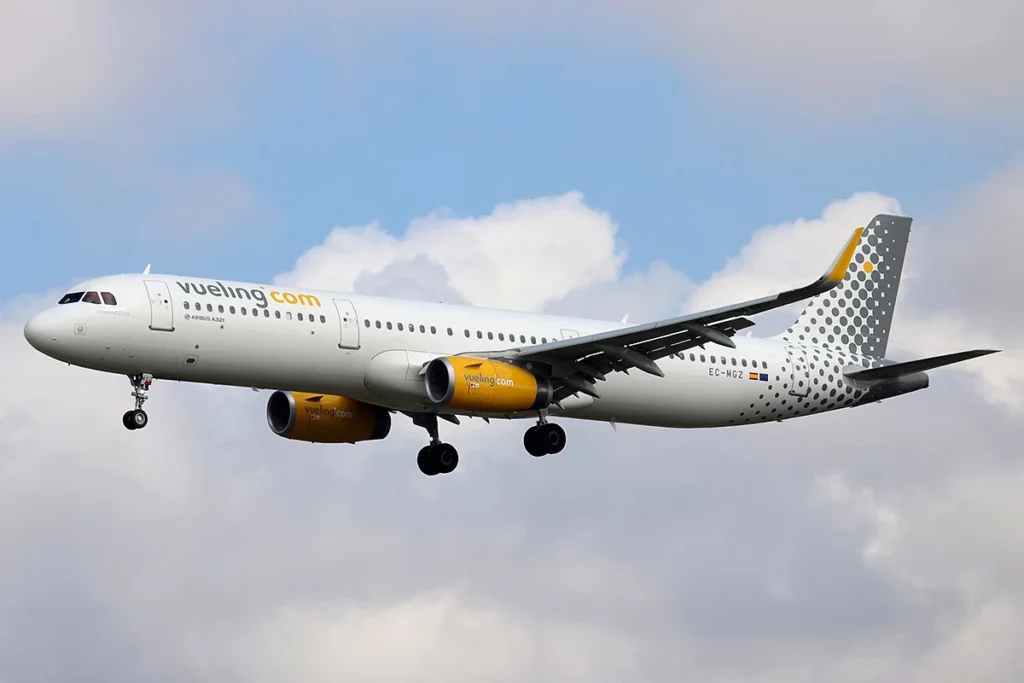
4. Barcelona Airport, Spain
Barcelona Airport ranks fourth globally among the Low-Cost Megahubs, rising five places from the previous year. Its LCC connectivity index reached 70.7, supported by 17,458 potential low-cost connections.
Vueling Airlines is the dominant carrier at Barcelona, operating 40% of all flights and accounting for 72% of LCC capacity. Low-cost carriers collectively represent 72% of capacity at the airport, the highest percentage among the 10 airports featured in this ranking.
Barcelona’s large tourist market naturally supports an extensive low-cost network. The airport links Spain’s Catalan capital with a wide range of European destinations and also provides connections to markets outside Europe.
OAG identifies Barcelona as the highest-ranked European airport in the 2026 Low-Cost Megahubs list. Its rise of five positions shows how quickly its potential low-cost connectivity has strengthened over the past year.
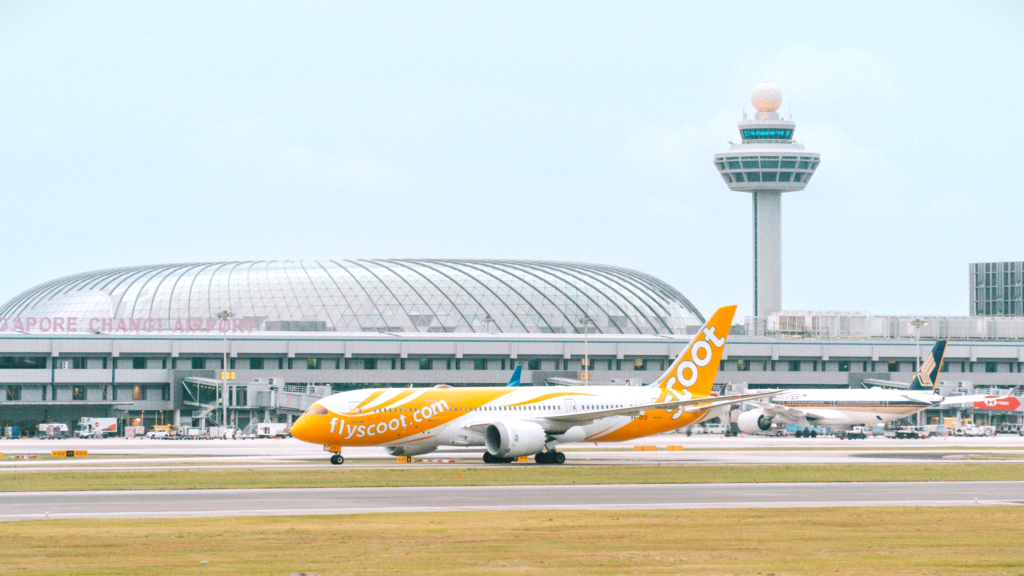
5. Singapore Changi Airport, Singapore
Singapore Changi completes the top five, recording an LCC connectivity index of 67.8. The airport moved up from 10th place in 2025, making it one of the biggest climbers among the leading low-cost megahubs.
Scoot is the dominant low-cost carrier, with a 20% share of flights. LCCs account for 32% of total capacity at Changi, while the airport offers 11,316 potential low-cost connections across 167 destinations.
Changi’s strength comes from its geographical position and the depth of Southeast Asia’s low-cost aviation market. Singapore is a major destination in its own right, but its location also makes it an effective transfer point for travellers moving between Southeast Asia and other parts of Asia.
The airport’s rise to fifth place also reflects an increase in both destinations served and potential LCC connections during the period covered by OAG’s 2026 analysis.
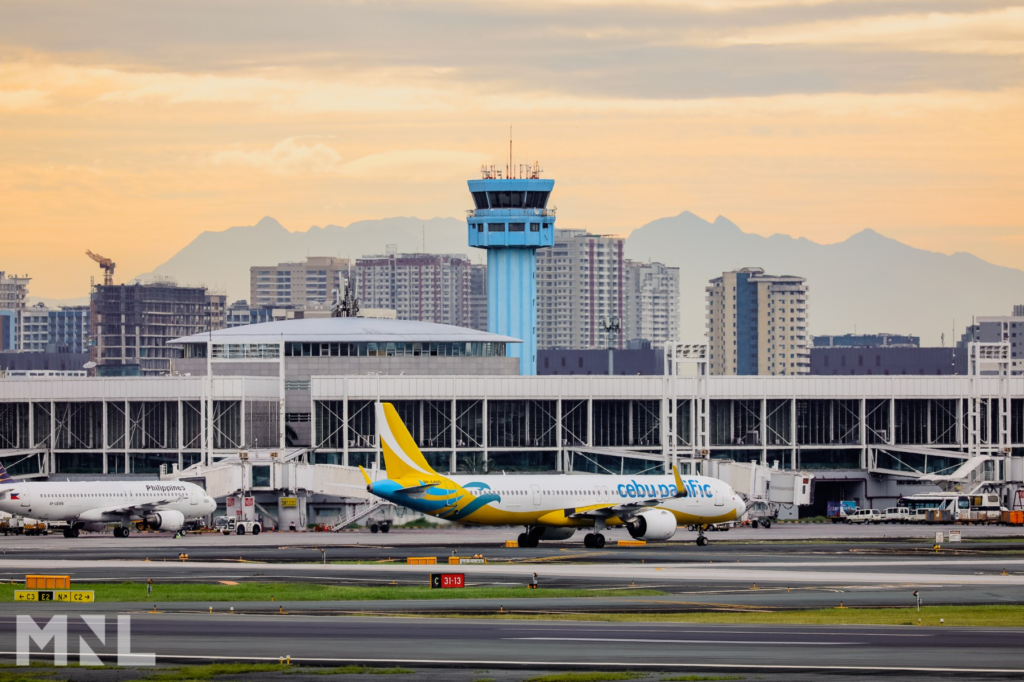
6. Manila Ninoy Aquino International Airport, Philippines
Manila Ninoy Aquino International Airport ranks sixth in the 2026 Low-Cost Megahubs list, with an LCC connectivity index of 67.1.
Cebu Pacific Air is the dominant carrier, accounting for 36% of flights. Low-cost carriers make up 51% of capacity at Manila, giving the airport one of the strongest LCC presences in the top 10.
The airport recorded 6,580 potential low-cost connections across 98 destinations. While Manila slipped three positions compared with the previous year’s ranking, it remains one of the major low-cost connecting points in Southeast Asia.
Cebu Pacific’s extensive network is particularly important to the airport’s role. The carrier connects the Philippine capital with a wide selection of domestic and international markets, helping Manila maintain strong low-cost connectivity despite its movement down the table.
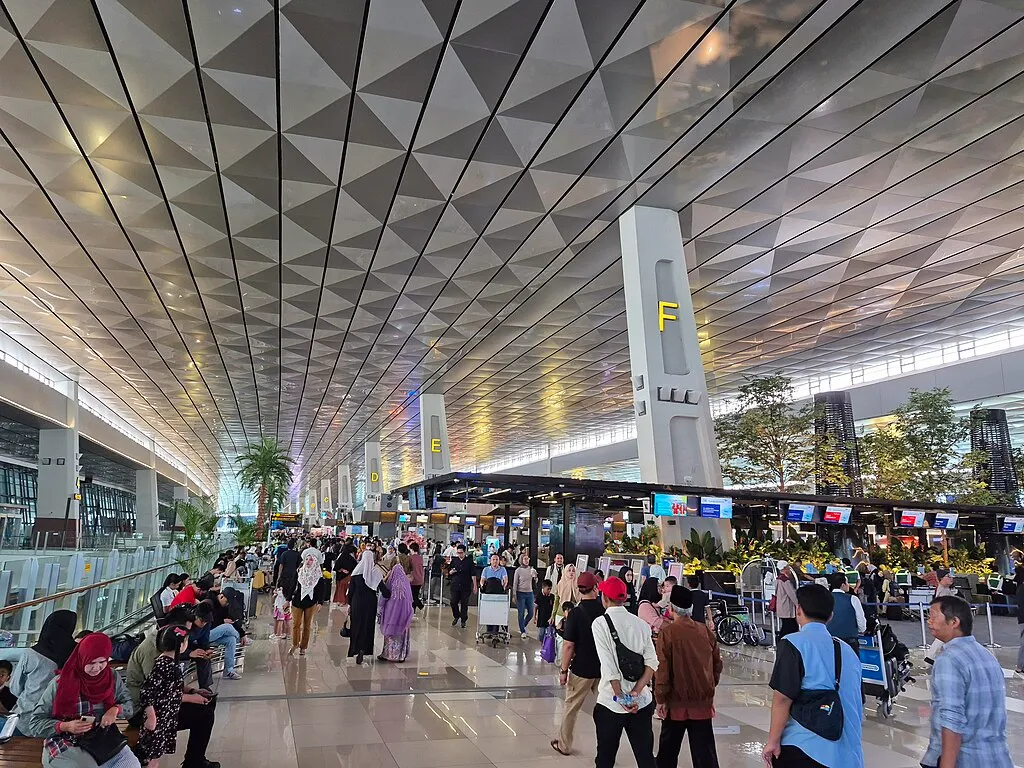
7. Jakarta Soekarno-Hatta Airport, Indonesia
Jakarta Soekarno-Hatta makes its debut in the top 10 Low-Cost Megahubs ranking in 2026, entering at seventh place with an LCC connectivity index of 66.6.
The airport recorded 7,322 potential low-cost connections across 110 destinations. Citilink is the dominant carrier, although it accounts for just 14% of total flights. Low-cost carriers collectively represent 45% of capacity.
Jakarta’s appearance on the list reflects the scale of Indonesia’s aviation market and the extensive network linking the country’s capital with cities around Southeast Asia and beyond.
The relatively low share held by the dominant airline also highlights that Jakarta’s low-cost connectivity is spread across multiple carriers. That gives passengers access to a broad range of routes rather than making the airport dependent on a single budget operator.

8. Fukuoka Airport, Japan
Fukuoka ranks eighth after making a significant climb from 13th place in 2025. Its LCC connectivity index stands at 62.6, with 3,128 potential low-cost connections.
Skymark Airlines is the dominant low-cost carrier, although it operates only 7% of the airport’s total flights. LCCs account for 35% of capacity.
Fukuoka serves as an important gateway to Japan’s Kyushu region and benefits from its proximity to other major Asian markets. Its location makes it particularly well placed for international short-haul services, while its domestic network adds another layer of connectivity.
OAG identifies Fukuoka as one of the key climbers in the 2026 ranking. Skymark operates 35% of the airport’s LCC capacity, helping support the airport’s strong position despite its relatively modest share of flights from any single dominant carrier.
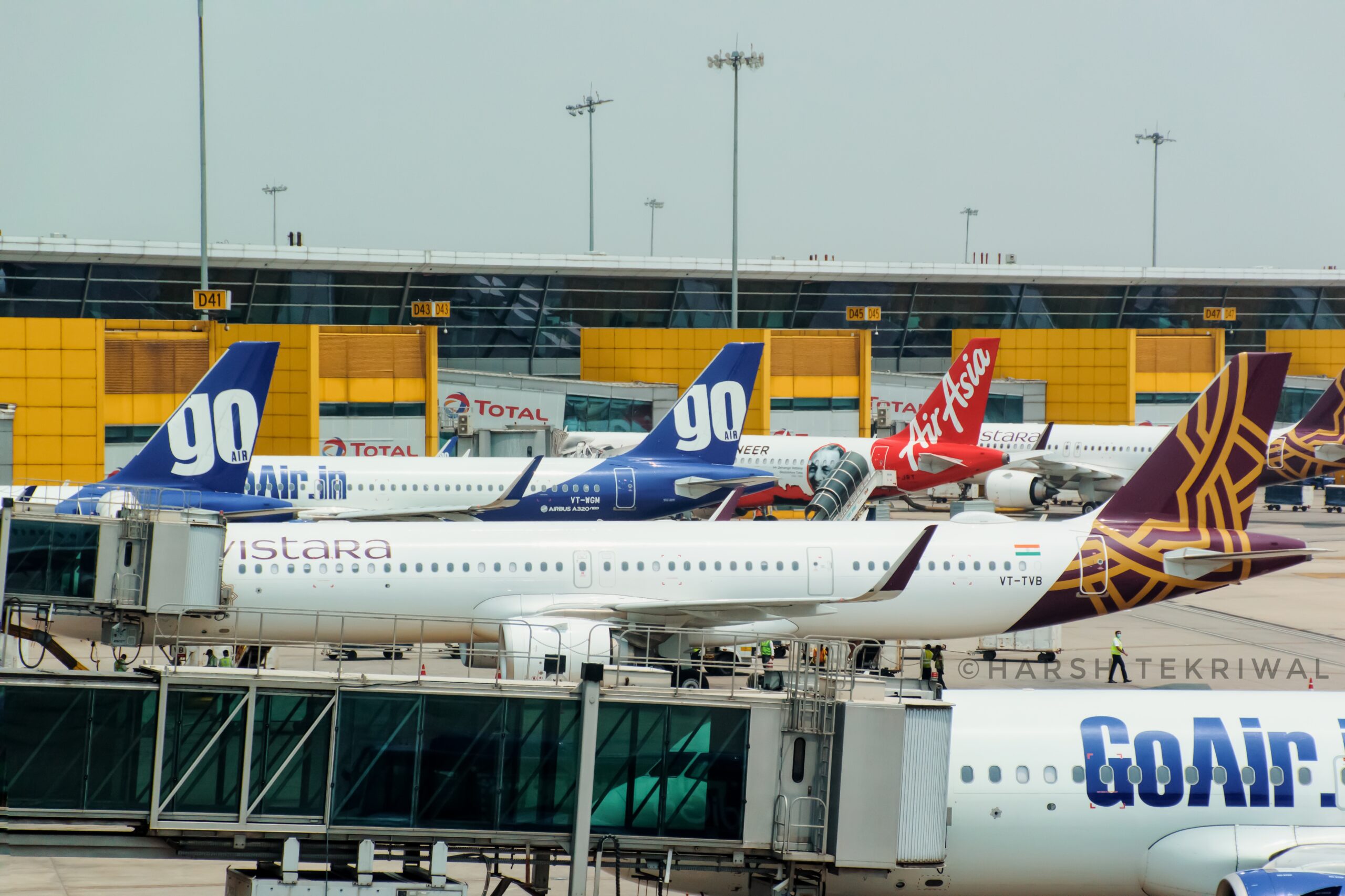
9. Delhi Airport, India
Delhi Airport ranks ninth in the global Low-Cost Megahubs table, with an LCC connectivity index of 62.1. The airport recorded 11,045 potential low-cost connections across 178 destinations.
IndiGo is the dominant carrier at Delhi, accounting for 40% of flights. Low-cost carriers make up 57% of capacity, putting Delhi among the strongest LCC markets in the ranking.
Delhi’s position is particularly significant because it combines India’s huge domestic aviation market with an expanding international network. IndiGo’s extensive route map has helped strengthen the airport’s role as a connecting point for passengers travelling across India and to destinations elsewhere in Asia and beyond.
Delhi also moved two places higher in the Low-Cost Megahubs ranking compared with 2025. Its presence in the top 10 reflects the growing importance of India’s low-cost aviation sector and the scale of connectivity available through its capital airport.
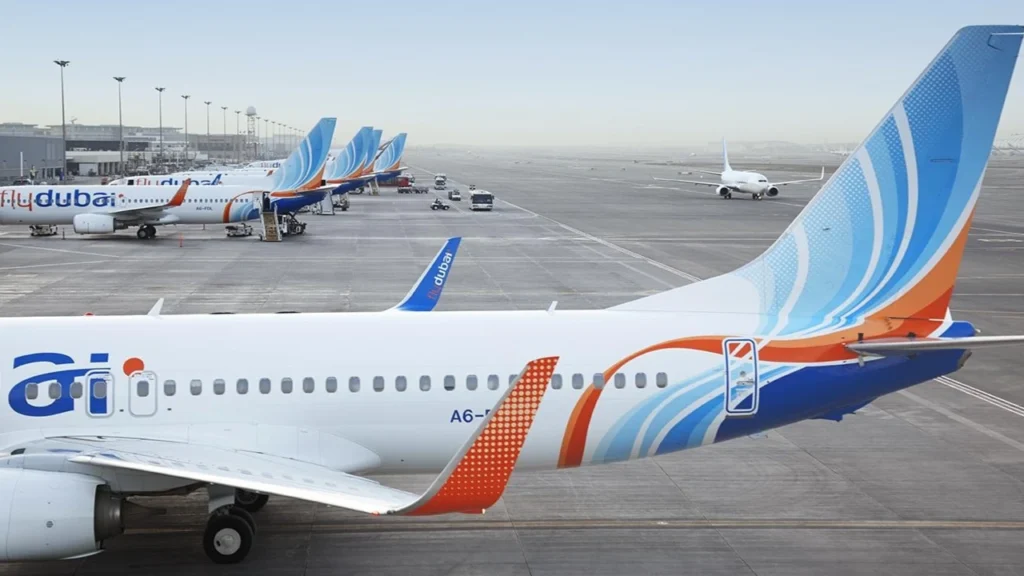
10. Dubai International Airport, United Arab Emirates
Dubai International Airport rounds out the top 10, recording an LCC connectivity index of 52.3. The airport has 14,632 potential low-cost connections across an impressive 280 destinations.
Flydubai is the dominant low-cost carrier, accounting for 29% of flights, while LCCs collectively represent 38% of capacity. Despite its huge international network, Dubai dropped from fifth place in the 2025 Low-Cost Megahubs ranking to 10th in 2026.
Dubai remains an important connecting point between Europe, Asia, Africa and the Middle East. Flydubai’s network complements the wider operations at the airport and provides a large number of lower-cost travel options across the region.
OAG notes that the 2026 rankings have been affected by ongoing disruption in the Middle East, with scheduled regional capacity below the previous year’s level. This has influenced the positions of several Middle Eastern airports, including Dubai.
Asia Pacific Dominates The Low-Cost Megahubs
The most striking feature of the 2026 ranking is the strength of Asia Pacific. Seven of the 10 airports listed here are located in the region, with Kuala Lumpur, Seoul, Singapore, Manila, Jakarta, Fukuoka and Delhi all featuring.
Across OAG’s full top 25 Low-Cost Megahubs, 16 airports are located in Asia Pacific, representing 64% of the ranking. Eight are in EMEA and one is in North America. Southeast Asia is particularly prominent, with eight of the Asian airports in the top 25 coming from the sub-region.
OAG also reports that low-cost carriers account for around 51% of all seats across Southeast Asia, significantly above the global average of 34%. This helps explain why several Southeast Asian airports feature so prominently in the global ranking.
Why Low-Cost Megahubs Matter
A low-cost megahub is not simply an airport with a large number of budget flights. Its importance comes from how effectively those flights create potential connections between different destinations.
OAG’s LCC Megahubs Index uses the same basic connectivity methodology as its wider Megahubs ranking but restricts the analysis to low-cost flights. Potential connections are calculated within a six-hour window, while the index considers the number of connections in relation to the destinations served.
This means an airport can have a relatively modest number of flights but still perform strongly if its schedules create a large number of practical connection opportunities. It also explains why airports such as Kuala Lumpur and Seoul can rank highly even when their dominant carrier does not account for most of the airport’s flights.
Bottom Line
Kuala Lumpur International Airport leads the world’s Low-Cost Megahubs in 2026, supported by AirAsia’s extensive network and almost 15,000 potential LCC connections. Seoul Incheon follows in second place, while Istanbul Sabiha Gokcen makes one of the biggest moves of the year by climbing from seventh to third.
Barcelona remains Europe’s leading low-cost megahub, while Singapore, Manila, Jakarta, Fukuoka and Delhi demonstrate the depth of Asia’s budget aviation network. Dubai completes the top 10 despite falling five positions from last year.
The overall ranking also shows how closely low-cost aviation and international connectivity are now linked. With LCCs accounting for a major share of capacity in several Southeast Asian markets, airports across the region continue to play an increasingly important role in connecting budget travellers around the world.
FAQs
Kuala Lumpur International Airport in Malaysia ranks first in OAG’s 2026 Low-Cost Megahubs Index, with an LCC connectivity index of 96.8 and almost 15,000 potential low-cost connections.
AirAsia is the dominant carrier at Kuala Lumpur International Airport, accounting for 34% of flights. Low-cost carriers collectively represent 44% of the airport’s capacity.
Istanbul Sabiha Gokcen recorded one of the biggest increases among the top 10, rising from seventh place in 2025 to third in 2026. Fukuoka also climbed strongly, moving from 13th to eighth.
Stay tuned with us. Further, follow us on social media for the latest updates.
Join us on Telegram Group for the Latest Aviation Updates. Subsequently, follow us on Google News
