

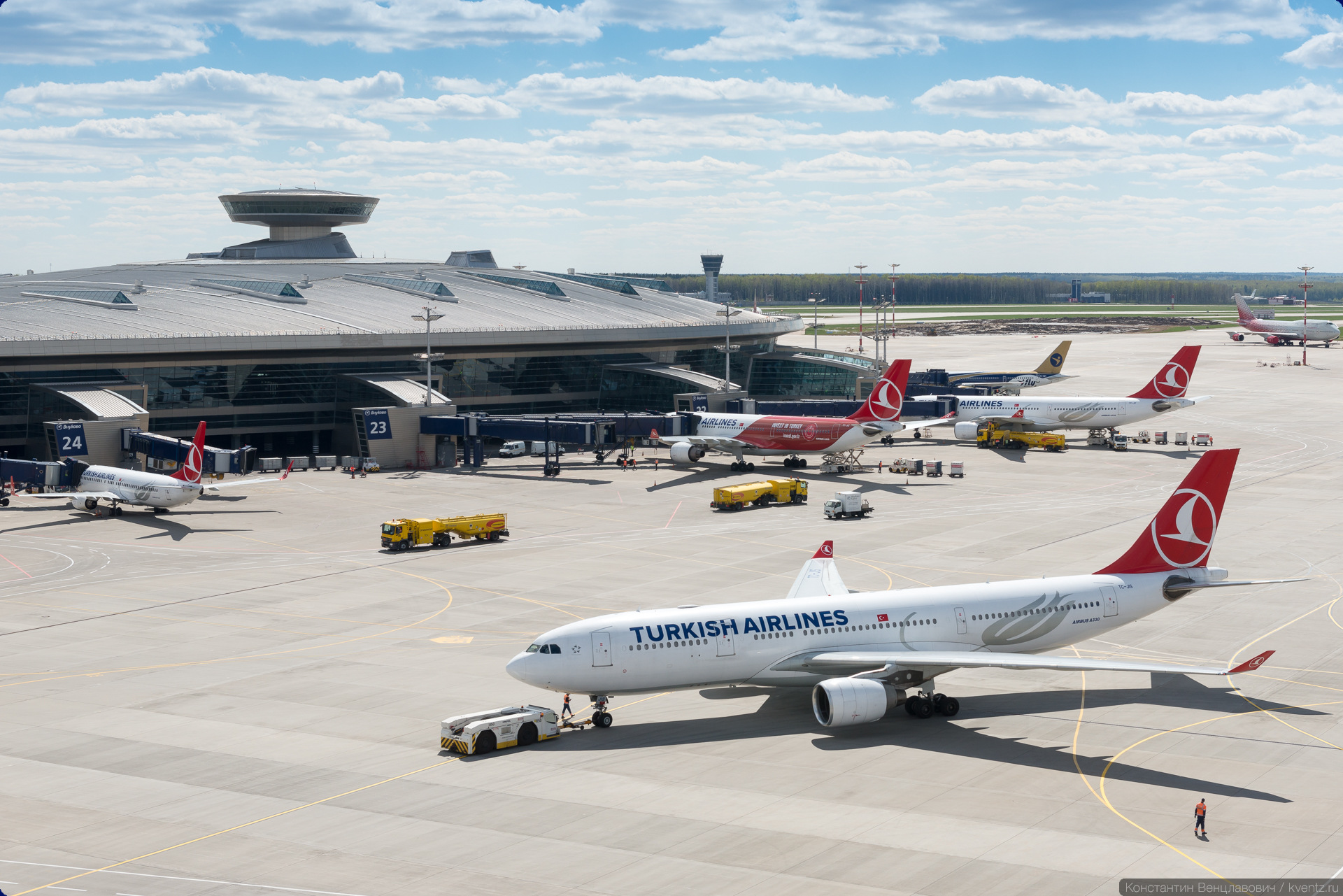
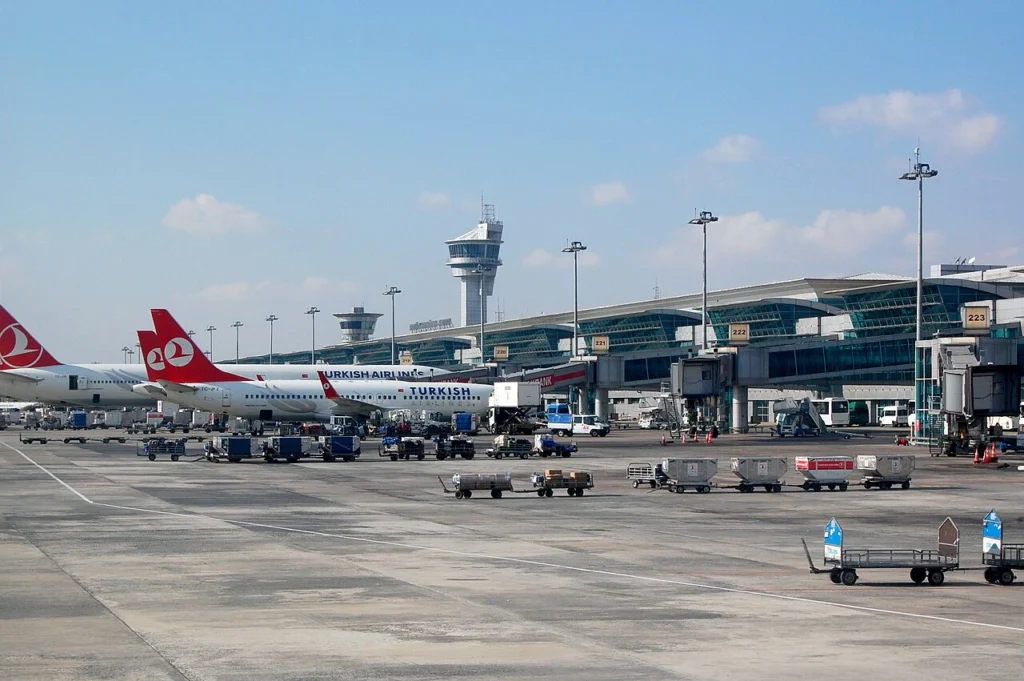
SINGAPORE- Istanbul Airport (IST) has become the world’s most connected airport in 2026, overtaking London Heathrow Airport (LHR) in OAG’s latest Megahubs ranking. Turkish Airlines (TK) remains the dominant carrier at Istanbul, accounting for 80% of the airport’s capacity.
London Heathrow Airport (LHR) dropped to second place as potential connections declined 6%, while Kuala Lumpur International Airport (KUL) retained fourth place and remained Asia’s most connected hub. Asia-Pacific airports also recorded the strongest presence in the global top 20.

Istanbul Airport Takes the Global Connectivity Lead
Istanbul Airport has moved from second place in 2025 to first in the OAG Megahubs 2026 ranking, establishing itself as the world’s most connected international airport.
The Turkish hub offers potential connections to 337 global destinations. Despite ranking eighth among the world’s largest airports by capacity for the August 2025 to August 2026 period, Istanbul recorded the highest potential connectivity in the latest analysis.
Turkish Airlines (TK) is the dominant carrier at Istanbul Airport, operating 80% of the airport’s capacity. Its extensive international network plays a major role in Istanbul’s position as a major global connecting hub.
OAG, a UK-based travel data provider, assessed flight schedules across the world’s largest airports to determine how many viable connections passengers could make between inbound and outbound services.
The analysis considered connections within a maximum six-hour window and applied airport-specific minimum connection times and other connectivity criteria.
Heathrow Falls as Middle East Disruptions Affect Connectivity
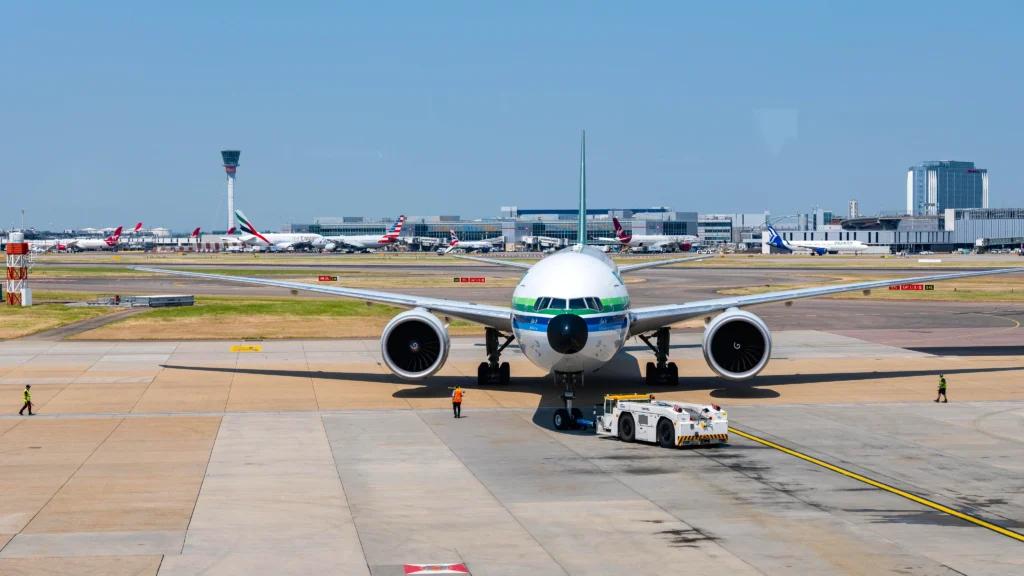
London Heathrow Airport moved down to second place in the 2026 global ranking. OAG reported that the airport’s potential connections declined by 6% on the busiest day compared with the previous year.
The decline coincided with disruption affecting Middle East flight schedules. Heathrow’s scheduled capacity to the Middle East was 25% lower in August 2026 than in the same month a year earlier.
The change highlights how international schedule disruptions can affect an airport’s connectivity even when its overall role as a major global hub remains significant.
Amsterdam Schiphol Airport (AMS) retained third place. OAG reported growth in both capacity and destinations at the Dutch airport.
Kuala Lumpur Remains Asia’s Leading Megahub
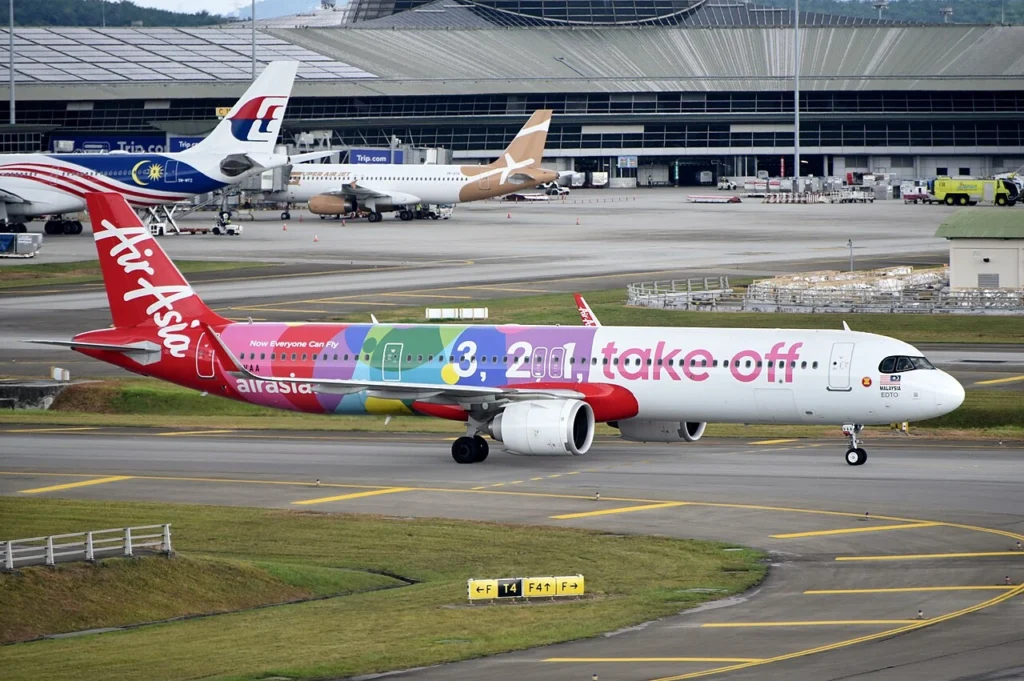
Kuala Lumpur International Airport (KUL) retained fourth place globally and remained the highest-ranked Asian airport in the 2026 Megahubs ranking.
The Malaysian hub served 154 destinations, up from 151 in the previous year. Overall capacity increased by 6.9%, representing the strongest capacity growth among its Southeast Asian peers included in the ranking, except Hanoi, which recorded an 11.8% increase.
Although Kuala Lumpur’s number of potential connections declined slightly from 2025, the increase in destinations and capacity helped it maintain its position among the world’s leading international hubs.
The result also reinforces Kuala Lumpur’s role as a major connecting point between Southeast Asia and international markets.

Chicago O’Hare Enters the Global Top Five
Chicago O’Hare International Airport (ORD) became the most connected megahub in the Americas, moving from seventh place in 2025 to fifth in 2026.
OAG reported that capacity at Chicago O’Hare increased by more than 10.6%, while potential connections rose by 9.8%.
The airport also expanded its destination network from 297 to 308 destinations. This gave Chicago O’Hare the third-highest number of destinations served among airports worldwide in the OAG analysis.
Atlanta Hartsfield-Jackson International Airport (ATL) was the other North American airport in the global top 10.
Asia-Pacific Dominates the Global Top 20
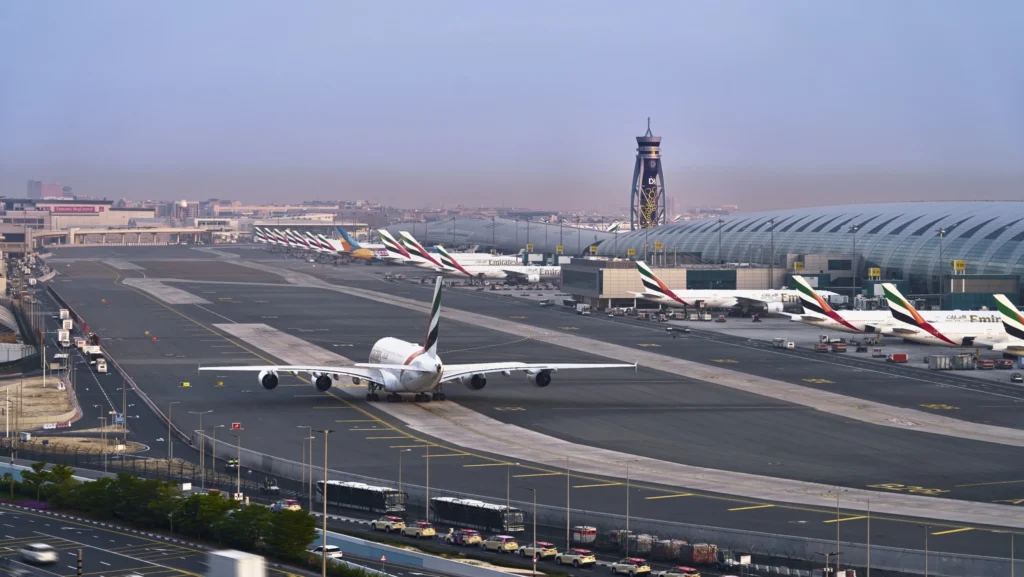
Asia-Pacific recorded the largest number of airports in OAG’s global top 20, with eight hubs making the list.
The distribution of the top 20 was:
| Region | Airports in Top 20 |
|---|---|
| Asia-Pacific | 8 |
| Europe, Middle East and Africa | 6 |
| North America | 5 |
| Latin America | 1 |
Several Asian airports made significant gains during the year.
Tokyo Haneda Airport (HND) climbed from ninth to eighth place. Shanghai Pudong International Airport (PVG) rose from 19th to 14th.
Guangzhou Baiyun International Airport (CAN) recorded one of the biggest improvements, moving from 36th to 19th. Hong Kong International Airport (HKG) also returned to the global top 20, rising from 22nd to 20th.
OAG said the performance of the Chinese hubs indicates that they appear to have moved beyond the remaining effects of the COVID-19 pandemic period.
Singapore and Bangkok Maintain Strong Positions
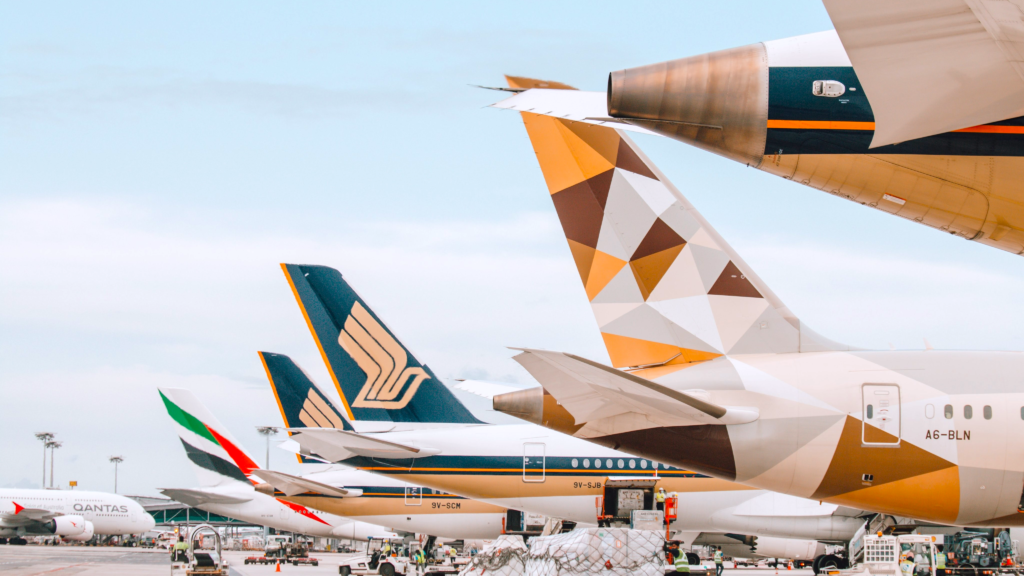
Singapore Changi Airport (SIN) retained 11th place in the global ranking.
Changi remained ahead of Bangkok Suvarnabhumi Airport (BKK), while Atlanta Hartsfield-Jackson International Airport (ATL) ranked above Singapore in the overall list.
Singapore’s position in the separate low-cost carrier ranking improved substantially. Changi climbed to fifth place from 10th, supported by growth in destinations and potential connections involving low-cost carriers.

Asia-Pacific Strengthens Its Low-Cost Hub Presence
OAG also published a separate ranking of the world’s top 25 low-cost carrier international megahubs.
The top five positions in that ranking were held by Kuala Lumpur, Seoul Incheon, Istanbul Sabiha Gokcen, Barcelona and Singapore.
Asia-Pacific accounted for 16 of the 25 airports in the low-cost ranking. Eight of those airports were located in Southeast Asia.
OAG reported that low-cost carriers accounted for 51% of capacity in Southeast Asia, compared with a global average of 34%.
The figures underline the growing role of low-cost airlines in the region’s international connectivity and explain the strong representation of Southeast Asian airports in the LCC Megahubs ranking.
How OAG Calculated the 2026 Megahubs Ranking
OAG assessed the 100 largest airports based on scheduled seats over the 12 months through August 2026. The analysis also considered the busiest day for global aviation during the period, Sunday, August 2, 2026.
The methodology calculated the total number of possible connections between inbound and outbound flights within a maximum six-hour connection window. At least one of the connecting flights had to be international.
OAG applied several additional criteria, including a maximum circuity of 150 and airport-specific minimum connection times.
The analysis used OAG’s Connections Analyser and its global airline schedule and flight connectivity database.
The 2026 Megahubs Index includes rankings for the top 50 international megahubs, the top 25 international low-cost carrier megahubs, the top 25 US domestic megahubs and regional rankings covering Europe, EMEA, North America, Latin America and Asia-Pacific.
Middle East Disruptions Influence the 2026 Results
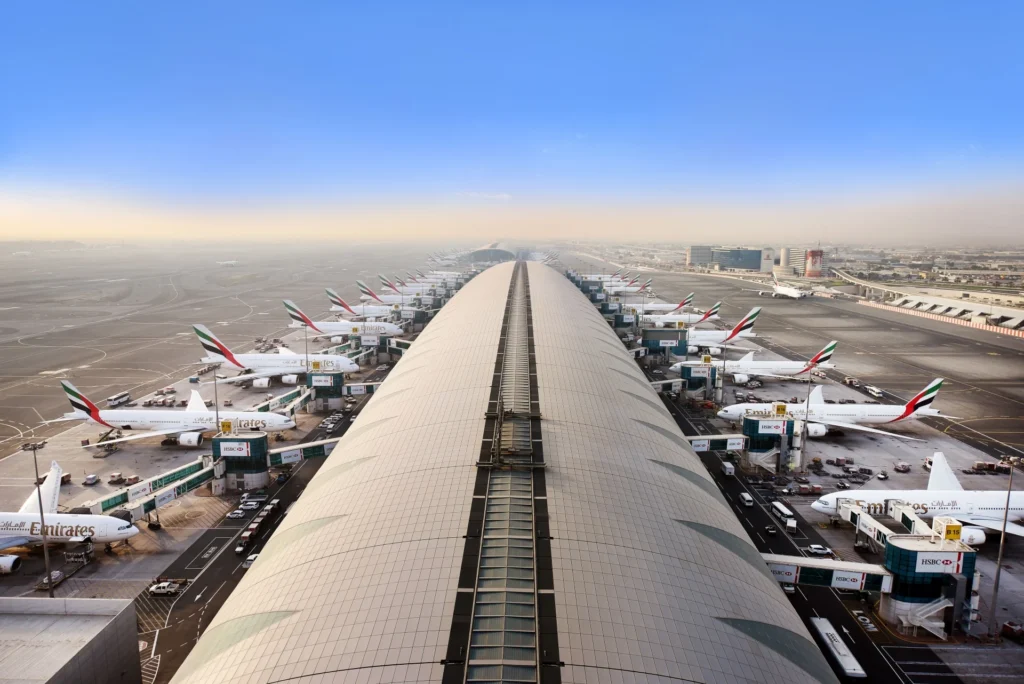
OAG noted that the ongoing disruption affecting the Middle East influenced this year’s rankings.
Scheduled capacity to the region in August 2026 was 5.7% below August 2025. The change affected airports with significant Middle East connectivity and contributed to shifts in the positions of several Middle Eastern hubs and other airports connected heavily to the region.
The impact was particularly visible at London Heathrow, where scheduled capacity to the Middle East declined by 25% year over year in August.
OAG’s ranking therefore provides a snapshot of international connectivity based on the schedules operating during the measured period rather than a permanent measure of an airport’s network strength.

Istanbul Leads as Asian Hubs Gain Ground
Istanbul’s rise to first place marks the biggest change at the top of the 2026 global connectivity ranking, while Heathrow’s decline reflects the effect of reduced Middle East connectivity during the assessment period.
At the same time, Asia-Pacific strengthened its position across the rankings, with eight airports in the global top 20 and 16 airports in the top 25 low-cost carrier ranking.
The movement of Shanghai, Guangzhou, Hong Kong and Tokyo also points to significant changes in international connectivity across Asia. Kuala Lumpur’s continued fourth-place position further establishes its role as the region’s leading global megahub in OAG’s 2026 analysis.
Stay tuned with us. Further, follow us on social media for the latest updates.
Join us on Telegram Group for the Latest Aviation Updates. Subsequently, follow us on Google News
