


LONDON— Virgin Atlantic (VS) is accelerating the retirement of its Airbus A330-300 fleet, with five aircraft expected to leave the British carrier and move to Scandinavian Airlines (SK) from 2027.
The transfer will give SAS additional widebody capacity while Virgin Atlantic continues replacing older aircraft with newer A330-900neos.
The move marks a faster phase-out than Virgin Atlantic originally planned, although the overall strategy remains unchanged.
The airline is working toward a modern fleet built around next-generation aircraft, while SAS is using the second-hand A330-300s to strengthen its long-haul operation before its new Airbus aircraft arrive.
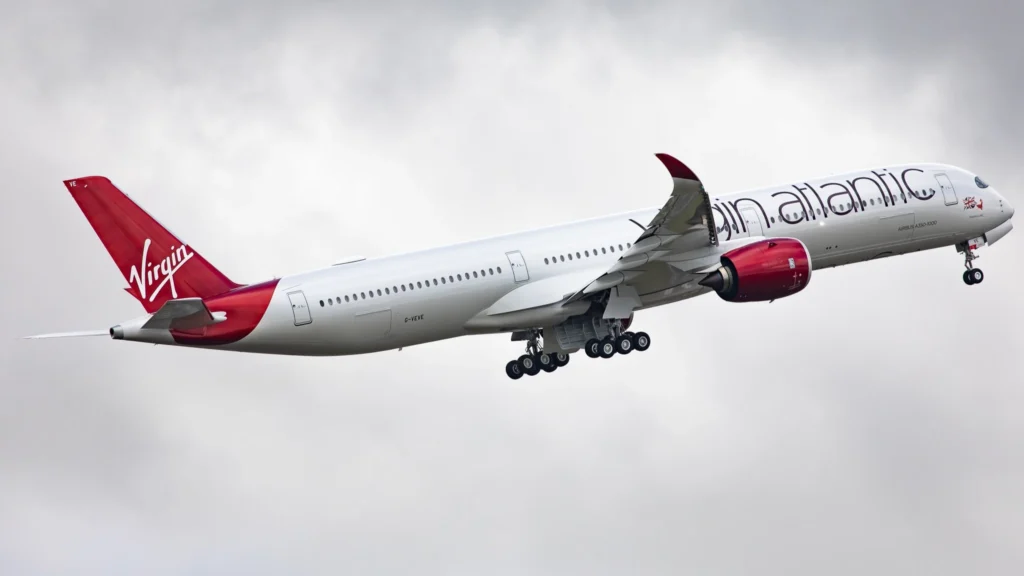
Virgin Atlantic Five A330s Move To SAS Fleet
SAS already operates Airbus A330-300 aircraft and plans to add five former Virgin Atlantic examples to its fleet from mid-2027.
Copenhagen Airport (CPH) remains SAS’s primary international gateway, while the airline also operates long-haul services from Scandinavia to destinations in North America and Asia.
The additional aircraft will provide SAS with capacity while it waits for new Airbus A330-900neos.
The carrier has ordered 18 A330-900s as part of a major long-haul expansion, but those deliveries will take time, making used A330-300s a practical short-term solution.
SAS currently operates eight A330-300s alongside six Airbus A350-900s and three A321LRs on long-haul routes.
Adding five aircraft would significantly increase its existing A330-300 fleet and allow the airline to expand capacity without waiting entirely for new deliveries.
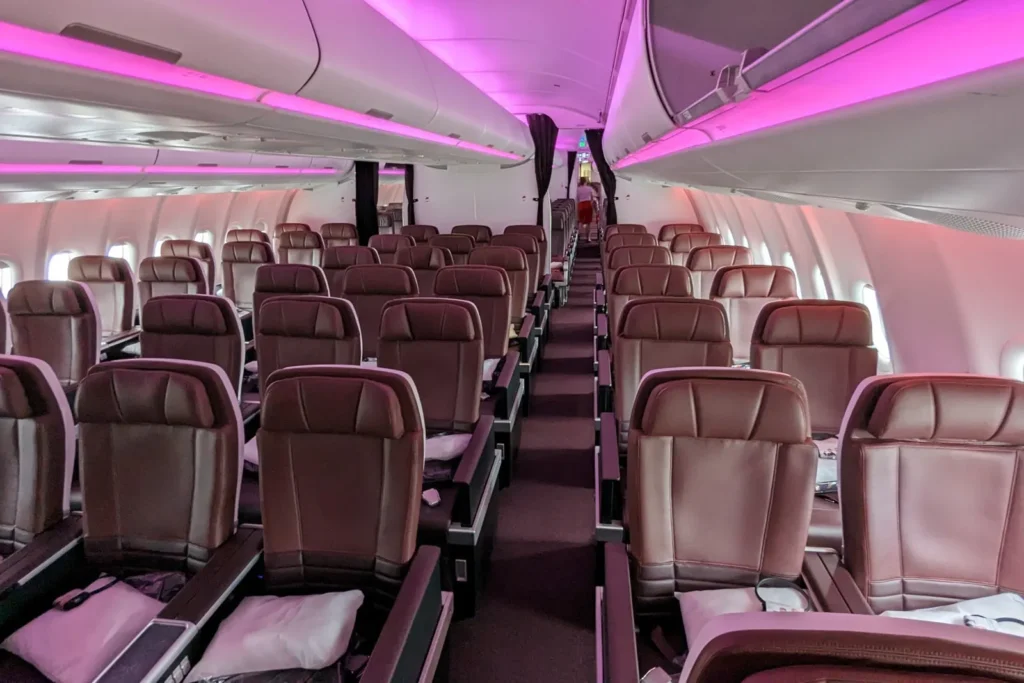
Virgin Atlantic Replaces Its Older Jets Faster
Virgin Atlantic’s A330-300 retirement forms part of a wider fleet modernization program.
The carrier originally announced that it would gradually retire the type from September 2024 and replace it with newer A330-900 aircraft, with the goal of operating 45 next-generation aircraft by 2028.
The airline ended 2025 with six A330-300s, eight A330-900neos, 12 Airbus A350-1000s and 17 Boeing 787-9s.
The A330-300s were the oldest aircraft in the fleet, while Virgin Atlantic’s newer A330neos offer improved fuel efficiency and lower emissions.
Virgin Atlantic also confirmed an additional order for seven A330-900s in 2024, taking its total A330neo commitment to 19 aircraft.
The new aircraft will gradually take over flying from the older A330-300s as the airline moves toward an all-next-generation fleet.
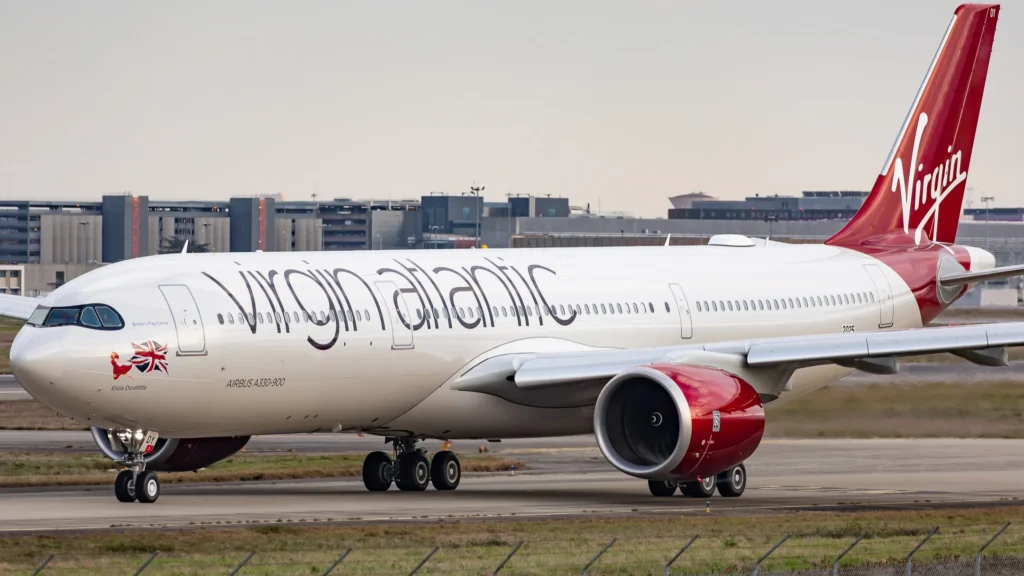
New A330neo Adds More Premium Cabin Capacity
The replacement program is also changing how Virgin Atlantic uses cabin space. Its latest A330-900 configuration provides 232 seats, including 48 Upper Class seats, 56 Premium seats and 128 Economy seats, placing greater emphasis on premium accommodation, Simple Flying reported.
That configuration represents a major shift from the older A330-300 layout, which carried considerably more Economy passengers.
Virgin Atlantic is therefore not simply replacing aircraft on a one-for-one basis but using the fleet renewal to increase premium capacity.
The first of the former Virgin Atlantic A330-300s is expected to reach SAS around 2027, with the remaining aircraft following as the transition progresses.
For Virgin Atlantic, the transfer provides a direct path to retire its oldest widebodies, while SAS gains additional aircraft to support its long-haul growth before its new A330-900neo fleet arrives.
Stay tuned with us. Further, follow us on social media for the latest updates.
Join us on Telegram Group for the Latest Aviation Updates. Subsequently, follow us on Google News
