

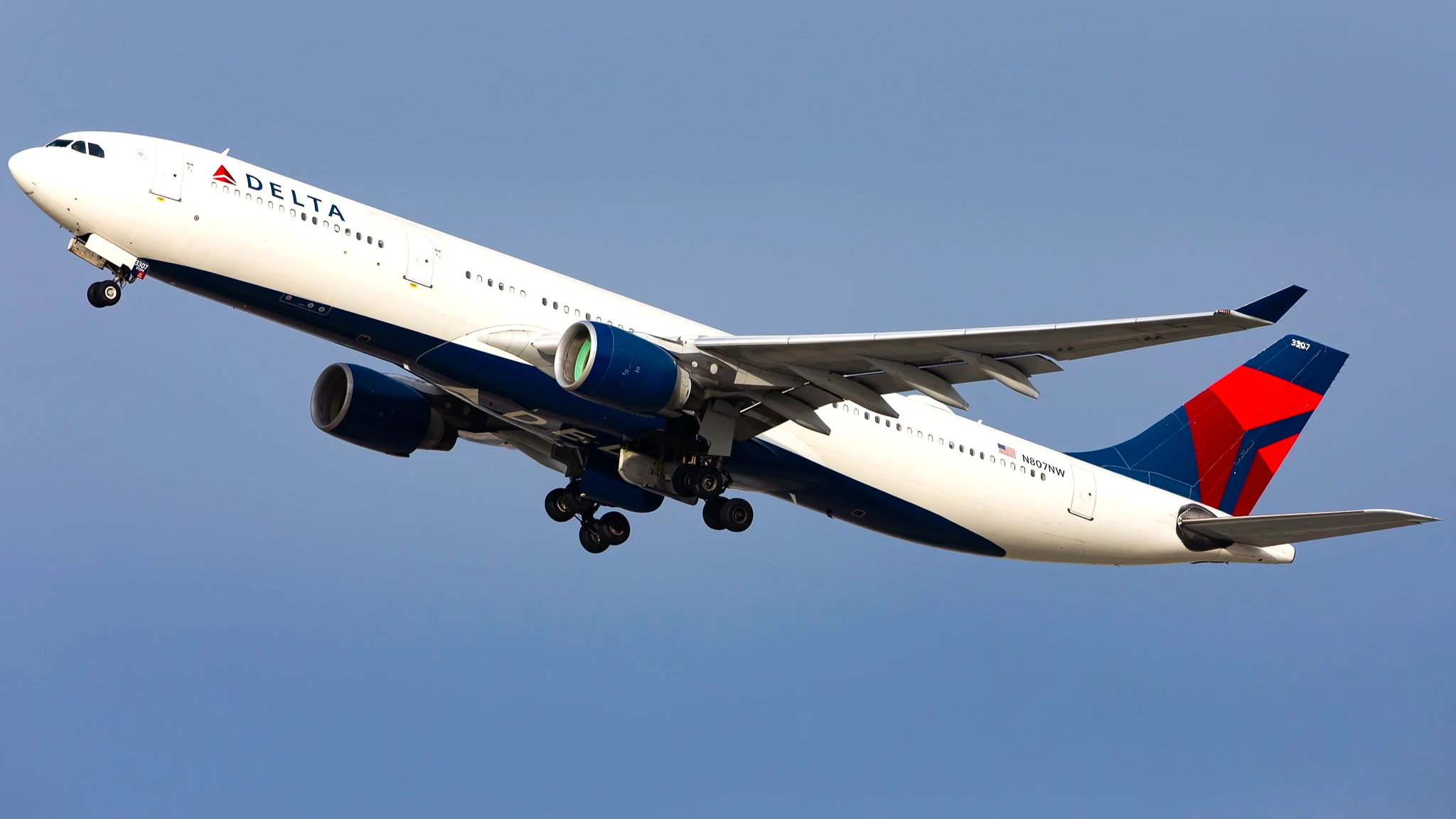
ATLANTA- Delta Air Lines (DL) flight DL182 diverted from its New York (JFK) to Rome Fiumicino Airport (FCO) route after an engine related mechanical issue developed during the transatlantic journey.
The Airbus A330-300 was carrying 267 passengers and 13 crew members. It landed safely at St. John’s International Airport (YYT) in Newfoundland, Canada, where passengers received hotel accommodation and meal vouchers before Delta arranged their return to New York and onward flights to Italy.
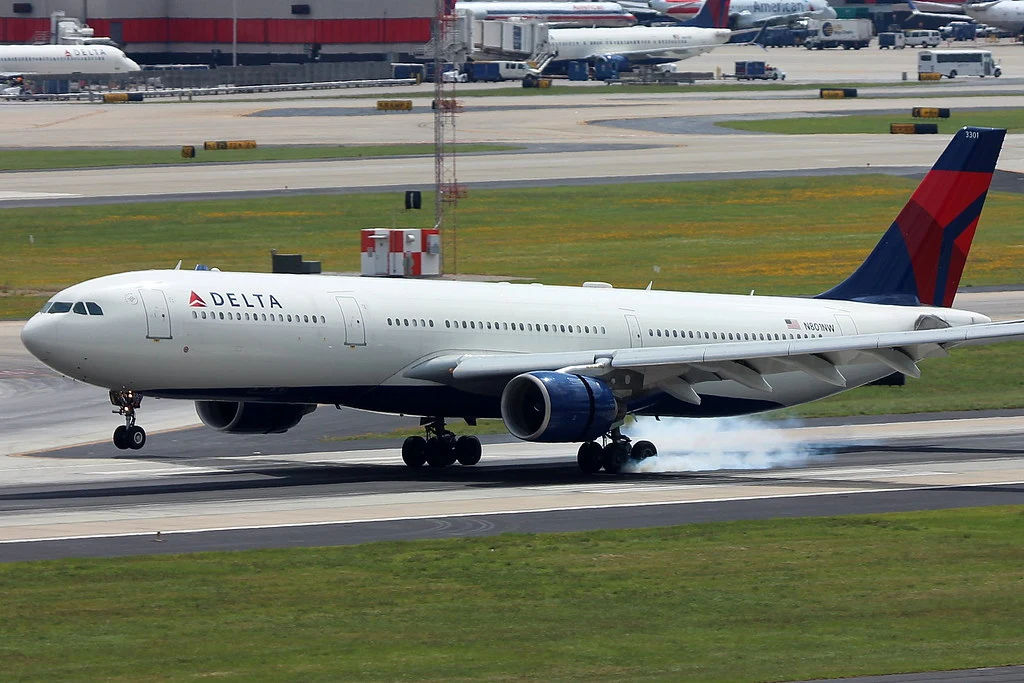
Delta A330 Diverts to Canada After Engine Issue
Delta flight DL182 departed New York JFK at 5:43 PM on Sunday, August 23, for an approximately eight and a half hour flight to Rome.
About 4 hours into the journey, while the aircraft was partly across the Atlantic Ocean, a mechanical issue involving one engine prompted the pilots to declare an emergency and divert.
The crew followed standard procedures and selected St. John’s International Airport as the diversion airport. The Newfoundland airport is a key option for aircraft crossing the North Atlantic because of its location and ability to handle long-haul aircraft during an emergency.
The aircraft, registered as N823NW, landed safely at St. John’s at 11:15 PM. Airport emergency services met the Airbus A330 upon arrival, and all passengers and crew left the aircraft without incident.
The flight carried 267 passengers and 13 crew members, for a total of 280 people onboard. St. John’s airport spokesperson Ryan Howell confirmed that everyone disembarked safely.
Delta arranged local hotel accommodation for passengers and crew while a replacement aircraft was sent to Newfoundland. The airline also provided meal vouchers during the disruption.
The replacement aircraft, registered N428DX, departed St. John’s for New York JFK at 9:50 AM on August 24 and arrived at 11:07 AM. Passengers were then rebooked onto new flights to Italy.
Simple Flying reported on the diversion and contacted Delta for comment. A Delta spokesperson said flight DL182 diverted to St. John’s because of a mechanical issue involving one of the aircraft’s engines and emphasized that safety remained the airline’s top priority.
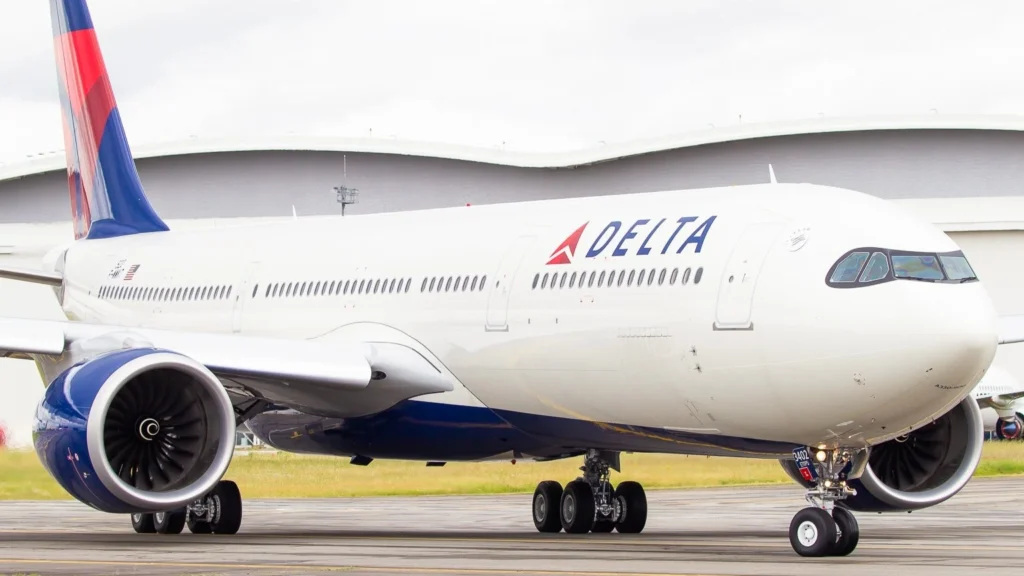
Key North Atlantic Diversion Airport
St. John’s International Airport (YYT) serves as an important diversion point for transatlantic flights. Its position in Newfoundland makes it a practical airport for aircraft that need to leave North Atlantic routes before reaching their planned destinations.
Aircraft crossing the North Atlantic can require an alternate landing location when they experience mechanical problems or medical emergencies.
St. John’s provides a capable airport option for these situations and can receive widebody aircraft operating international routes.
For DL182, the airport was the closest capable North American airport available to the aircraft while it was crossing the Atlantic.
Diverting there allowed the crew to land safely rather than continue toward Rome with an unresolved engine-related mechanical issue.
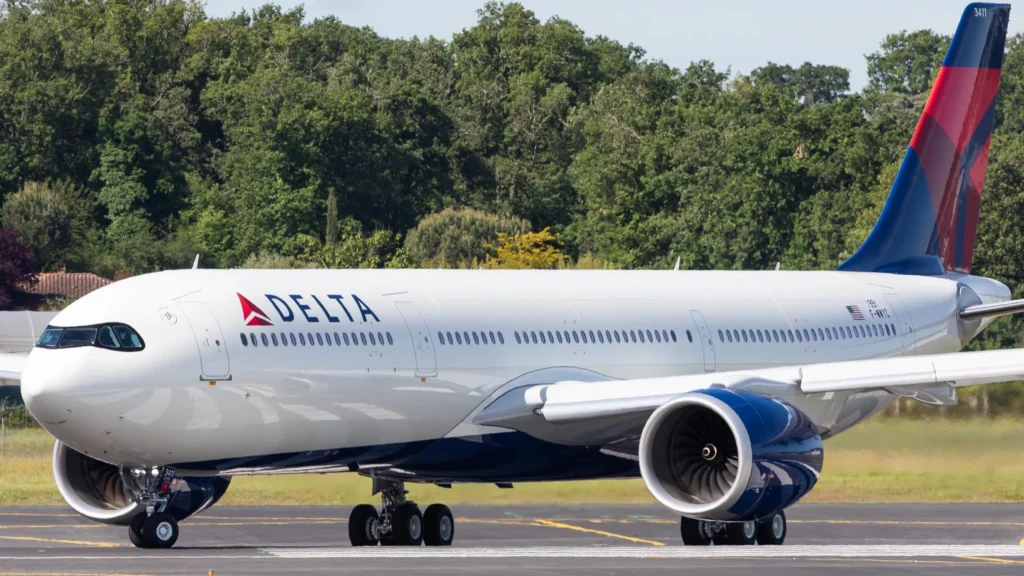
Delta Confirms Standard Emergency Procedures
Initial reports described the event as a “mechanical emergency.” Delta later confirmed that the issue involved one of the A330’s engines.
The airline said the pilots followed standard procedures and diverted to St. John’s as a safety measure. Delta apologized for the disruption and thanked the flight crew and ground teams for their professionalism and support.
The airline also confirmed that passengers were subsequently rebooked onto new flights to Italy after returning to New York.
CBC reported that Delta had apologized to affected customers while reiterating that safety remained its highest priority.
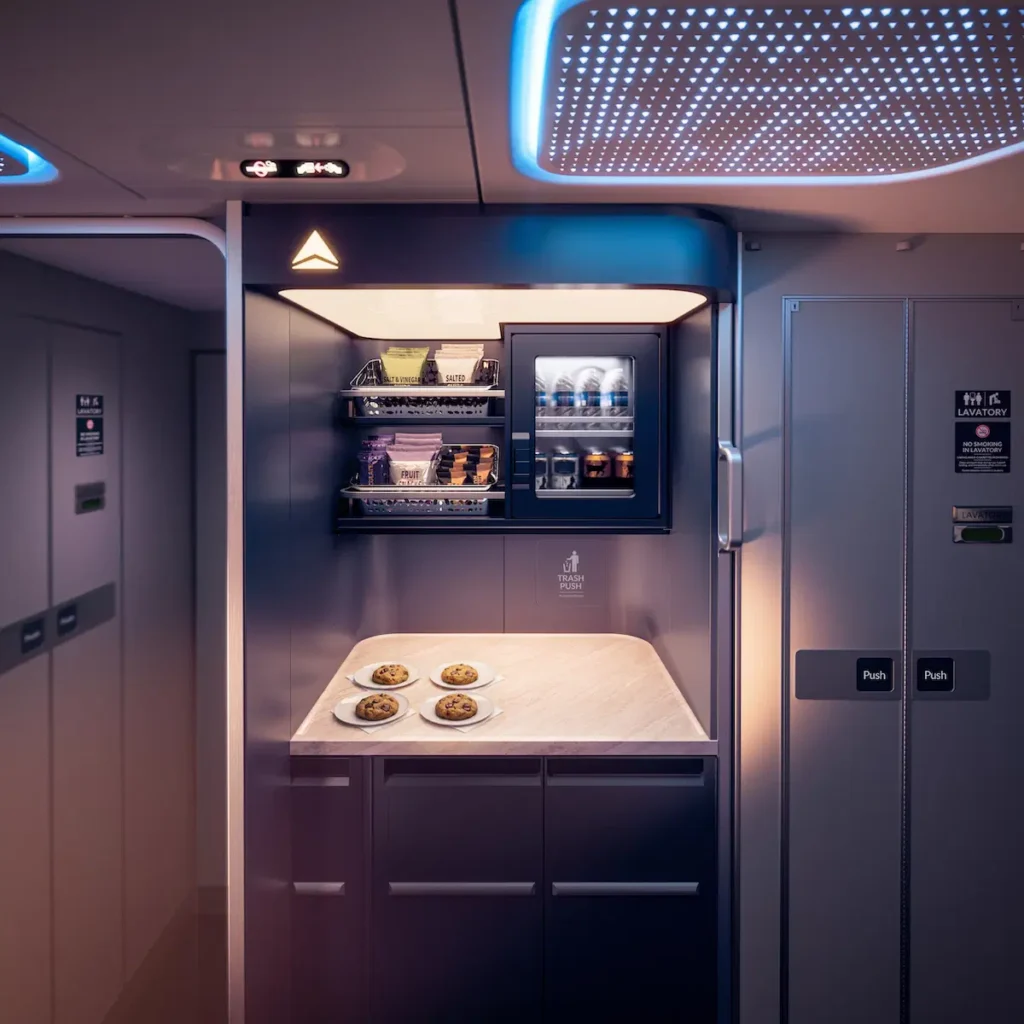
Aircraft N823NW Was Nearly Full
The aircraft involved in the diversion was N823NW, an Airbus A330-300 delivered to Delta in August 2015. It was approximately 11 years old at the time of the incident and formed part of Delta’s long-haul fleet.
Delta operates more than 30 Airbus A330 aircraft, making the type an important component of its transatlantic network.
N823NW is configured for 293 passengers across 3 cabins. The layout includes 34 Business Class seats, 40 Premium seats, and 219 Economy seats.
With 267 passengers onboard, the aircraft was operating at a high load level, with 26 seats unoccupied.
N823NW Aircraft Details
| Specification | Details |
|---|---|
| Aircraft Registration | N823NW |
| Serial Number (MSN) | 1628 |
| Hex Code | AB3D41 |
| Aircraft Type | Airbus A330-302 |
| French Airbus Test Registration | F-WWYY |
| First Flight | January 12, 2015 |
| Delivery Date | August 26, 2015 |
| Engines | 2 × GE CF6-80E1A4 |
| Total Passenger Capacity | 293 |
| Passengers Onboard | 267 |
| Crew Onboard | 13 |
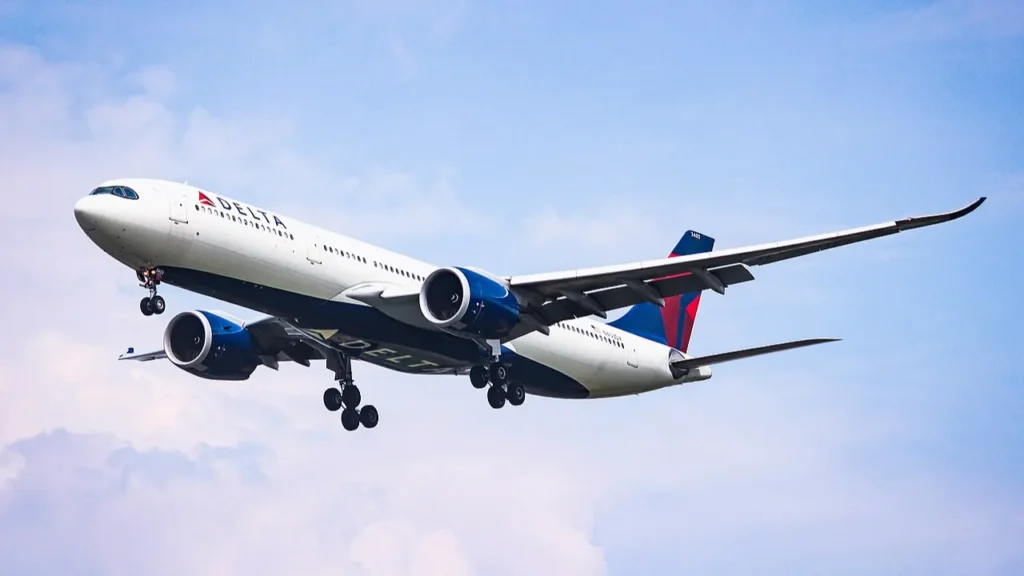
https://commons.wikimedia.org/wiki/File:Delta_Airlines_Airbus_A330neo_-_N403DX.jpg
Safety Took Priority Over the Original Route
The diversion disrupted the planned New York-to-Rome journey, but the immediate operational priority was the safe landing of the aircraft and everyone onboard.
The incident also demonstrates the importance of diversion airports along transatlantic routes. St. John’s provides aircraft operating between North America and Europe with access to a capable airport when technical or medical issues require an unscheduled landing.
The Delta crew’s decision to divert after an engine-related mechanical issue ensured that the aircraft reached a suitable airport safely.
Delta then used a replacement aircraft, hotel accommodation, meal support, and rebooking to manage the remainder of the passengers’ disrupted journey.
Stay tuned with us. Further, follow us on social media for the latest updates.
Join us on Telegram Group for the Latest Aviation Updates. Subsequently, follow us on Google News
