

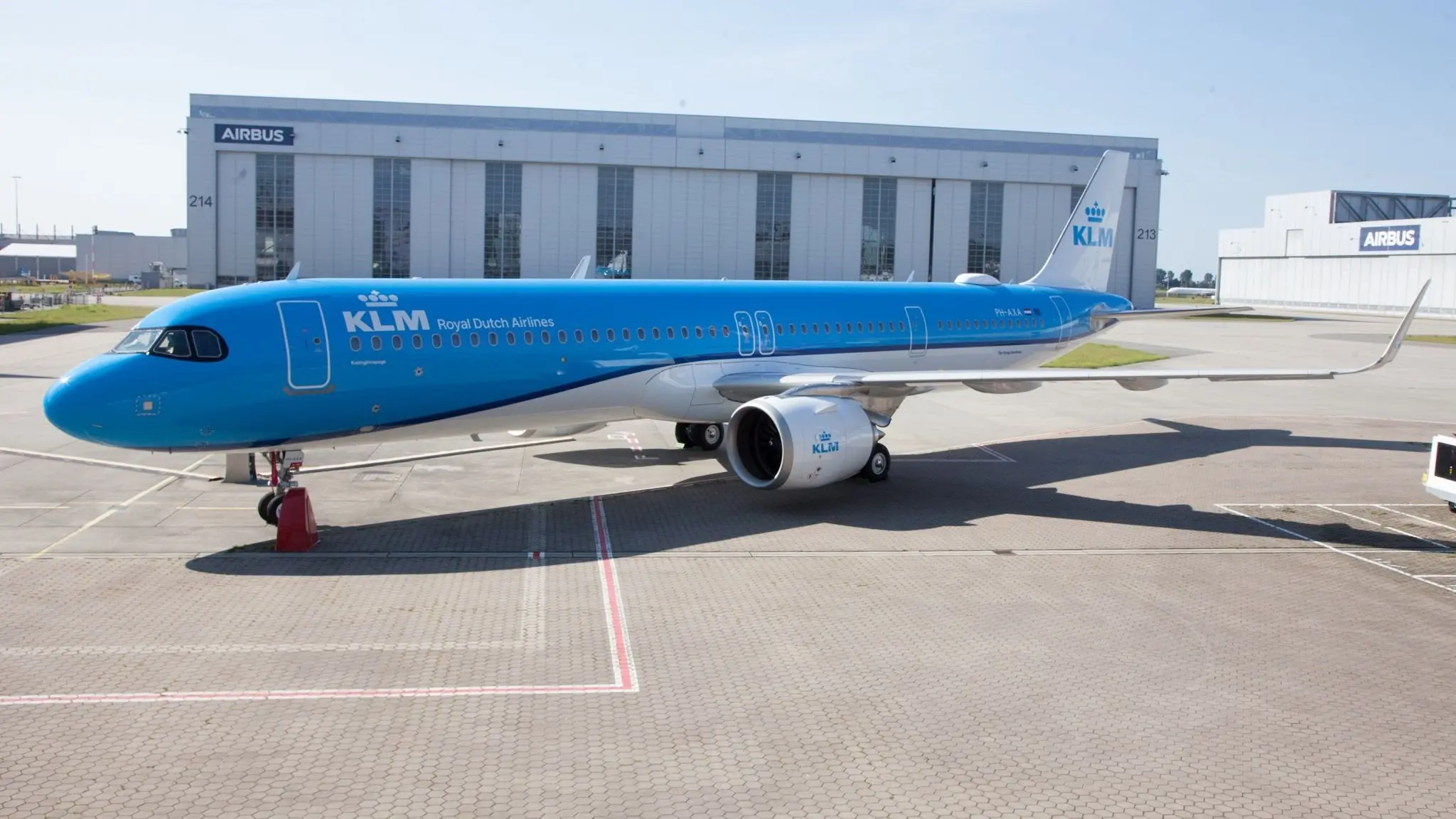
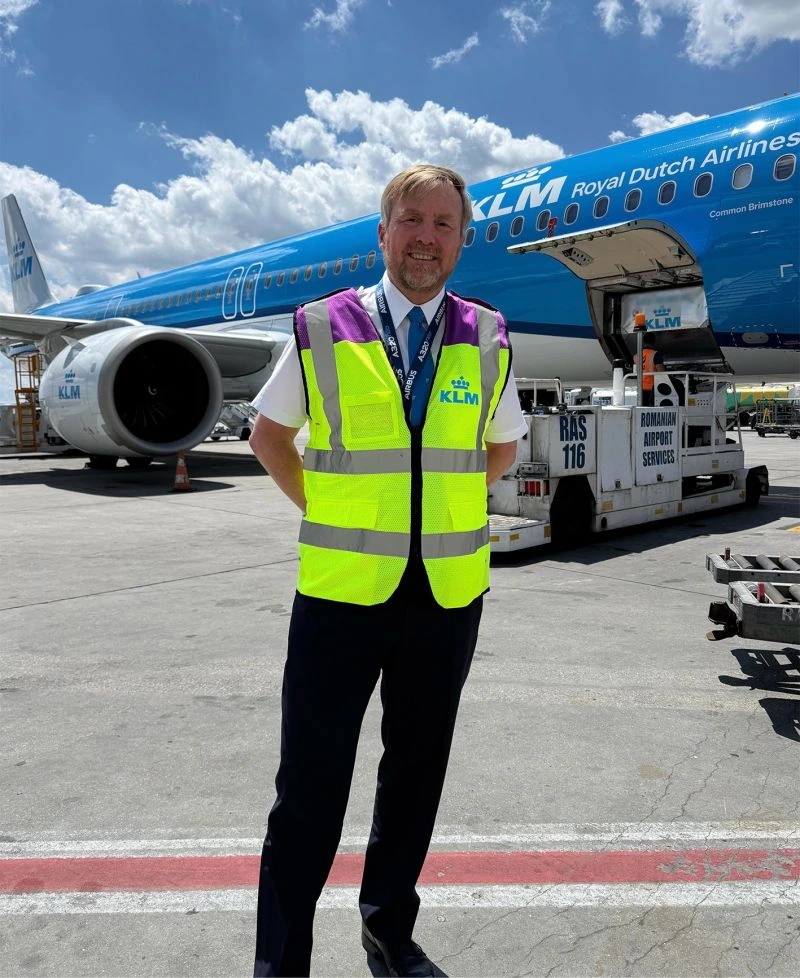
AMSTERDAM— King Willem-Alexander of the Netherlands has flown his first Airbus A321neo commercial service for KLM Royal Dutch Airlines (KL) on the Amsterdam Schiphol (AMS) to Bucharest Henri Coandă (OTP) route.
The flight marked a significant milestone in the airline’s ongoing fleet modernization programme and its long-term pilot transition strategy.
The service operated as KLM flights KL1373 and KL1374 using aircraft registration PH-AXC. The Dutch monarch, a fully licensed pilot, took command after completing his Airbus A321neo type rating on 6 June.
His participation highlighted both operational training progress and his continued active role in civil aviation alongside royal responsibilities.
Royal Pilot Flight Milestone Moment
King Willem-Alexander has maintained a long-standing aviation career alongside his duties as head of state. He has flown Boeing 737 aircraft for KLM for many years and previously operated Dutch government flights on official missions.
His transition to the Airbus A321neo demonstrates continued professional development within modern commercial aviation standards.
The King’s involvement adds symbolic value to KLM Royal Dutch Airlines (KL), as it connects national leadership with frontline airline operations.
His continued presence in the cockpit also reflects KLM’s emphasis on maintaining experienced pilots during its fleet transition phase. The move reinforces confidence in training consistency and operational safety.
Fleet Transition Impact Acceleration Strategy Update
KLM is actively retiring its Boeing 737 fleet as part of a wider strategy to modernise its short- and medium-haul operations.
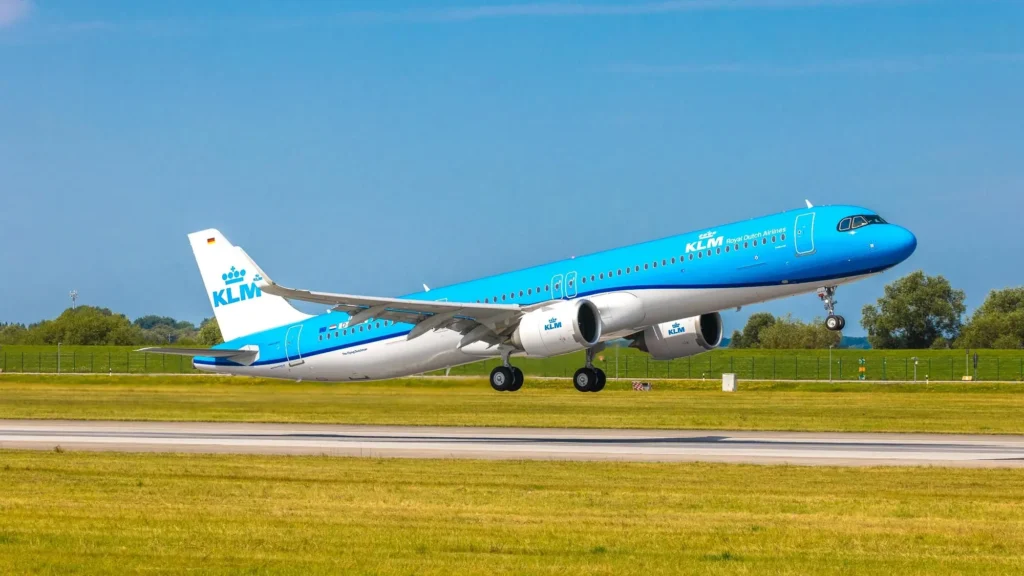
The airline is replacing older aircraft with Airbus A321neo jets, which offer improved fuel efficiency, reduced emissions, and lower noise levels. This transition supports KLM’s long-term sustainability targets and operational cost optimisation.
Pilots, including experienced aviators like the King, must adapt to new cockpit systems and Airbus-specific flight procedures.
The shift from Boeing to Airbus platforms requires updated training, simulator sessions, and type-rating certification. This change represents a major technical adjustment for flight crews across the airline’s network.

A321neo Operations Efficiency Expansion Growth
The inaugural A321neo service on the AMS–OTP route demonstrated KLM’s operational readiness with next-generation narrow-body aircraft.
Aircraft PH-AXC operated the scheduled KL1373 and KL1374 flights, marking one of the early deployments of the type on this European sector, Aviation24 reported. The route showcases the aircraft’s efficiency on medium-haul operations.
Passengers benefit from quieter cabins, improved seating configurations, and enhanced onboard comfort compared to older Boeing 737 models. The A321neo also delivers extended range and better fuel performance, making it suitable for dense European routes.
KLM expects the type to become a core component of its short-haul network in the coming years.
Stay tuned with us. Further, follow us on social media for the latest updates.
Join us on Telegram Group for the Latest Aviation Updates. Subsequently, follow us on Google News
