

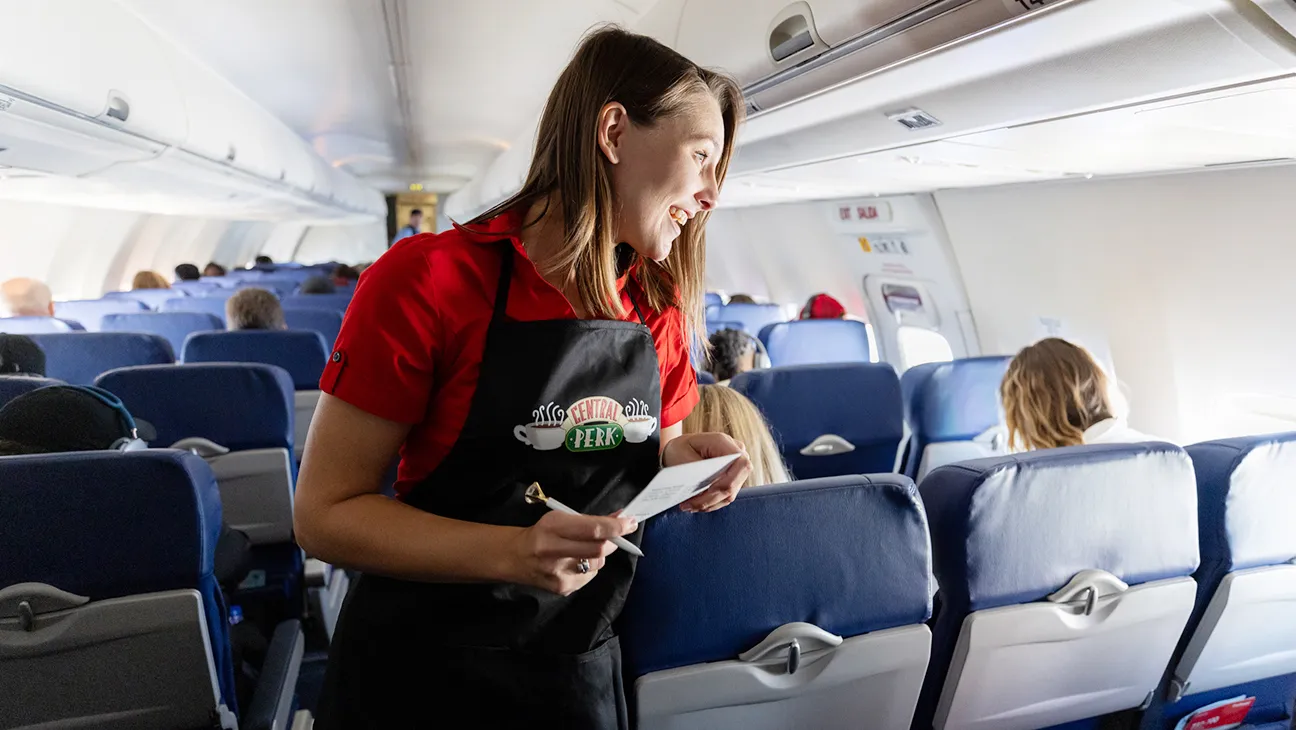
Flight attendants have revealed that the illuminated seat belt sign may sometimes serve a purpose beyond passenger safety, according to discussions shared in an online cabin crew forum.
The comments have sparked debate about airline customer service standards and how crew members manage disruptive passengers during flights.
The discussion emerged from a flight attendant community known as “A Fly Guy’s Cabin Crew Lounge,” where several crew members acknowledged occasionally asking pilots to activate the seat belt sign even when turbulence is not expected.
While the practice is not linked to any specific airline, it has renewed scrutiny of passenger-crew interactions across major U.S. carriers such as American Airlines (AA).
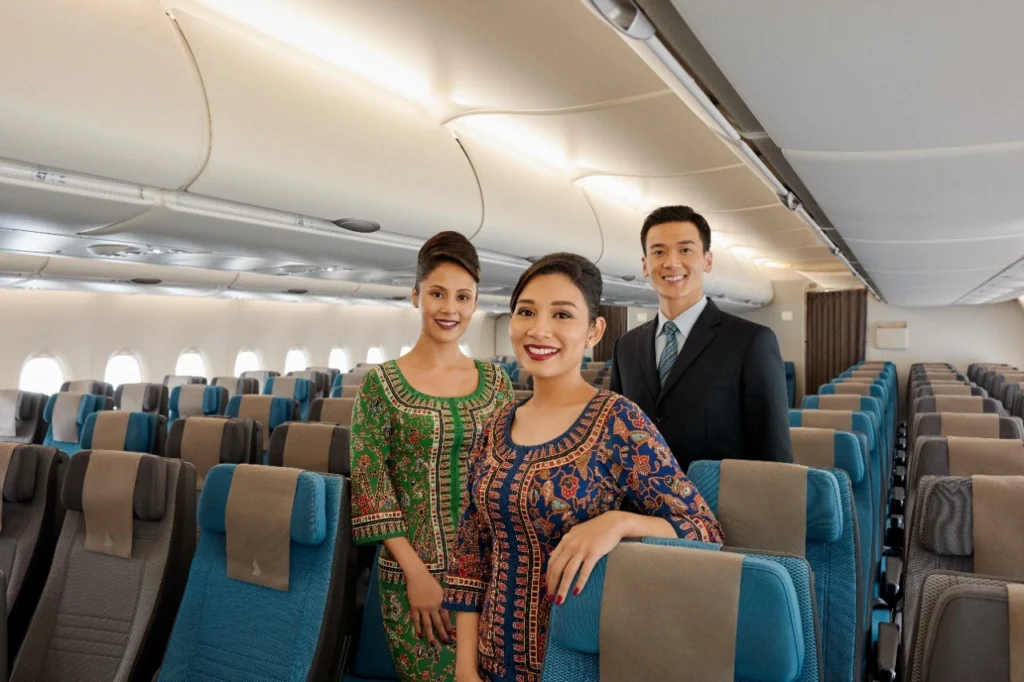
Seat Belt Sign Usage Explained
According to comments shared by flight attendants in the forum, crew members sometimes request the seat belt sign when passengers repeatedly enter galley areas, interrupt breaks, or linger near crew workspaces.
Several flight attendants openly admitted using the tactic. Responses included remarks such as “It’s passive-aggressive, but it works” and “Guilty,” suggesting that some cabin crew view the sign as an effective way to keep passengers seated and away from restricted work areas.
The revelations highlight a lesser-known aspect of cabin operations. While the seat belt sign primarily exists to protect passengers during turbulence and other safety-related situations, some crew members appear to view it as a practical tool for managing cabin movement.
Industry experts note that galley areas serve as operational workspaces where flight attendants prepare service items, coordinate with colleagues, and take short breaks during long flights. Excessive passenger traffic in these spaces can make those duties more difficult.
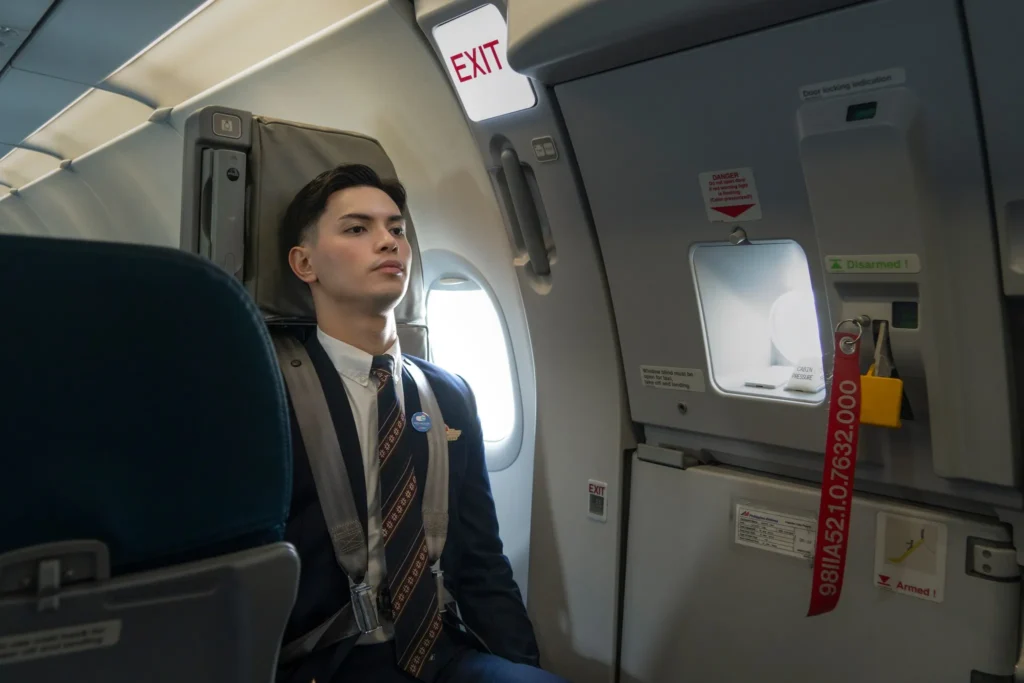
Cabin Crew Workplace Challenges
The discussion also sheds light on broader concerns about working conditions inside modern aircraft cabins. Some flight attendants argue that aircraft redesigns have significantly reduced dedicated workspace for crews, ViewFromTheWing reported.
American Airlines has frequently been cited in debates over cabin layouts because newer configurations have introduced additional passenger seats and modified galley areas.
In some aircraft, lavatories have been relocated into spaces that were previously used by flight attendants for work and rest.
Crew members say these changes leave fewer places to step away from crowded aisles. As a result, some feel increasingly pressured by constant passenger interactions during flights.
Aviation analysts note that cabin crews must balance customer service responsibilities with safety duties. Managing both tasks effectively becomes more challenging when workspace limitations and high passenger volumes create additional operational pressures.
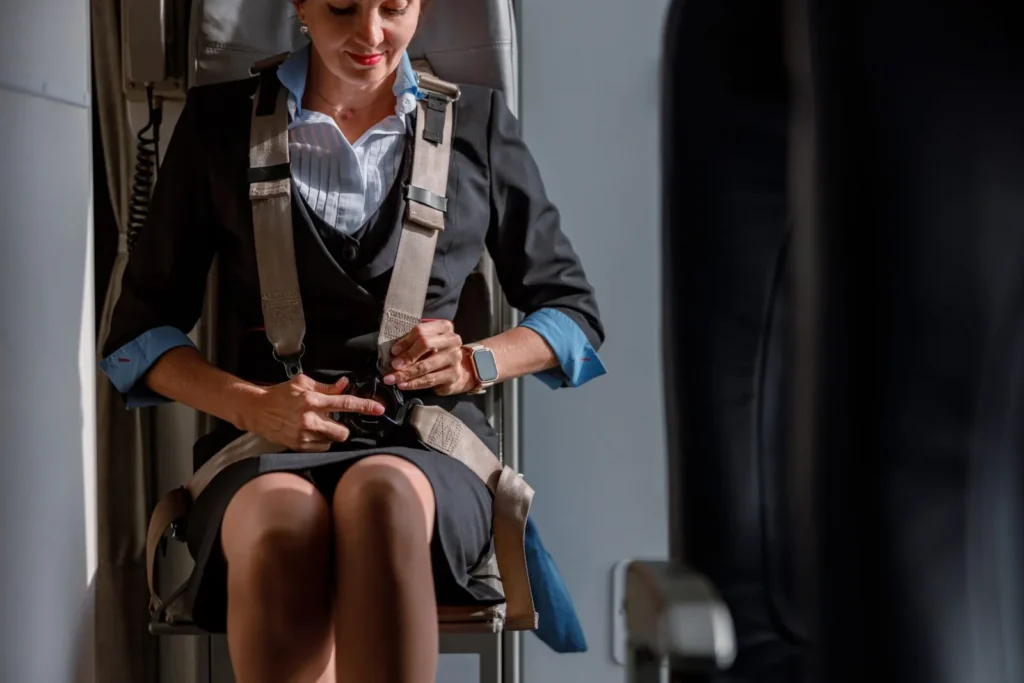
Customer Service Standards Debate
The online discussion has reignited a longstanding debate within the airline industry regarding the role of flight attendants. While safety remains their primary responsibility, passengers also expect a high level of customer service throughout their journey.
Critics argue that using the seat belt sign to discourage passenger movement could create confusion about its intended safety purpose. Others contend that crew members need practical ways to manage disruptive behavior without escalating conflicts inside the cabin.
The conversation also raises questions about airline training programs, performance expectations, and workplace culture.
Industry observers suggest that airlines that invest in customer service training and employee support often see stronger passenger satisfaction results.
Many aviation professionals emphasize that the vast majority of flight attendants remain highly dedicated to both safety and customer care.
However, the forum comments have provided a rare glimpse into some of the challenges crews face while working in increasingly crowded aircraft cabins.
As airlines continue to focus on efficiency and cabin optimization, the debate over passenger expectations and crew working conditions is likely to remain a key topic across the aviation industry.
Stay tuned with us. Further, follow us on social media for the latest updates.
Join us on Telegram Group for the Latest Aviation Updates. Subsequently, follow us on Google News
