

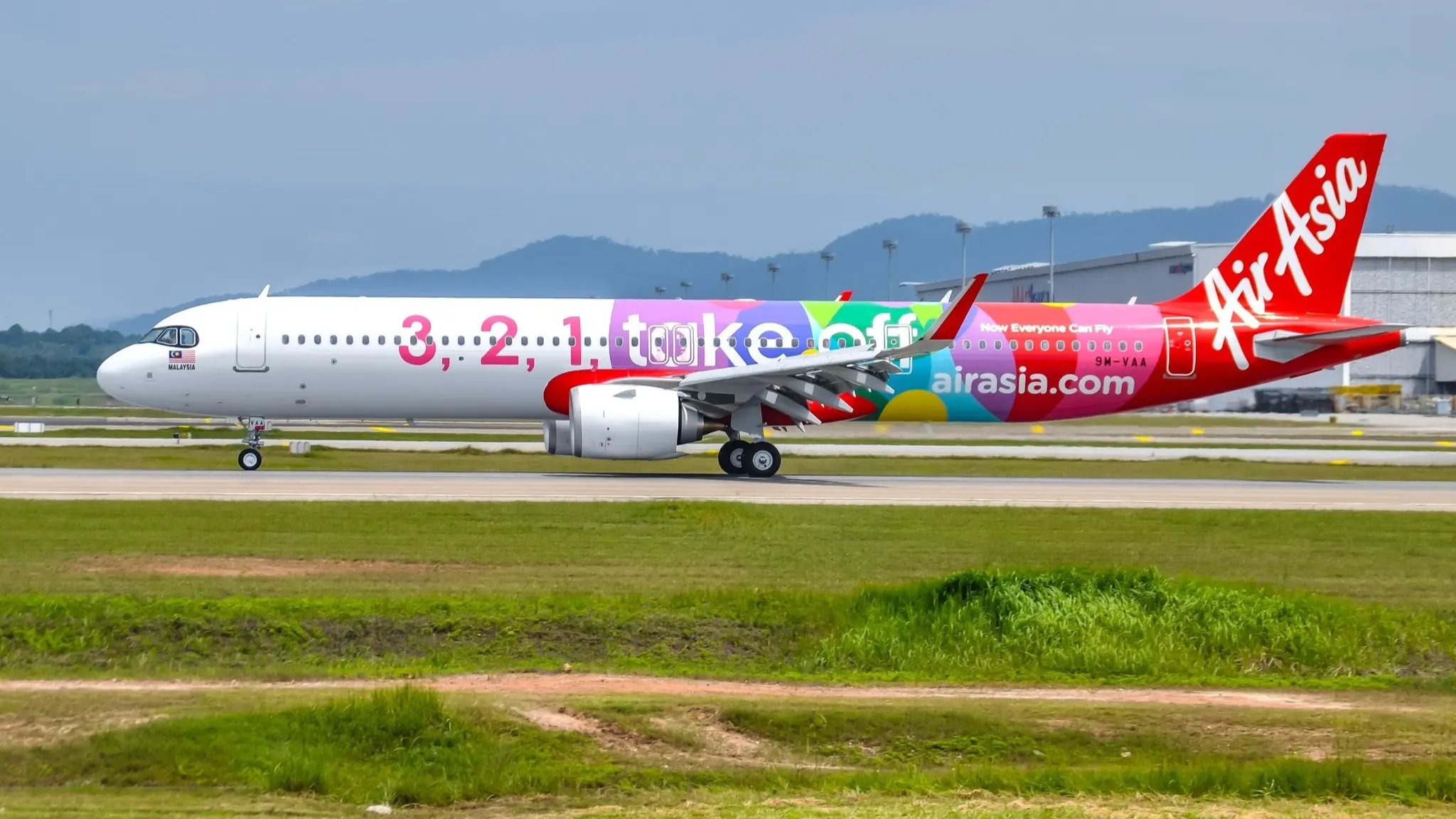
KUALA LUMPUR- AirAsia (AK) has officially taken delivery of its first Airbus A321LR, marking a major milestone in the carrier’s long-term fleet modernization strategy.
The aircraft, registered 9M-XVC, joined the airline on April 30 and represents the first of at least 62 A321LRs ordered by the Malaysia-based low-cost group.
The delivery comes as AirAsia Group accelerates its transition toward an all-narrowbody network strategy. The airline believes the long-range narrowbody aircraft will support regional expansion while lowering dependence on widebody operations across medium-haul markets.
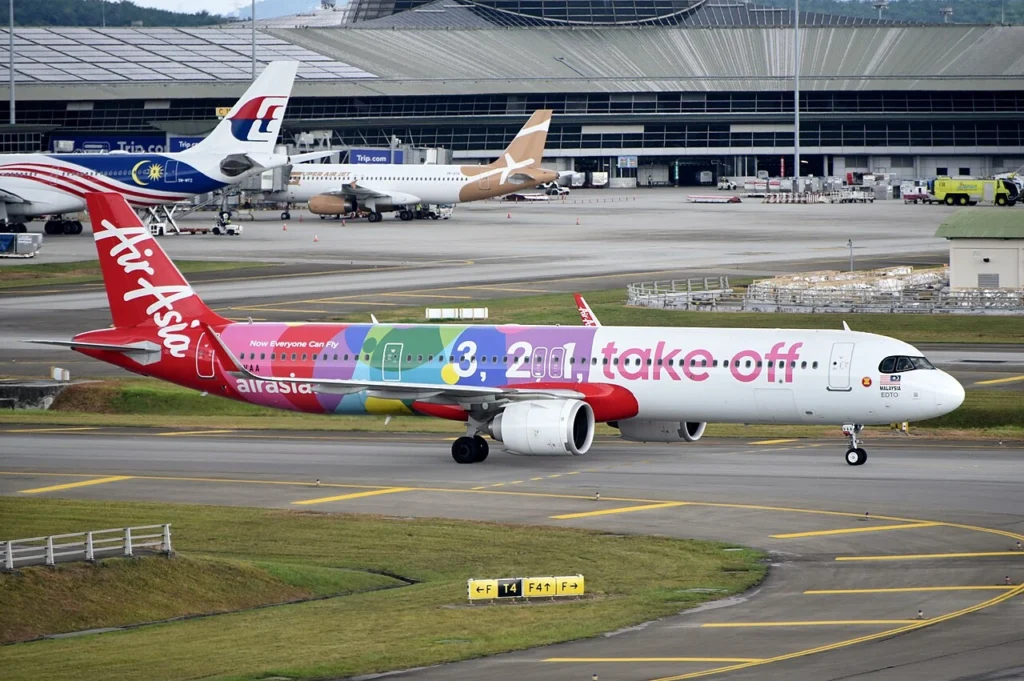
AirAsia Takes Delivery of First A321LR
The Airbus A321LR introduces extended operational flexibility for AirAsia, offering a range of up to seven hours while maintaining lower operating costs than larger twin-aisle aircraft.
Although the airline has not disclosed the first planned routes for the aircraft, it confirmed that the type will help reduce widebody aircraft requirements within the group.
AirAsia’s broader fleet roadmap now centers on high-capacity narrowbody operations. Alongside the A321LR program, the airline group also has Airbus A321XLR aircraft on order and recently finalized a landmark deal for 150 Airbus A220 jets.
The group operates airlines in Malaysia, Thailand, Indonesia, Cambodia, and the Philippines. By standardizing around modern narrowbody aircraft, AirAsia aims to improve fleet efficiency, reduce maintenance complexity, and optimize fuel consumption across its network.
A second A321LR is expected to join the fleet in June 2026, further strengthening the carrier’s medium-haul capabilities.
Fleet Reduction Plans
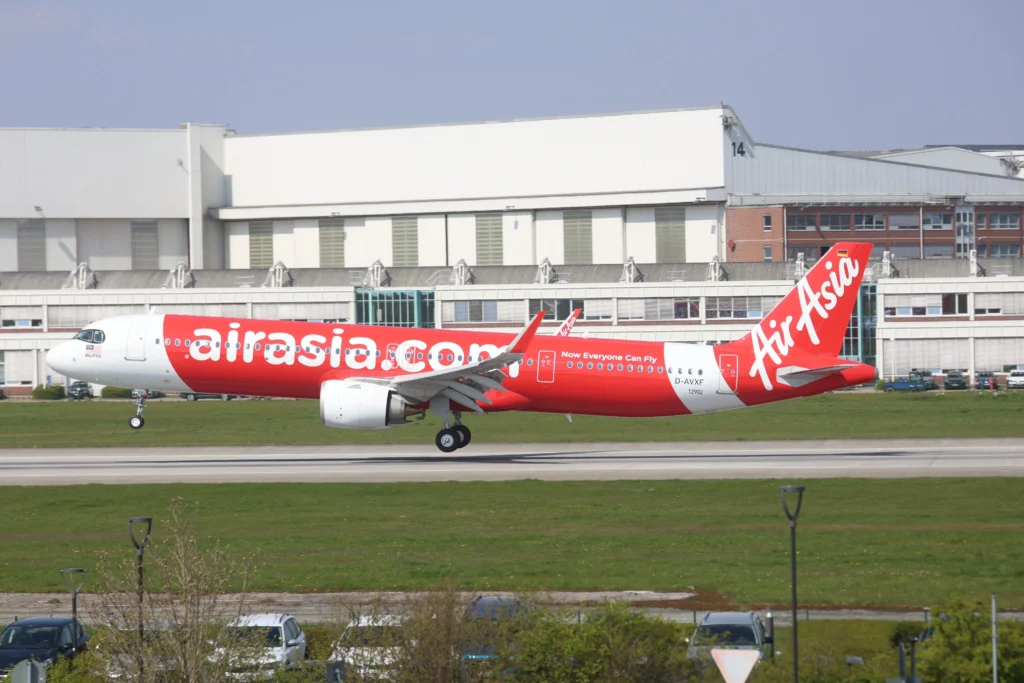
Despite adding new aircraft, AirAsia is also preparing to reduce its overall fleet size during 2026 as part of what it describes as “proactive fleet management.”
According to the airline group’s latest fleet plan, AirAsia operated 230 aircraft out of a total fleet of 239 during the first quarter of 2026. However, the fleet will shrink to 229 aircraft in the second quarter, with 226 remaining active.
The reduction comes after the airline decided to return 14 aircraft to lessors this year, six more than initially planned. The strategy focuses on retiring older jets and improving aircraft utilization across the network.
By the third quarter of 2026, AirAsia expects all currently stored aircraft to return to service, resulting in an operational fleet of 227 aircraft. The airline believes this approach will improve scheduling efficiency while keeping operational costs under control during volatile market conditions.
Fuel Price Pressure
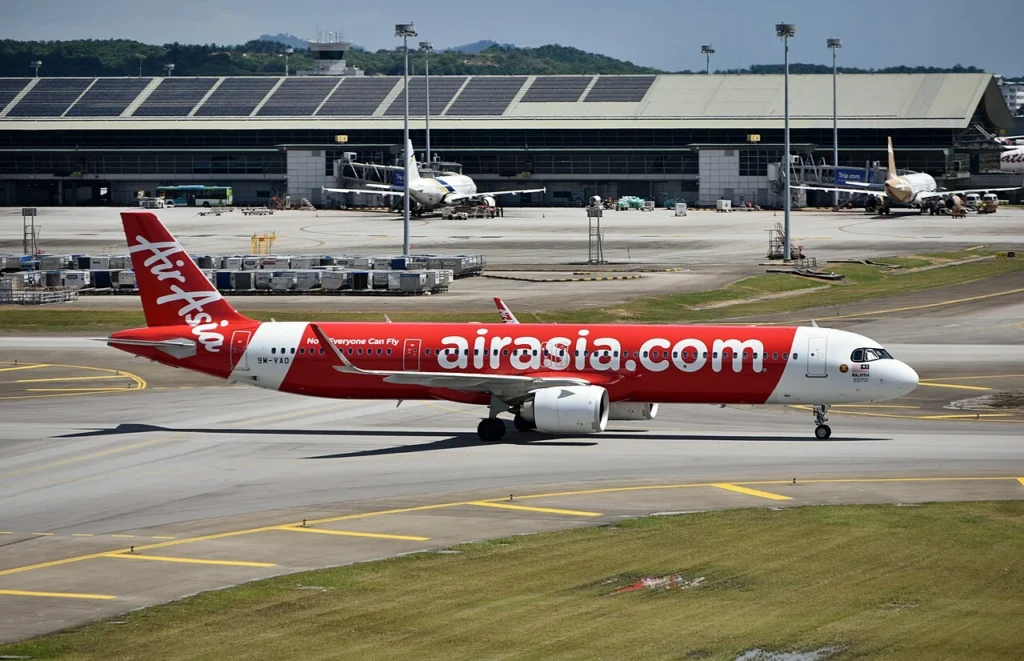
AirAsia’s latest fleet changes come amid growing pressure from rising jet fuel prices linked to ongoing instability in the Middle East. The airline confirmed that it does not maintain fuel hedging protections, making it more vulnerable to fluctuations in global oil markets.
As a result, the group reduced capacity by around 10% for the second quarter of 2026 to protect yields and operating margins.
AirAsia reported a net loss of MYR129 million ($32.4 million) for the quarter ending March 31, despite revenue rising 2% year-on-year to nearly MYR6 billion, Flight Global flagged.
Group Chief Executive Bo Lingam stated that the airline is prioritizing profitability over aggressive expansion. He added that capacity deployment will remain focused on routes capable of meeting minimum financial performance targets.
The latest financial results also mark AirAsia’s first reporting period since its restructuring under AirAsia X, following its separation from Capital A.
Stay tuned with us. Further, follow us on social media for the latest updates.
Join us on Telegram Group for the Latest Aviation Updates. Subsequently, follow us on Google News
