


In a world where travel is faster and more connected than ever, true remoteness has become rare—and incredibly valuable. For many travelers, the appeal lies not just in distance, but in the effort, isolation, and raw beauty that come with reaching these far-flung destinations.
Travel experts increasingly define “remote” not just by geography, but by experience. According to Christopher Gioitta of Parea Travel and Greg Pearson of FocusPoint International, remoteness is about limited infrastructure, challenging access, and the sense that you are far removed from everyday life. These destinations deliver exactly that—and more.
Below are nine of the most remote places on Earth that reward those willing to go the extra mile, as reported by Travel and Leisure.
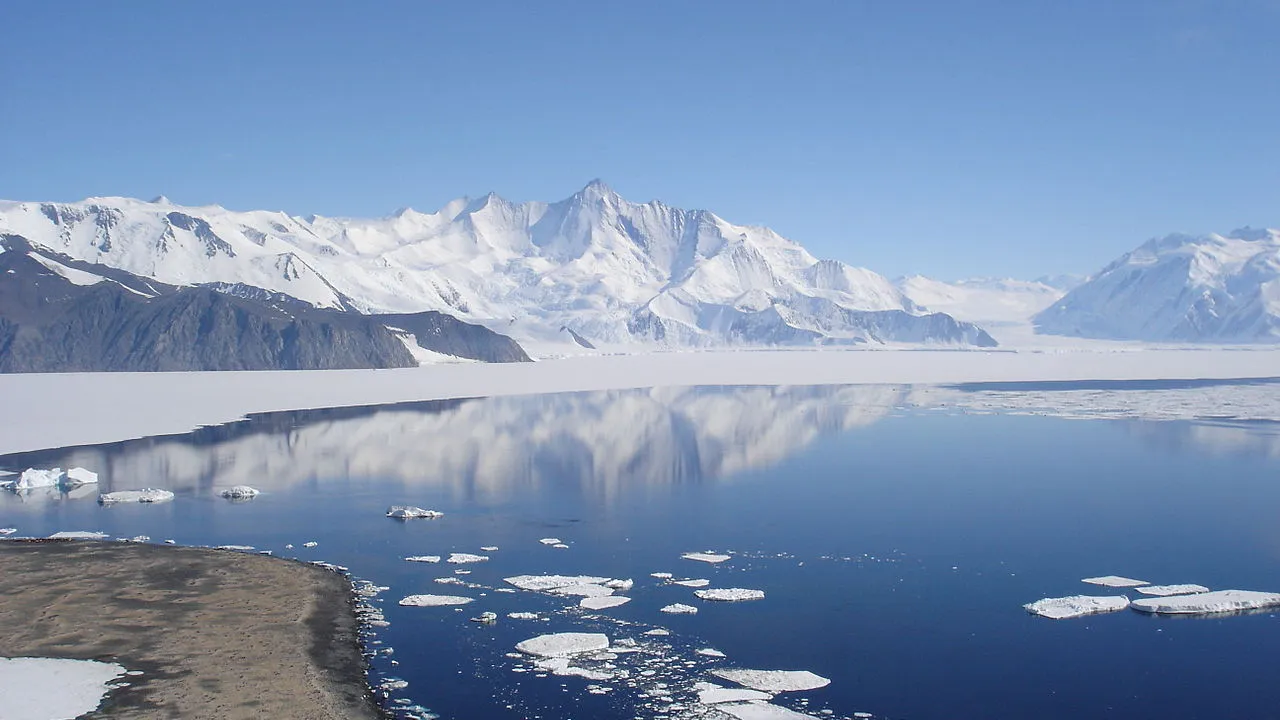
https://commons.wikimedia.org/wiki/File:Mt_Herschel,_Antarctica,_Jan_2006.jpg
1. Antarctica
No list of remote destinations is complete without Antarctica. This frozen continent has no permanent residents and remains one of the least accessible places on Earth.
Kevin Jackson of EXP Journeys notes that travelers often choose specialized routes, including charter flights from South America, to minimize the harsh Drake Passage crossing.
Meanwhile, Christopher Gioitta highlights that despite its isolation, over 120,000 visitors traveled here between 2023 and 2024, according to IAATO data.
Visitors can expect towering blue icebergs, vast penguin colonies, and untouched wilderness that feels almost otherworldly.
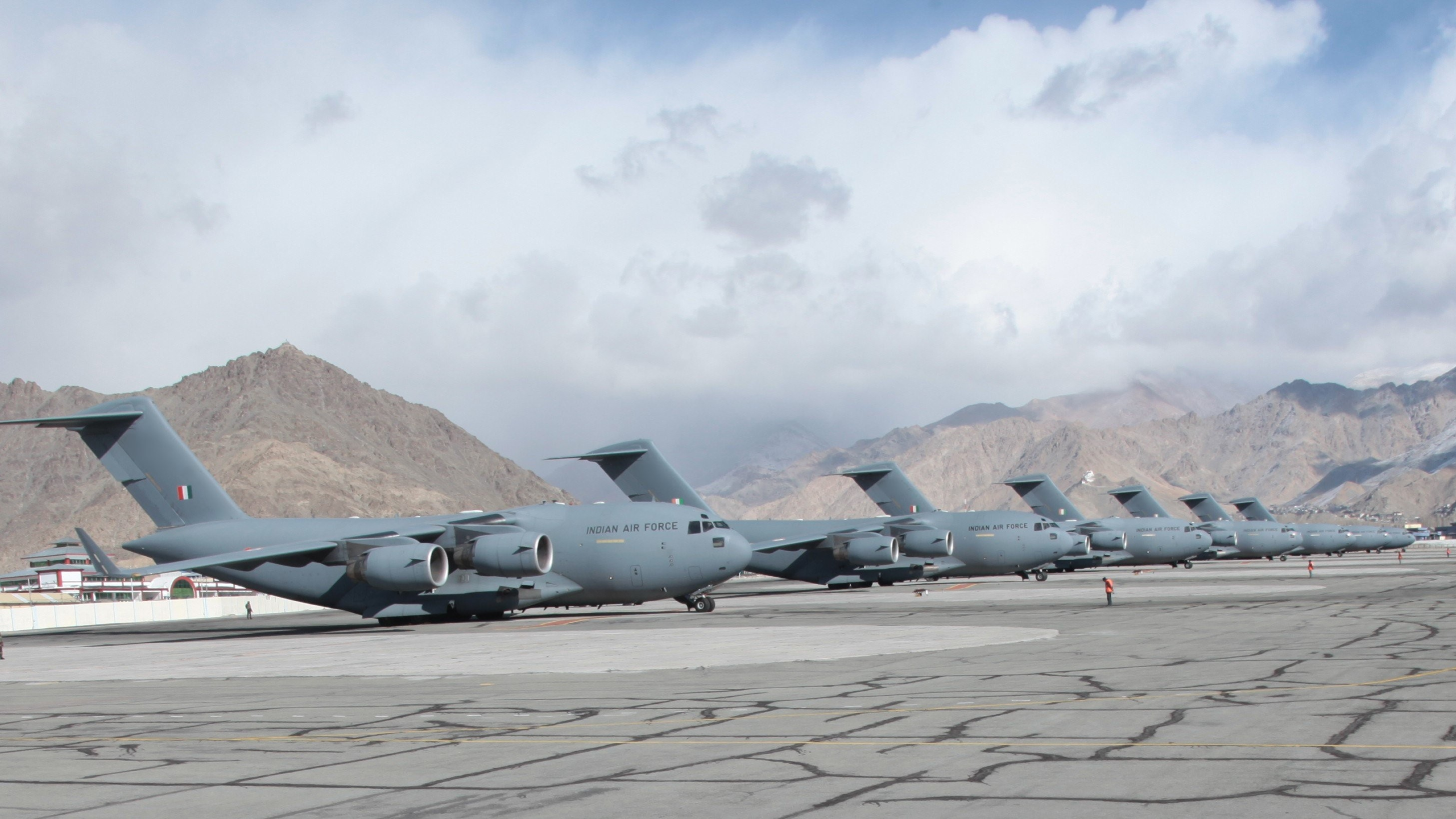
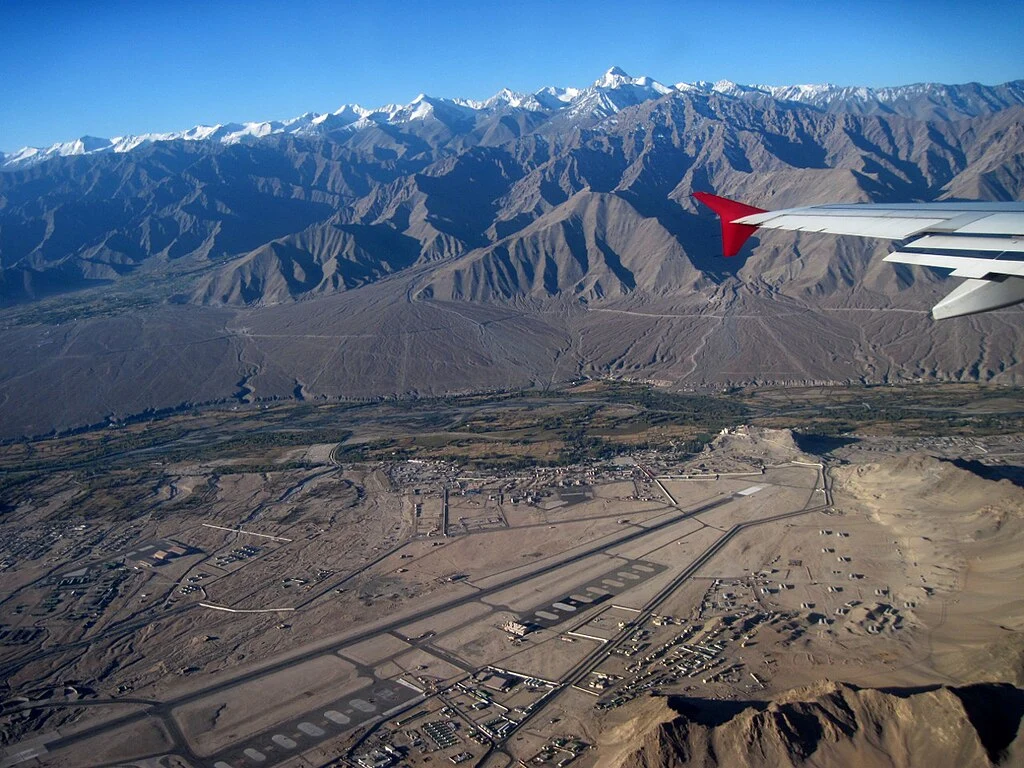
2. Ladakh, India
High in the Himalayas, Ladakh offers a dramatic mix of rugged mountains, ancient monasteries, and high-altitude deserts.
Greg Pearson describes it as a place where altitude defines the entire experience, with many areas exceeding 11,000 feet. He emphasizes that acclimatization and preparation are essential, not optional.
Despite its remote feel, Ladakh is reachable via flights to Leh, followed by overland travel into its more isolated regions.
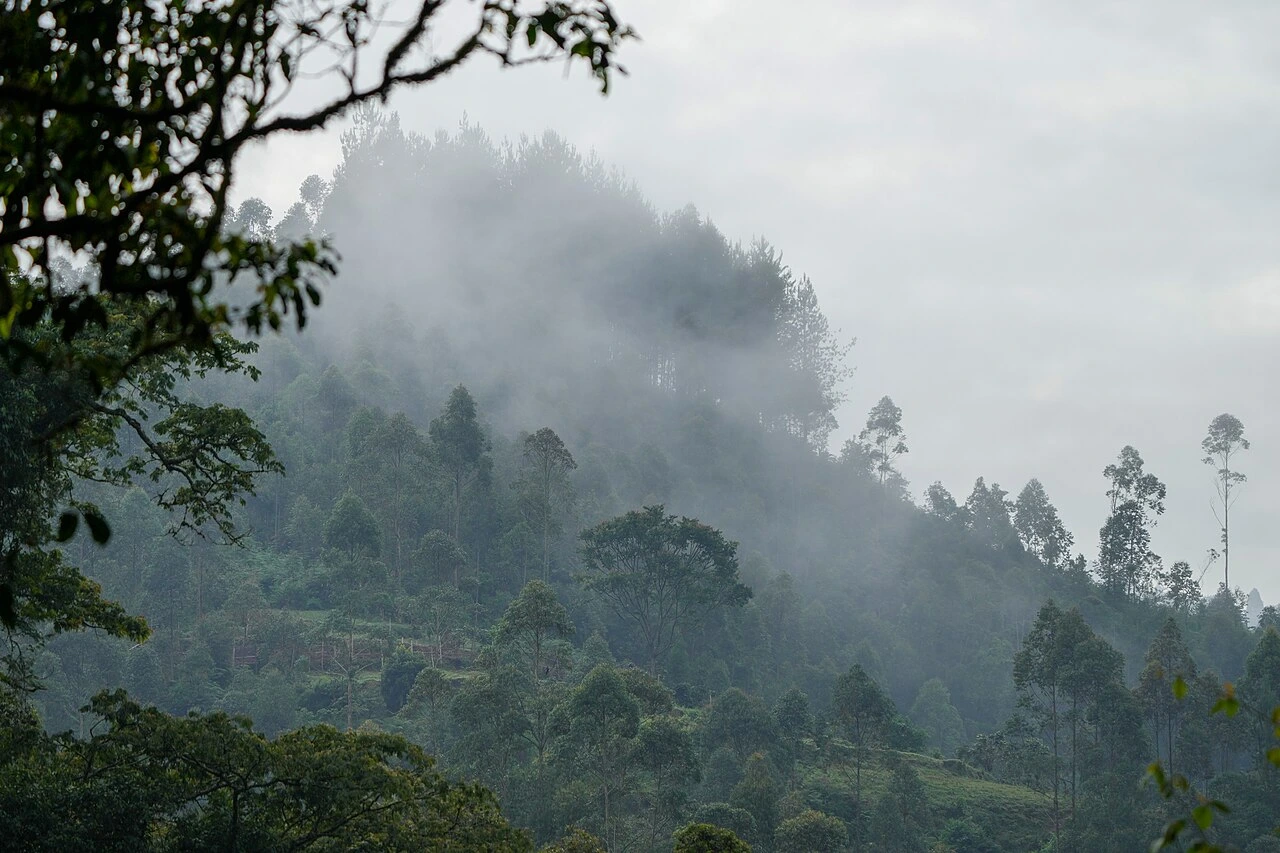
3. Bwindi Impenetrable National Park, Uganda
This dense rainforest is one of the most biologically rich ecosystems on the planet. It is also home to nearly half of the world’s mountain gorillas.
Luca Franco of Luxury Frontiers explains that while gorilla trekking is the highlight, the deeper experience lies in the perspective gained from being immersed in such a pristine environment.
Reaching Bwindi requires effort, often involving long drives or regional flights, but the reward is a rare and intimate wildlife encounter.

4. Torres del Paine National Park, Chile
Located in Patagonia, this national park is known for its striking granite peaks, glacial lakes, and unpredictable weather.
Greg Pearson points out that while the park offers established trekking routes, conditions can change rapidly, making preparation critical. Wildlife such as pumas and condors add to the experience.
It is remote, but accessible enough for determined hikers and photographers seeking some of the world’s most iconic landscapes.

https://commons.wikimedia.org/wiki/File:Parque_nacional_y_reserva_Wrangell-San_El%C3%ADas,_Alaska,_Estados_Unidos,_2017-08-24,_DD_02.jpg
5. Wrangell-St. Elias National Park, Alaska
As one of the largest national parks in the United States, Wrangell-St. Elias offers vast, untouched wilderness.
Kevin Jackson recommends accessing the area via small aircraft like bush planes, which can land in remote locations and enhance the sense of isolation.
During summer, visitors experience long daylight hours, blooming wildflowers, and a rare opportunity to explore true wilderness.
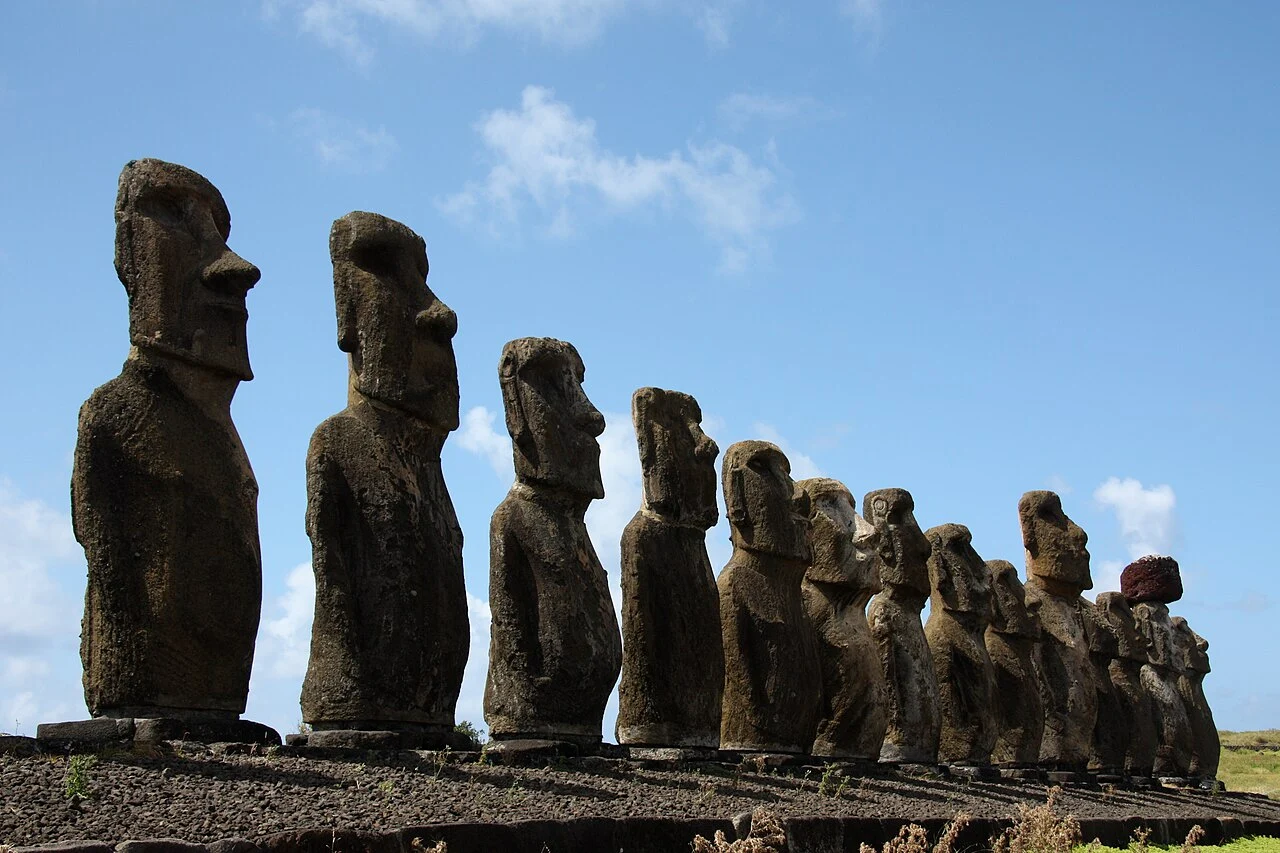
https://commons.wikimedia.org/wiki/File:Moai_on_Rapa_Nui_after_they_were_stood_back_up.jpg
6. Rapa Nui (Easter Island), Chile
Rapa Nui sits over 2,000 miles off the coast of mainland Chile, making it one of the most isolated inhabited islands in the world.
Known for its mysterious moai statues, the island combines cultural intrigue with geographic remoteness. Jackson suggests pairing the trip with visits to Santiago or the Atacama Desert due to the long travel time.
The journey may be long, but the cultural and historical significance makes it worthwhile.
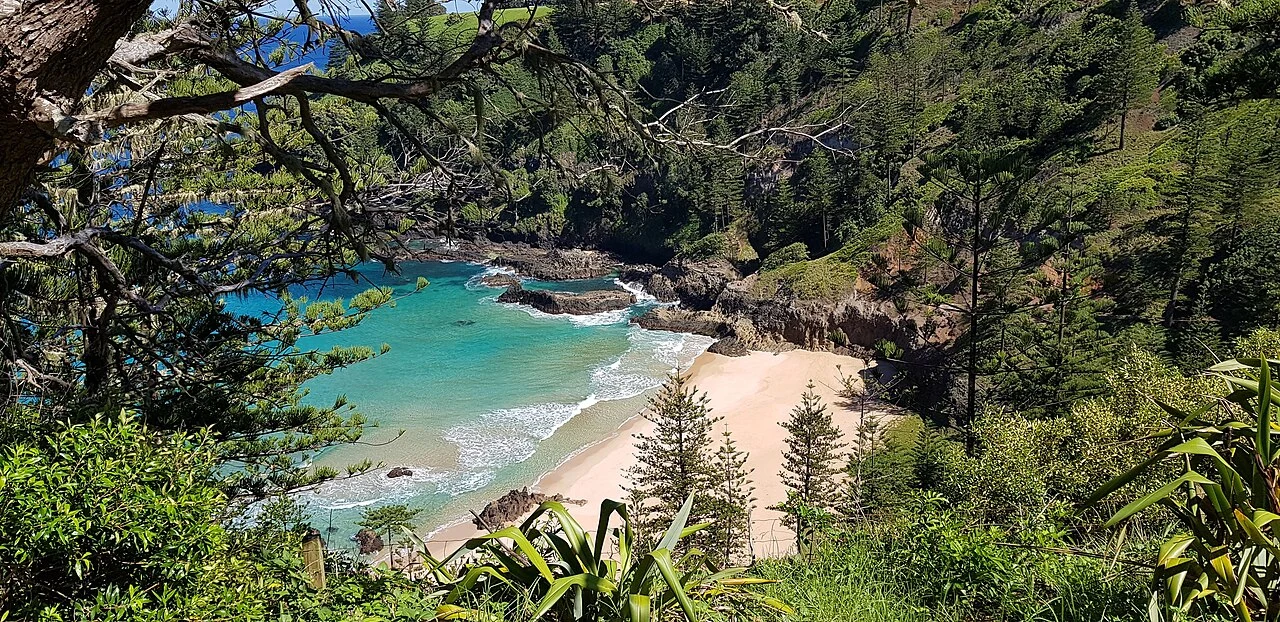
7. Norfolk Island, Australia
This small island in the South Pacific lies between Australia and New Zealand and is known for both its natural beauty and historical significance.
Christopher Gioitta explains that limited flights and rough surrounding waters make access difficult. Once there, visitors find dramatic coastlines, rare wildlife, and a slower pace of life.
The island’s past as a penal colony adds another layer of depth to the experience.
https://commons.wikimedia.org/wiki/File:Skeleton_Coast,_Namibia_(17104945508).jpg
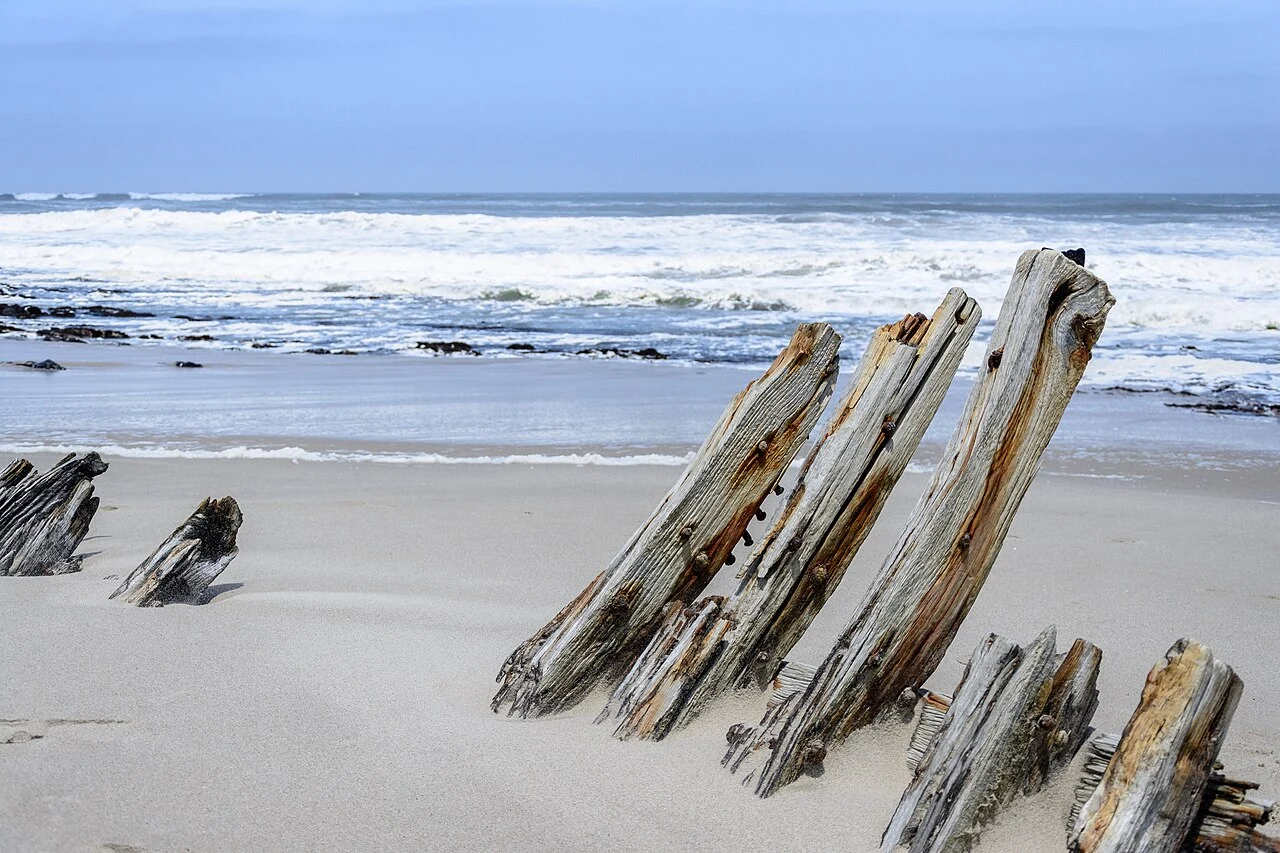
8. Skeleton Coast, Namibia
The Skeleton Coast is one of the most hauntingly beautiful places on Earth, where desert dunes meet the Atlantic Ocean.
Greg Pearson describes it as a place of extremes, with shipwrecks, fog, and vast empty landscapes. He strongly advises guided travel, as conditions can be dangerous without proper planning.
It is a destination that demands respect, but offers unmatched solitude and raw natural beauty.
https://commons.wikimedia.org/wiki/File:Mystery_Island_(30961169457).jpg
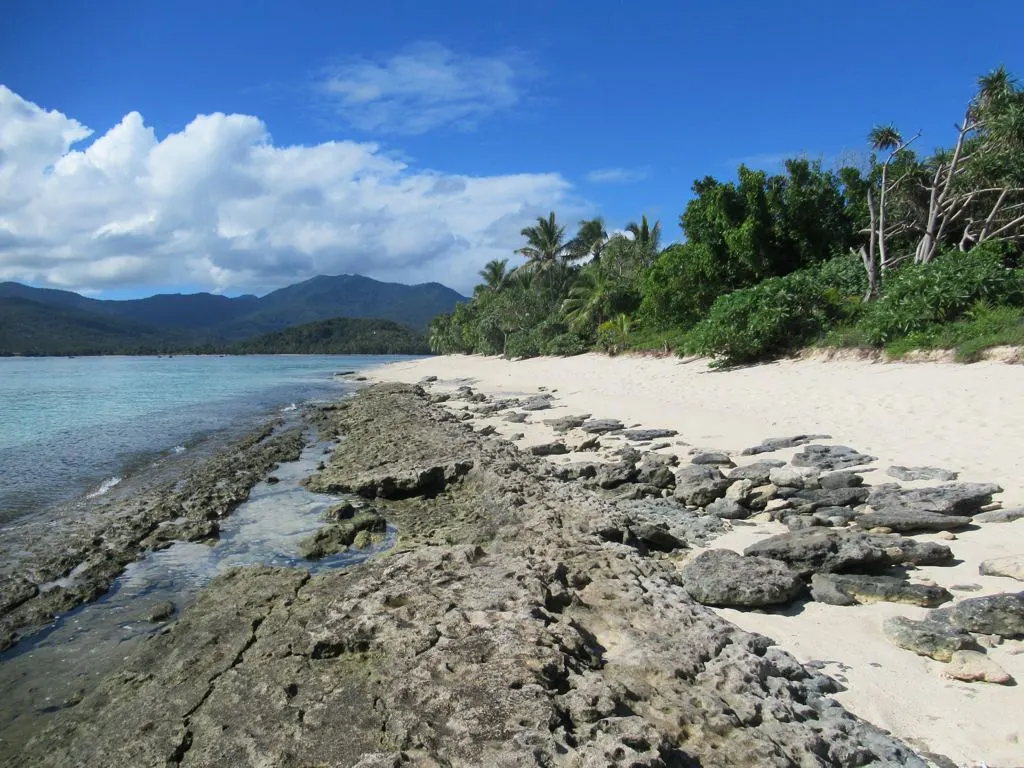
9. Mystery Island, Vanuatu
Part of the island nation of Vanuatu, Mystery Island is as remote as its name suggests. It has no permanent residents and minimal infrastructure.
Christopher Gioitta notes that most visitors arrive via cruise ships, and the island offers pristine beaches, clear waters, and a true escape from modern life.
It feels untouched and authentic, making it a rare find in today’s travel landscape.
Bottom Line
Remote travel is not just about ticking destinations off a list—it is about experiencing places that challenge, inspire, and transform.
As highlighted by experts like Christopher Gioitta, Greg Pearson, Luca Franco, and Kevin Jackson, these locations require effort, planning, and respect. However, they reward travelers with something increasingly rare: genuine disconnection and unforgettable experiences.
For those willing to go further, these nine destinations prove that the journey is just as meaningful as the destination.
Stay tuned with us. Further, follow us on social media for the latest updates.
Join us on Telegram Group for the Latest Aviation Updates. Subsequently, follow us on Google News
