


UAE— Israel is reported to have deployed its Iron Dome missile defense system in the United Arab Emirates (UAE) during the recent Iran conflict, marking a significant moment in regional security cooperation.
The development comes as the UAE faced sustained aerial attacks following the escalation that began on February 28.
The move highlights the deepening ties between Israel and the Gulf nation since normalization under the Abraham Accords in 2020.
Major aviation hubs such as Dubai International Airport (DXB) and Zayed International Airport (AUH) remained operational during the conflict, despite heightened risks to regional airspace.
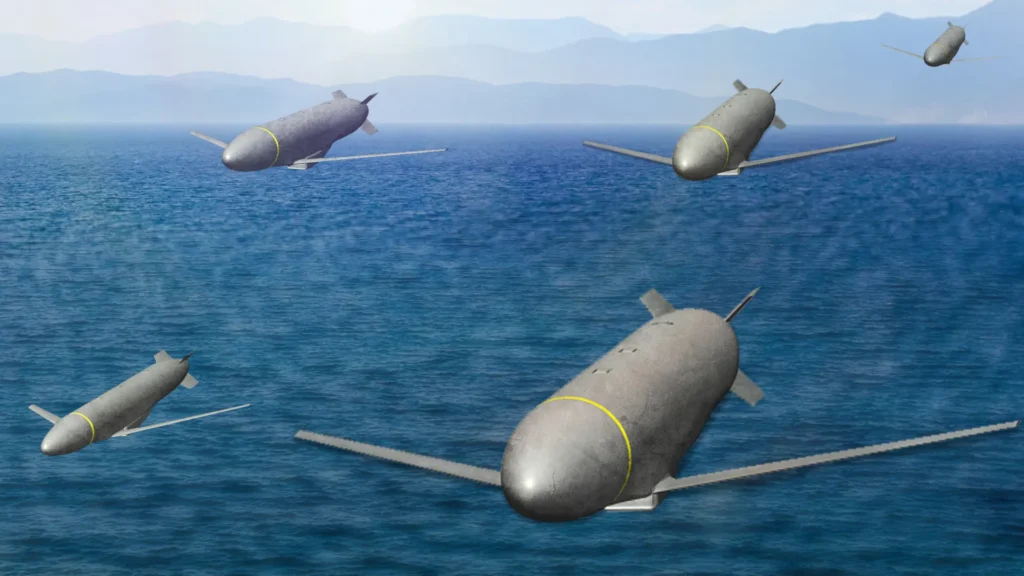
Israel Deploys Iron Dome in the UAE
Sources familiar with the matter indicate that Israeli personnel operated the Iron Dome system within the UAE, underscoring the sensitivity and scale of the cooperation.
The system is designed to intercept short-range rockets and aerial threats, and it has been widely used in Israel’s conflicts with regional militant groups.
This marks the first known instance of Iron Dome being deployed in an Arab country. The move reflects a growing alignment between the UAE and Israel on defense matters, particularly in response to shared security concerns involving Iran.
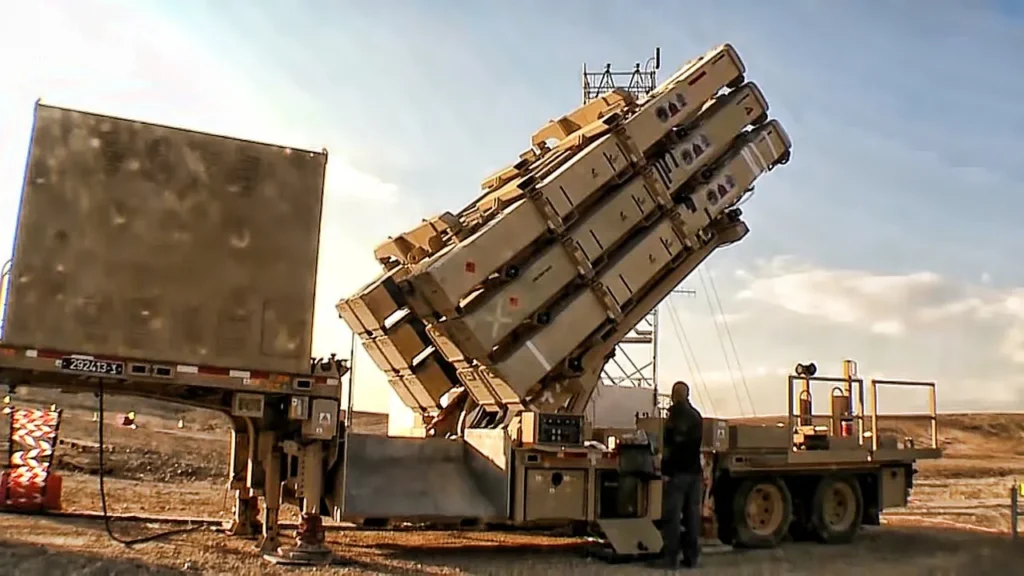
UAE Air Defense
During the conflict, the UAE’s Ministry of Defense stated that its air defense systems engaged nearly 3,000 incoming missiles and drones, the NY Times flagged.
The attacks resulted in casualties and damage to civilian infrastructure, including commercial facilities and strategic sites.
Iranian-made drones, particularly loitering munitions, posed a major challenge as some managed to evade traditional interception systems. This likely increased the need for additional defensive layers, such as Iron Dome, to enhance interception success rates.
The UAE reportedly faced more attacks than other Gulf countries, largely due to its role in hosting foreign military assets. This placed additional pressure on its defense network and emergency response systems.
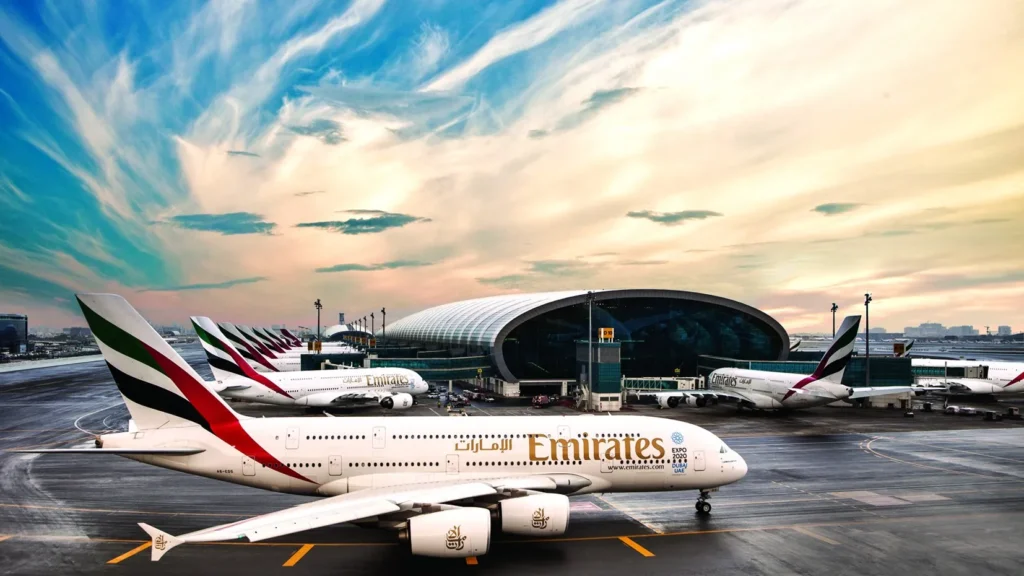
Aviation Impact
The conflict had direct implications for aviation operations across the Gulf region. Airlines were required to monitor airspace risks closely, with potential rerouting and delays affecting flight schedules.
Dubai (DXB) and Abu Dhabi (AUH) serve as major global transit hubs, handling millions of passengers annually. Any disruption in their operations can have cascading effects on international travel, especially on Europe-Asia routes.
Industry observers note that military escalation in the region often forces airlines to adjust flight paths to avoid high-risk zones. This increases fuel burn, operational costs, and flight times, impacting both carriers and passengers.
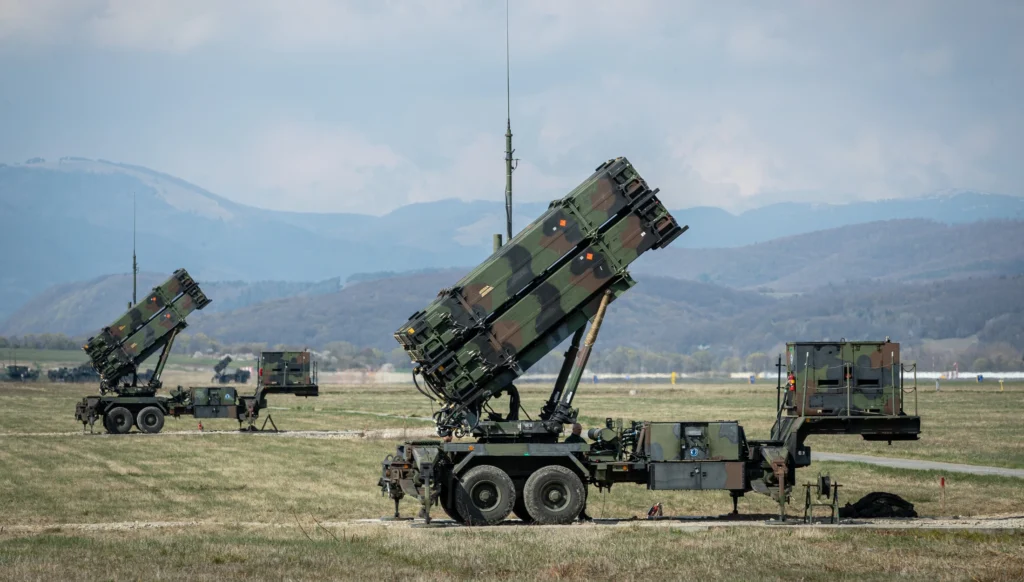
Regional Dynamics of The Middle East
The reported deployment also signals a shift in regional alliances, with the UAE pursuing a more independent security strategy. Its cooperation with Israel contrasts with the more cautious approach taken by some neighboring countries.
The UAE has maintained its ties with Israel despite broader regional criticism, particularly following conflicts involving Gaza. This reflects a pragmatic approach to national security and geopolitical positioning.
At the same time, the lack of official confirmation from both Israeli and Emirati authorities highlights the sensitivity of such cooperation. Public acknowledgment remains limited due to political considerations across the region.
Stay tuned with us. Further, follow us on social media for the latest updates.
Join us on Telegram Group for the Latest Aviation Updates. Subsequently, follow us on Google News
