

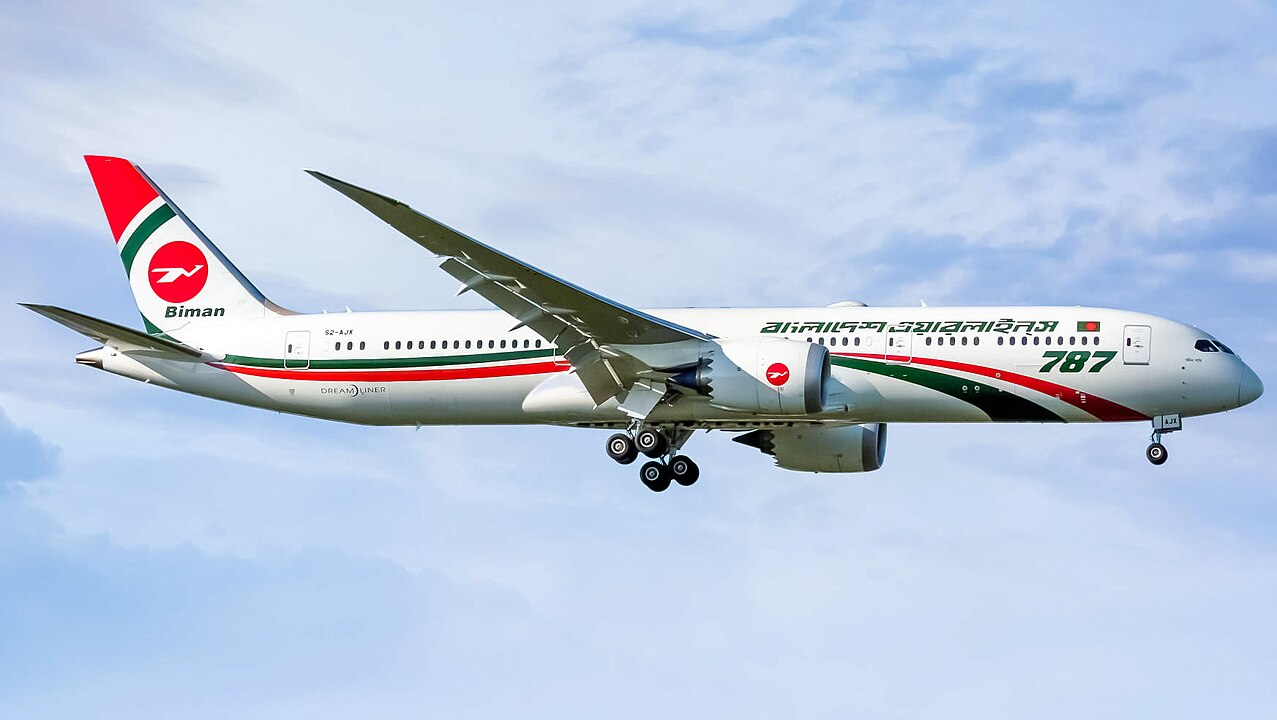
DHAKA— Bangladesh is set to formalize a major aviation deal with Boeing as part of a broader economic arrangement with the United States.
The agreement will see Biman Bangladesh Airlines (BG) commit to acquiring 14 new aircraft over the next decade, marking one of the most significant fleet expansion plans in its history.
The signing ceremony is scheduled to take place in Dhaka (DAC), where government officials and airline representatives will finalize the $3.7 billion deal.
The move is expected to reshape the airline’s long-term growth strategy while strengthening trade ties between Bangladesh and the United States.
Biman Bangladesh’s Fleet Expansion Plan
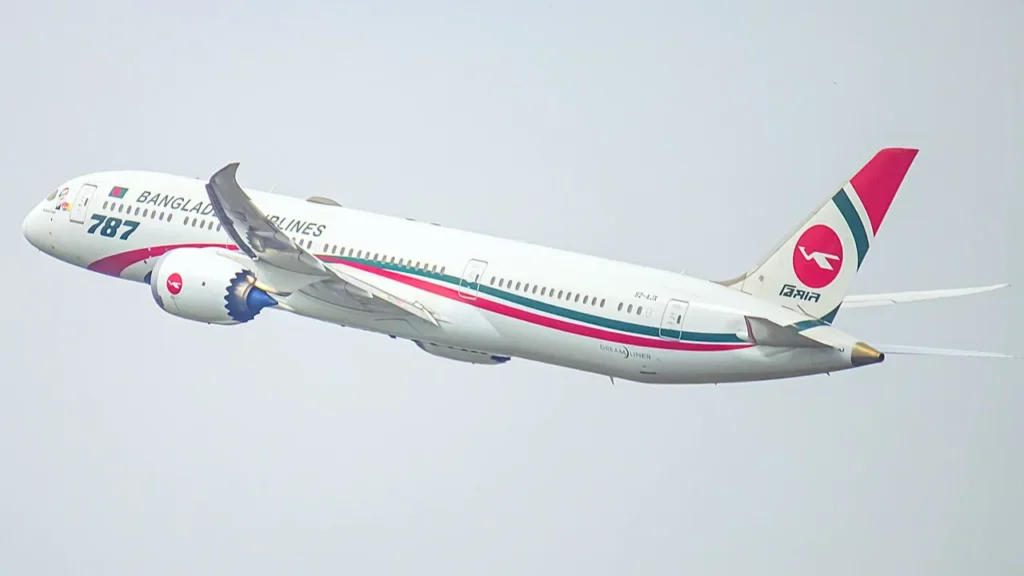
Under the agreement, Biman Bangladesh Airlines will induct a mix of widebody and narrowbody aircraft to modernize its fleet.
The order includes eight Boeing 787-10 Dreamliners, two Boeing 787-9 Dreamliners, and four Boeing 737-8 MAX jets.
This diversified fleet approach allows the airline to expand both long-haul and regional operations efficiently. The Boeing 787 variants will support intercontinental routes, while the 737 MAX aircraft will strengthen short- to medium-haul connectivity.
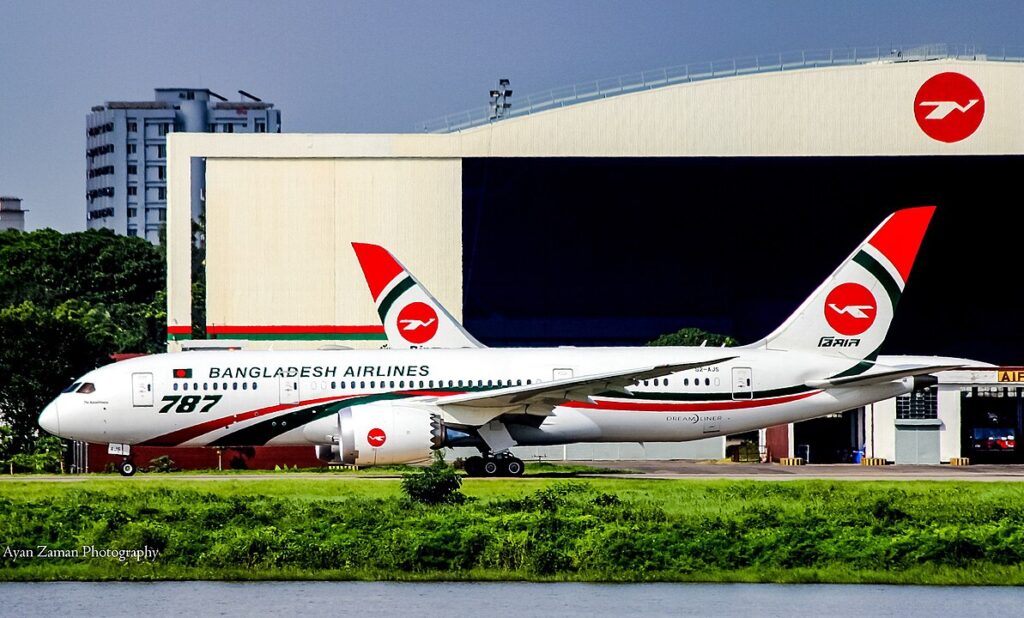
The airline currently operates a fleet of around 19 aircraft, with a majority already sourced from Boeing. This new order reinforces its reliance on the American manufacturer for future growth.
Trade Deal Impact for Biman Bangladesh
The aircraft purchase is closely linked to a broader trade agreement between Bangladesh and the United States.
The deal was initially negotiated in 2025 as part of efforts to address trade imbalances and reduce tariffs imposed on Bangladeshi exports.
The United States remains a key market for Bangladesh, accounting for nearly 20 percent of its ready-made garment exports.
In response to tariff pressures, Dhaka proposed increasing imports of American goods, including aircraft, agricultural products, and raw materials.
The original plan reportedly included the purchase of 25 aircraft, but it was later scaled down to 14 as negotiations progressed. This adjustment reflects a balance between economic priorities and aviation growth plans.
Industry Reactions
The agreement has drawn attention from global aerospace players, particularly in Europe.
Airbus had been in discussions with Bangladesh for potential aircraft sales, but the final deal favored Boeing due to its alignment with the broader trade strategy.
Industry analysts view the deal as a strategic move that combines aviation development with economic diplomacy.
The expansion is expected to enhance Biman’s operational capacity and improve its competitiveness in the regional market.
Stay tuned with us. Further, follow us on social media for the latest updates.
Join us on Telegram Group for the Latest Aviation Updates. Subsequently, follow us on Google News
