

Bird strikes remain one of the most persistent yet underestimated risks in aviation, affecting flights across major hubs like New York LaGuardia Airport (LGA). While modern aircraft are designed to withstand minor impacts, encounters with birds continue to challenge pilots operating in shared airspace.
Pilots flying for major carriers routinely deal with bird activity, especially during takeoff and landing phases. Industry insights reveal that near-misses and occasional impacts are far more common than passengers realize, even though most incidents are handled without disruption.
Risks Related to Bird Strike
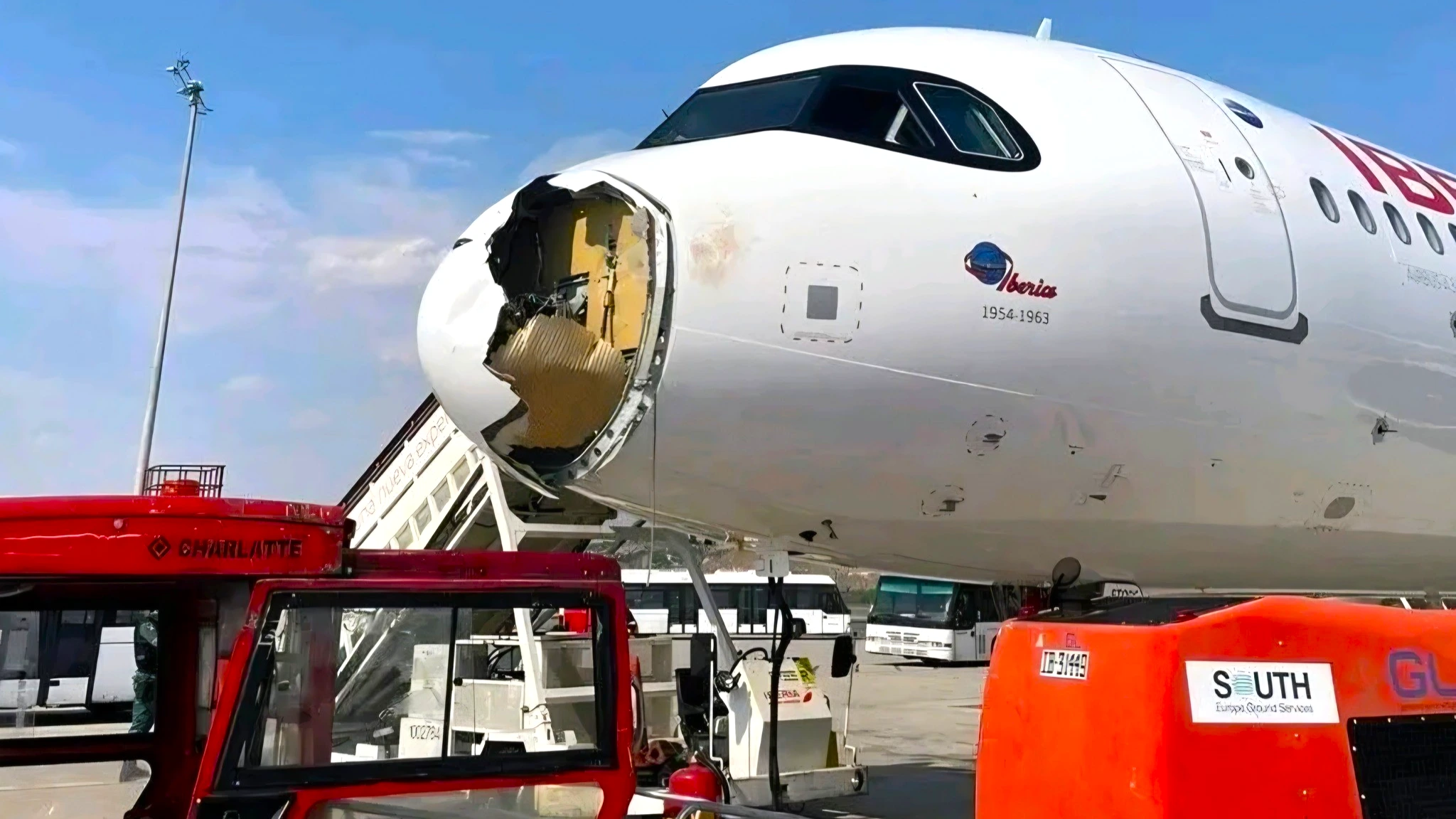
Bird strikes occur when aircraft collide with birds during flight, often at low altitudes where bird activity is highest.
Pilots report frequent close encounters, with many stating that avoiding birds entirely is not always possible.
Biggest Bird Strike Incidents in Aviation
| Date | Flight | Aircraft | Location | Outcome | Birds Involved |
|---|---|---|---|---|---|
| Jan 15, 2009 | US Airways Flight 1549 | Airbus A320 | New York, USA (Hudson River) | Both engines failed; successful water landing with no fatalities | Canada geese |
| Oct 4, 1960 | Eastern Air Lines Flight 375 | Lockheed L-188 Electra | Boston, USA (Logan Airport) | Crashed shortly after takeoff; 62 fatalities | Starlings |
| Nov 10, 2008 | Ryanair Flight 4102 | Boeing 737-800 | Rome, Italy (Ciampino Airport) | Emergency landing after landing gear and engine damage; no fatalities | Multiple bird flock |
| Sep 20, 2015 | British Airways Flight 2276 (near bird strike involvement during rejected takeoff scenario discussions in aviation safety reports) | Boeing 777-200ER | Las Vegas, USA | Engine fire during takeoff; evacuation with no fatalities | Suspected bird ingestion debated, but not primary confirmed cause |
| Feb 14, 2017 | Air India Express operations (multiple documented bird strike events across Indian airports in aviation safety reports) | Boeing 737 series | India (various airports) | Multiple flight disruptions and precautionary returns | Mixed bird species near airports |
In most cases, birds react unpredictably at the last moment. Pilots must make split-second decisions, often relying on instinct rather than maneuvering room, especially during critical flight phases.
Pilot Response to Bird Strikes
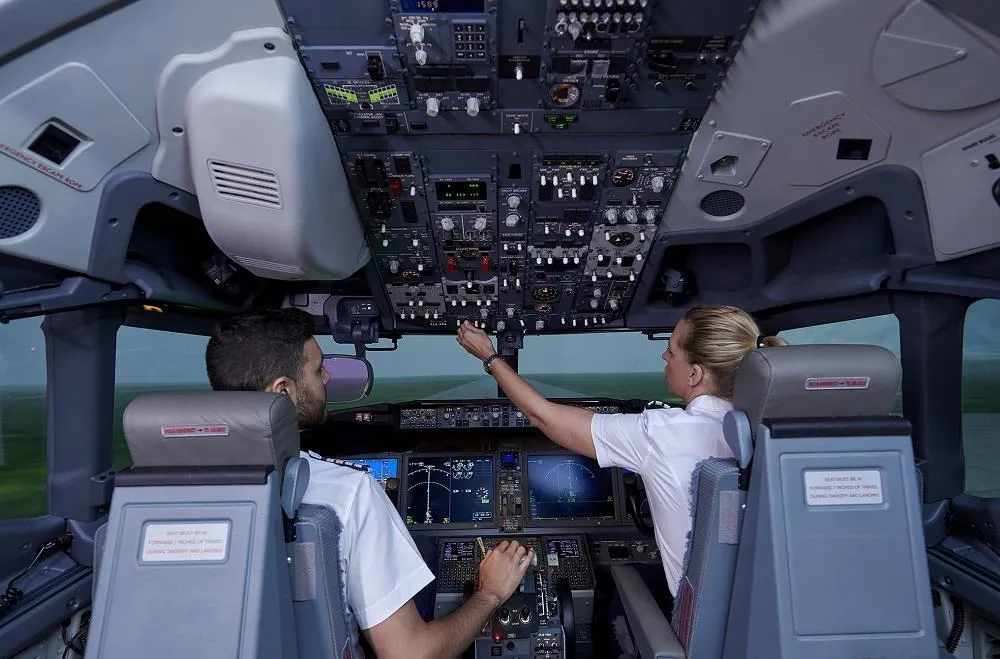
Pilots follow strict procedures when a bird approaches the aircraft. Their instinct is typically to adjust the aircraft’s path slightly, but sudden evasive action is limited due to safety protocols.
When a collision occurs, the impact can produce a noticeable thud. Despite this, passengers may remain unaware because flight crews are trained to assess and manage the situation calmly from the cockpit.
If a strike happens near an airport, pilots may choose to return immediately. In one reported case, a post-landing inspection revealed that a bird had interfered with a critical flight instrument, which could have led to unreliable airspeed readings if the flight had continued.
Safety Impact
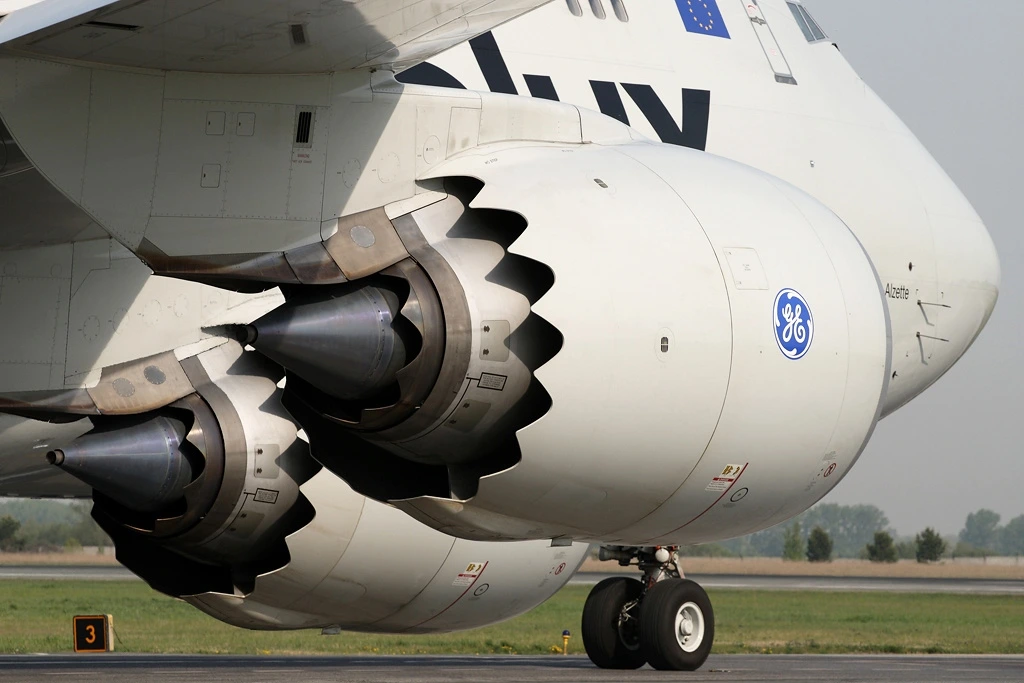
Although many bird strikes result in minimal damage, larger birds or flocks can pose serious risks. The most notable example remains the 2009 Hudson River emergency landing, where a flock of geese disabled both engines shortly after departure from New York LaGuardia Airport (LGA).
That incident demonstrated how quickly a routine flight can escalate into an emergency. However, it also highlighted the effectiveness of pilot training and emergency preparedness in ensuring passenger safety.
According to aviation and wildlife data, bird strikes cause over $900 million in damage annually in the United States alone. While these incidents account for a small percentage of overall bird mortality, their impact on aviation safety and operational costs is significant.

Bottom Line
Airlines and airports continue to invest in wildlife management programs to reduce risks. These include habitat control, radar detection systems, and coordinated efforts to minimize bird presence near runways.
Despite these measures, pilots emphasize that bird strikes are an unavoidable part of flying. Their training, experience, and adherence to safety procedures remain the most critical factors in managing such events effectively.
Stay tuned with us. Further, follow us on social media for the latest updates.
Join us on Telegram Group for the Latest Aviation Updates. Subsequently, follow us on Google News
