

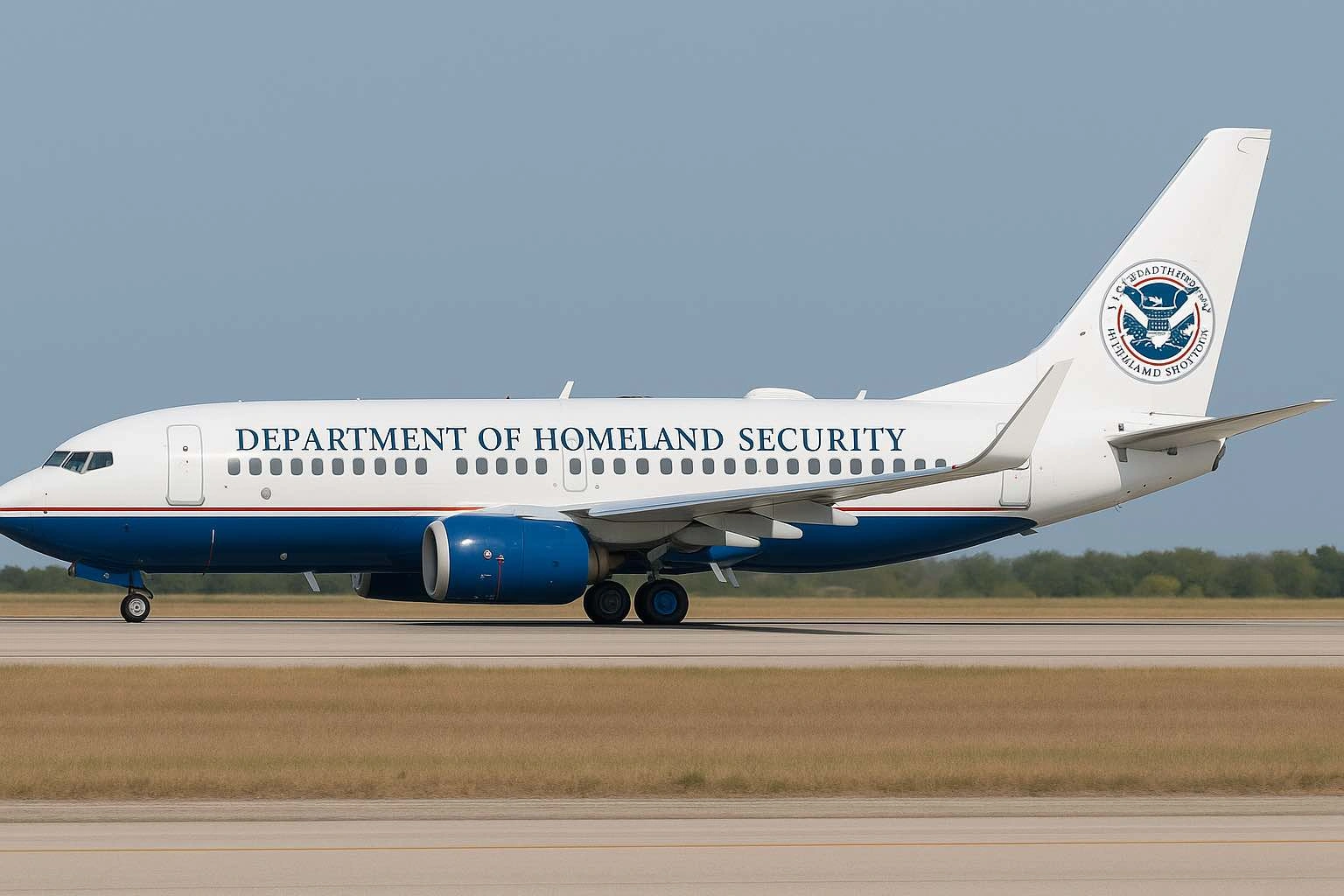
WASHINGTON— The US government is moving forward with a major aviation expansion plan as Immigration and Customs Enforcement (ICE) prepares to acquire 10 dedicated aircraft for deportation operations.
The fleet upgrade signals a shift from reliance on charter services to a more controlled and scalable air transport system.
The planned acquisitions include Boeing 737 aircraft and Gulfstream G650 jets, which will operate from key hubs such as Washington and other federal air logistics centers. Boeing and Gulfstream Aerospace aircraft will form the backbone of this new deportation-focused aviation strategy.
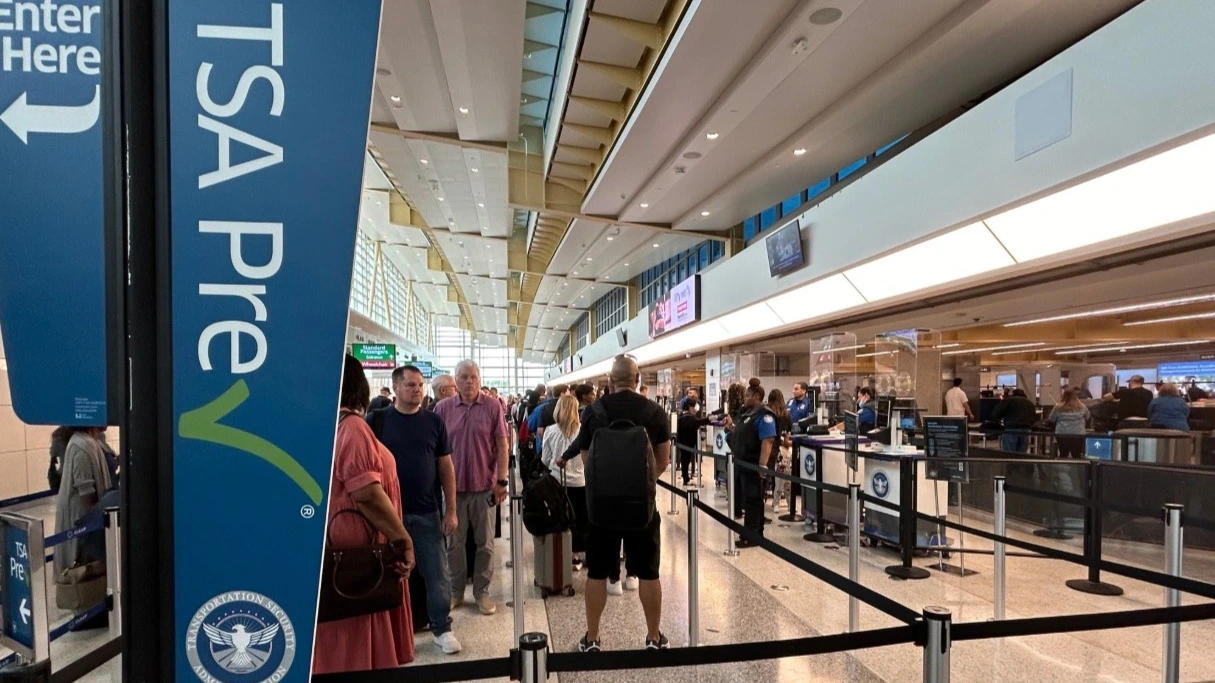
US to Spend $464.5 million on ICE Deportation
The Office of Management and Budget has allocated $464.5 million specifically for the purchase of 10 aircraft. This includes eight Boeing 737 jets, typically used for high-capacity passenger transport, and two Gulfstream G650 jets, which are configured for smaller groups.
The move marks a departure from ICE’s traditional reliance on chartered commercial flights and occasional military support. By owning aircraft, the agency aims to improve scheduling flexibility, operational control, and long-term cost management.
This funding comes from a broader $29.9 billion immigration allocation approved under a recent federal budget package. Authorities have restricted the use of the $464.5 million exclusively to aircraft procurement, ensuring the funds are not diverted to other operational needs.
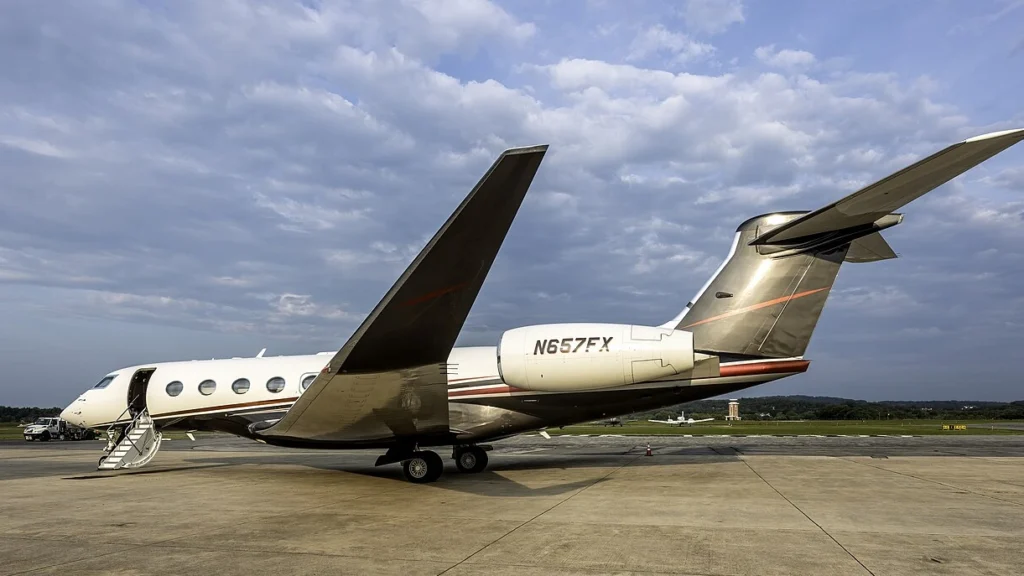
Aircraft Types Analysis
The Boeing 737 is widely used in commercial aviation due to its efficiency and ability to carry a large number of passengers. Its inclusion suggests ICE intends to conduct high-volume deportation flights regularly.
In contrast, the Gulfstream G650 is a long-range business jet designed for smaller passenger loads, typically up to 19 individuals. These jets may support specialized missions, including rapid transfers or operations requiring limited capacity.
The combination of narrow-body commercial jets and long-range private aircraft provides ICE with operational versatility. It allows the agency to adjust aircraft deployment based on mission scale, distance, and urgency.
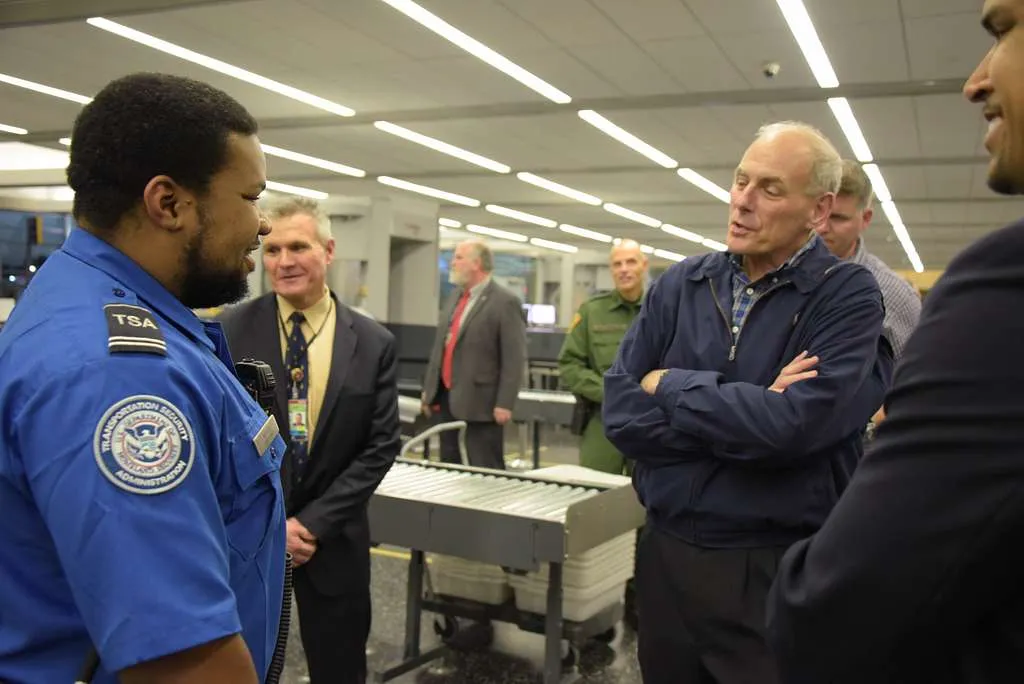
Contract Concerns
Earlier reports indicated that ICE had already entered into a $140 million agreement with a private aviation contractor for several Boeing 737 aircraft, reported notus.org. It remains unclear whether the newly allocated funds will fully or partially support that existing contract.
The procurement process has drawn scrutiny due to possible links between contractors and individuals involved in federal advisory roles. Lawmakers have initiated reviews into past contracting decisions connected to immigration enforcement operations.
Additionally, some contractors tied to aviation services have received significant federal funding through separate agreements. This has prompted further examination of procurement transparency and oversight in aviation-related government spending.
The expansion of ICE’s aviation fleet reflects a broader effort to streamline deportation logistics. However, it also raises operational and policy questions regarding cost efficiency, accountability, and long-term aviation strategy.
Stay tuned with us. Further, follow us on social media for the latest updates.
Join us on Telegram Group for the Latest Aviation Updates. Subsequently, follow us on Google News
