


TOULOUSE- India’s regional aviation sector is drawing serious attention from Airbus, which is now exploring the possibility of setting up a Final Assembly Line (FAL) for its ATR regional turboprop aircraft in the country. The move comes as the Indian government ramps up its push to connect smaller cities through improved air infrastructure.
ATR, jointly owned by Airbus and Italy’s Leonardo, already has a notable presence in India, with IndiGo (6E) operating 50 ATR turboprops and Goa-based regional carrier FLY91 (IC) flying a fleet of six, expected to double in 2025.
India’s aviation ministry has cleared a revised Regional Connectivity Scheme (RCS) worth Rs 28,840 crore over 10 years, targeting 100 airstrips to be upgraded into functional airports, the Times of India reported.
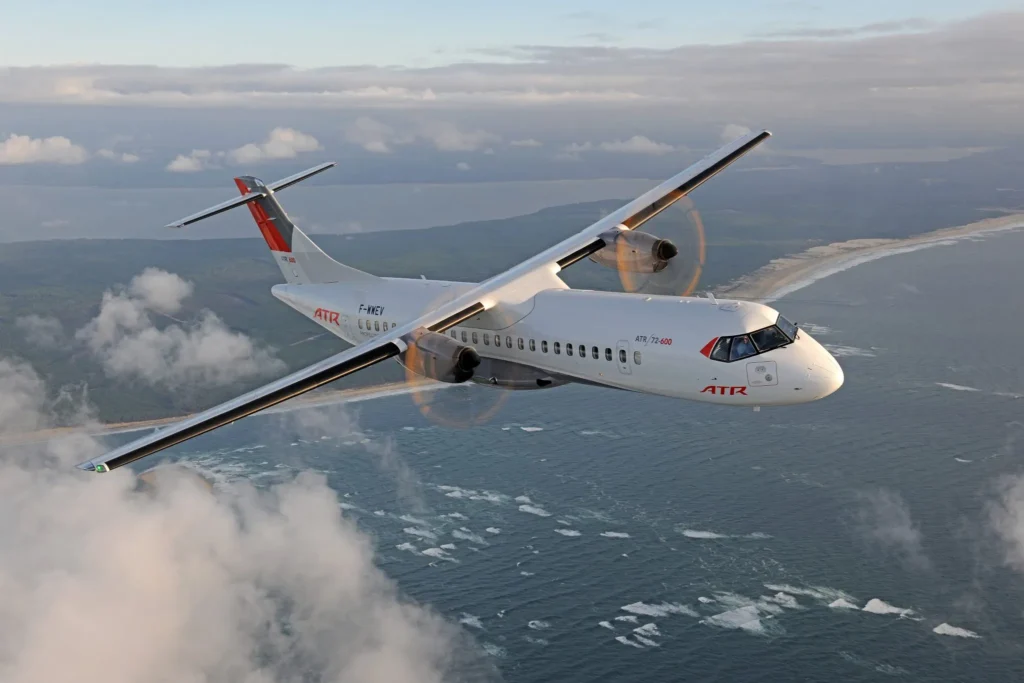
Airbus Eyes ATR Final Assembly Line in India
Airbus is actively examining a business case for establishing an ATR FAL in India, according to sources familiar with the discussions. The company is currently in talks with key stakeholders and could make a formal announcement in the coming days, contingent on whether the financials add up.
Airbus India and South Asia President and Managing Director Juergen Westermeier recently met Union Aviation Minister Ram Mohan Naidu to discuss the proposed FAL and how it could be realised within India’s manufacturing ecosystem.
The minister confirmed the meeting on social media, stating that discussions centered on strengthening local manufacturing and enhancing component sourcing from India, in line with Prime Minister Modi’s Make in India initiative.
Notably, Airbus has a precedent for making unconditional commitments in India. The company set up its H125 commercial helicopter FAL in Karnataka without a prior domestic order for the aircraft. Sources indicate the ATR FAL announcement, if made, would follow the same unconditional approach and not be tied to receiving orders from Indian carriers.
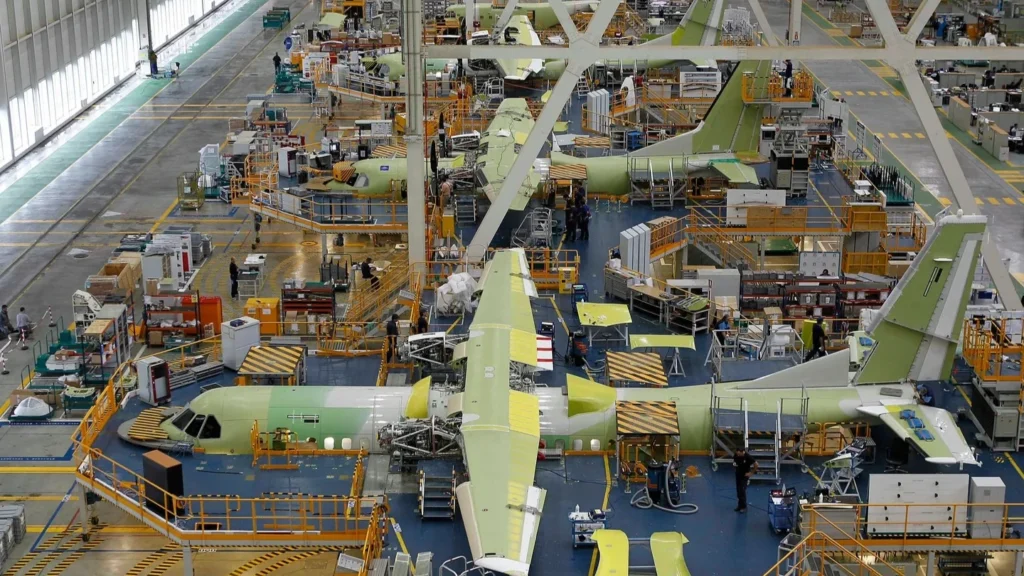
Existing Airbus Manufacturing Presence in India
Airbus already operates two FALs in India through its partnership with Tata Advanced Systems Limited (TASL).
The first is in Vadodara, Gujarat (BDQ), producing the C295 military transport aircraft, a 70-seater platform similar in size to the 78-seat ATR. The second FAL, in Karnataka, assembles the H125 commercial helicopter.
Beyond these, Airbus has an established supply chain in India. Bengaluru-based Dynamatic Technologies manufactures doors for the A220 family aircraft, while TASL produces bulk and cargo doors for the A320 family.
This existing manufacturing base makes India a practical location for expanding ATR component production and, eventually, full assembly.
Two Key Challenges Airbus Is Working to Resolve
Sources say Airbus is focused on two critical cost-related issues before committing to the ATR FAL.
The first is airline operating costs. Jet fuel prices, airport charges, and air navigation fees make operating regional routes in India significantly more expensive than in other markets.
RCS viability gap funding has been a financial buffer for operators since the scheme launched in 2016, but that support will not last indefinitely. Airlines will eventually need a sustainable cost structure to keep regional routes commercially viable without government subsidies.
The second factor is aircraft acquisition cost. To address this, Airbus is looking at increasing the indigenisation of ATR components manufactured in India. Greater local production would reduce the landed cost of the aircraft for Indian operators, making the business case for fleet expansion more attractive.
Additionally, pilot training costs for regional aircraft types such as ATR and Embraer jets remain higher in India compared to Boeing 737 (B737) or Airbus A320 (A320) type ratings. This disparity continues to be a structural barrier to the growth of regional aviation in India and requires a policy-level solution.
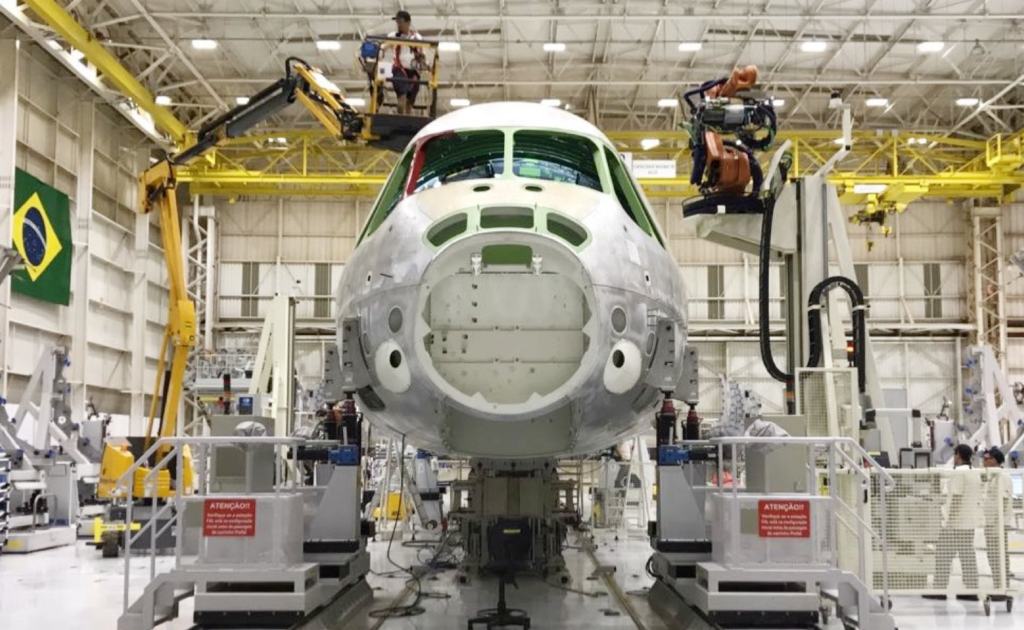
Embraer’s Competing FAL Plan Adds Pressure
Brazilian aerospace manufacturer Embraer has announced plans to set up an FAL in India with the Adani Group, provided it secures a firm order for 200 aircraft. This parallel move by a direct ATR competitor adds competitive urgency for Airbus to formalise its own manufacturing plans in the country.
The Indian government has been actively encouraging Airbus to establish an FAL in India, given the airline group’s scale.
IndiGo (6E), the world’s largest operator of the A320 family, and Air India Group together have approximately 1,300 aircraft, predominantly single-aisle jets, on order from Airbus, representing a multi-billion dollar commercial relationship.
Locally manufactured ATR or Embraer aircraft could qualify for the fiscal incentives the government is planning to offer operators, further supporting demand.
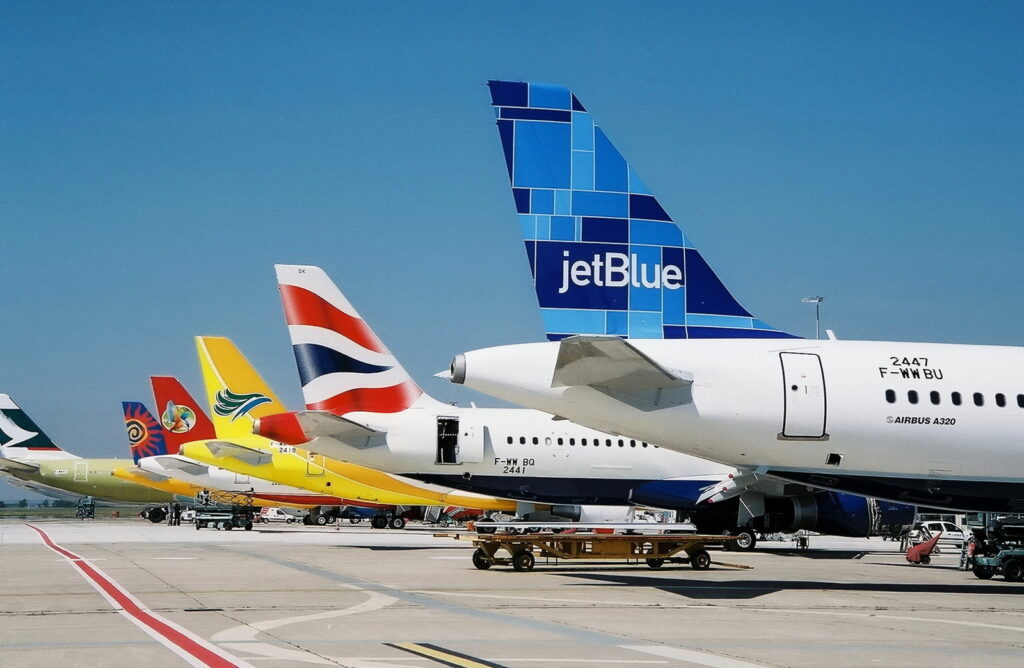
Where does Airbus Produce Aircraft in the World?
Airbus operates one of the most complex manufacturing networks in the aviation industry, spanning multiple continents and dozens of specialized facilities. The company’s global strategy allows it to optimize costs and tap into strategic incentives across key aviation markets.
Unlike its sole competitor, Boeing, which concentrates all final assembly within the United States, Airbus distributes production across Europe, North America, and Asia. This approach has helped Airbus establish a strong foothold in the world’s two largest aviation markets: the US and China.
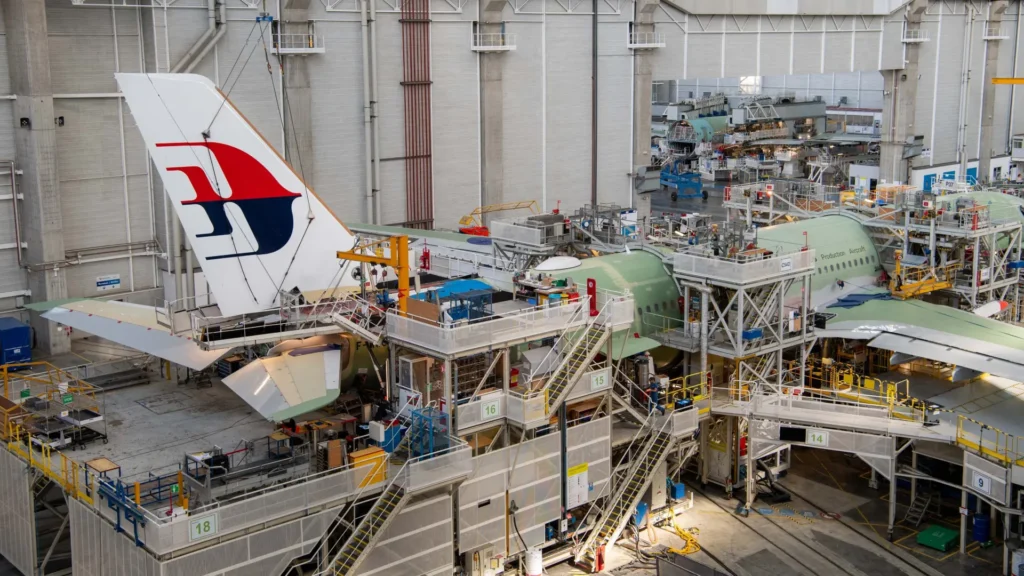
How Airbus Builds Its Aircraft Across the World
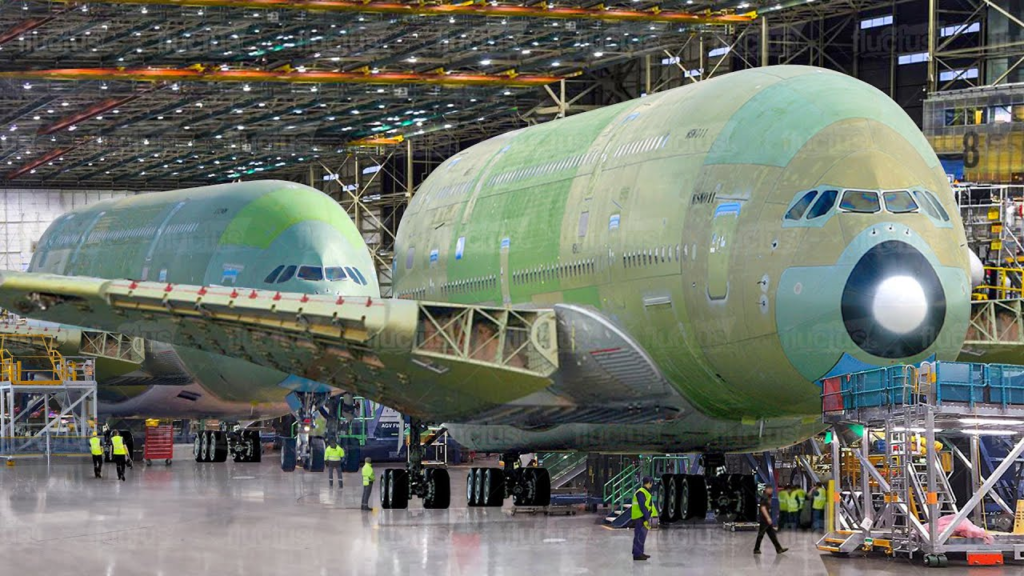
Airbus runs more than 20 manufacturing sites worldwide, each responsible for specific components that eventually come together at one of five final assembly lines. These assembly lines are located in Toulouse (France), Hamburg (Germany), Mobile (Alabama, USA), Mirabel (Canada), and Tianjin (China). While Toulouse and Hamburg serve global customers, Mobile and Tianjin primarily cater to their respective regional markets.
Component manufacturing is heavily distributed. For the A320 family, the center fuselage is produced in Hamburg, the horizontal stabilizer comes from Getafe, Spain, and the rudder is manufactured in Harbin, China. Wings for nearly all Airbus aircraft — except the A220 and Chinese-built A320s — are produced at the company’s Broughton facility in Wales, UK.
The A321XLR, one of Airbus’ latest variants, is assembled entirely in Europe. The forward fuselage and center wing box are built in France, while central and rear fuselage sections along with the vertical tail are produced in Germany. Spain handles the tail cone and horizontal tailplane, and the UK supplies the wings.
For the A350, fuselage sections are jointly built across Saint-Nazaire and Nantes in France, and Hamburg in Germany. Tailplane components come from the Spanish facilities at Puerto Real and Getafe, and final wing components are completed at Bremen and Hamburg.
Airbus acknowledges that third-party suppliers manufacture approximately 80% of each aircraft before components even enter Airbus facilities, highlighting just how supplier-dependent the production chain is.
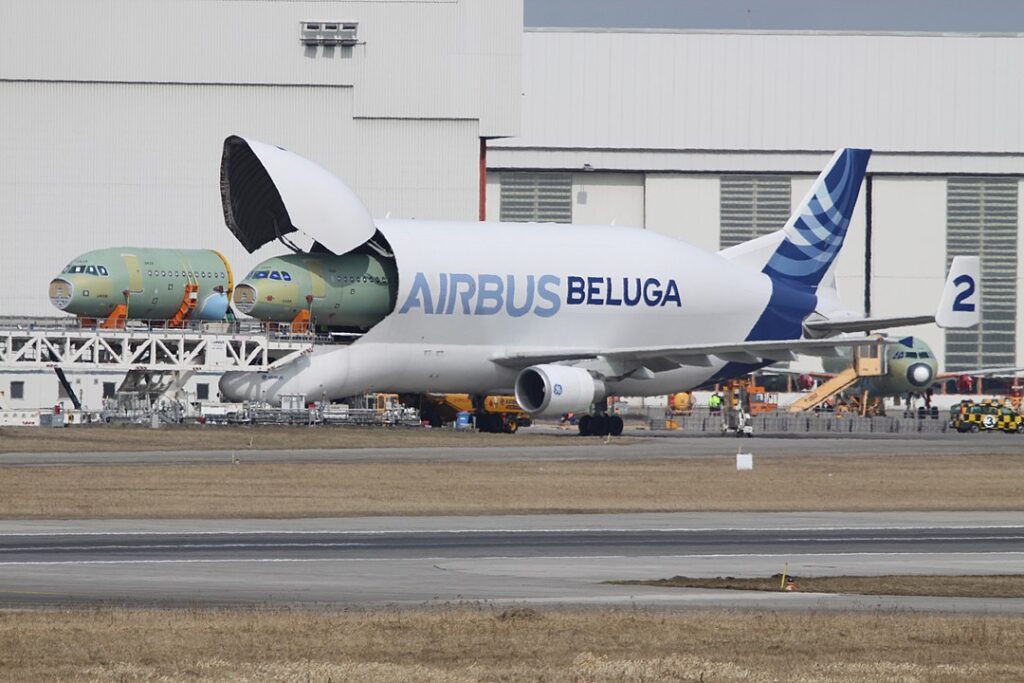
The Role of the Beluga Fleet in Component Transport
Moving large aircraft components between facilities presents a unique logistical challenge. Airbus addresses this with its fleet of oversized Beluga transport aircraft. The original Beluga entered service in 1995, built on the A300-600 airframe. As the A350 program required transporting larger wing assemblies, Airbus introduced the BelugaXL in 2020, based on the A330-200 airframe.
The BelugaXL surpasses Boeing’s equivalent Dreamlifter in cargo volume, though not in payload capacity. It operates primarily across the European Union and the UK, connecting component plants to final assembly lines. For the A380, which is no longer in production, Airbus used a combined road and barge transport system, with specially modified roads carrying fuselage sections into Toulouse for final assembly.
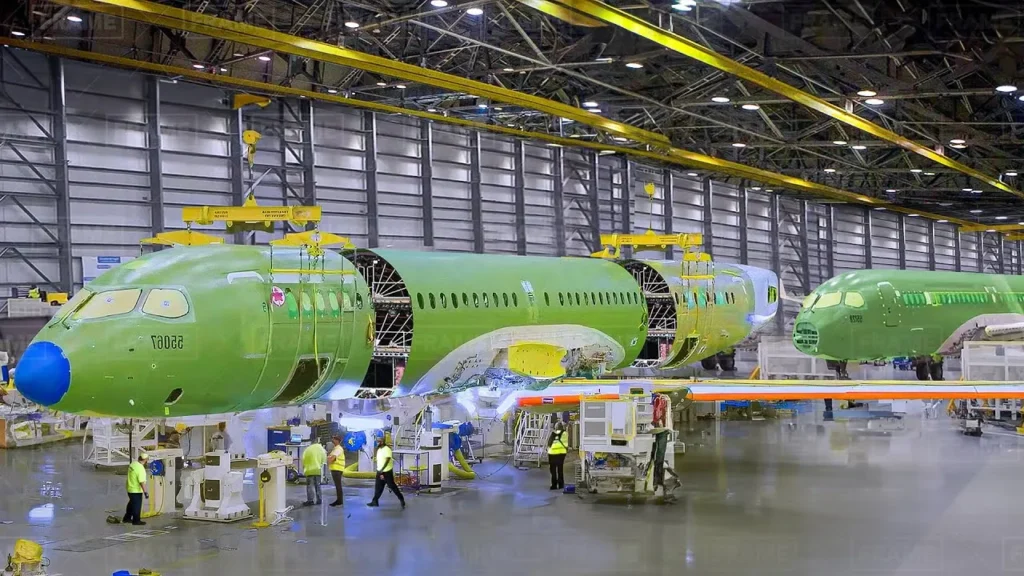
The A220 Program and the Strategic Importance of Mobile
The Mobile, Alabama, facility holds particular strategic significance for Airbus. When Airbus acquired a majority stake in Bombardier’s C Series program — which became the A220 — it faced legal resistance from Boeing over import regulations.
By assembling the A220 in Alabama, Airbus effectively made it an American-manufactured aircraft, removing any legal basis for Boeing to block its sales in the US market.
Today, the A220 is assembled at two locations: Mirabel, Canada, and Mobile, USA. The Mobile site also assembles the A320 family, making it a dual-program facility of growing importance to Airbus’ North American strategy.
What Lies Ahead for Airbus Production
No immediate changes to the existing final assembly line structure are expected. The Toulouse line that previously built the A380 has since been converted to A320 production. Launching a new assembly line requires significant capital investment, making expansion unlikely in the near term.
China remains a long-term focus. The Tianjin facility is already adding a second A320 assembly line, and there are indications that Chinese production partners are willing to take on greater manufacturing responsibilities as demand in that market continues to grow.
Stay tuned with us. Further, follow us on social media for the latest updates.
Join us on Telegram Group for the Latest Aviation Updates. Subsequently, follow us on Google News
