

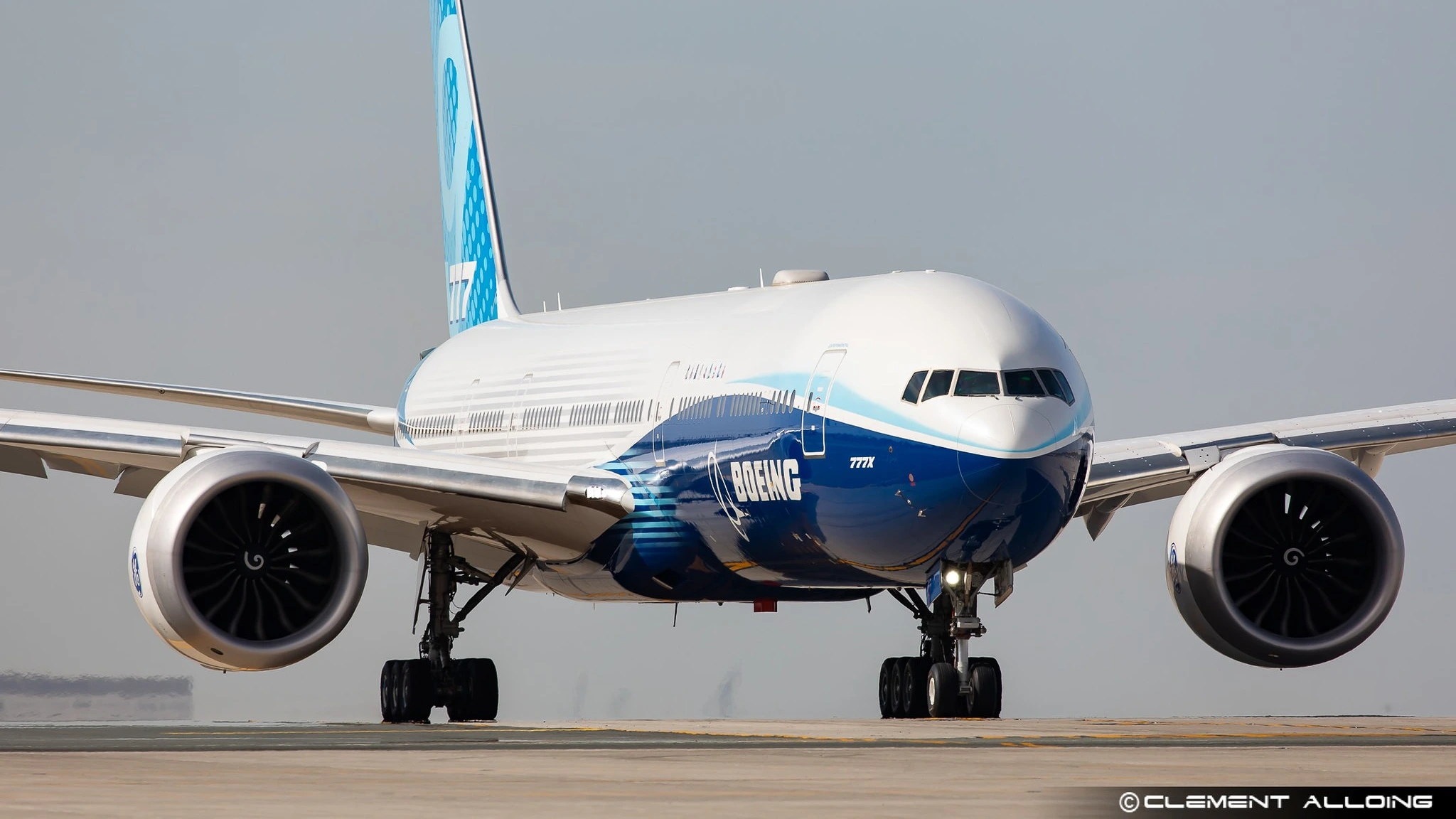
The Boeing 777X is redefining long-haul aviation with advanced engineering and passenger-focused design. While its folding wingtips and next-generation engines attract attention, one of its most innovative features remains largely hidden from view.
The aircraft, developed by Boeing, introduces a concealed upper-deck space designed specifically for crew operations. Unlike traditional double-deck aircraft, this area is not intended for passengers but plays a critical role in enhancing efficiency and performance on ultra-long-haul routes.
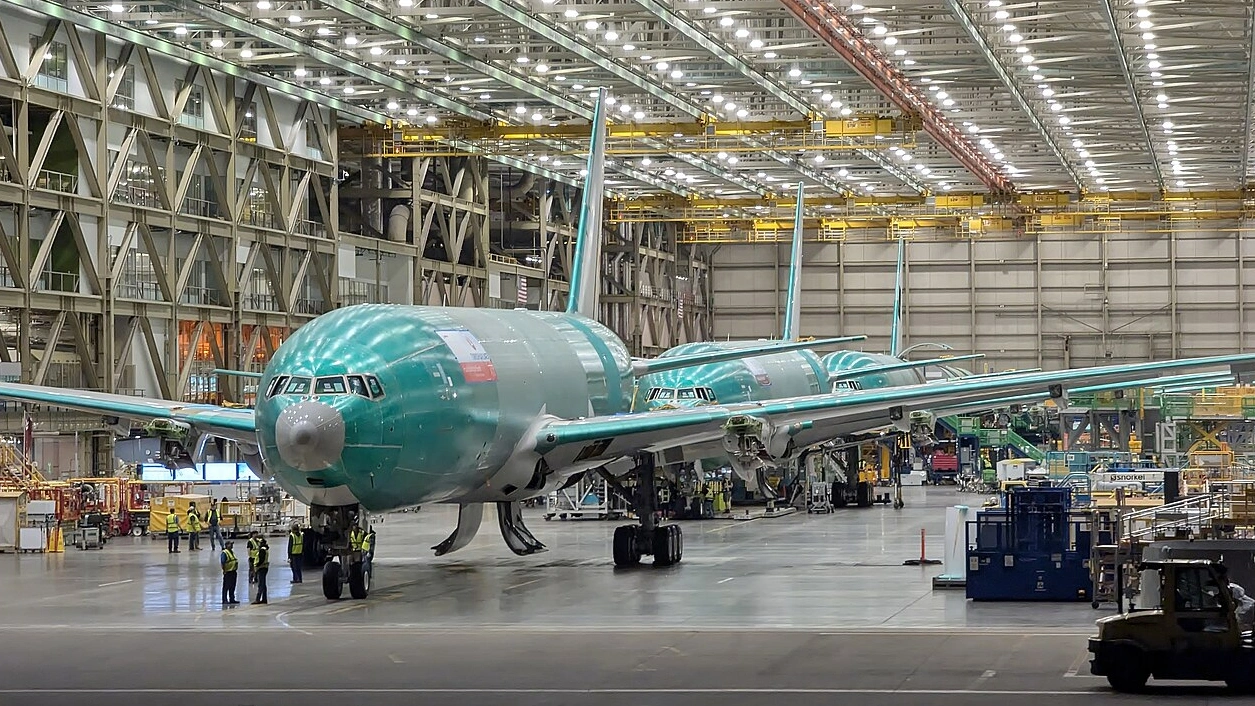
https://commons.wikimedia.org/wiki/File:Boeing_Everett_Factory_-_777X_fuselages.jpg
Boeing 777X Crew Rest Area
The Boeing 777X represents the latest evolution of the successful 777 family. It includes two primary variants, the 777-8 and 777-9, both designed to deliver improved fuel efficiency, extended range, and higher passenger capacity.
One of the aircraft’s most visible innovations is its folding wingtip system. This feature allows the jet to maintain a larger wingspan for better aerodynamics while remaining compatible with existing airport gates.
The aircraft is powered by General Electric GE9X engines, which are among the largest and most efficient commercial jet engines ever built. These engines contribute to lower fuel consumption and reduced emissions compared to earlier widebody aircraft.
Inside the cabin, Boeing has incorporated features inspired by the 787 Dreamliner. These include larger windows, improved cabin humidity, better air quality, and enhanced lighting systems that aim to improve passenger comfort.
The 777X also introduces smoother ride technology to reduce the effects of turbulence. Together, these features position the aircraft as a flagship option for airlines operating long-haul routes.
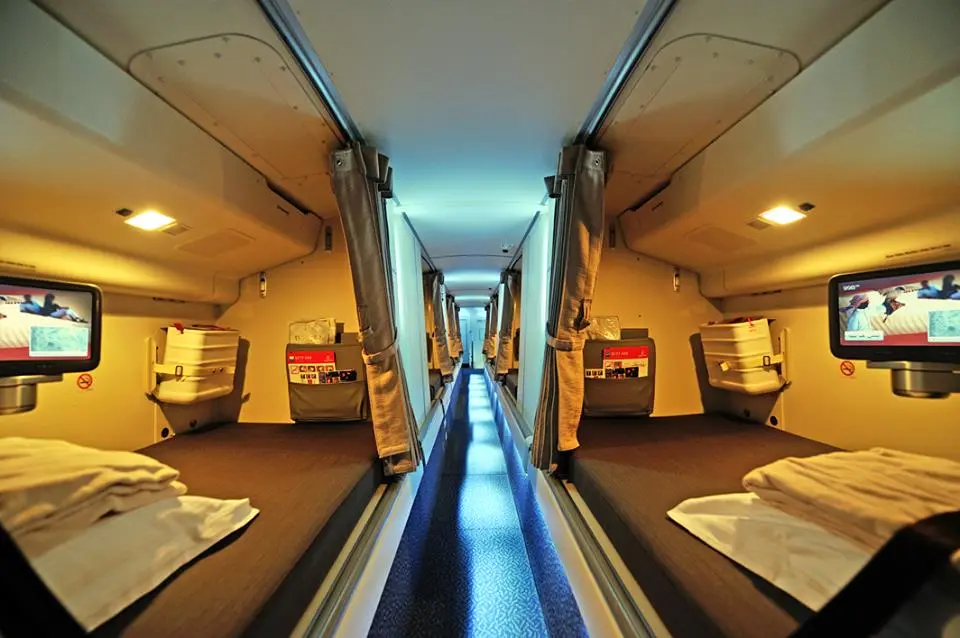
Triple Seven X’s Hidden Crew Deck
One of the most unique aspects of the Boeing 777X is its concealed upper deck. This space is built into the crown of the aircraft, above the main passenger cabin, and serves as a dedicated crew rest area.
Unlike the Boeing 747, which features a visible second deck for passengers, the 777X uses this upper space exclusively for operational purposes. The design maximizes the use of available volume without affecting the passenger cabin layout.
The aircraft includes separate rest areas for pilots and cabin crew. These spaces are equipped with sleeping bunks, lighting, ventilation systems, and communication tools to ensure comfort and functionality.
According to Simple Flying, this hidden deck is classified as a Class 1 crew rest facility, meaning it offers horizontal sleeping arrangements and meets strict regulatory standards. It allows crew members to rest effectively during long flights, which is essential for maintaining safety and performance.
By placing these facilities above the main cabin, Boeing frees up valuable space for additional passenger seating and cargo. This approach improves airline revenue potential while maintaining high operational standards.
The concept reflects a broader trend in aircraft design, where efficiency and human factors are closely integrated. The hidden upper deck is not a luxury feature but a practical solution for modern aviation challenges.
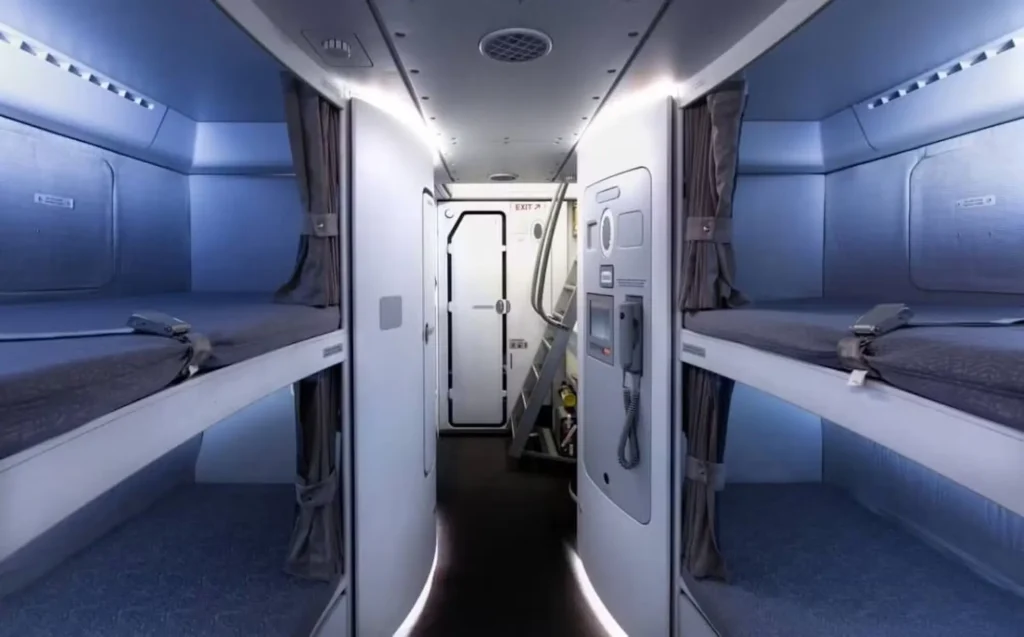
Long Haul Benefits of Boeing 777X
The importance of dedicated crew rest areas becomes clear on ultra-long-haul flights, which can exceed 14 hours. Airlines must carry augmented crews on such routes, making proper rest facilities essential.
Traditional solutions often involved reclining seats or curtained sections within the cabin. However, these arrangements offered limited privacy and comfort compared to purpose-built rest compartments.
The 777X addresses these limitations by providing a quiet and isolated environment for crew members. This helps improve rest quality, which directly impacts alertness and operational safety.
Efficient crew rest also supports regulatory compliance, as aviation authorities require minimum rest periods during extended flights. The hidden upper deck ensures that these requirements are met without compromising passenger space.
From a business perspective, the design allows airlines to optimize cabin layouts. By relocating crew facilities, carriers can increase seating capacity or enhance premium cabin offerings.
The aircraft’s design aligns with the growing demand for long-haul travel. Airlines are increasingly operating non-stop flights between distant city pairs, which requires aircraft capable of balancing endurance, efficiency, and comfort.
The Boeing 777X also benefits from strong market interest. More than 550 orders have been placed by airlines worldwide, including major carriers seeking to modernize their fleets.
In addition to passenger operations, the 777X family includes a freighter variant. This expands its role in global logistics and highlights its versatility as a platform.
Despite its advanced features, the program has faced delays and challenges during development. Certification timelines have been extended, and airlines continue to monitor progress closely.
However, the aircraft’s combination of technology and efficiency keeps it central to future fleet planning. Its hidden upper deck exemplifies how modern aircraft design focuses on both visible and invisible improvements.
Stay tuned with us. Further, follow us on social media for the latest updates.
Join us on Telegram Group for the Latest Aviation Updates. Subsequently, follow us on Google News
