

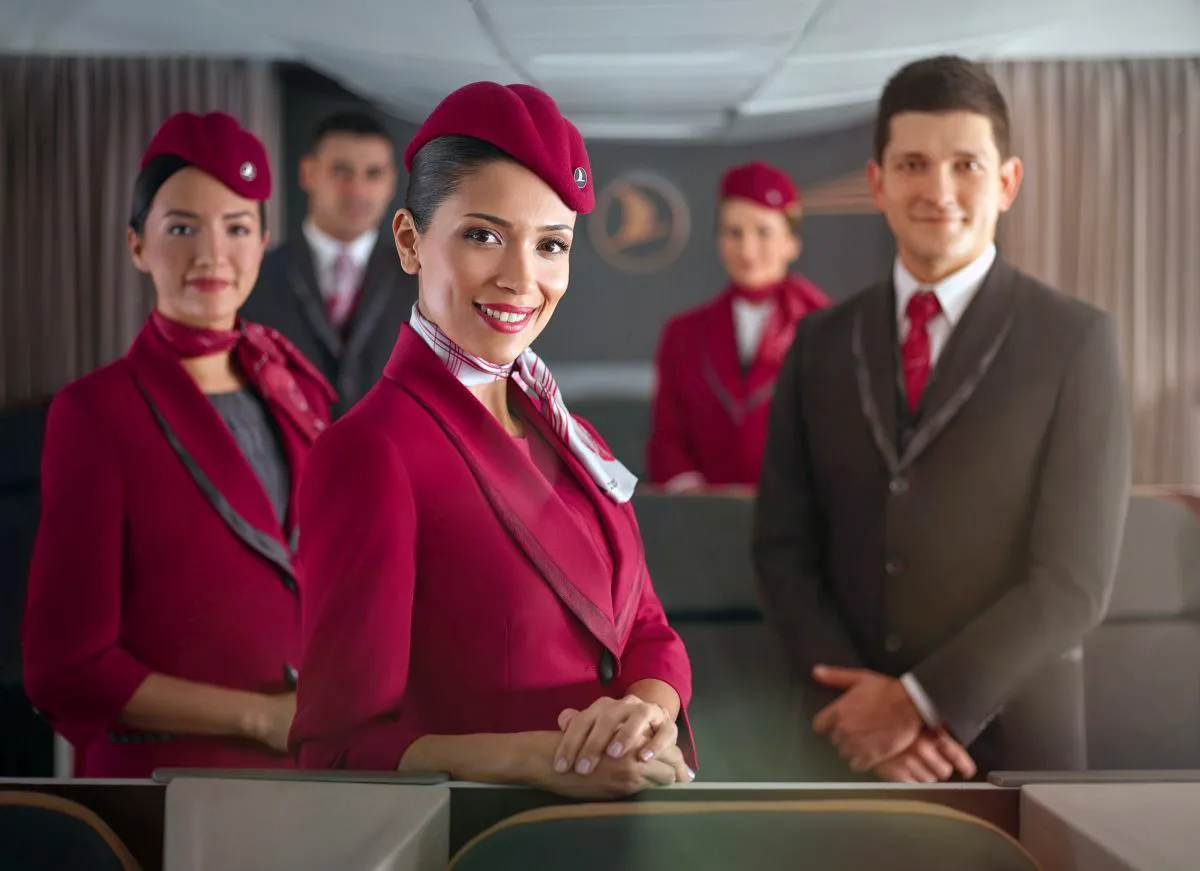
Turkish Airlines (TK) is the flag carrier of Turkey and one of the fastest-growing full-service airlines in the world. Headquartered in Istanbul, the airline operates from its massive hub at Istanbul Airport and flies to more countries than any other airline globally.
Turkish Airlines has built a strong reputation for its global connectivity, premium onboard catering, and high service standards across both long-haul and short-haul operations.
Founded in 1933, the airline has expanded into a major international aviation group with a fleet of Airbus and Boeing aircraft serving more than 120 countries. Turkish Airlines is also a member of the Star Alliance network alongside carriers such as Lufthansa, United Airlines, and Singapore Airlines.
Cabin crew play a key role in maintaining the airline’s reputation for hospitality and safety. With thousands of flight attendants operating across domestic, regional, and long-haul flights, Turkish Airlines offers a structured compensation package with competitive salaries, allowances, and travel benefits.
Here is a detailed look at how much Turkish Airlines pays its cabin crew in 2026, the benefits they receive, the requirements to become one, and the recruitment process followed by the airline.
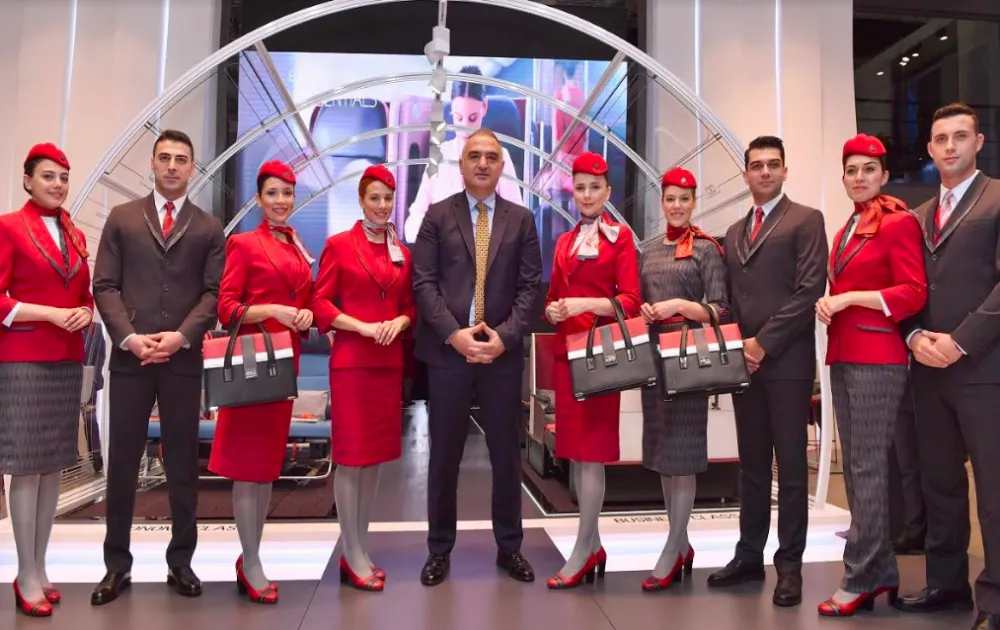
Turkish Airlines Cabin Crew Salary
Turkish Airlines cabin crew salaries in 2026 are structured around a base monthly salary supplemented by flight-related allowances, international duty payments, and overtime compensation. Earnings vary depending on seniority, experience, aircraft type, and the number of flying hours completed each month.
Newly hired flight attendants at Turkish Airlines typically begin with a base salary of approximately ₺70,000 per month (USD 2,200 per month). With the addition of international flight allowances, night duty premiums, and overtime payments, the total monthly income for entry-level cabin crew often rises to around ₺90,000 to ₺100,000 per month (USD 2,800 to USD 3,100 per month).
As cabin crew gain experience and begin operating more long-haul flights, their earnings increase significantly. Mid-career flight attendants usually earn between ₺100,000 and ₺130,000 per month (USD 3,100 to USD 4,000 per month), depending on their roster intensity and flying hours.
Senior cabin crew members, such as lead flight attendants or pursers, receive the highest compensation within the cabin crew hierarchy. These experienced professionals can earn between ₺140,000 and ₺160,000 per month (USD 4,300 to USD 4,900 per month) when flight allowances and international duty payments are included.
Overall annual earnings for Turkish Airlines cabin crew, therefore, typically range between ₺1,080,000 and ₺1,920,000 per year (USD 33,500 to USD 59,600 per year) depending on seniority, flying hours, and route assignments.
In addition to their base salary and flight allowances, crew also receive per diem payments during international layovers as well as overtime compensation for extended duty periods.
ALSO READ: Qatar Airways Cabin Crew Salary in 2025
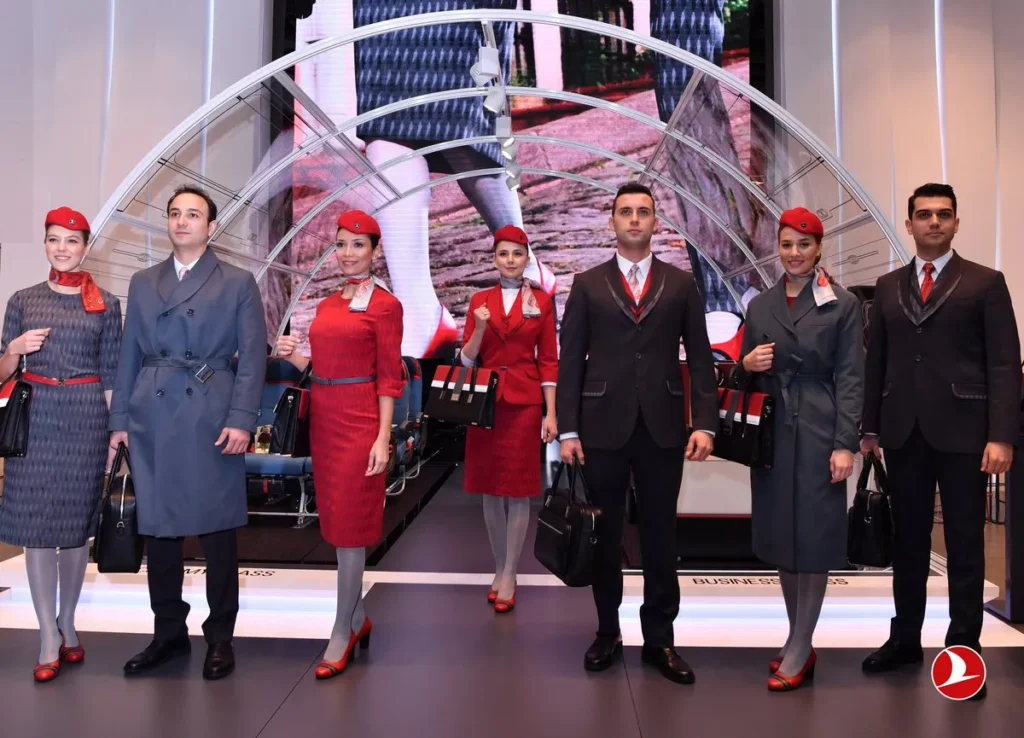
Benefits of Working as Turkish Airlines Cabin Crew
Turkish Airlines cabin crew are entitled to industry-leading benefits like the following.
- Flying hour allowances – Cabin crew receive additional pay based on the number of flight hours operated each month, significantly increasing their total earnings beyond the base salary.
- Layover allowances – When crew operate international flights with overnight stops, Turkish Airlines provides daily allowances to cover meals and incidental expenses during layovers.
- Accommodation during layovers – The airline provides hotel accommodation for cabin crew during international stops, ensuring proper rest before return flights.
- Health insurance coverage – Turkish Airlines provides comprehensive medical insurance covering healthcare needs and emergencies during employment.
- Staff travel privileges – Cabin crew enjoy heavily discounted or standby travel across the airline’s global network and often with partner airlines.
- Overtime payments – Additional compensation is provided for extended duty hours, extra flights or schedule changes.
- Paid training programmes – All newly recruited cabin crew undergo professional training in safety procedures, emergency response, and customer service standards.
- Career progression opportunities – Cabin crew can advance to senior roles such as purser, cabin supervisor, or training instructor with increased experience.
- Annual leave and rest periods – Employees receive paid leave and regulated rest periods to ensure work-life balance despite demanding schedules.
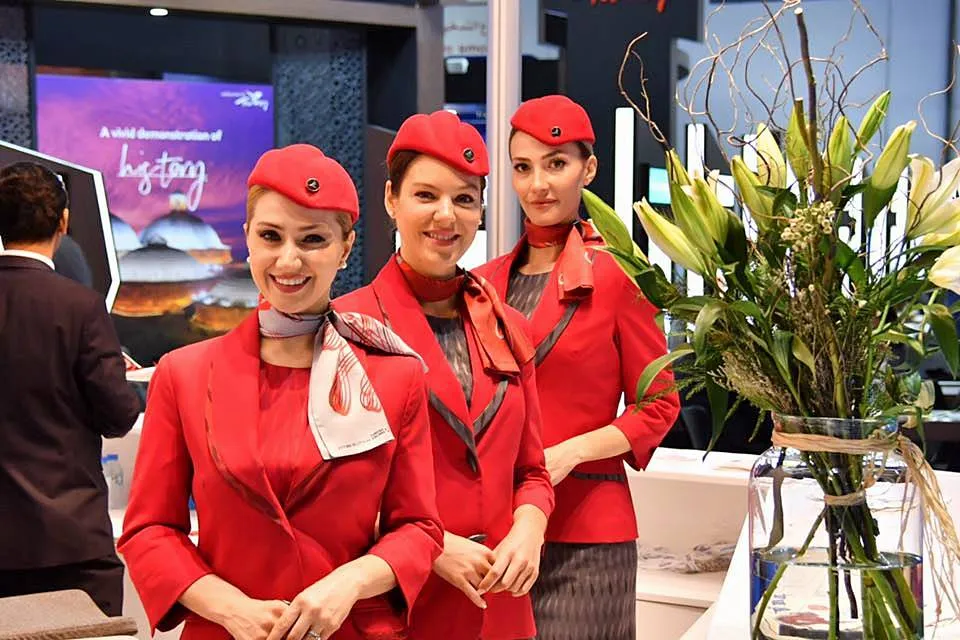
Requirements to Become a Cabin Crew at Turkish Airlines
Cabin crew candidates must fulfil the following requirements to be considered for a role with Turkish Airlines.
- Born between 01/01/1982 and 31/12/2004
- At least a high school graduate
- Proficiency in English and preferably Turkish (Additional languages are an advantage.)
- Having no Criminal Record and Criminal Archive Record
- Having completed military service is an advantage for male candidates
- Willingness to relocate to Istanbul
- Height between 160 and 180 cm for females, 170 and 190 cm for males (Weight should be proportional to height)
- Meeting medical requirements for flight
- No tattoo, piercing, burn, or any scar, etc., on the visible parts of the body
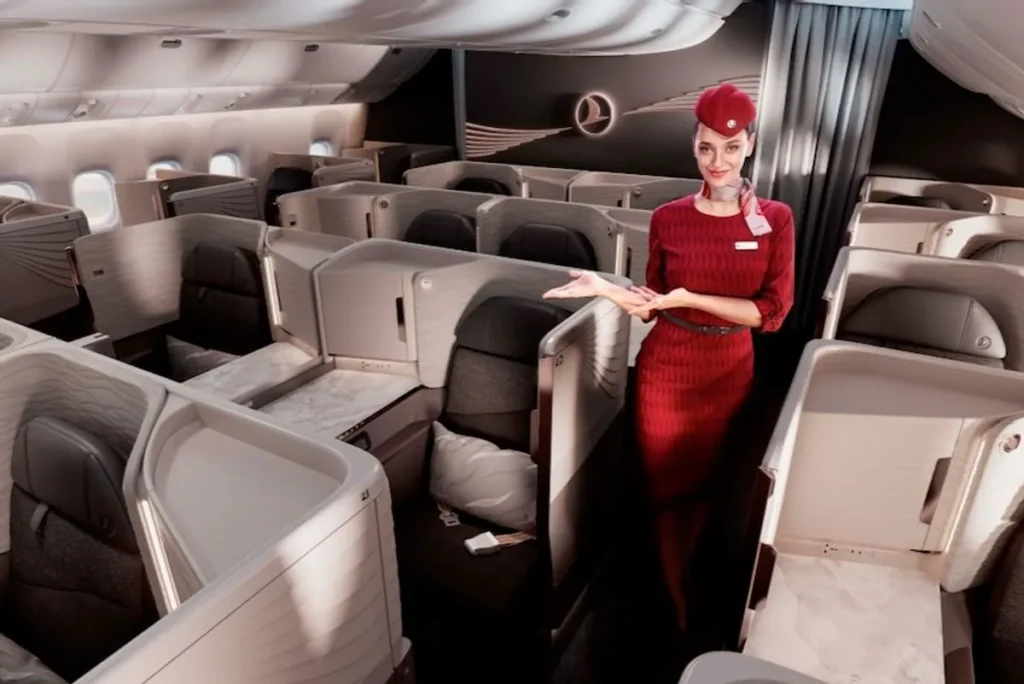
- The Cabin Crew Members are required to wear a uniform
- Not previously having left Turkish Airlines Inc or other organisations due to indiscipline, health problems, or contract termination.
ALSO READ: flydubai Cabin Crew Salary in 2026
Recruitment Process for Cabin Crew
Turkish Airlines follows a six-step recruitment process to identify suitable candidates for its cabin crew positions.
- Online application – Candidates submit their application and required documentation through the airline’s official careers portal.
- Application screening – The recruitment team reviews applications to ensure candidates meet the basic eligibility criteria and job requirements.
- Assessment day – Shortlisted applicants attend an assessment session involving group exercises, communication tasks, and personality evaluations.
- Personal interview – Candidates who pass the assessment stage participate in a one-on-one interview with recruitment specialists.
- Medical examination and background checks – Selected applicants must pass a medical test and verification process before being offered employment.
- Training programme – Successful candidates complete a comprehensive cabin crew training programme covering safety procedures, aircraft systems, and service standards.
Bottom Line
A career as cabin crew with Turkish Airlines in 2026 offers competitive earnings within the global aviation industry, particularly when allowances and international flying are factored in. While the base salary forms the foundation of pay, additional income from flying hours, layovers, and duty premiums significantly increases total monthly earnings.
Beyond salary, the airline provides a range of benefits, including staff travel privileges, medical coverage, paid training, and structured career progression. With its massive global network operating out of Istanbul Airport, cabin crew gain the opportunity to travel extensively while building long-term careers in aviation.
For candidates seeking a balance between financial stability, international exposure, and professional development, Turkish Airlines remains one of the more attractive cabin crew employers in Europe and the Middle East.
Turkish Airlines Cabin Crew Salary FAQs
Turkish Airlines cabin crew typically earn between ₺90,000 and ₺160,000 per month (USD 2,800 to USD 4,900 per month) depending on experience, flying hours, and allowances.
Yes. Cabin crew receive additional payments such as flight hour allowances, layover per diems, international duty payments, and overtime compensation, which significantly increase overall earnings.
Most Turkish Airlines cabin crew are based in Istanbul, the airline’s primary hub, although some operational bases may exist in other cities depending on staffing requirements.
Stay tuned with us. Further, follow us on social media for the latest updates.
Join us on Telegram Group for the Latest Aviation Updates. Subsequently, follow us on Google News
