

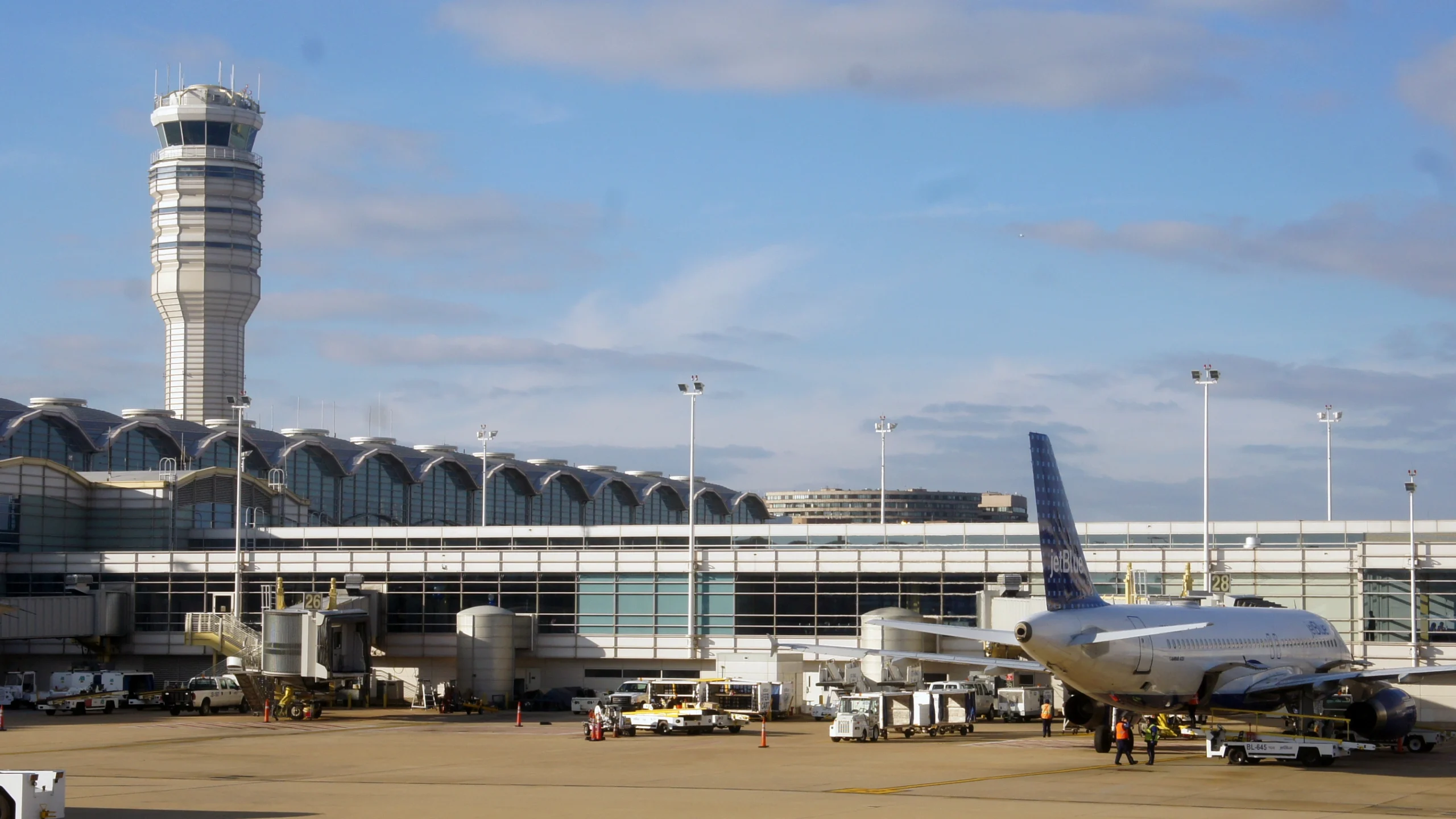
WASHINGTON, D.C.- Washington Reagan National Airport (DCA) has activated a new digital ground control system in its air traffic control tower, replacing decades-old paper Flight Progress Strips.
The transition marks a significant milestone in the Federal Aviation Administration’s (FAA) long-delayed modernization of the US National Airspace System.
The upgrade forms part of the FAA’s broader $12.5 billion infrastructure program aimed at replacing aging air traffic control systems nationwide.
According to PYOK, the move reflects growing urgency to improve safety, efficiency, and operational reliability across US airports.
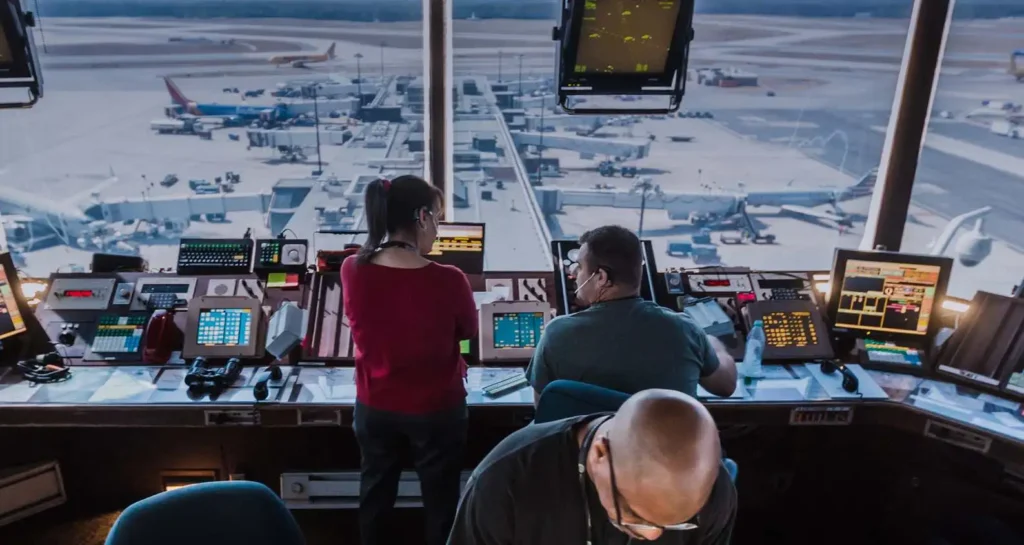
Washington DCA Digital Runway Strips
For decades, air traffic controllers at DCA relied on paper Flight Progress Strips to manage aircraft movements.
These strips contain key operational data, including call signs, routing, and departure sequencing information.
Controllers physically moved the strips in plastic holders to track aircraft as they progressed from the departure gate to taxi and eventual takeoff.
Paper strips remain widely used across the United States, not only for ground movements but also for en route traffic and arrival sequencing at many airports.
While other countries transitioned to digital systems years ago, US towers have continued to depend heavily on manual processes.
The newly deployed system replaces paper handling with a shared, real-time digital interface. Controllers now access synchronized flight data across workstations, along with predictive modeling tools that support sequencing and congestion management. The digital platform enhances situational awareness and reduces manual data entry risks.
The system was supplied by Leidos under the FAA’s Terminal Flight Data Manager program. Leidos was contracted in June 2025 to upgrade DCA’s ground movement systems. Although installations typically require up to 18 months, the DCA system became operational in a significantly shorter timeframe.
Washington National is one of 15 airports to implement this upgraded digital strip system during the current rollout phase.

Part of a Larger FAA Modernization Initiative
The digital strip conversion at DCA represents one component of a broader effort to overhaul the US National Airspace System.
The FAA has allocated $12.5 billion for air traffic control upgrades through federal infrastructure legislation signed under President Trump’s One Big Beautiful Bill.
Transportation Secretary Sean Duffy visited the DCA control tower earlier this week to mark the milestone.
Officials described the deployment as a tangible achievement within a much larger modernization roadmap.
Industry leaders have criticized the pace of technological upgrades. In 2024, United Airlines (UA) CEO Scott Kirby stated that the FAA spends roughly 92 percent of its facilities and equipment budget patching together existing towers, centers, radars, and legacy systems rather than implementing full-scale modernization.
The contrast with other aviation authorities is significant. Canada transitioned from paper to electronic flight strips more than 25 years ago. The United Kingdom implemented digital strip systems nationwide in 2018.

Safety and Efficiency Gains for a Constrained Airport
Washington Reagan National Airport operates in one of the most complex and restricted airspaces in the country. Runway limitations and proximity to federal airspace controls demand precise ground coordination.
The digital strip system improves operational safety by reducing manual handling errors and ensuring synchronized information across controller positions. Real-time data sharing minimizes communication gaps and supports faster decision-making.
Predictive modeling tools also enhance traffic flow efficiency. Controllers can anticipate taxiway congestion and optimize aircraft sequencing before bottlenecks form.
These improvements are expected to reduce ground delays and improve on-time performance at a high-density airport.

Implications for US ATC
The successful deployment at DCA signals measurable progress in the FAA’s modernization strategy. While digital ground strip conversion represents only one part of the larger transformation, it demonstrates the practical implementation of long-planned reforms.
As additional airports transition to electronic systems, the FAA aims to reduce reliance on paper-based processes and modernize operational infrastructure across the country.
Stay tuned with us. Further, follow us on social media for the latest updates.
Join us on Telegram Group for the Latest Aviation Updates. Subsequently, follow us on Google News
