

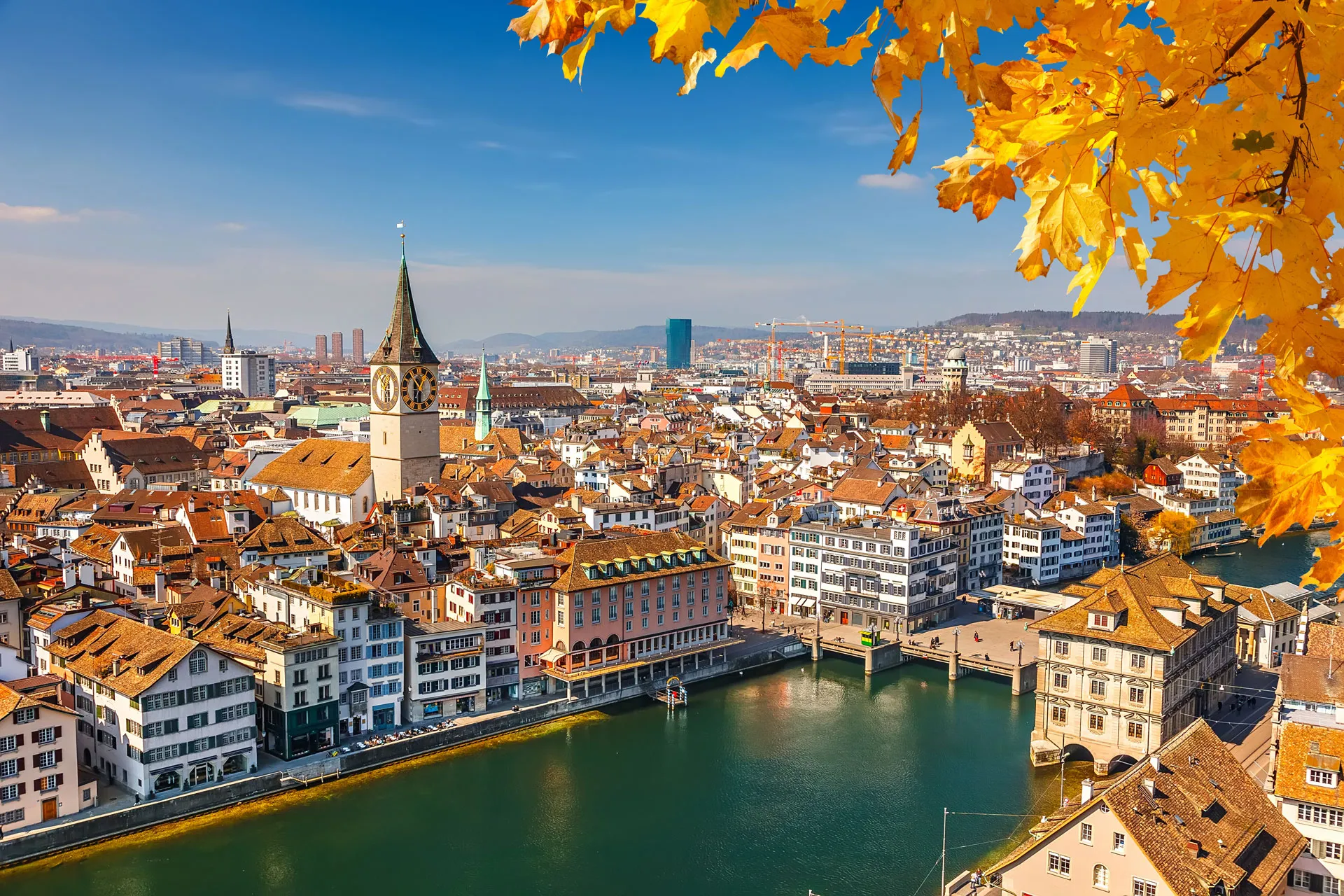
In a world facing complex global challenges — from climate change and inequality to geopolitical instability and economic uncertainty — nations are increasingly judged not just by economic size or military strength, but by how responsibly they govern in the broadest sense.
A Responsible Nation Index looks beyond GDP to assess a country’s commitment to sustainability, transparency, human rights, economic fairness, public health, environmental stewardship, and global cooperation.
In 2026, this measure reveals a group of nations that epitomise responsible governance. These countries balance economic success with social progress, protect civil liberties while nurturing innovation, and engage constructively on the global stage without compromising their citizens’ quality of life.
Top 10 Most Responsible Nations
What follows is a closer look at the Top 10 Most Responsible Nations in the World, ranked by their overall performance in the Responsible Nation Index, and what aspects contribute to their places in the list.

1. Singapore — A Model of Governance and Progress
Singapore’s position at the top of the Responsible Nation Index in 2026 is no accident. This city-state has consistently demonstrated that effective governance, pragmatic policymaking, and long-term planning can coexist with strong economic performance and social welfare.
Urban planning and environmental management are hallmarks of Singapore’s approach. The city’s skyline is punctuated by green spaces and sustainable infrastructure, but beyond aesthetics lies a serious commitment to environmental responsibility. Singapore has invested heavily in water security, renewable energy research, and low-carbon urban development, setting standards that other fast-growing economies often seek to emulate.
Public services in Singapore are known for their efficiency and reliability. Healthcare and education systems are universally accessible and continuously updated to meet changing needs. Transparency and accountability are reinforced through robust anti-corruption frameworks, earning high levels of public trust. Social stability and public safety are additional strengths, creating an environment where residents and businesses alike can thrive with confidence.
Singapore’s leadership in both regional and global cooperation — whether through trade agreements, pandemic response coordination, or climate initiatives — reinforces its role as a responsible and forward-looking nation.

2. Switzerland — Balance, Neutrality and Social Wellbeing
Switzerland’s second-place ranking reflects its enduring reputation for political stability, neutrality, and high quality of life. With a long history of diplomatic mediation and international cooperation, Switzerland embodies responsibility both in domestic governance and global engagement.
Swiss society places a strong emphasis on consensus-driven politics. This approach helps temper polarisation and promotes policies that are broadly sustainable over time. Public services — from healthcare to public transport — are funded and managed in ways that prioritise equity and efficiency. Switzerland’s education system delivers consistently strong outcomes, while its healthcare system ensures high levels of coverage and patient outcomes.
Environmental stewardship is another cornerstone of Swiss policy. With extensive protected areas, ambitious emissions reduction targets and investment in clean energy, Switzerland demonstrates that economic prosperity can go hand-in-hand with ecological responsibility. Its long-held tradition of neutrality does not equate to disengagement; rather, Switzerland actively supports humanitarian and development efforts worldwide, reinforcing its role as a responsible global partner.

3. Denmark — Social Trust and Sustainability at Its Core
Denmark’s third-place ranking is rooted in a deep cultural commitment to social trust, environmental accountability, and inclusive policymaking. Danish society is characterised by high levels of civic participation and mutual respect, which translate into responsive public institutions and strong social safety nets.
One of Denmark’s defining traits is its ambitious approach to sustainability. Renewable energy — especially wind power — forms a large portion of the nation’s energy mix, and Denmark has set some of the most ambitious carbon reduction goals in Europe. Government incentives and public engagement campaigns seek to embed climate responsibility into everyday life.
Healthcare and education are largely publicly funded, ensuring broad access and exceptional outcomes across the population. Income inequality is relatively low by international standards, and citizens generally enjoy a strong sense of security and wellbeing. Denmark’s transparent governance and low levels of corruption further enhance public confidence in institutions.
Internationally, Denmark is an active advocate for human rights and climate action, working through multilateral forums to advance sustainable development goals. Its commitment to fairness and accountability resonates throughout its domestic and foreign policy efforts.
4. Cyprus — Responsible Growth and Cultural Harmony
Cyprus’ ranking in the top five of the Responsible Nation Index reflects its ongoing efforts to balance economic development with social cohesion and environmental care. Situated at a crossroads of continents and cultures, Cyprus has navigated complex historical legacies to promote stability and shared progress.
The nation’s economy has diversified in recent years, blending tourism with finance, technology, and education sectors. Public investment in infrastructure and human capital helps ensure that growth supports broad-based opportunity rather than narrow gains. Civic programmes aimed at social inclusion and community resilience further reinforce shared responsibility among citizens.
Environmental initiatives in Cyprus include efforts to protect coastal zones, manage water resources sustainably, and reduce carbon emissions through renewable energy projects. Education campaigns stress sustainability awareness and community stewardship, strengthening a culture of environmental respect.
Cyprus’ diplomatic engagement underscores its responsible stance in mediating regional tensions and advancing cooperation in the Eastern Mediterranean. Its position on the index recognises both its domestic accomplishments and its willingness to contribute constructively to wider regional stability.
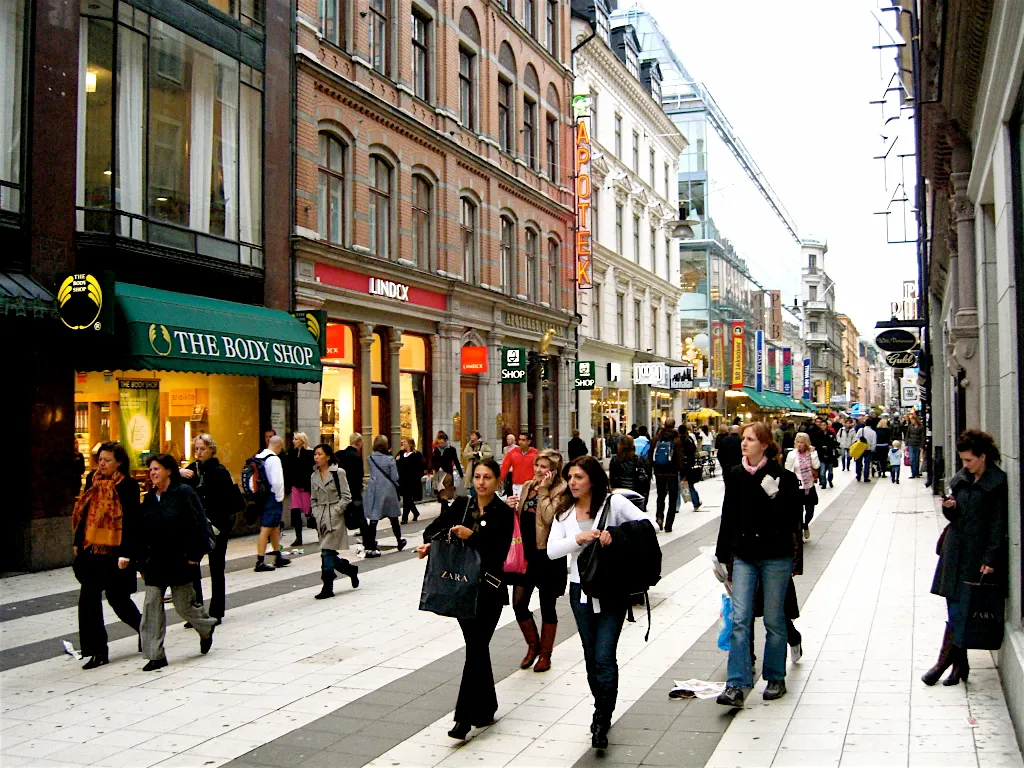
5. Sweden — Progressive Policies and Inclusive Society
Sweden’s placement in the top five is grounded in its long-standing reputation for progressive public policies and social inclusivity. Known for comprehensive welfare programmes, Sweden invests heavily in health, education, childcare, and elder care — aiming to provide broad security across all stages of life.
Sustainability is woven into Sweden’s national strategy. Ambitious climate targets, circular economy initiatives, and expansive nature conservation programmes reflect a holistic approach to environmental responsibility. Public transit and urban planning efforts emphasise accessibility and low-impact mobility, reinforcing Sweden’s commitment to ecological stewardship.
Civil liberties and human rights remain central to Swedish governance, and a strong culture of transparency safeguards public accountability. Immigration policies are matched by integration programmes designed to support social cohesion, making Sweden a model of inclusive governance.
Sweden’s international engagement, particularly in humanitarian aid and global health, reflects an outward-looking perspective that aligns responsibility at home with leadership abroad.
6. Czechia — Growing Responsibility with Civic Strength
Czechia’s sixth-place ranking highlights its progress in strengthening democratic institutions, nurturing civil liberties, and balancing economic growth with civic engagement. The nation’s transition from a post-Soviet system to a thriving democratic society has emphasised responsible governance and public participation.
Public services in Czechia are expanding and improving, particularly in healthcare and education. Access to affordable healthcare and a strong primary education system create essential foundations for social wellbeing. Civic engagement remains high, with active public debate and a resilient free press reinforcing accountability and transparency.
Environmental policies in Czechia focus on sustainable urban development and energy efficiency, although the nation continues to balance industrial legacy sectors with cleaner alternatives. Community-level sustainability initiatives reflect a growing awareness of environmental responsibility among citizens.
Internationally, Czechia contributes to European Union initiatives and regional partnerships, reinforcing stability and cooperative progress across Central Europe.

7. Belgium — Unity in Diversity and Shared Responsibility
Belgium’s ranking recognises its capacity to manage a complex societal fabric while maintaining cohesive governance and forward-looking policies. A crossroads of languages, cultures and political systems, Belgium demonstrates that shared responsibility can flourish in diversity.
Social safety nets, universal healthcare and comprehensive education help ensure broad access to essential services. Belgium’s approach to regional governance allows local needs to be met without sacrificing national coordination. Democratic participation and frequent public consultation contribute to strong civic bonds.
Environmental responsibility is evident in Belgium’s investment in renewable energy, waste reduction strategies and urban sustainability programmes. The nation’s role in hosting major EU institutions and international organisations also reflects its broader commitment to cooperation and collective progress.
Belgium’s position on the Responsible Nation Index underscores its success in melding diversity, inclusion and policy coherence.
8. Austria — Stability, Culture and Environmental Stewardship
Austria’s eighth-place ranking reflects its blend of social stability, cultural heritage and environmental consciousness. Austrians enjoy high standards of healthcare, education and social security, supported by an economy that balances tradition with innovation.
Environmental stewardship is deeply embedded in Austrian public policy. Protection of alpine ecosystems, investment in renewable energy and strict emissions standards demonstrate a long-term commitment to sustainability. Urban planning emphasises walkability, public transport and green spaces, reinforcing responsible living as part of everyday life.
Austria’s cultural investment — from music and the arts to historical preservation — enhances quality of life and fosters a sense of shared identity. Civic engagement remains strong, with public dialogue and transparent governance reinforcing trust in institutions.
Internationally, Austria supports humanitarian and cultural initiatives, contributing to global cooperation in arts, science and sustainable development.

9. Ireland — Resilience, Inclusion and Global Engagement
Ireland’s ninth-place ranking highlights its ability to combine economic dynamism with social inclusion and progressive policy. Over recent decades, Ireland has grown into a knowledge-driven economy with strong public services and an open society that attracts global talent.
Public investment in healthcare, education and social programmes supports broad opportunity across demographics. Ireland’s governance framework emphasises transparency, rule of law, and inclusive decision-making. Environmental efforts, including carbon reduction targets and renewable energy deployment, demonstrate a commitment to future-focused responsibility.
Ireland’s role on the global stage — in diplomacy, international development and cultural exchange — reflects a willingness to engage constructively beyond its own borders. The nation’s blend of economic success with social progress positions it as a responsible and influential partner in global affairs.

10. Georgia — Rapid Progress and Strategic Responsibility
Georgia’s emergence in tenth place reflects rapid strides in governance, transparency and engagement with global norms. Once challenged by political volatility, Georgia has strengthened democratic institutions and sought to build resilient civic frameworks that support accountability and public trust.
Economic reforms have focused on openness, innovation and private sector growth, with an eye toward sustainability and diversified opportunity. Public services — particularly in urban centres — are expanding, and efforts to improve access to education and healthcare contribute to broad-based wellbeing.
Environmental awareness and cultural preservation are gaining traction, with community initiatives aimed at protecting natural landscapes and promoting responsible tourism. Georgia’s strategic partnerships and regional cooperation efforts further underscore its maturation as a responsible nation on multiple fronts.

Bottom Line
The 2026 Responsible Nation Index highlights a diverse group of countries that exemplify leadership in governance, sustainability, social progress, and global cooperation.
From Singapore’s disciplined efficiency to Sweden’s progressive social model, and from Switzerland’s neutrality to Georgia’s rapid civic evolution, these nations demonstrate that responsibility in the modern world is multifaceted.
They remind us that prosperity is not measured by economic output alone, but by how well a society nurtures its people, protects its environment, and contributes to collective global well-being.

Most Responsible Nations FAQs
What is the Responsible Nation Index?
It is a composite measure that evaluates countries based on governance quality, social equity, environmental stewardship, public service delivery, human rights, and global cooperation — rather than purely economic performance.
Why are smaller nations like Singapore and Cyprus ranked so highly?
Smaller nations often benefit from agile governance, strong social cohesion, and targeted policy frameworks that enable high performance in areas like sustainability, public trust, and quality of life.
Does a high ranking guarantee citizen happiness?
While not a direct measure of personal happiness, a high rank on the Responsible Nation Index often correlates with strong public services, social support systems, and inclusive governance — factors that contribute significantly to overall well-being.
Stay tuned with us. Further, follow us on social media for the latest updates.
Join us on Telegram Group for the Latest Aviation Updates. Subsequently, follow us on Google News
