

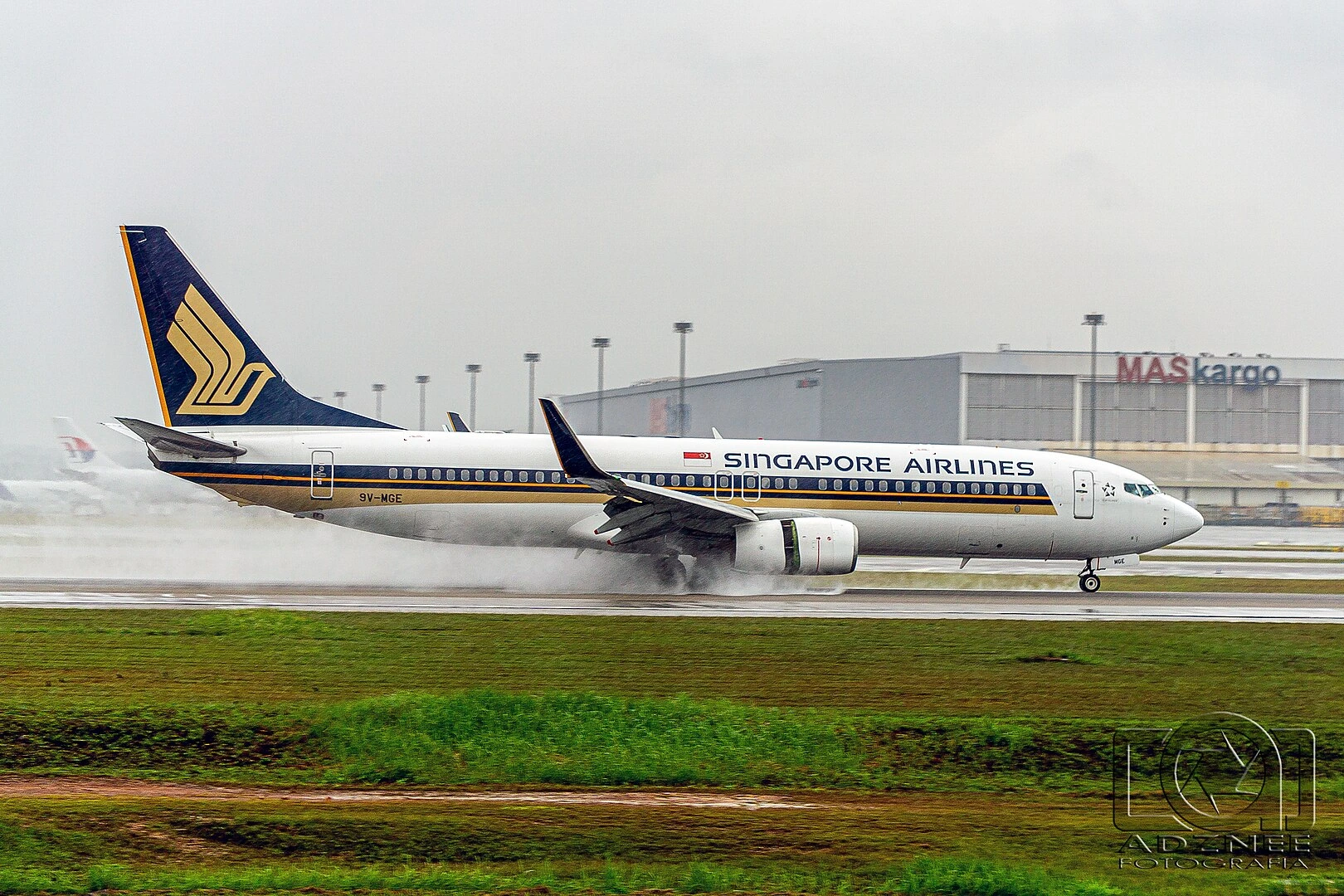
SINGAPORE- One of the world’s best airlines, Singapore Airlines (SQ), is in discussions with Thai aviation authorities to launch nonstop flights between Singapore Changi Airport (SIN) and Chiang Mai International Airport (CNX).
If approved, Chiang Mai would become the airline’s third destination in Thailand, after Bangkok and Phuket.
The potential expansion follows recent capacity growth across Thailand routes, including higher frequencies to Bangkok and Phuket.
According to Mainly Miles, talks with regulators indicate preparations are progressing, with a formal announcement possibly approaching.

Singapore Airlines New Destination
Singapore Airlines’ interest in Chiang Mai reflects a broader strategy to deepen its Thailand network beyond core leisure and business markets.
Thailand’s Civil Aviation Authority (CAAT) has confirmed meetings with the airline, signalling regulatory engagement for a new route.
Chiang Mai would join Bangkok and Phuket as the carrier’s Thai destinations, strengthening access to northern Thailand while complementing existing high-frequency services to the capital and southern resort markets.
Bangkok and Phuket Capacity Increases
The Chiang Mai discussions come shortly after Singapore Airlines announced a 17% capacity increase on its Singapore–Bangkok route, with seven daily flights operating from 29 March 2026.
Some of these services will be operated by Airbus A350 Long Haul aircraft, reinforcing capacity on one of the airline’s longest-standing regional routes.
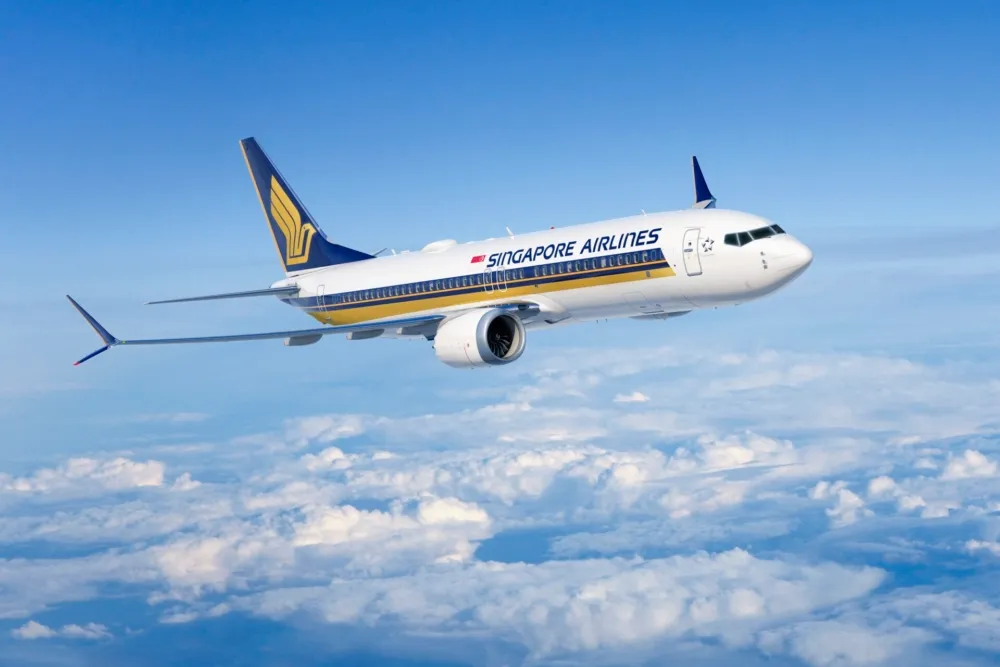
Phuket has also seen notable growth. Singapore Airlines currently operates 6 daily flights to Phuket using Boeing 737-8 MAX aircraft.
For Summer 2026, the airline has scheduled 35 weekly services, up from as few as 27 weekly flights in Summer 2025, underlining sustained demand for Thailand leisure travel.
Scoot’s Existing Hold on the Market
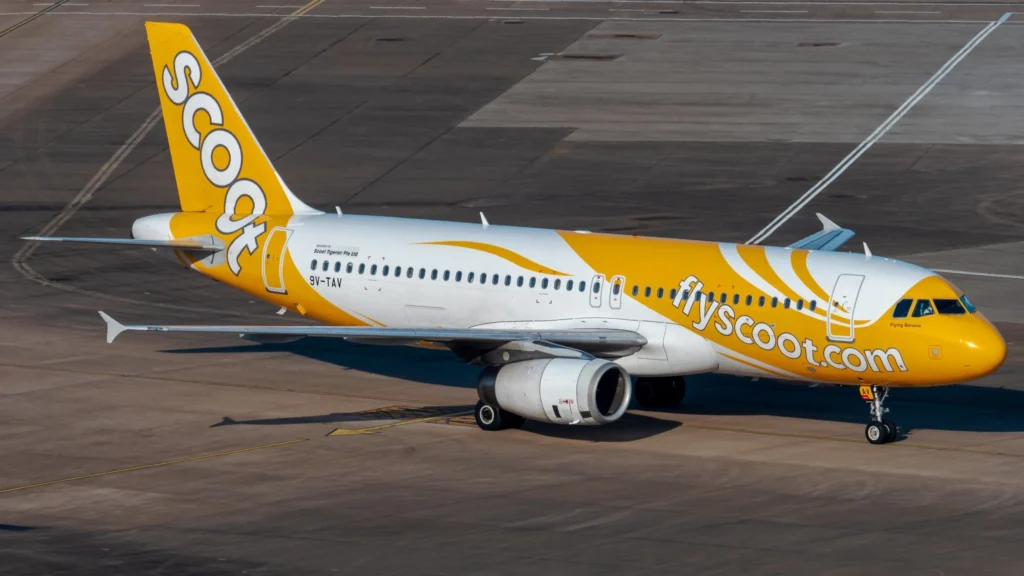
The Singapore–Chiang Mai route is currently served exclusively by Scoot (TR), which operates twice daily services using Airbus A321neo family aircraft.
Frequencies reduce to once daily from April to October, with smaller Airbus A320neo jets deployed during the northern summer season.
Scoot has steadily expanded the route, increasing from daily to 11 weekly flights from 27 October 2025, then to 14 weekly flights from 3 December 2025.
The low-cost carrier assumed Chiang Mai operations from Singapore Airlines’ former regional arm SilkAir in mid-2019, meaning a mainline launch would mark the return of a full-service option after several years.
Beyond Chiang Mai, Scoot maintains a wider Thailand footprint than its parent airline, serving Bangkok, Phuket, Chiang Rai, Hat Yai, Koh Samui, and Krabi.
Limited Direct Competition
Direct competition on the Singapore–Chiang Mai sector is minimal. Thai AirAsia (FD) previously exited the route in May 2012, before a brief return between February and October 2023 with 4 weekly flights.
At present, travellers seeking a full-service product must connect via Bangkok on Thai Airways (TG) or via Kuala Lumpur on Malaysia Airlines (MH). A nonstop Singapore Airlines service would remove this connectivity gap.
Chiang Mai Airport Demand Profile
Chiang Mai International Airport is Thailand’s fourth-busiest airport, after Bangkok Suvarnabhumi, Bangkok Don Mueang, and Phuket.
In 2024, international passenger numbers rose 34% year on year, compared with 3% growth in domestic traffic. Overall throughput remains at approximately 80% of 2019 levels.
Peak travel demand runs from November to March, when cooler, drier conditions attract visitors to the mountainous north.
This seasonality explains Scoot’s higher winter frequencies and supports the case for a potential mainline launch aligned with winter schedules.
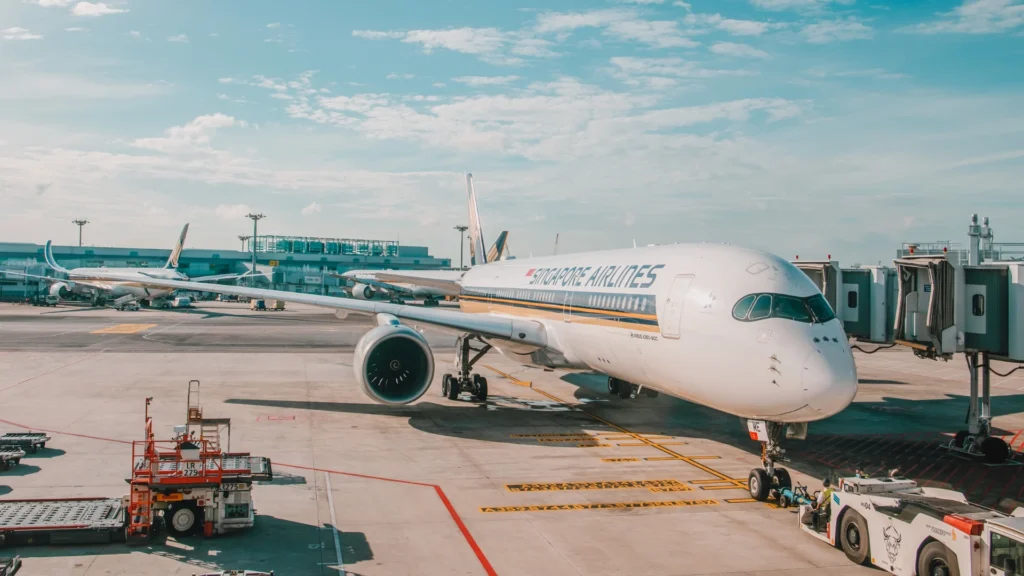
Aircraft and Fleet
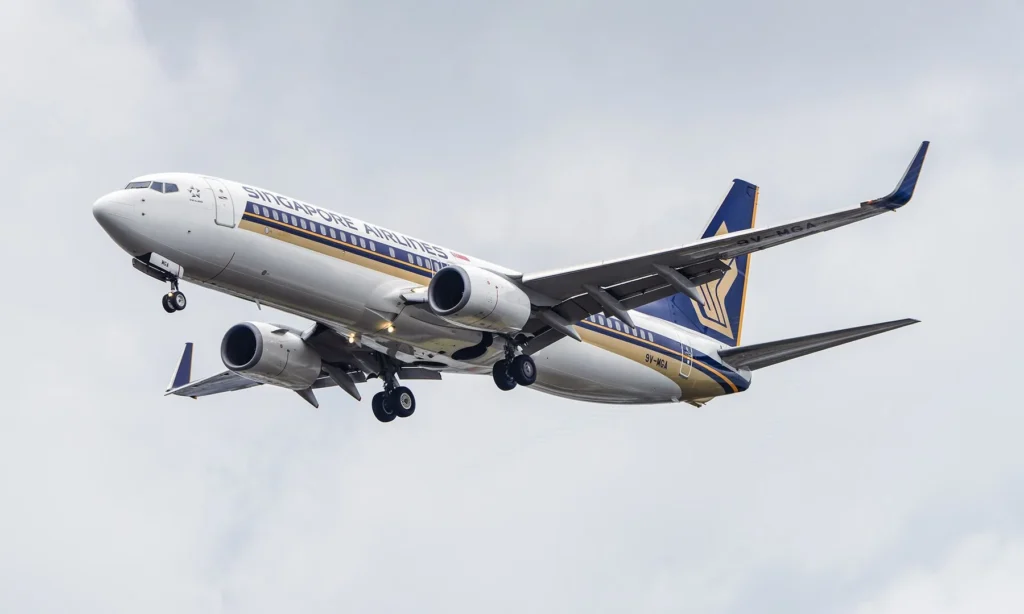
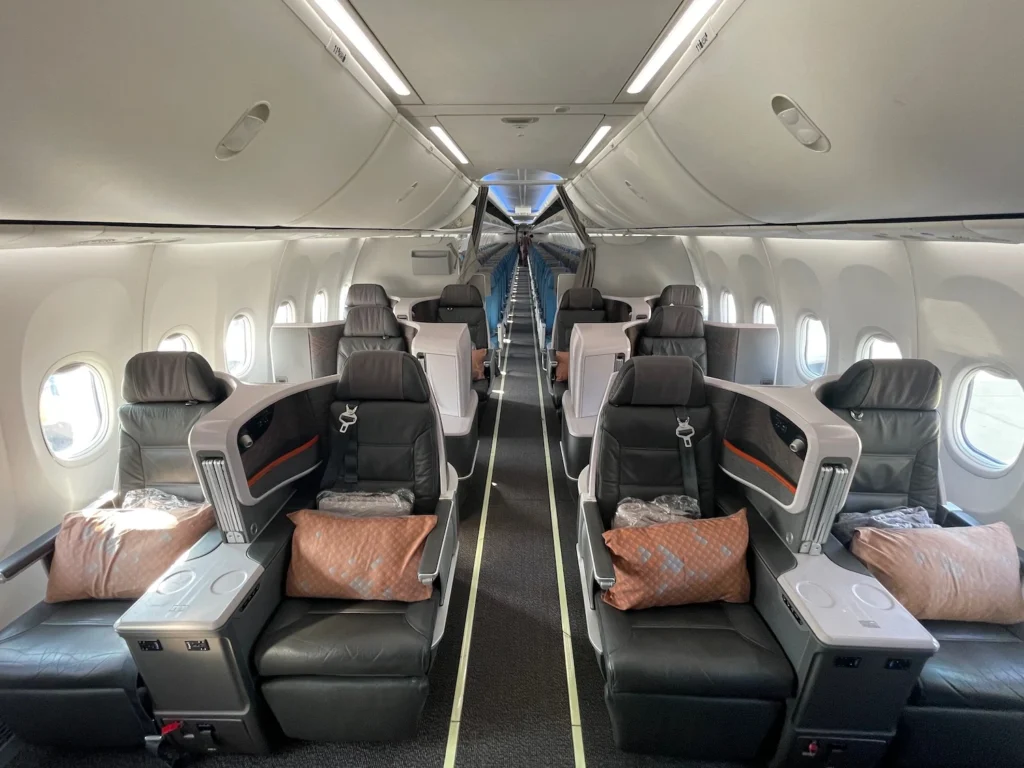
Given the market size and stage length, Singapore Airlines is expected to deploy the Boeing 737-8 MAX on the Chiang Mai route, mirroring its Phuket operations.
The airline’s narrow-body fleet has expanded by four aircraft over the past year, with two more due by the end of March 2026 and a further seven aircraft scheduled to join thereafter.
This growth provides capacity flexibility for new regional routes while preserving wide-body aircraft for higher-density markets.
Hub Connectivity and Transit Demand
Beyond point-to-point traffic, the airline is expected to rely heavily on transit flows through Singapore Changi Airport.
Chiang Mai attracts visitors from China, South Korea, and Taiwan, as well as long-haul markets including Europe, the United States, and Australia.
Singapore Airlines already offers through-ticketing via its codeshare on Scoot’s Chiang Mai flights, including itineraries such as Melbourne–Chiang Mai.
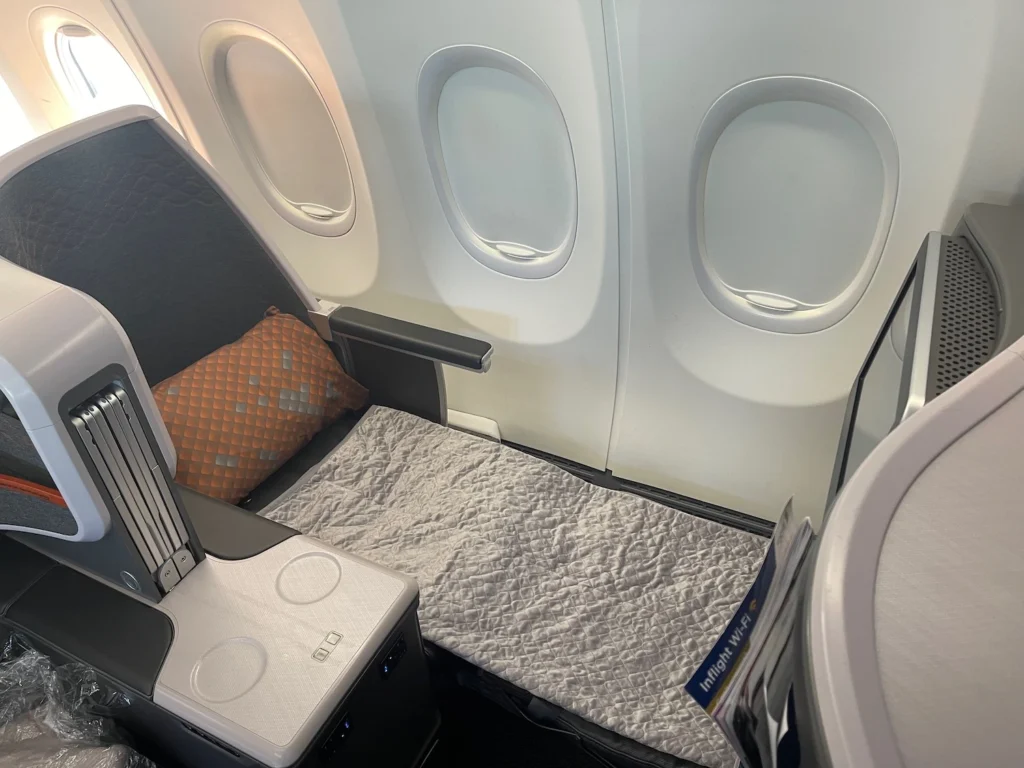
However, the absence of a Business Class cabin on Scoot limits appeal for premium travellers, a gap that a mainline service would address.
KrisFlyer Redemption
Scoot’s current KrisFlyer pricing on Singapore–Chiang Mai stands at 10,500 miles one-way (Saver) or 18,000 miles (Advantage) in Economy.
If Singapore Airlines launches the route, Economy Class Saver awards would likely price at 13,000 miles, while Business Class Saver redemptions would start at 25,000 miles one-way.
The coexistence of Scoot and Singapore Airlines could create unusual value scenarios. In some cases, a Singapore Airlines Economy Saver award could undercut Scoot Advantage pricing, while Business Class Saver redemptions would cost only 7,000 miles more than Scoot Economy Advantage awards.

Future Outlook
A Singapore Airlines entry into the Chiang Mai market would represent a logical extension of its Thailand expansion, supported by capacity growth in Bangkok and Phuket, strong seasonal demand, and limited nonstop competition.
The addition would enhance network reach, restore a full-service option, and improve KrisFlyer award choice.
If approved, a launch timed for late October, coinciding with the start of Chiang Mai’s peak season, would align closely with observed demand patterns.
Stay tuned with us. Further, follow us on social media for the latest updates.
Join us on Telegram Group for the Latest Aviation Updates. Subsequently, follow us on Google News
