

BANGKOK, THAILAND- Bangkok reinforced its position as a leading international aviation hub in Asia during calendar week 3 of 2026, supported by dense regional connectivity and sustained airline capacity. Combined operations at Bangkok Suvarnabhumi Airport (BKK) and Bangkok Don Mueang Airport (DMK) continued to distribute traffic efficiently across full-service and low-cost segments.
The following ranking by OAG outlines Bangkok’s top 10 international routes by scheduled flight volume between January 11 and January 17, 2026, reported by AeroRoutes. The data reflects total weekly frequencies and seat capacity across both airports, offering insight into regional demand trends and airline network priorities.
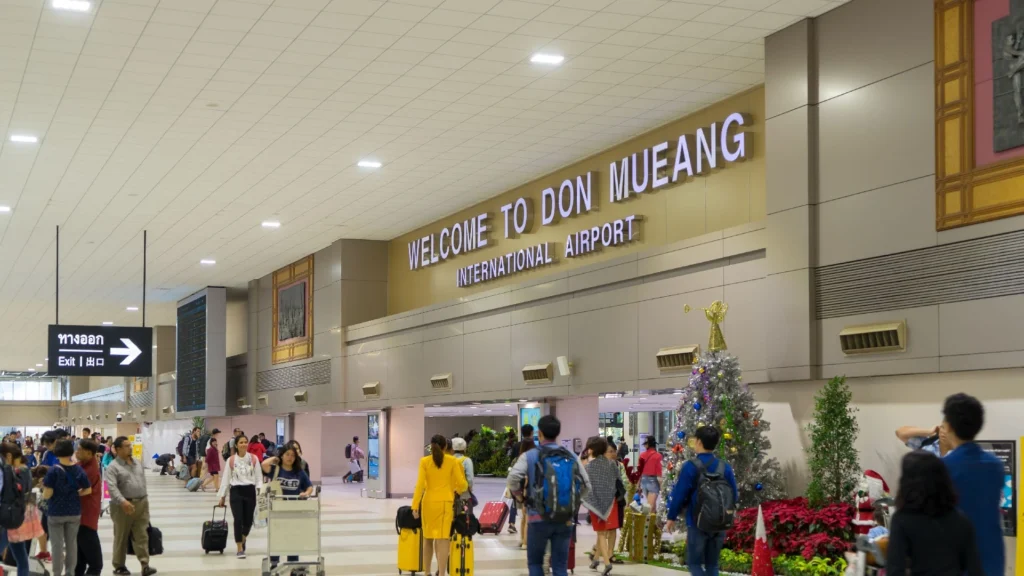
1. Bangkok–Kuala Lumpur
Kuala Lumpur ranked as Bangkok’s busiest international route by frequency, recording 154 scheduled flights during the week.
The route offered 29,074 seats, driven largely by high-density narrowbody operations and strong short-haul demand. Don Mueang accounted for a majority of services, highlighting the importance of low-cost carriers on this city pair.
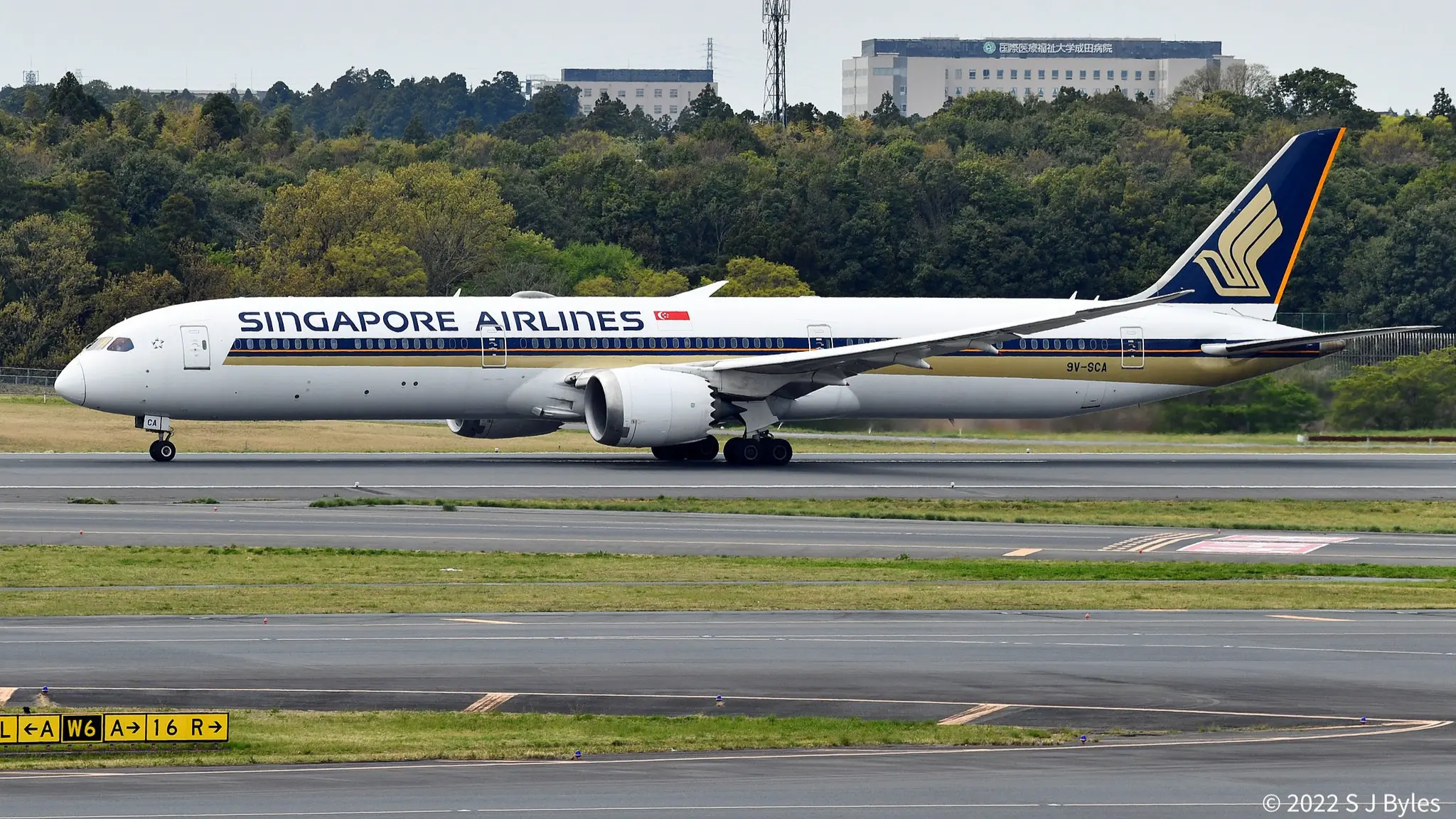
2. Bangkok–Singapore
Singapore followed closely with 153 weekly flights but led all routes in total seat capacity at 41,087 seats.
Airlines deployed larger aircraft on this sector, reflecting premium demand and high passenger volumes. The route remains a cornerstone of Bangkok’s international network due to its business and transit traffic.

3. Bangkok–Hong Kong
Hong Kong ranked third with 146 flights and 39,528 seats during the period. The route continues to benefit from strong corporate travel and recovering tourism demand.
Most operations were concentrated at Suvarnabhumi, supporting higher-capacity aircraft deployment.
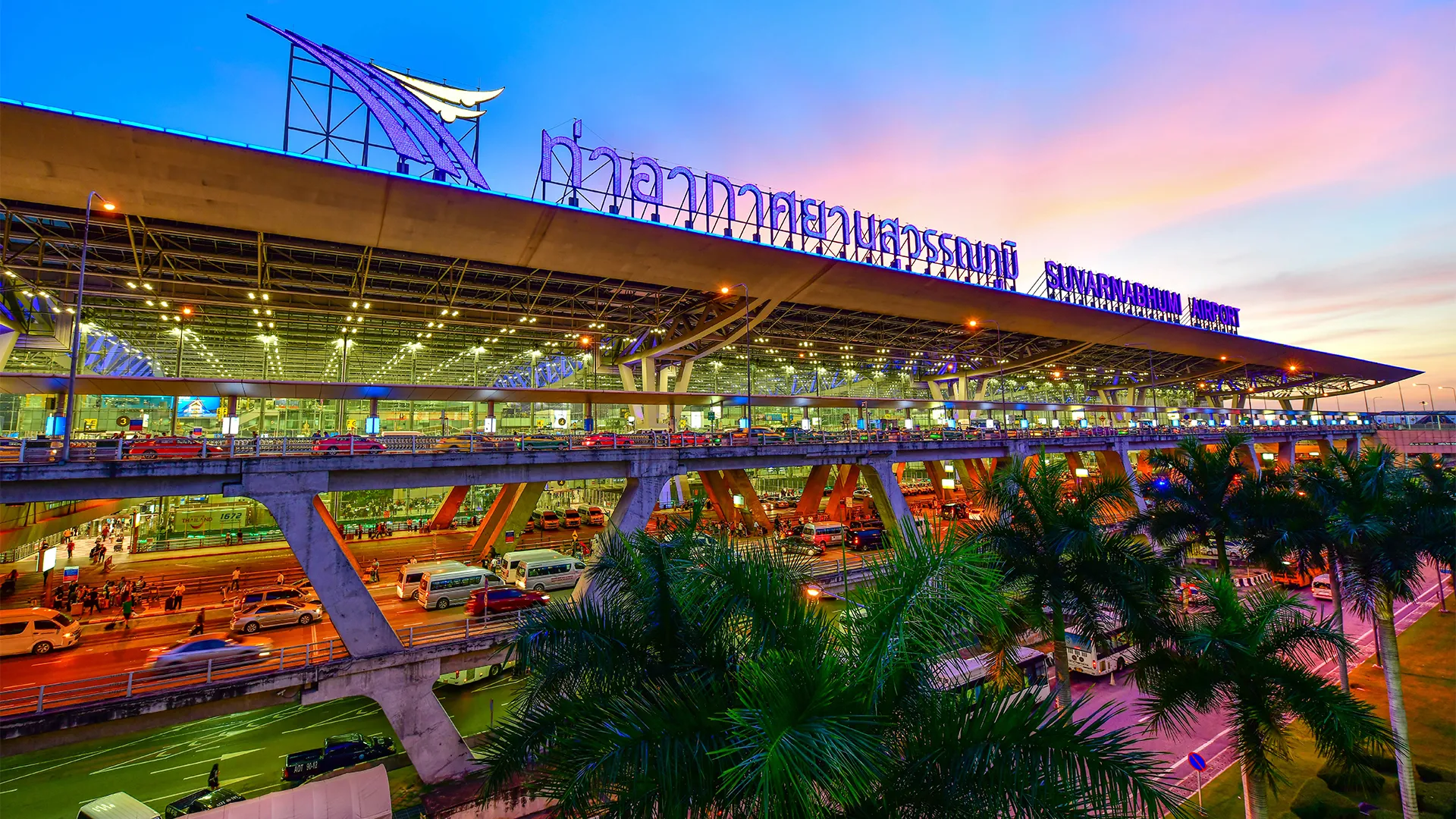
4. Bangkok–Taipei
Taipei secured fourth place with 136 flights and 36,478 seats across the week. The route demonstrated stable scheduling patterns and consistent passenger demand.
Balanced operations between BKK and DMK supported both leisure and visiting friends and relatives traffic.
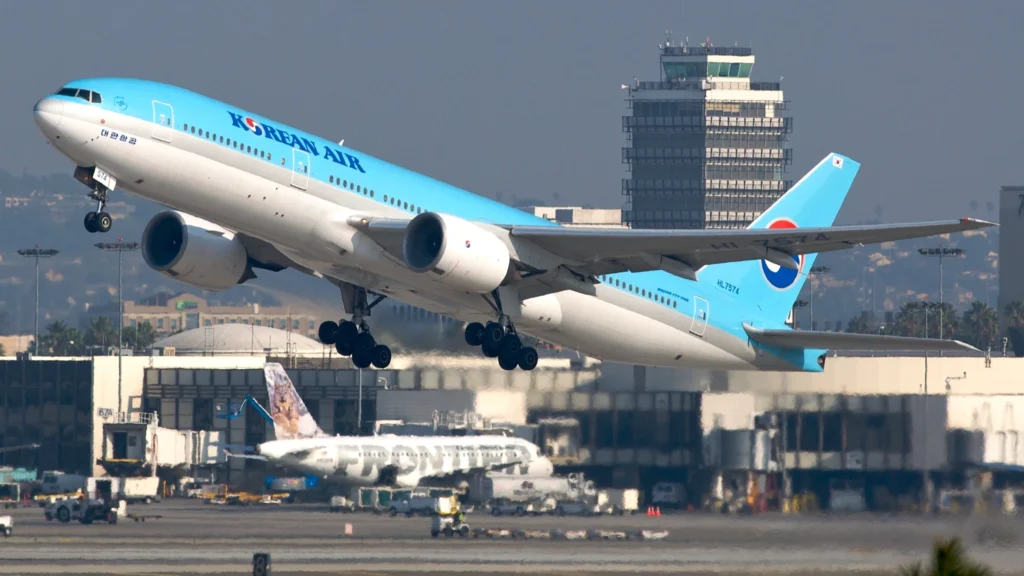
5. Bangkok–Seoul
Seoul ranked fifth with 129 flights and 34,061 seats, maintaining its role as a major Northeast Asian market.
Airlines sustained frequent service to capture both inbound tourism and outbound Thai travel. Capacity levels remained steady, indicating a mature and reliable route.
6. Bangkok–Shanghai
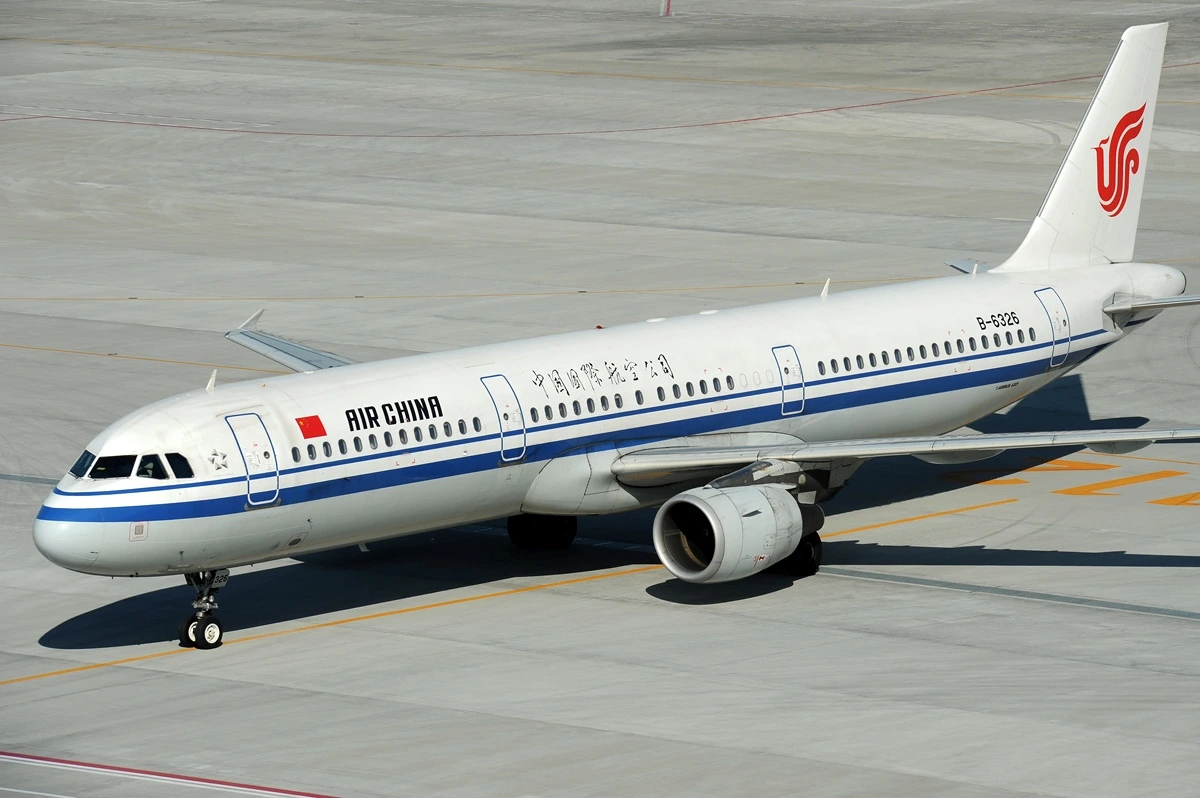
Shanghai placed sixth with 120 flights and 24,978 seats, reflecting a frequency-led strategy with a smaller average aircraft size.
The route showed cautious capacity deployment amid a gradual recovery in mainland China travel. Most services operated through Suvarnabhumi, supporting connectivity beyond point-to-point demand.
7. Bangkok–Tokyo
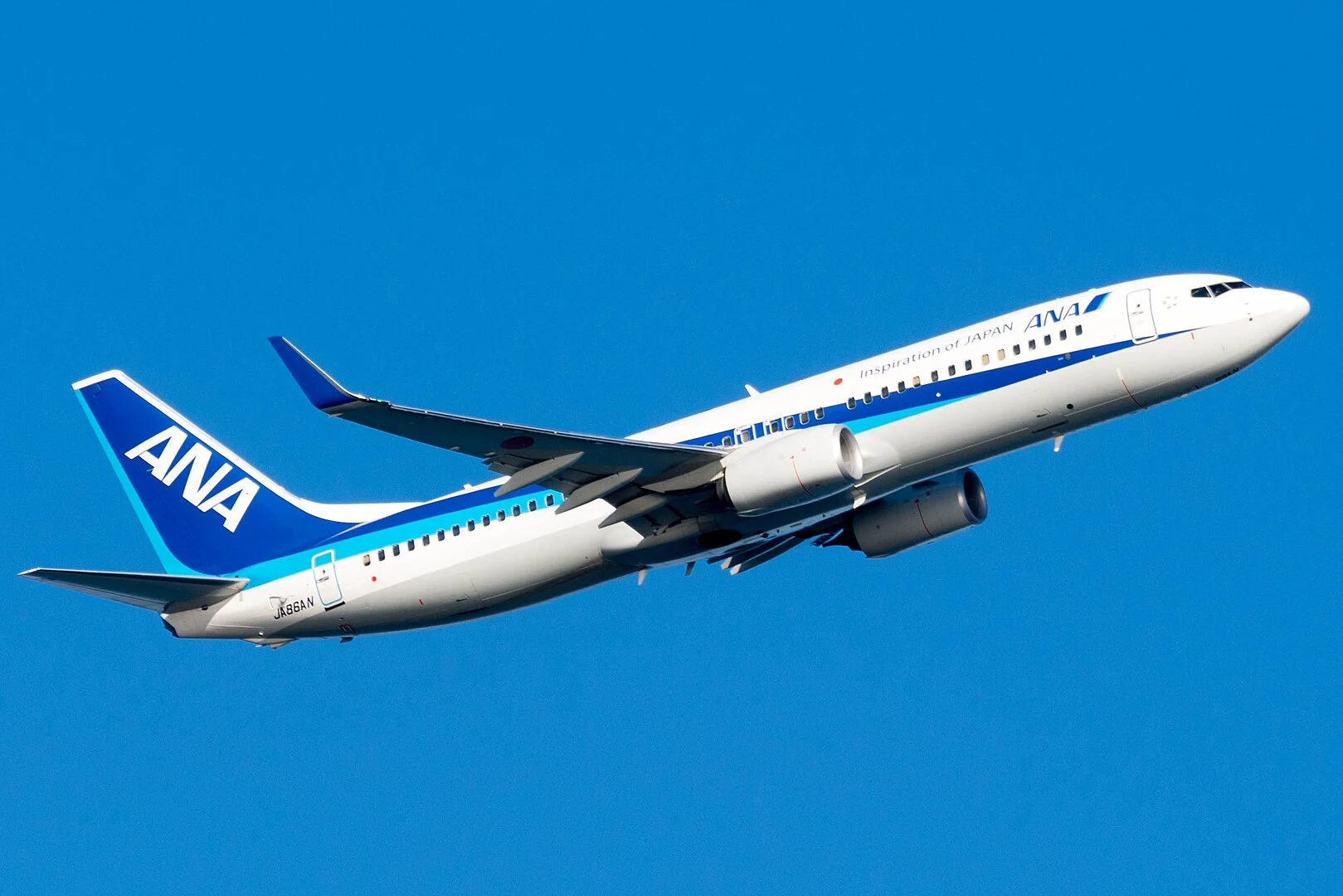
Tokyo followed closely with 119 flights and 34,758 seats, combining services to both Narita and Haneda airports.
The route benefited from diversified demand across business travel, tourism, and connecting passengers. Capacity distribution suggested balanced airline confidence in the Japanese market.

8. Bangkok–Guangzhou
Guangzhou ranked eighth with 115 flights and 22,024 seats during the week. The route relied primarily on short-haul narrowbody operations with consistent frequency.
Demand remained stable, driven by trade, tourism, and regional travel flows.
9. Bangkok–Yangon
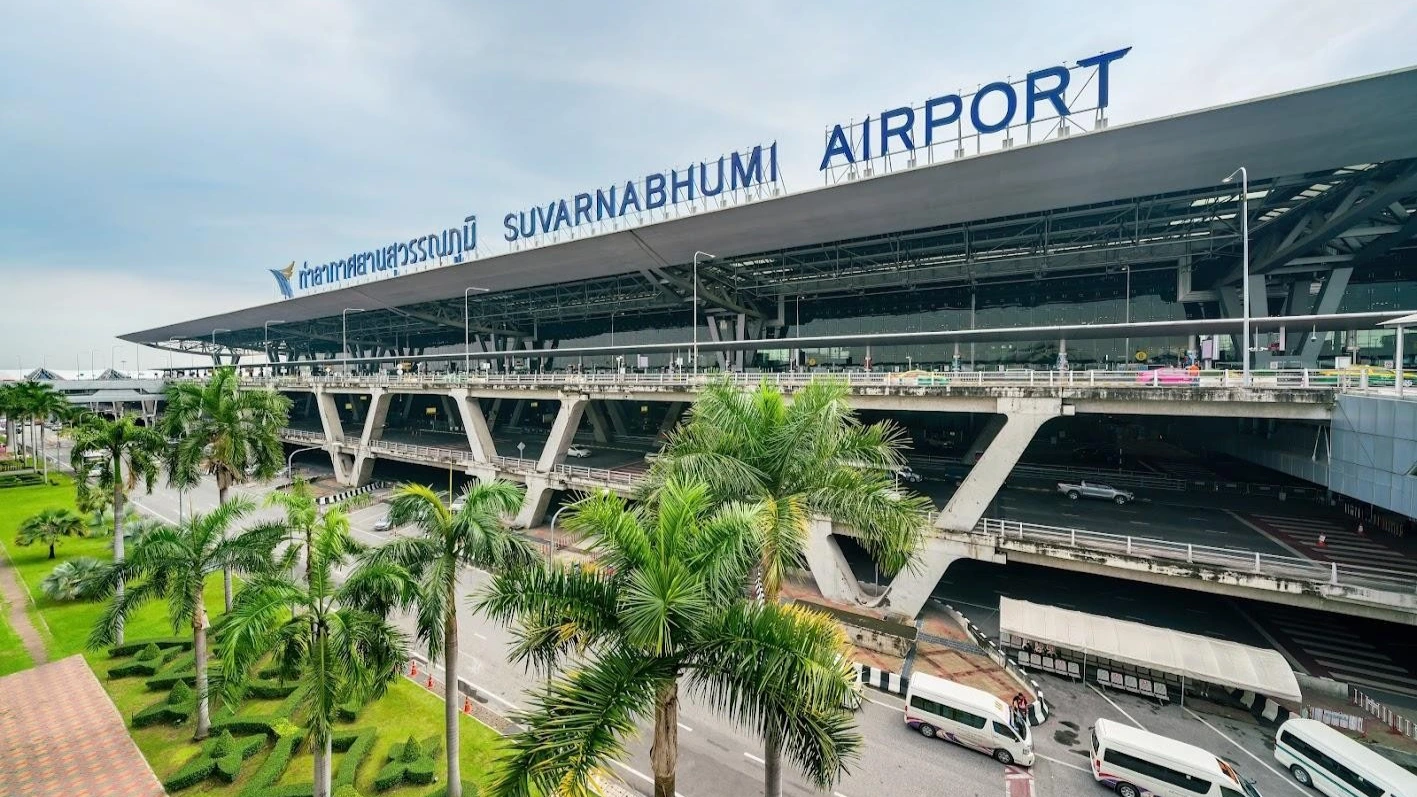
Yangon secured ninth place with 99 flights and 15,144 seats, underscoring its importance as a high-frequency regional route.
Airlines focused on operational consistency rather than capacity expansion. The route continues to support labor mobility and cross-border travel.
https://commons.wikimedia.org/wiki/File:Vietnam_Airlines,_VN-A866,_Boeing_787-9_Dreamliner_(49574713273).jpg
10. Bangkok–Ho Chi Minh City
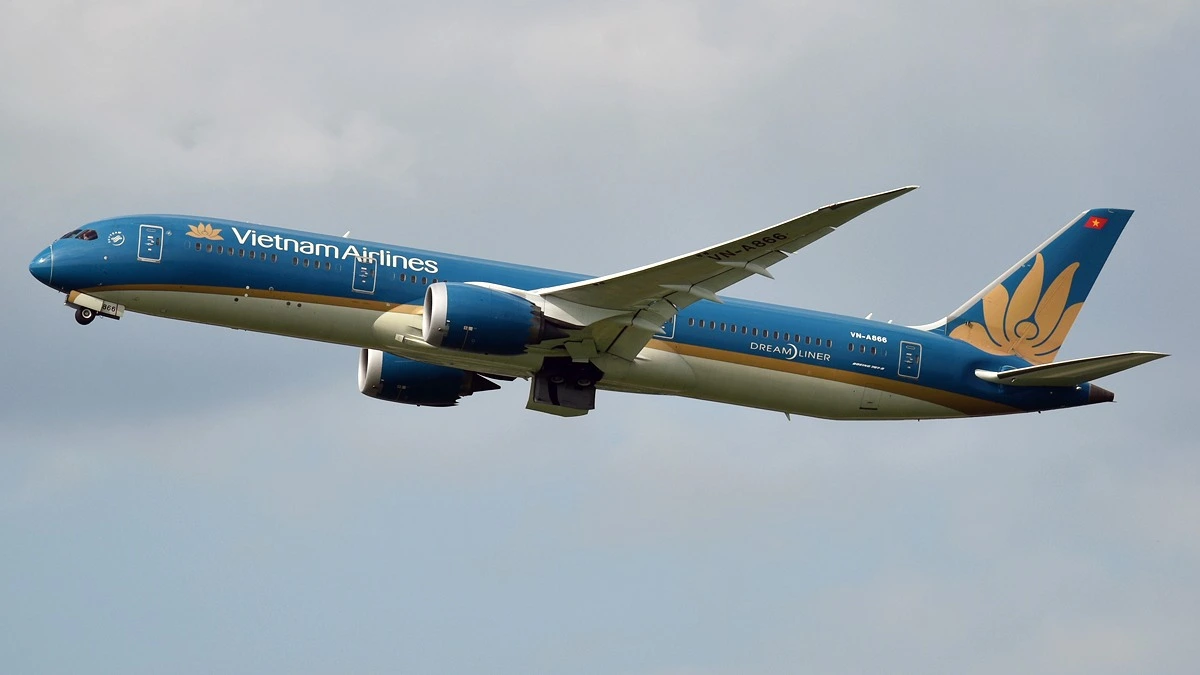
Ho Chi Minh City completed the top 10 with 91 flights and 17,356 seats. The route maintained strong tourism and business travel demand.
Both Bangkok airports contributed to frequency, supporting flexible airline scheduling.
Bottom Line
Bangkok’s top 10 international routes in week 3 of 2026 highlight a network built on frequency, regional proximity, and diversified demand. Kuala Lumpur led in flight volume, while Singapore dominated seat capacity.
The combined strength of BKK and DMK continues to anchor Bangkok’s role as one of Asia’s most connected aviation markets.
Stay tuned with us. Further, follow us on social media for the latest updates.
Join us on Telegram Group for the Latest Aviation Updates. Subsequently, follow us on Google News
