

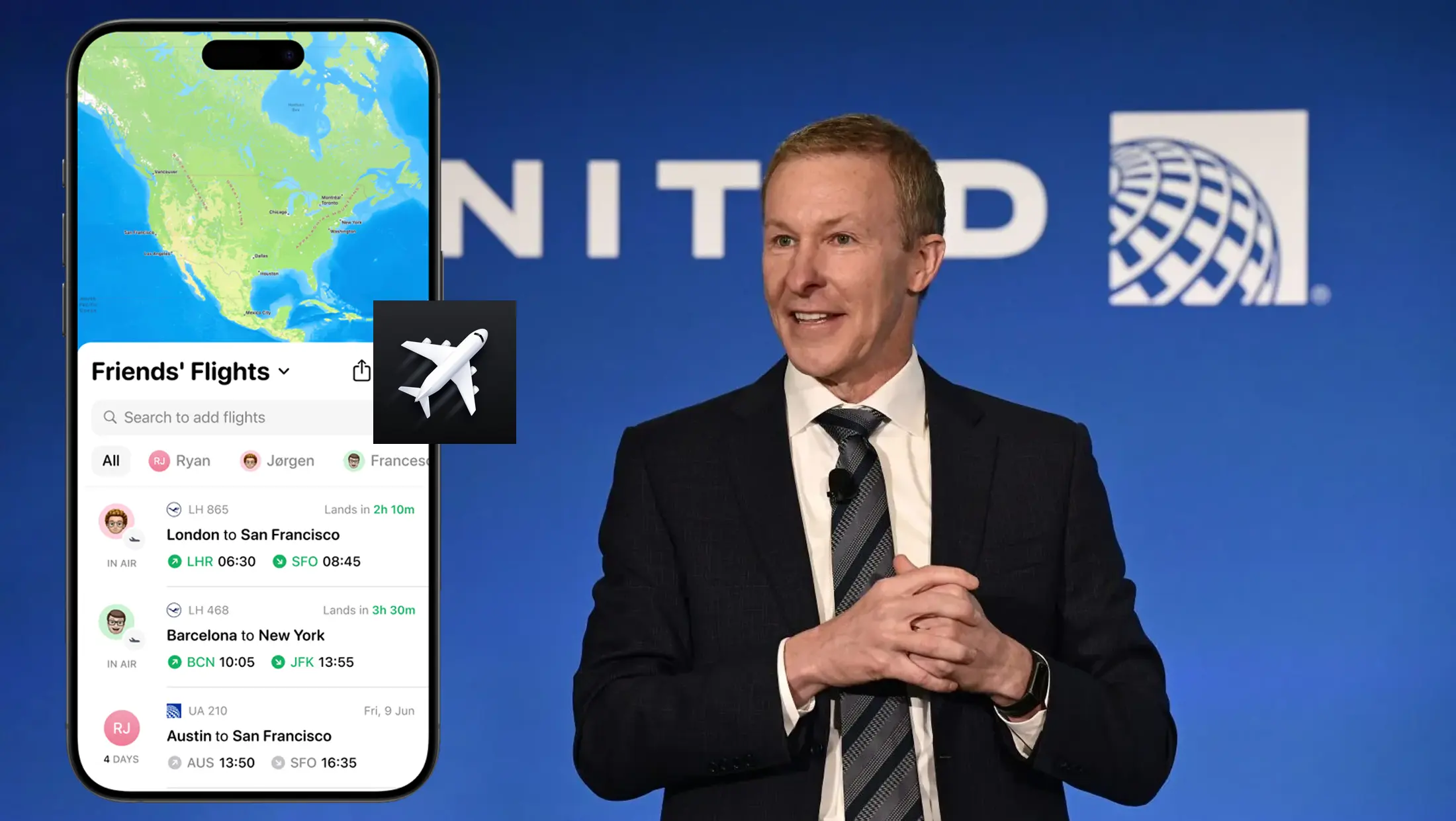
CHICAGO- United Airlines (UA) has emerged as a notable exception in an industry often criticized for outdated technology and limited digital transparency.
Under CEO Scott Kirby, United has invested in mobile tools that prioritize passenger clarity over cosmetic design or aggressive upselling. These efforts position the airline as a technology leader among global carriers.
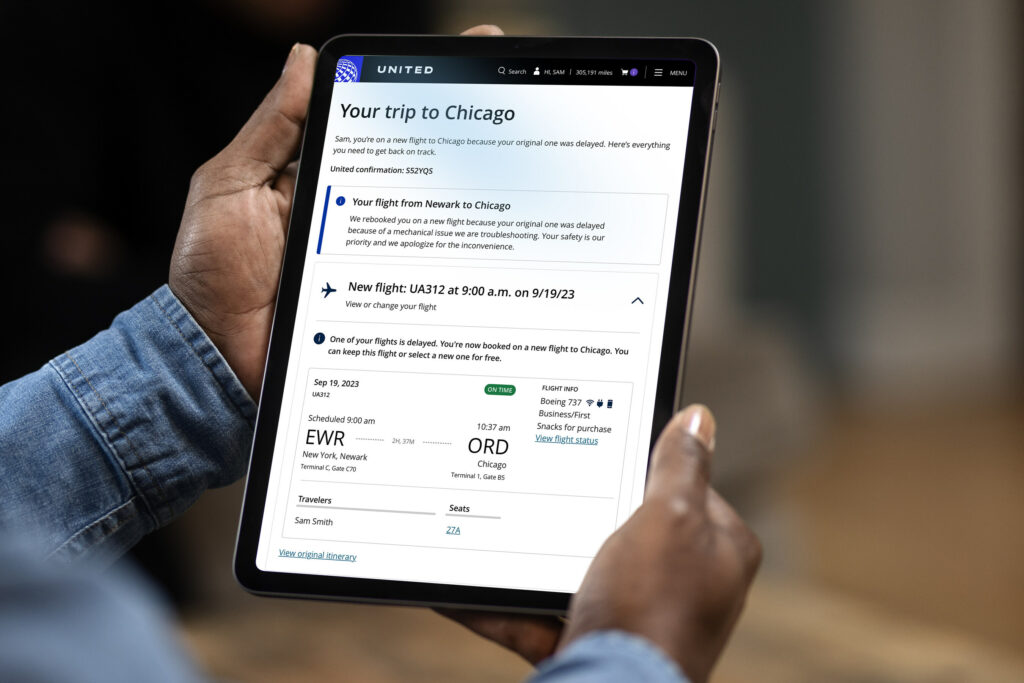
United Airlines Passenger App Experience
Airlines are rarely associated with strong technology execution. Aging legacy systems have contributed to repeated operational failures across the industry, leaving passengers with limited information during delays and cancellations.
Many airline apps appear modern but fail to deliver meaningful, real-time insights.
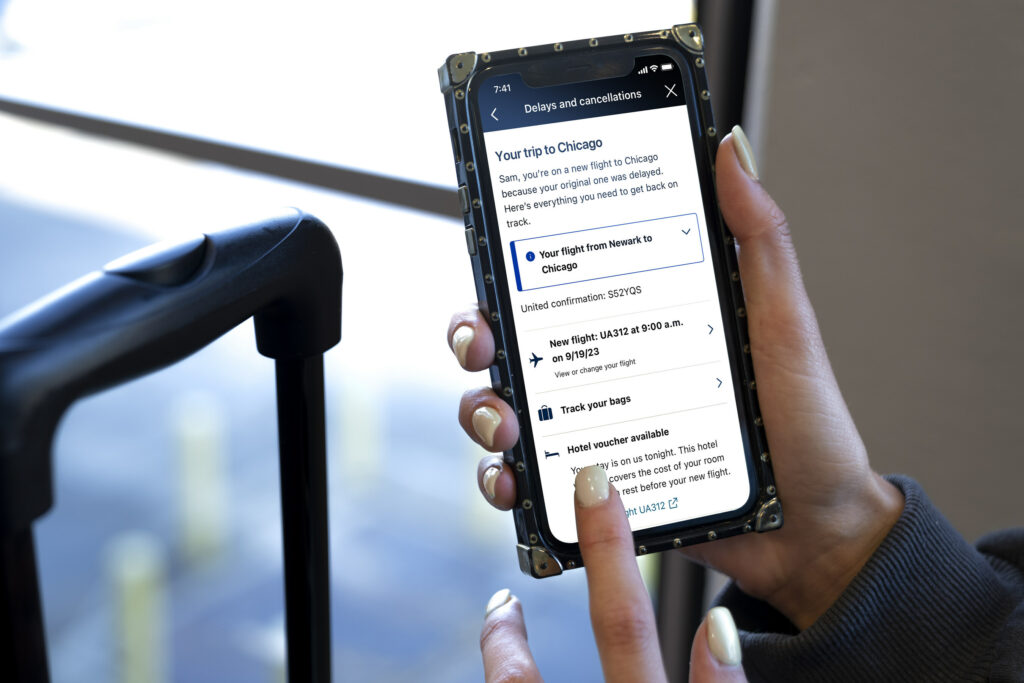
United Airlines has taken a different approach. While its systems are not without flaws, the carrier has focused on features that directly improve how passengers manage disruptions.
According to PYOK, the United mobile app has become a central tool for travelers rather than a secondary booking interface.
Key features include end-to-end checked baggage tracking, a personalized connection assistant that guides passengers through airport transfers, and weather maps combined with real-time delay explanations powered by artificial intelligence.
The app also supports automatic rebooking during significant disruptions and uses ConnectionSaver technology to briefly hold departing flights when delayed passengers have a realistic chance of making their next connection.
Why Scott Kirby Looked at Flighty
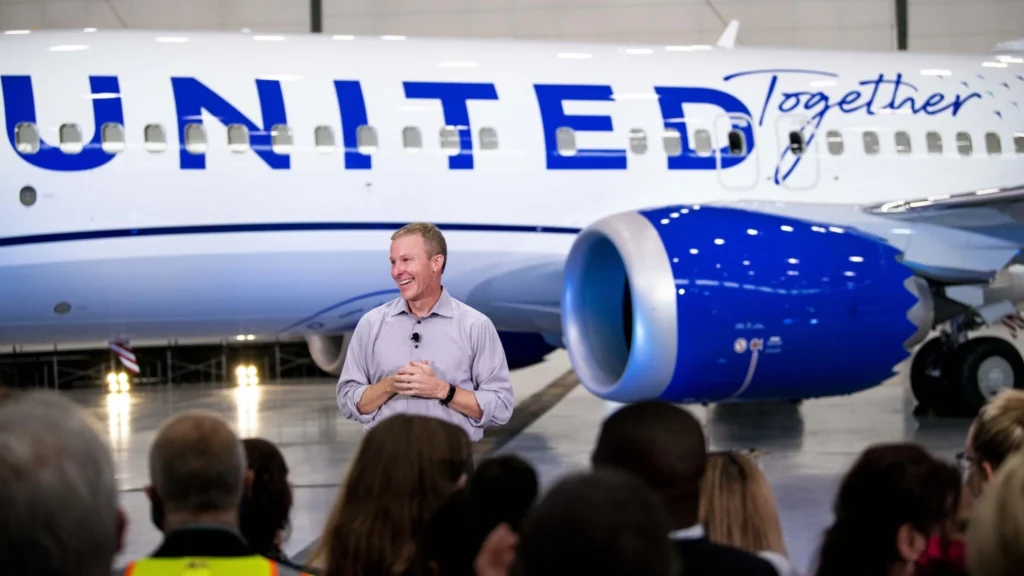
In an interview with Stratechery, United CEO Scott Kirby revealed that he had openly discussed the idea of acquiring the independent flight tracking app Flighty to accelerate United’s app development.
“I shouldn’t say this in public, but I told our team, ‘We should just go buy Flighty,’” Scott Kirby said.
He added that his interest went beyond the software itself. Kirby emphasized the value of acquiring a team that operates outside traditional airline headquarters culture and approaches problems without preconceived limitations.
“We’ll keep running it as Flighty, but I just want smart people that aren’t sitting at headquarters that believe anything is possible.
Don’t tell me why we can’t do it, but go buy Flighty, and just let those guys tell us what to do. They’re really good,” Kirby stated.
Flighty’s Origins and Technical Strength
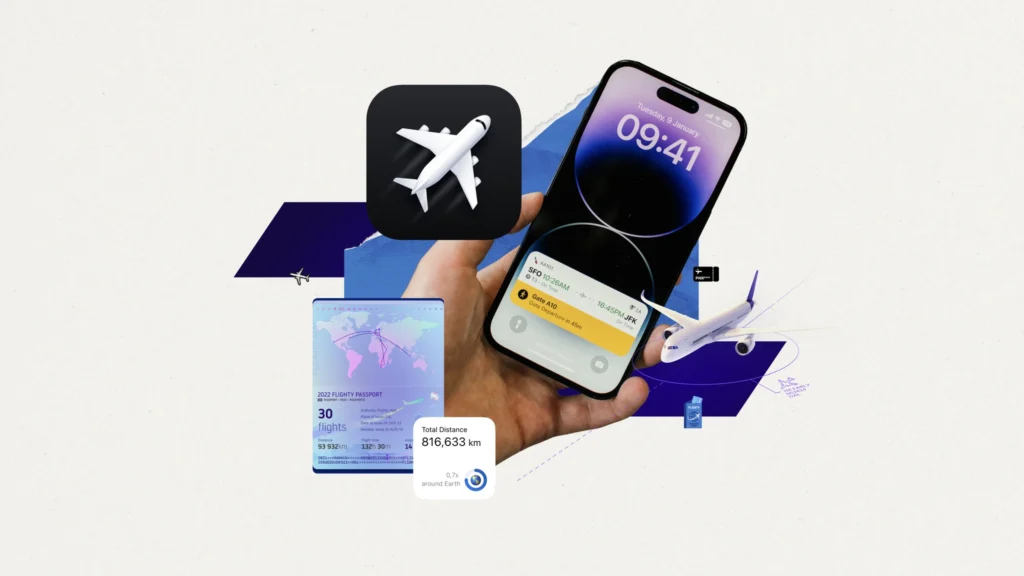
Flighty was launched in 2019 by Ryan Jones, a former Apple employee. Jones developed the app after personally experiencing a long flight delay with little access to clear or timely information.
That experience shaped Flighty’s core mission of transparency and predictive accuracy.
The app aggregates data directly from airline operational systems and partner data providers. It shows users where their aircraft is coming from, tracks inbound flights, and predicts delays using multiple data points, including weather patterns and air traffic control constraints.
This depth of information is often absent or poorly surfaced in airline-owned apps, making Flighty a preferred tool among frequent travelers.
Industry Recognition and Competitive Influence
During the Stratechery discussion, interviewer Ben Thompson noted that he had spoken directly with Ryan Jones about United’s progress.
Jones acknowledged that United has “by far the best app” among airlines, while joking that the carrier appears to be “stealing all his good ideas,” a remark intended as praise rather than criticism.
Kirby believes United currently leads the industry in explaining why flights are delayed, a critical factor in passenger trust. However, he also acknowledged that the airline is still early in its long-term vision.
“I think we have the data architecture that allows us to do it, and AI is really the right tool to effectuate that, and I think we’re getting much better at it,” Kirby said.
He described United’s current position as “the pregame” phase of delivering truly comprehensive passenger information.
What Comes Next for United and Flighty
Whether United Airlines will ultimately acquire Flighty remains uncertain. No formal deal has been announced, and Kirby did not suggest that an acquisition is imminent.
What is clear is that United will continue drawing inspiration from Flighty’s execution and design philosophy.
The airline’s strategy reflects a broader industry shift where digital experience, transparency, and trust increasingly influence customer loyalty.
United’s focus on actionable information suggests that airline technology competition is moving beyond aesthetics toward measurable passenger value.
Stay tuned with us. Further, follow us on social media for the latest updates.
Join us on Telegram Group for the Latest Aviation Updates. Subsequently, follow us on Google News
