

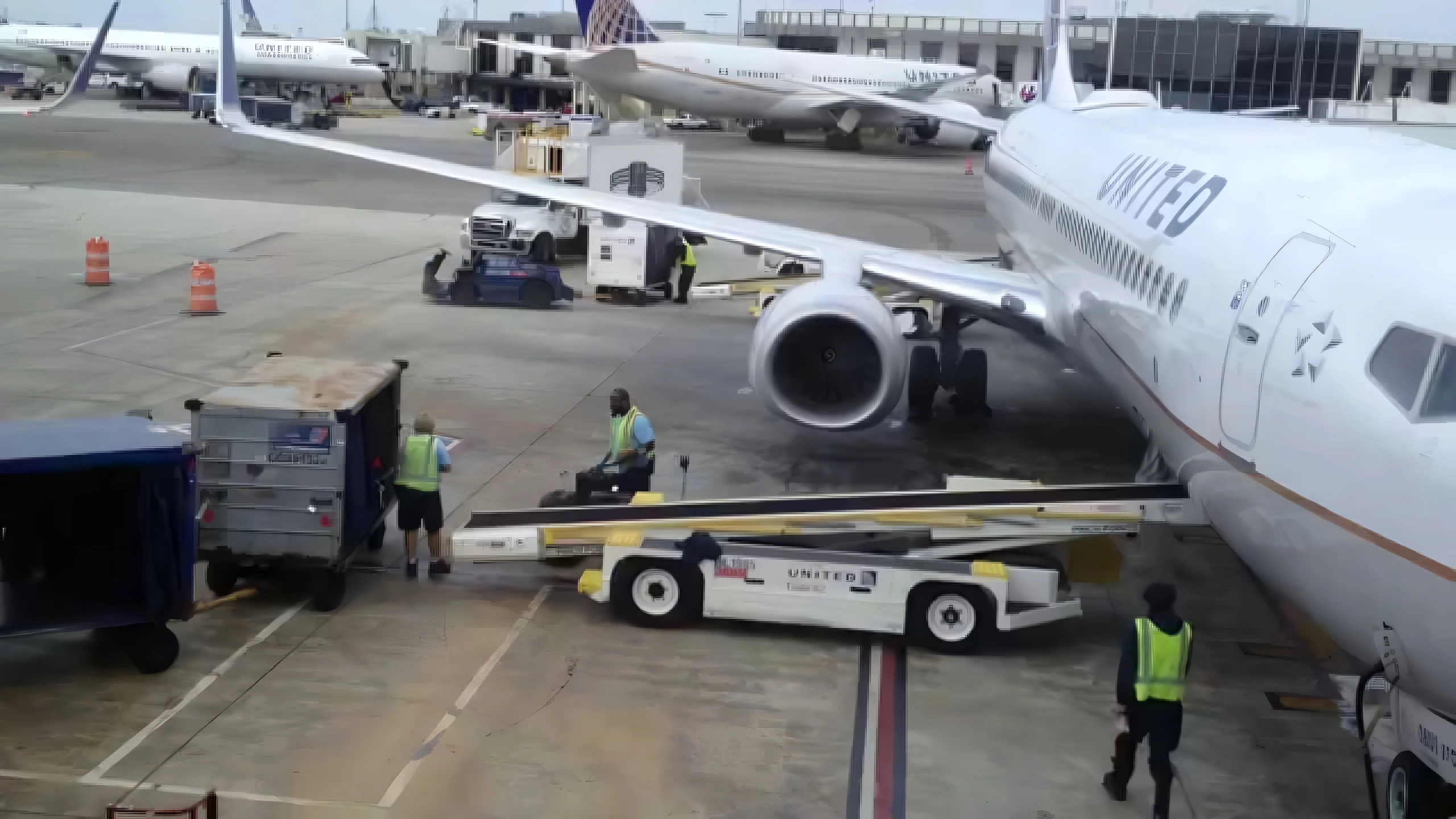
CHICAGO- United Airlines (UA) is placing multiple Pratt & Whitney-powered Boeing 777 aircraft into long-term storage as engine reliability issues and parts shortages disrupt operations.
The affected aircraft operate critical high-density and long-haul routes, including Hawaii, Asia, and Europe. Additional engine incidents could trigger regulatory action that restricts extended overwater flights, placing some of United’s most important routes at risk.
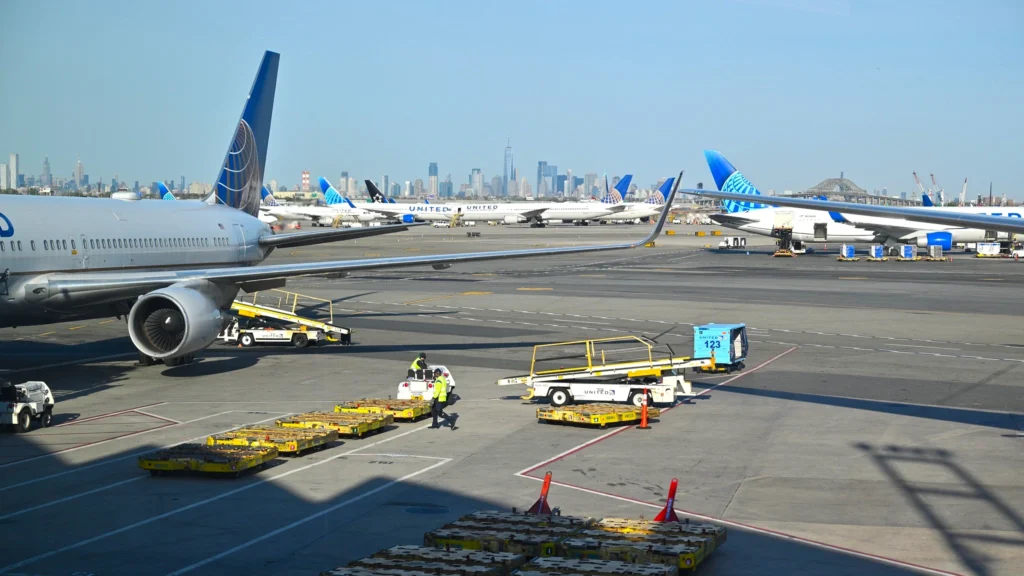
United Boeing 777 Fleet Grounded
United operates a total of 96 Boeing 777 aircraft, broken down as follows:
- 22 Boeing 777-300ERs
- 55 Boeing 777-200ERs
- 19 Boeing 777-200s
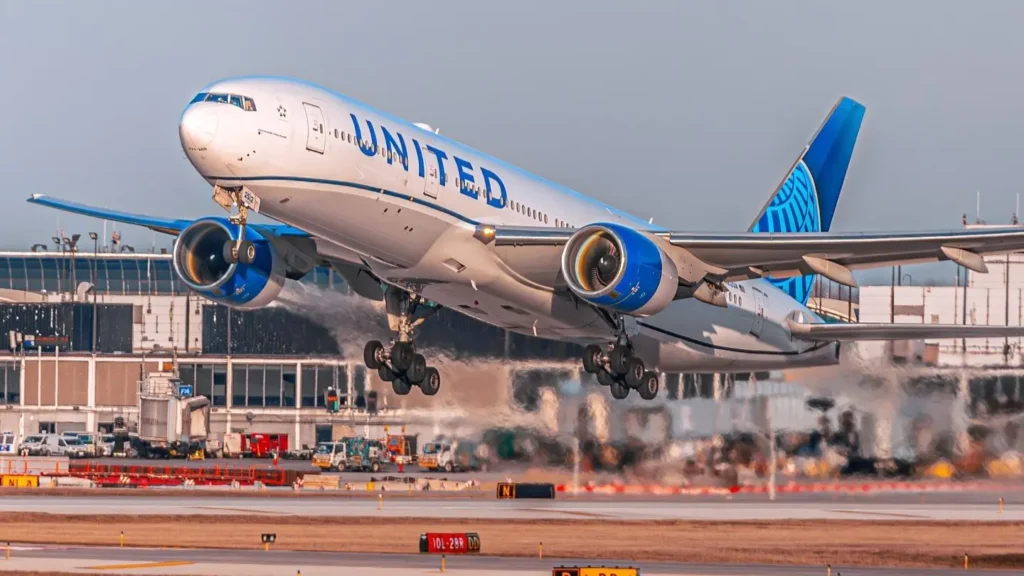
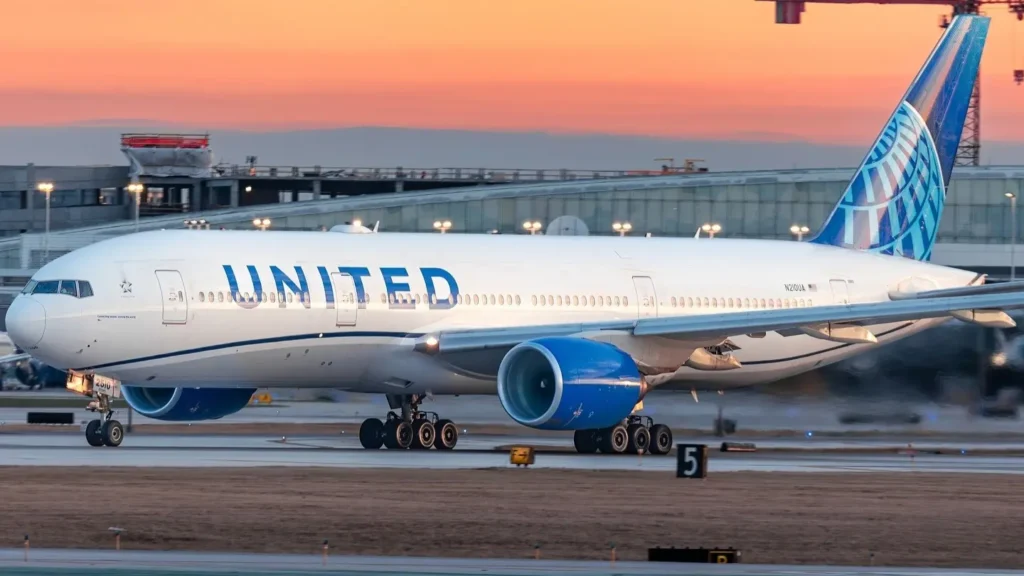
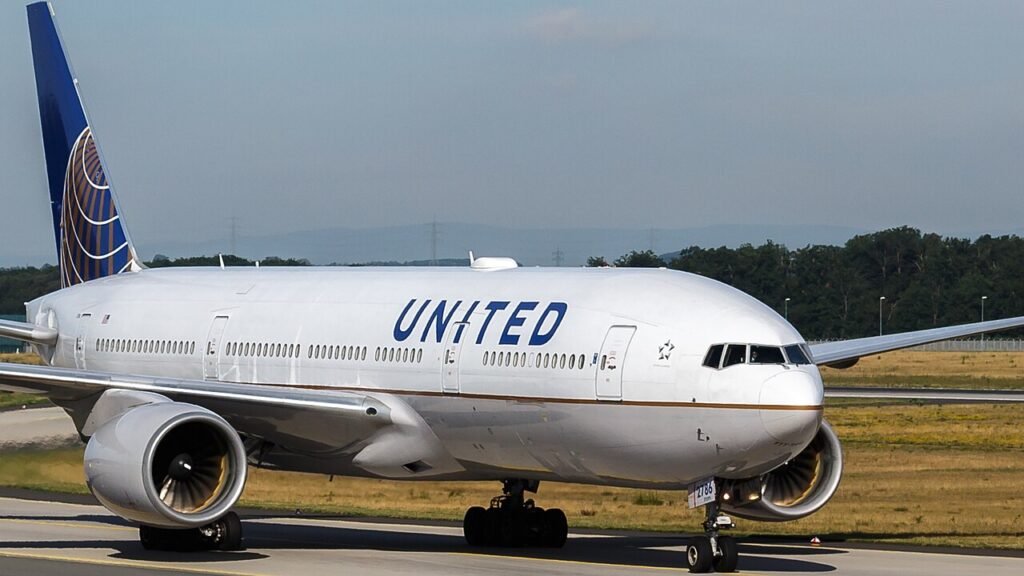
Of these, 52 aircraft are powered by Pratt & Whitney PW4000-112 engines, all inherited from legacy United operations prior to the Continental merger. United is the only US airline operating Boeing 777s with these engines.
This creates significant exposure:
- Approximately 54 percent of United’s Boeing 777 fleet
- Roughly 23 percent of United’s total widebody fleet (52 of 223 aircraft, including 777s, 787s, and 767s)
The average age of United’s 777-200 fleet is 27.5 years, while the 777-200ER fleet averages 24.8 years.
Older aircraft are more difficult to support, and limited spare engines and maintenance capacity are now grounding otherwise serviceable airframes.
United has begun formally storing, not retiring, some Pratt-powered Boeing 777s in Victorville, California, a known long-term aircraft storage location.
At least one aircraft was officially moved into storage last month, with more expected to follow as engine availability remains constrained.
According to View from the Wing, engine parts shortages, especially the lack of spare PW4000 engines and limited shop capacity, are the primary drivers behind these storage decisions.
Some sources suggest a partial solution may emerge, but current conditions indicate that a meaningful number of aircraft could remain parked through the summer.
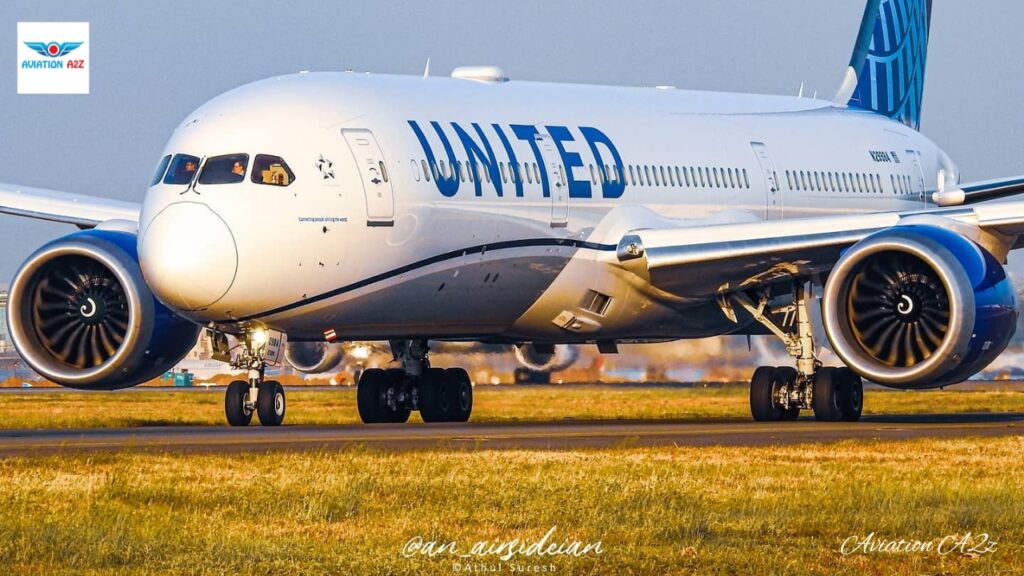
PW4000 Engine Problem and Inspection Burden
The Pratt & Whitney PW4000-112 engine has been linked to multiple high-profile fan blade failures.
Over time, fatigue cracks can develop on the interior surfaces of hollow fan blades, where visual inspections cannot detect them.
If a crack propagates:
- A fan blade can fracture
- The failure can cause violent engine damage
- Surrounding structures may be compromised
- Fires or debris release can occur
Following earlier incidents, the FAA issued a 2021 emergency airworthiness directive requiring advanced imaging inspections rather than standard visual checks. These inspections are time-consuming and must be repeated frequently.
Boeing and Pratt & Whitney are working on integrated engine and airframe design changes. The FAA has mandated that these modifications be fully incorporated by March 2028, although Boeing and United have requested additional time.
Until then, aircraft cycle through repeated inspections and maintenance visits, often remaining idle while awaiting engines.
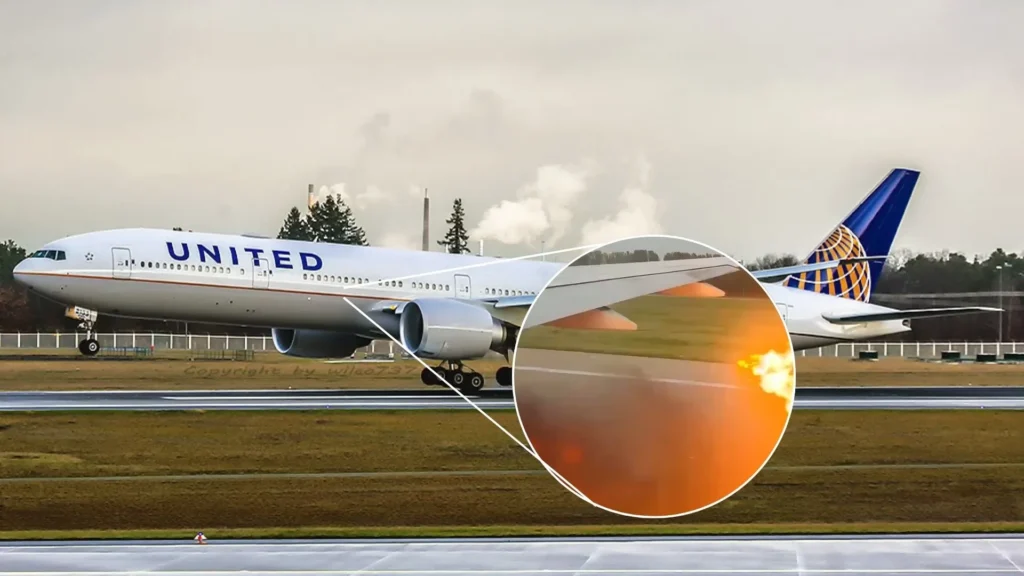
Previous Engine Failures
In February 2018, United Flight 1175 experienced a fan blade separation near Hawaii. While on approach to Honolulu, the aircraft lost parts of the right engine inlet and fan cowl. The crew shut down the engine and landed safely.
The subsequent investigation revealed that a blade with a known crack had been returned to service. Investigators cited training and feedback weaknesses as contributing factors.
In February 2021, United Flight 328 suffered a catastrophic engine failure shortly after departing Denver. A full-length fan blade separation caused extensive nacelle damage, scattering debris over a residential area.
Within days, the FAA grounded much of United’s Pratt-powered 777 fleet and initiated a multi-year inspection and modification program. More than 50 aircraft were removed from service during this process.
Network Consequences of Parking 777s
These aircraft perform two critical roles within United’s network:
- High-density leisure routes where maximum seat capacity matters
- Long-haul international routes where range and payload are essential
As aircraft are removed from service, United must:
- Substitute smaller widebodies such as 787s or 767s
- Reduce frequencies on existing routes
- Cancel routes that lack suitable replacements
Previous engine constraints forced United to delay or cancel services such as Washington Dulles–Dakar and Newark–Stockholm, highlighting how quickly fleet limitations translate into network reductions.
Risk of Losing Extended Overwater Approval
Extended overwater operations depend on strict FAA engine reliability standards measured by in-flight shutdown rates. For twin-engine aircraft, the thresholds are:
- 0.05 shutdowns per 1,000 engine-hours for up to 120 minutes
- 0.03 shutdowns per 1,000 engine-hours for 120 to 180 minutes
- 0.02 shutdowns per 1,000 engine-hours for beyond 180 minutes
The FAA does not automatically revoke approvals due to elevated shutdown rates. If issues stem from design flaws, operators are not immediately penalized.
However, if shutdowns are linked to systemic maintenance or operational shortcomings, the FAA may impose reduced diversion limits.
Because the total engine-hour base is limited, even a single additional shutdown can significantly spike the rate.
Reduced overwater authority would remove these aircraft from transpacific, Hawaii, and certain transatlantic routes.
United would be forced to reassign other aircraft types and restrict affected 777s to routes near diversion airports. Inefficient coastal or Iceland-style routings would not be viable for regular operations.
Restoring Overwater Authority
Regaining higher diversion-time approval requires sustained reliability performance, an approved maintenance program, and demonstrated results over time.
Boeing and Pratt & Whitney must complete long-term design improvements under FAA oversight.
Even if regulatory approval is restored, engine and parts shortages could still limit aircraft availability.
As a result, United may face continued operational constraints even after compliance milestones are met.
Stay tuned with us. Further, follow us on social media for the latest updates.
Join us on Telegram Group for the Latest Aviation Updates. Subsequently, follow us on Google News
