

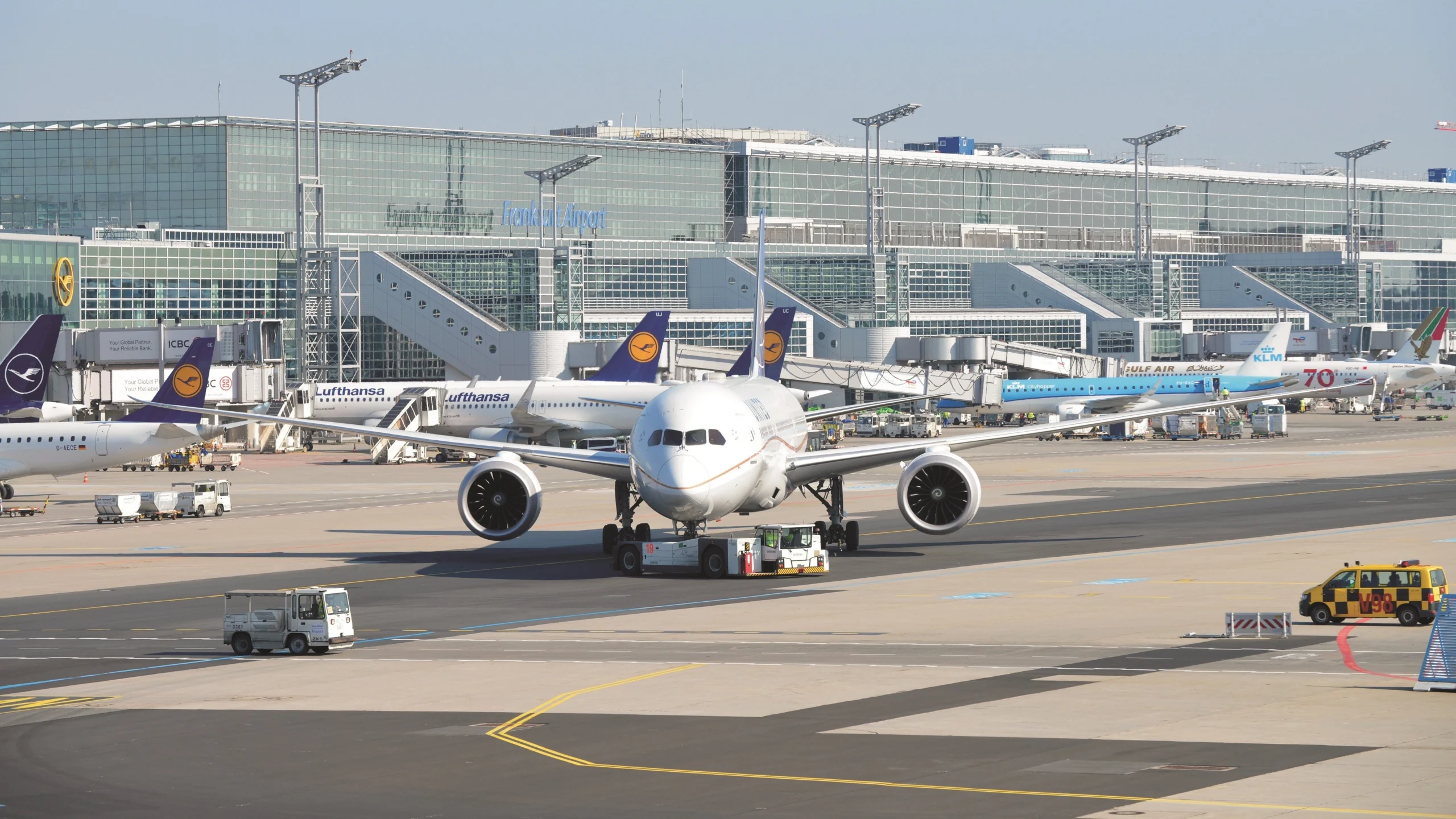
TEHRAN- Iran has once again become the focus of international aviation disruption as multiple global airlines suspended or cancelled flights amid escalating nationwide protests and growing security concerns.
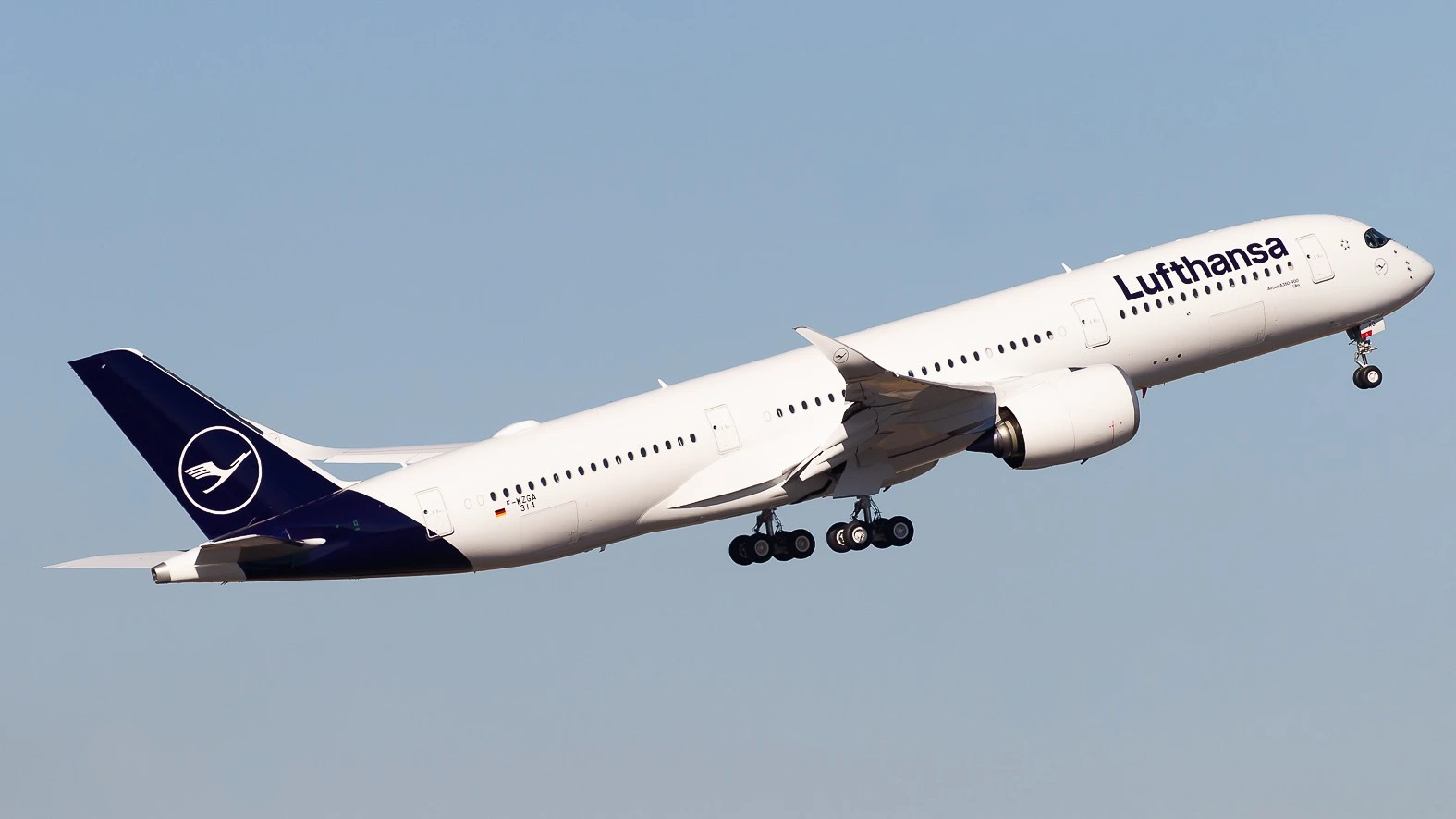
Several European and Asian carriers, including Lufthansa (LH) and Air France (AF), halted services to Tehran Imam Khomeini International Airport (IKA), citing safety assessments and crew welfare considerations. The suspensions affect both passenger and cargo movements and add further strain to an already fragile regional aviation network.
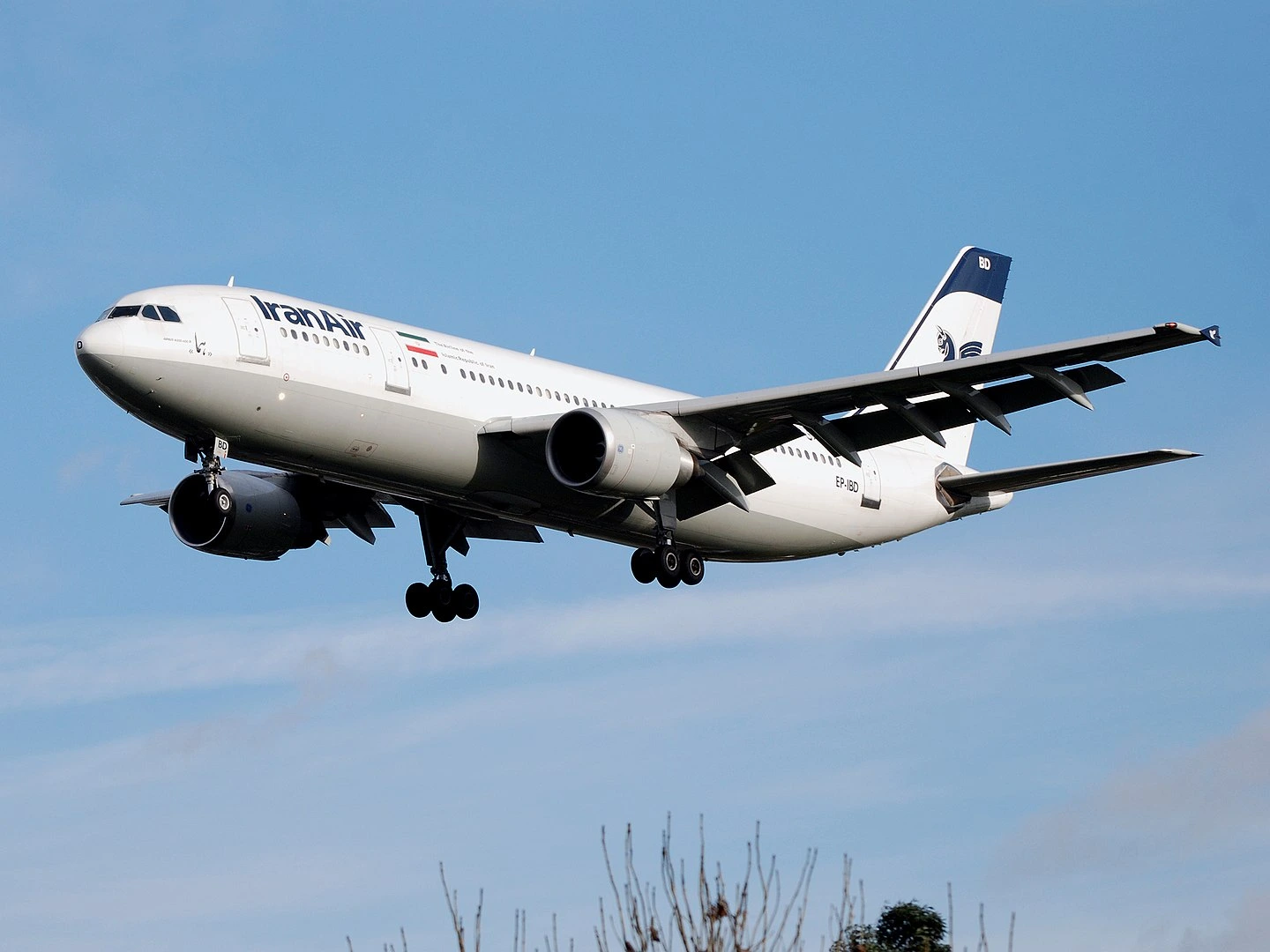
Airlines Cancel Flights to Iran
Airlines operating in or near Iranian airspace have also adjusted flight paths to avoid potential exposure. Tehran (IKA) serves as a critical hub for regional connectivity, and its reduced accessibility is expected to ripple across Middle Eastern, European, and Asian route networks.
Airlines moved quickly to suspend services as protests spread across multiple Iranian cities. Operators emphasized that decisions were driven by real-time risk evaluations rather than commercial factors.
Several carriers extended cancellations beyond initial short-term suspensions as conditions remained volatile. Industry sources indicate that airlines prefer rolling reviews rather than fixed restart dates, reflecting uncertainty on the ground.
Some regional airlines continued limited operations but reduced frequencies. Others opted to suspend flights entirely to protect crews and passengers, reported Paddle Your Own Kanoo.

Airspace risk concerns
Beyond airport operations, Iranian airspace itself has become a concern for international carriers. Airlines have adjusted routings to bypass the country, even when not operating direct services to Iranian destinations.
These detours increase fuel burn and flight times, adding cost pressures at a time when margins remain thin. Dispatchers and flight planners now factor Iranian airspace avoidance into daily operational planning.
Aviation safety analysts note that political instability, not technical airspace closures, often drives such decisions. Airlines prioritize predictability, and uncertainty remains the dominant risk factor.
Impact on Connectivity
Flight suspensions have disrupted travel for thousands of passengers, particularly those connecting through Tehran to Central Asia and the Indian subcontinent.
Rebooking options remain limited due to reduced capacity and longer routings. Cargo operators also face challenges, as Iran previously served as an overflight corridor linking Europe and Asia. Logistics providers report delays and increased costs due to extended flight paths.
Industry observers expect cancellations to continue until protests subside and authorities restore stability. Any prolonged disruption could further isolate Iran from global air networks.
Bottom Line
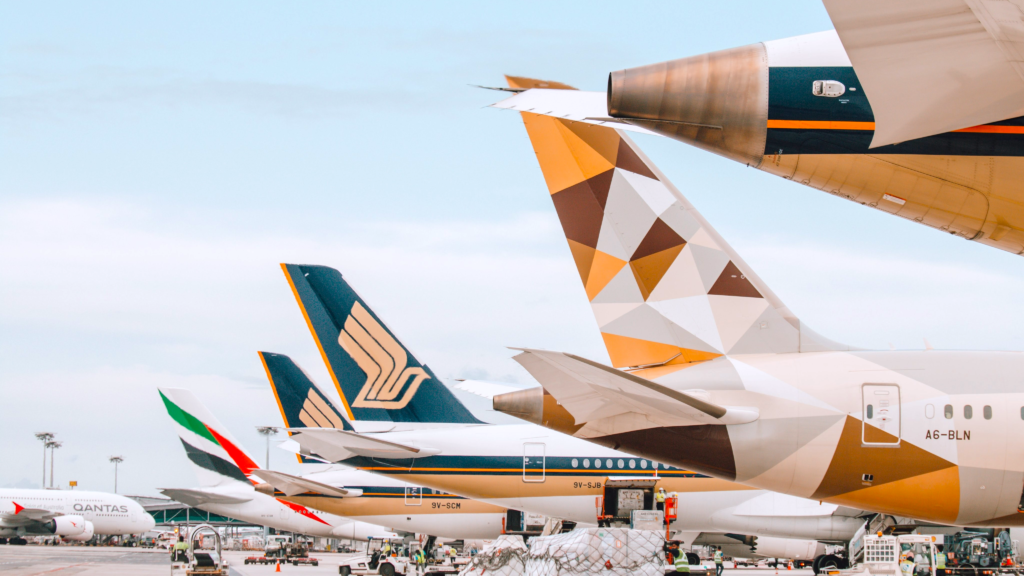
International airlines have responded decisively to unrest in Iran by cancelling flights and rerouting airspace, prioritizing safety and operational certainty.
Until political conditions stabilize, airlines are likely to maintain restrictions, reinforcing how quickly geopolitical events can reshape global aviation connectivity.
Stay tuned with us. Further, follow us on social media for the latest updates.
Join us on Telegram Group for the Latest Aviation Updates. Subsequently, follow us on Google News
