

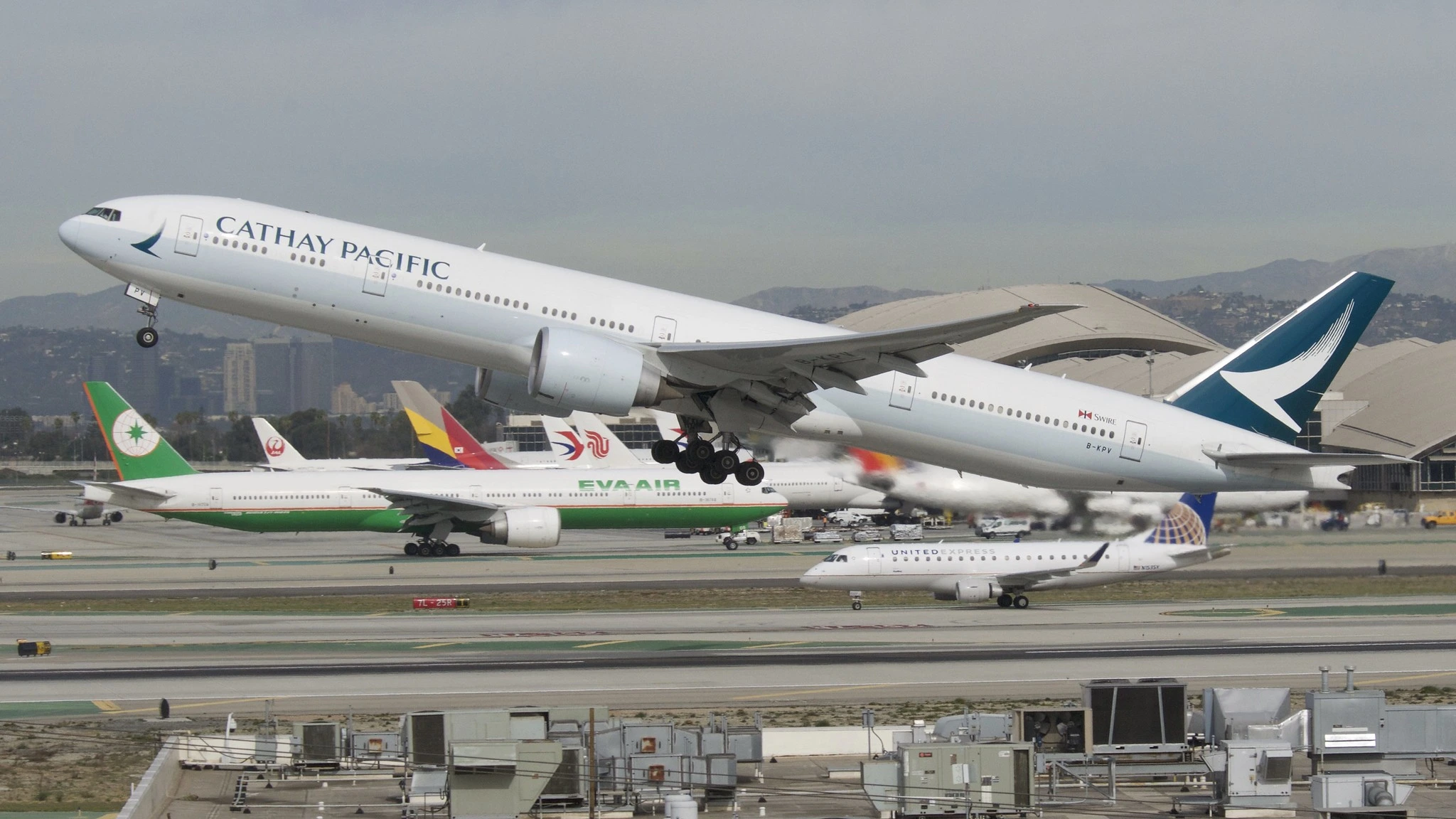
HONG KONG- Air China (CA) completed a partial divestment of its holding in Cathay Pacific Airways (CX), a move described by the Hong Kong carrier’s leadership as tactical rather than strategic. The sale, valued at HK$1.32 billion, has prompted market reaction but no shift in long-term shareholder alignment, according to Cathay’s management.
The transaction involves Cathay Pacific Airways, headquartered in Hong Kong, and reflects portfolio-level decision-making by its mainland partner rather than a change in governance or cooperation. Cathay Group CEO Ronald Lam said the airline continues to regard Air China as a core strategic shareholder despite the reduction in equity.
Air China Sales Cathay Shares
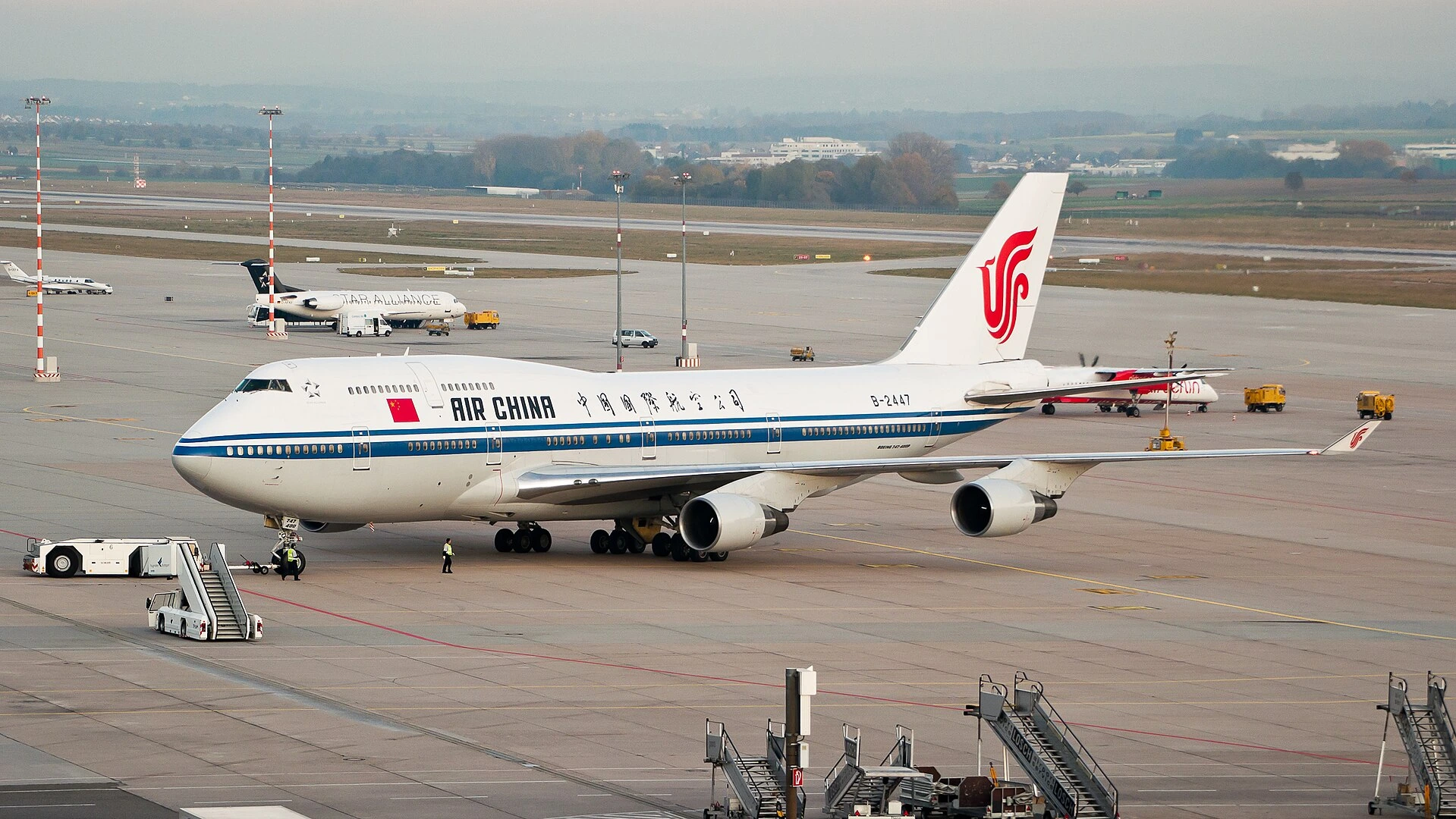
Air China sold 108.08 million Cathay Pacific shares, equivalent to a 1.6 percent stake, generating HK$1.32 billion in proceeds.
The shares were priced at HK$12.22 each, representing a discount of 6.6 percent to Cathay’s previous closing price, a common feature of block trades of this scale.
Following completion, Air China retains a 27.11 percent stake in Cathay Pacific, preserving its position as one of the airline’s largest shareholders. The mainland carrier reported a profit of 182 million yuan from the transaction, reinforcing that the sale was financially opportunistic rather than operationally motivated.
Market reaction was immediate, with Cathay shares closing 2.6 percent lower on the day of the announcement.
Analysts viewed the decline as a short-term response to increased share supply rather than a reassessment of Cathay’s fundamentals.
Strategic Shareholding
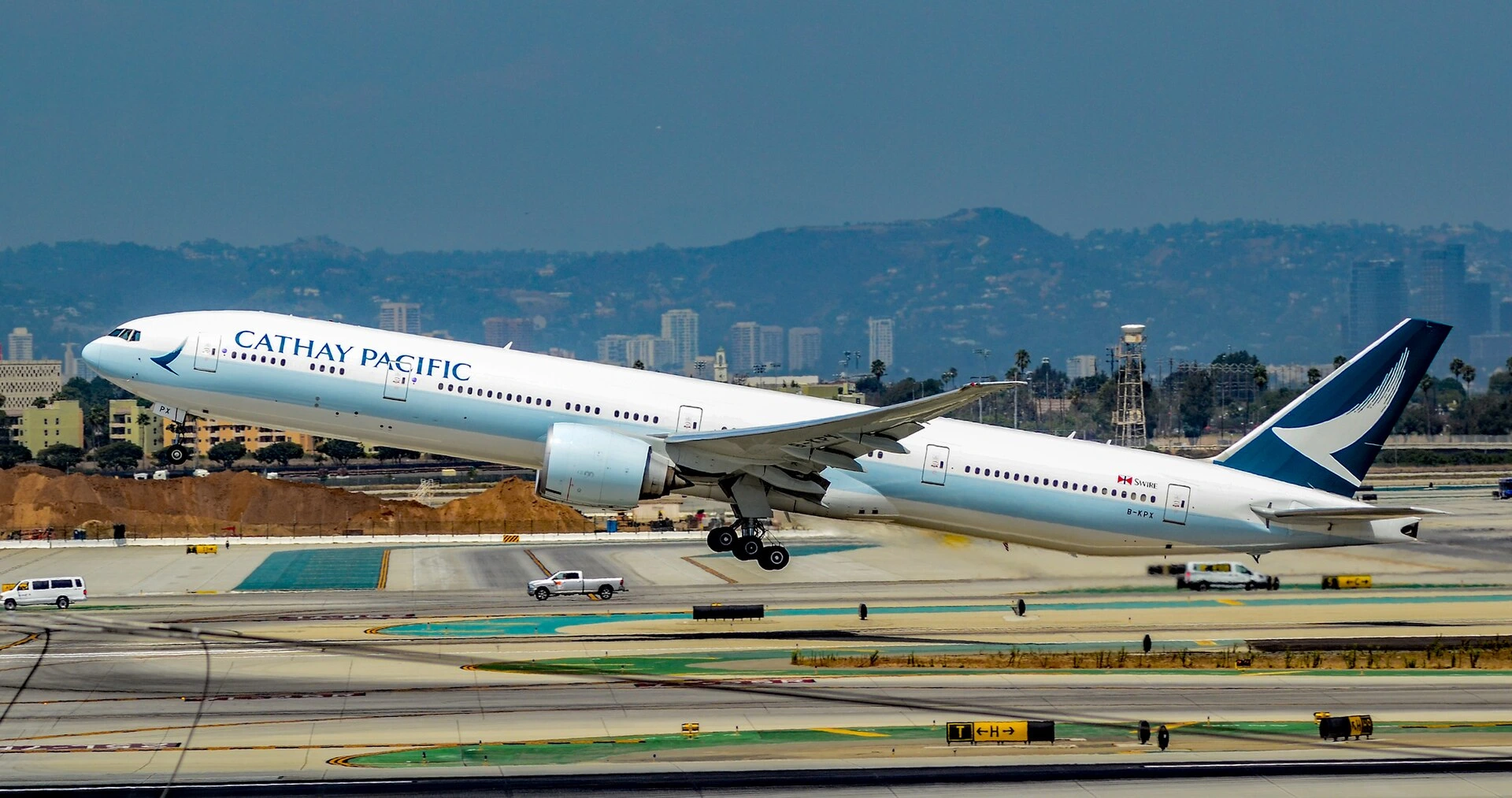
Cathay’s leadership moved quickly to reassure stakeholders that the share sale does not alter the airline’s strategic direction.
Ronald Lam emphasized that Air China’s role remains unchanged and that cooperation between the two carriers continues to be anchored in long-term alignment.
The clarification came as Cathay unveiled a series of initiatives tied to its 80th anniversary, signaling confidence in both brand heritage and forward momentum. Management framed the timing of the sale as coincidental rather than indicative of any broader shift in partnership dynamics.
Cathay’s shareholder structure has historically balanced international and mainland interests, a model that has supported network development and financial resilience. The airline reiterated that this balance remains intact.
Growth And Investment
Alongside the shareholder update, Cathay highlighted strong operational performance during the recent holiday period, with solid demand across Christmas and New Year travel.
Forward bookings for the Lunar New Year point to sustained strength into the first quarter, supporting a return to normalized growth.
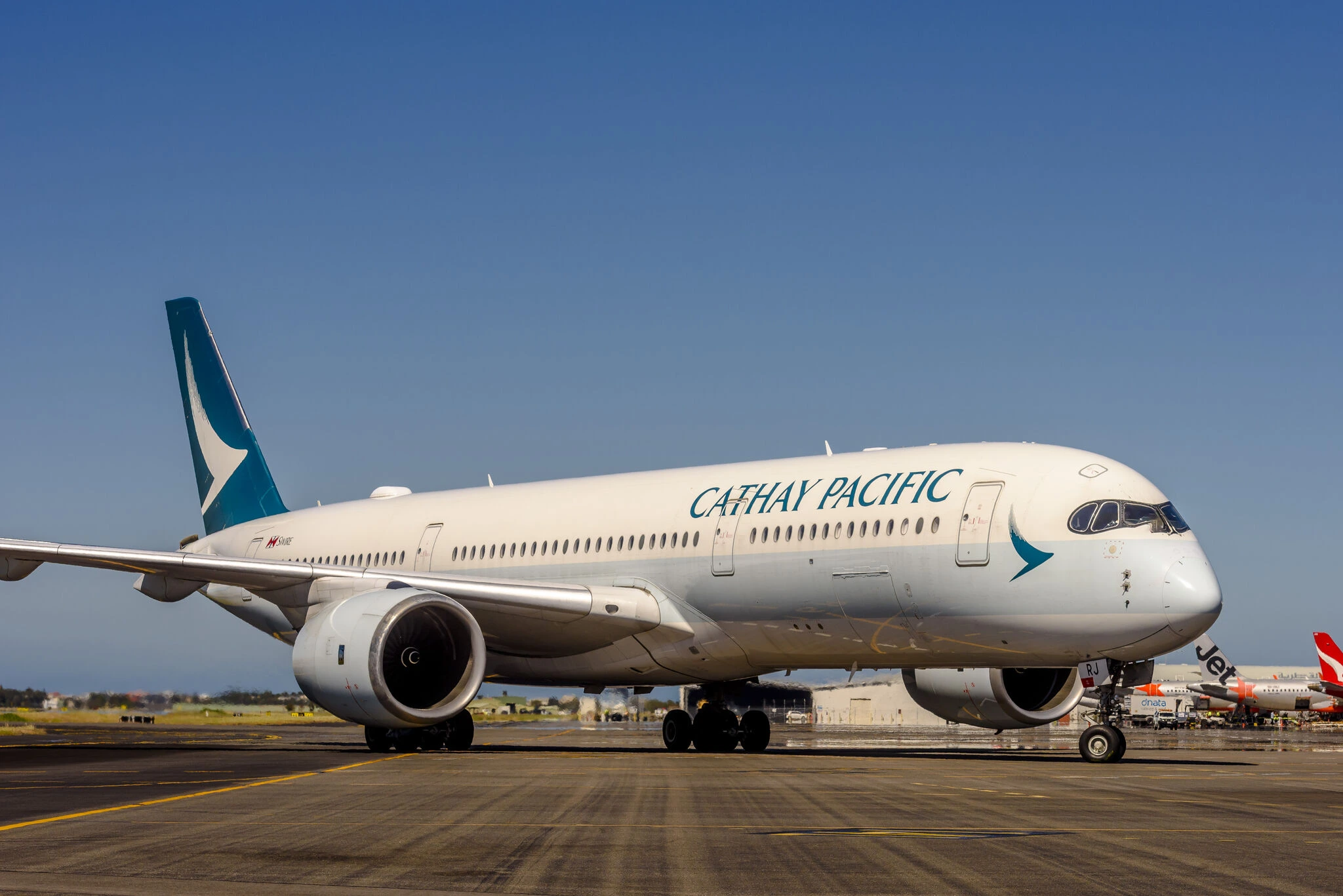
The airline added 20 new destinations last year and is preparing to launch direct flights to Seattle later this year, further expanding its long-haul network. Cathay is also progressing with a HK$100 billion investment plan covering new aircraft, route expansion, and lounge upgrades.
As part of its anniversary celebrations, Cathay introduced heritage aircraft liveries and staff uniforms reflecting different eras of the airline’s history.
These initiatives underline a broader strategy of blending legacy branding with modern fleet and service investment.
Bottom Line
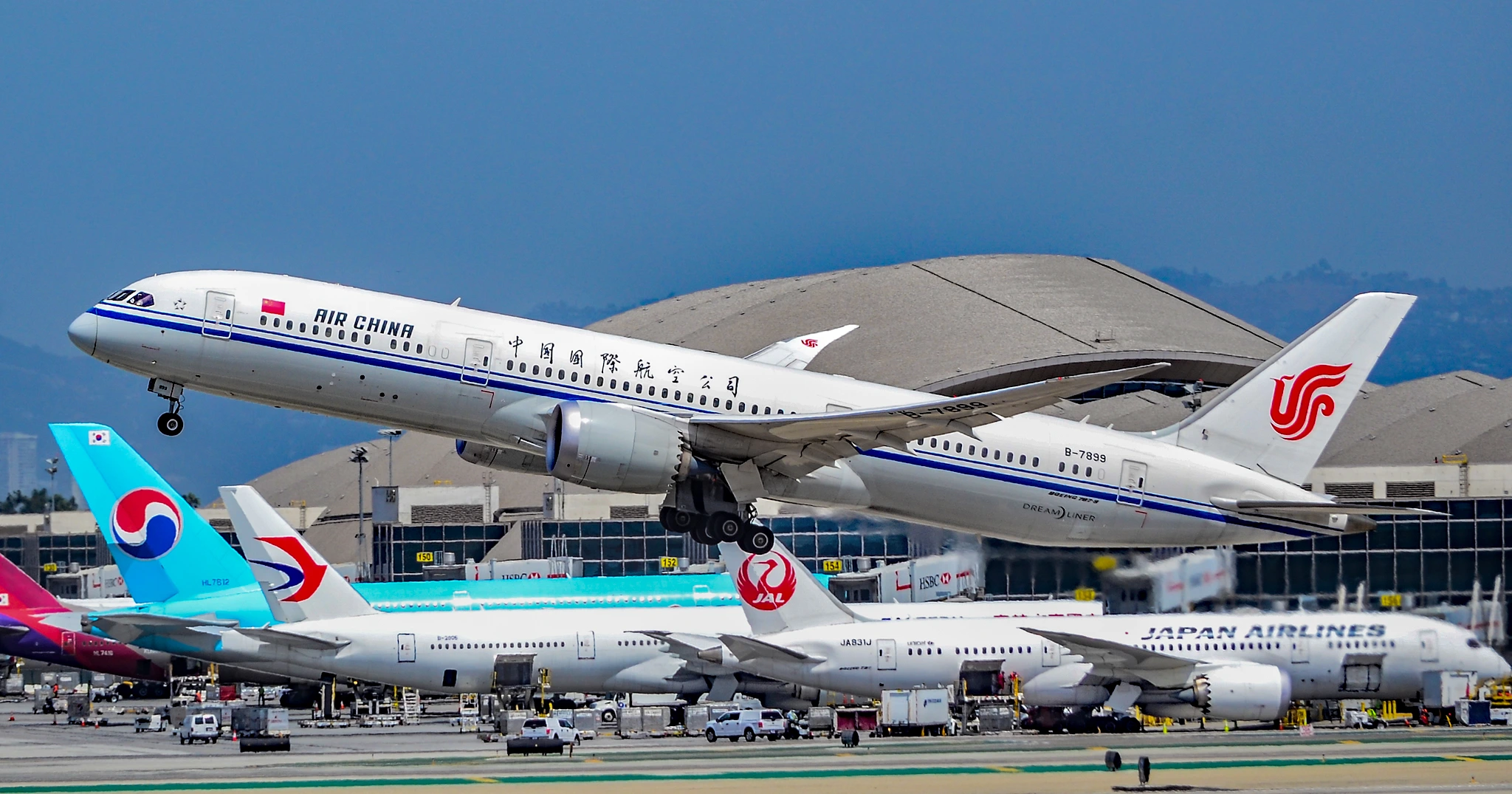
Air China’s HK$1.32 billion Cathay stake sale appears to be a tactical financial move rather than a strategic withdrawal.
With Air China retaining more than 27 percent ownership and Cathay pressing ahead with network growth and large-scale investment, the airline’s long-term trajectory remains unchanged.
Stay tuned with us. Further, follow us on social media for the latest updates.
Join us on Telegram Group for the Latest Aviation Updates. Subsequently, follow us on Google News
