

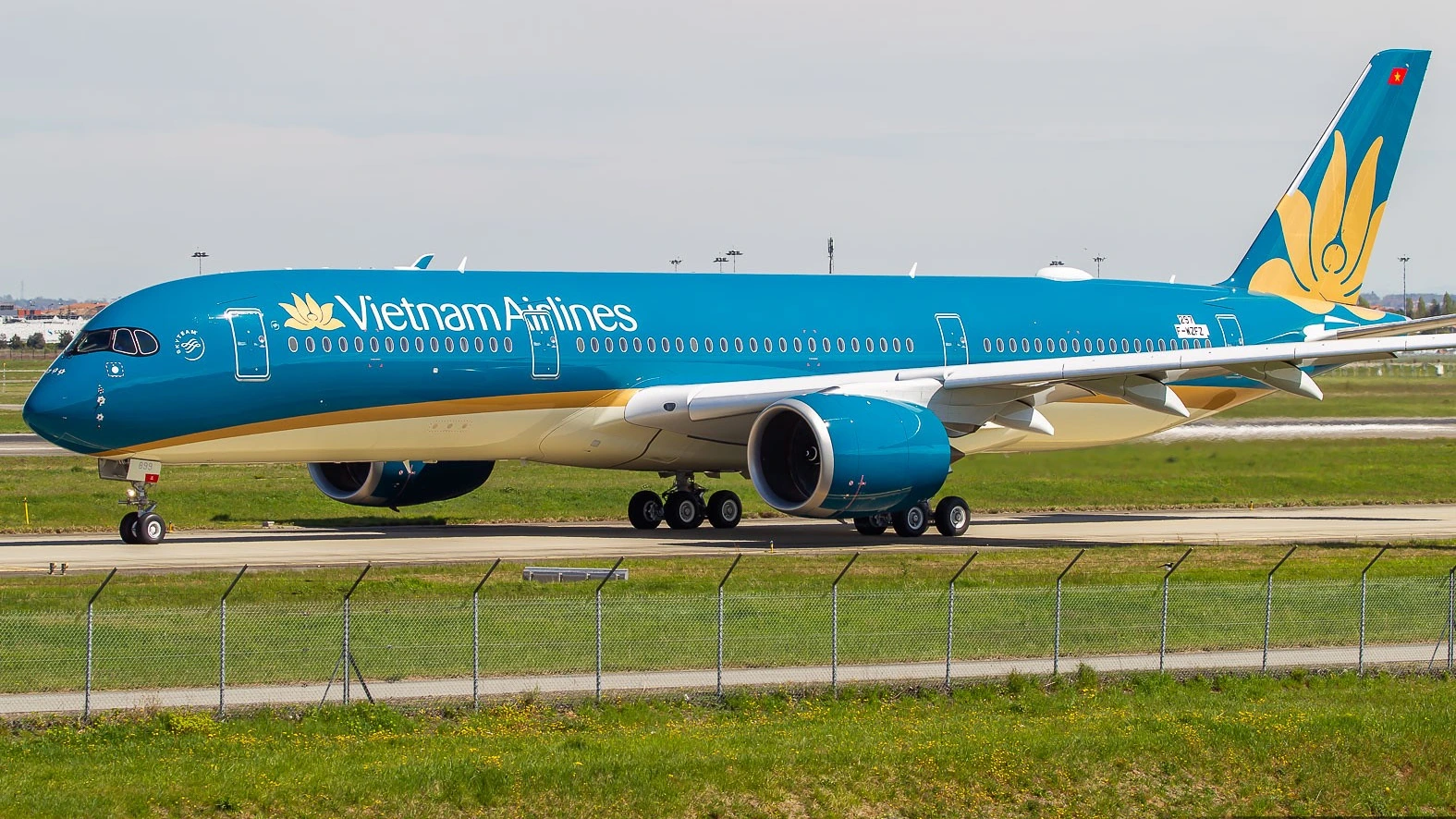
HANOI- Vietnam’s aviation sector is managing operational pressure as engine shortages force multiple aircraft out of service. The impact is tied to global recall and repair requirements affecting modern aircraft engines.
Despite reduced fleet availability, Vietnamese airlines continue to operate extensive domestic and international route networks, supported by steady growth in passenger and cargo volumes.
Vietnam Airlines (VN) and other domestic carriers operate core services linking HàNội (HAN) and Ho Chi Minh City (SGN), the country’s two primary aviation hubs.
Hanoi (HAN) and Ho Chi Minh City remain central to nearly 50 domestic routes, connecting passengers to 20 airports nationwide.
Vietnam 28 Commercial Aircraft Grounded
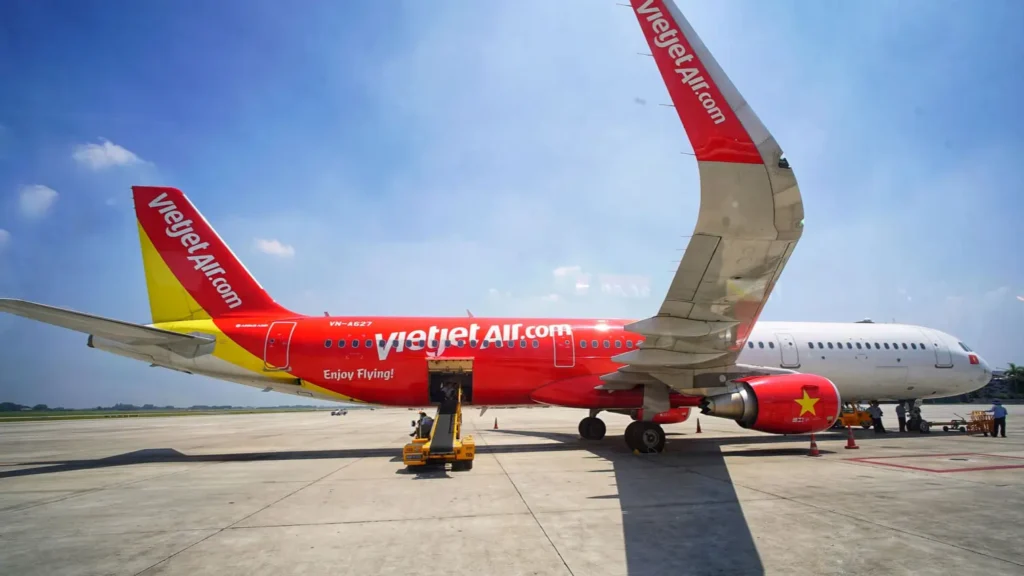
Vietnam currently has 28 commercial aircraft grounded due to engine shortages, according to Tạ Minh Trọng, Head of the Flight Safety Standards Division under the Civil Aviation Authority of Vietnam (CAAV).
The grounded fleet consists of 24 Airbus A321neo aircraft, 3 Airbus A350 aircraft, and one Airbus A320ceo aircraft. These 28 aircraft account for 13.1 percent of the country’s total commercial fleet, representing 28 out of 213 operational commercial aircraft.
The number of grounded aircraft is five fewer compared to the same period in 2024, indicating a gradual improvement in fleet availability.
The groundings are the result of global recall and repair requirements issued by engine manufacturer Pratt & Whitney (PW).
These requirements have led to extended maintenance timelines and reduced engine availability, affecting airlines in Vietnam and worldwide. According to Vietnam News, the issue has disrupted airline operations across multiple regions.
As of December 11, 2025, the total number of aircraft registered under Vietnamese nationality stands at 262. This fleet includes 235 fixed-wing aircraft and 27 helicopters.
Of this total, 213 aircraft are deployed in commercial aviation operations. The remaining 49 aircraft, comprising 22 airplanes and 27 helicopters, are used for general aviation purposes, including non-commercial and specialized activities.
Domestic and International Route Operations
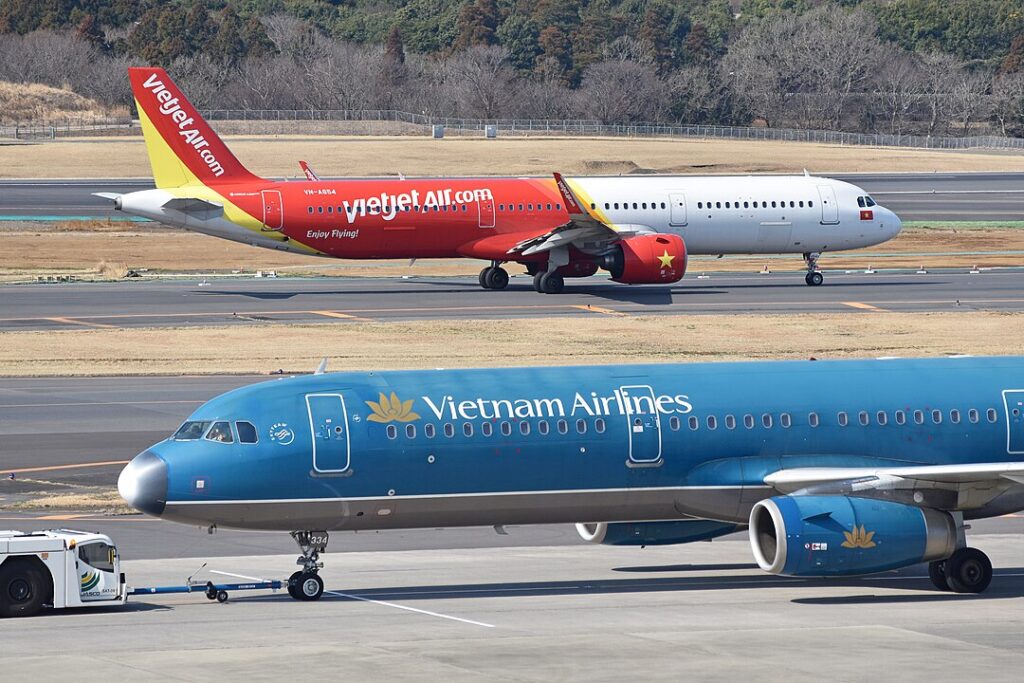
According to Tạ Minh Trọng, Vietnamese airlines currently operate nearly 50 domestic routes connecting Hanoi, Ho Chi Minh City, and 20 airports across the country. These routes form the backbone of the national air transport network.
On the international front, Vietnamese carriers operate 113 international routes serving 24 countries and territories.
In addition, foreign airlines from 30 countries and territories operate 142 regular international routes to Vietnam, strengthening the country’s global air connectivity.
Passenger Traffic Performance and Sector Targets
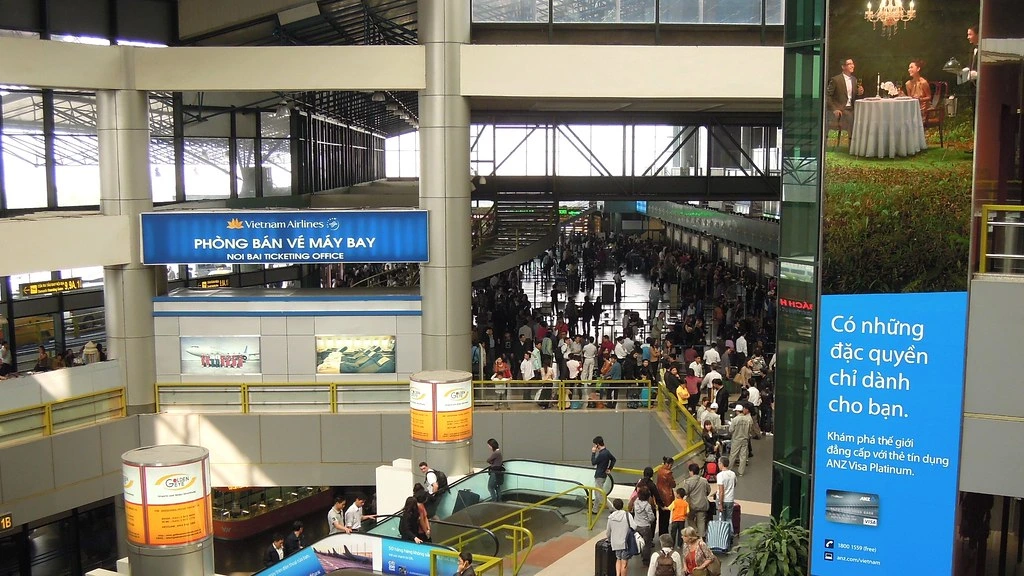
International air passenger traffic in Vietnam is estimated at 46.9 million passengers this year, marking a 13.3 percent increase compared with 2024.
Vietnamese airlines carried 19.4 million international passengers, reflecting a year-on-year increase of 5.2 percent and accounting for 41.4 percent of total international passenger traffic.
Domestic passenger transport also recorded growth, with airlines carrying 36.6 million domestic passengers, up 7.5 percent from 2024.
Trọng stated that in 2025, Vietnamese airlines continued to record growth, with total passenger volume rising 6.7 percent and cargo volume increasing 4.6 percent compared with the previous year.
Looking ahead, the Civil Aviation Authority of Vietnam has set targets for the air transport sector to reach 95 million passengers and 1.6 million tonnes of cargo by 2026.
Stay tuned with us. Further, follow us on social media for the latest updates.
Join us on Telegram Group for the Latest Aviation Updates. Subsequently, follow us on Google News
