

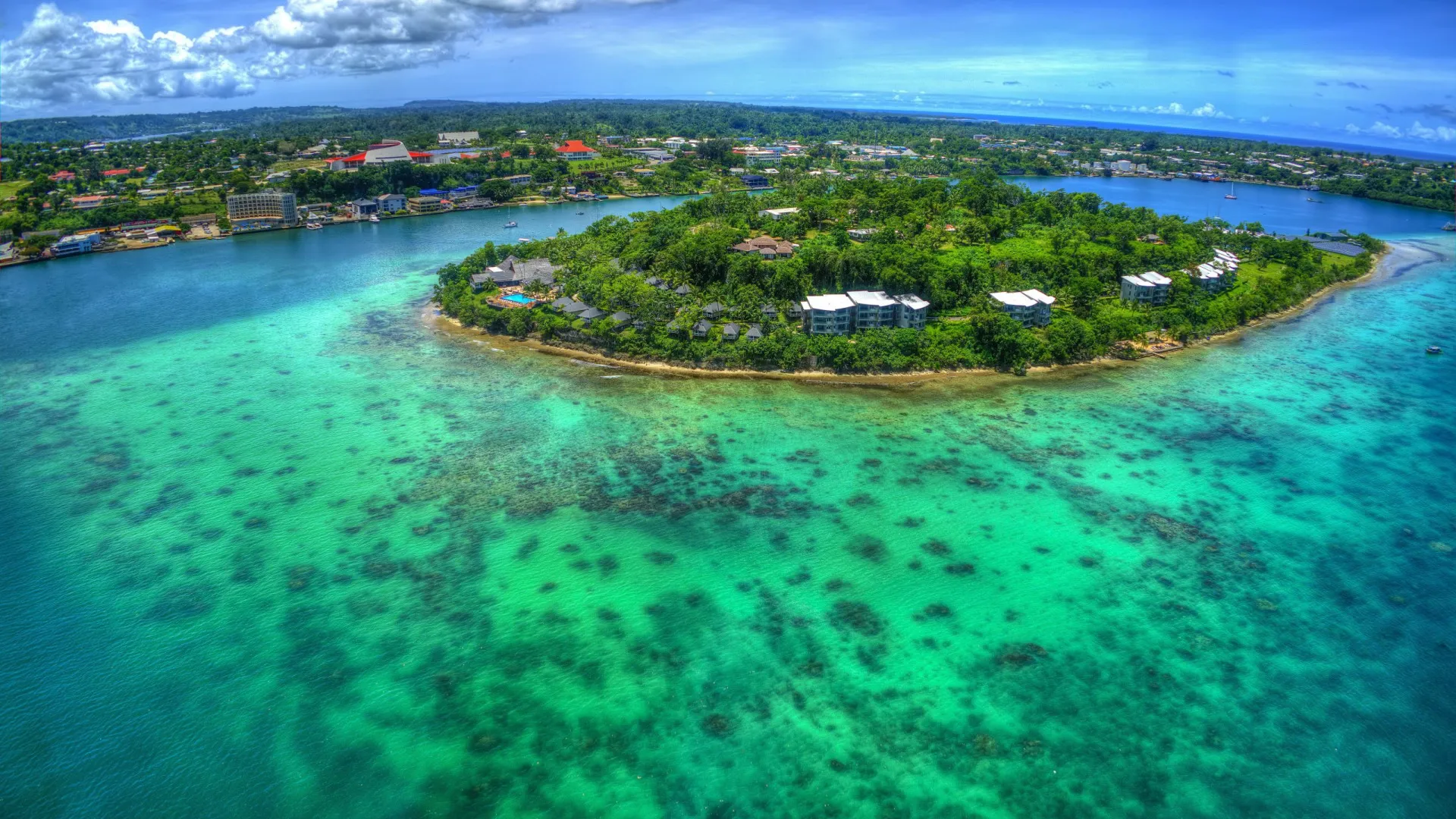
Humans have always dreamed of reshaping nature to fit their imagination. From creating massive airports on the sea to luxury destinations carved from sand, artificial islands are proof of how far engineering can go.
Some were built for survival, others for travel, and a few simply to show what’s possible when ambition meets technology. Here’s a look at the ten largest artificial islands in the world, ranked from number 10 to 1.
https://commons.wikimedia.org/wiki/File:151229_Kobe_Port_Japan02bs.jpg
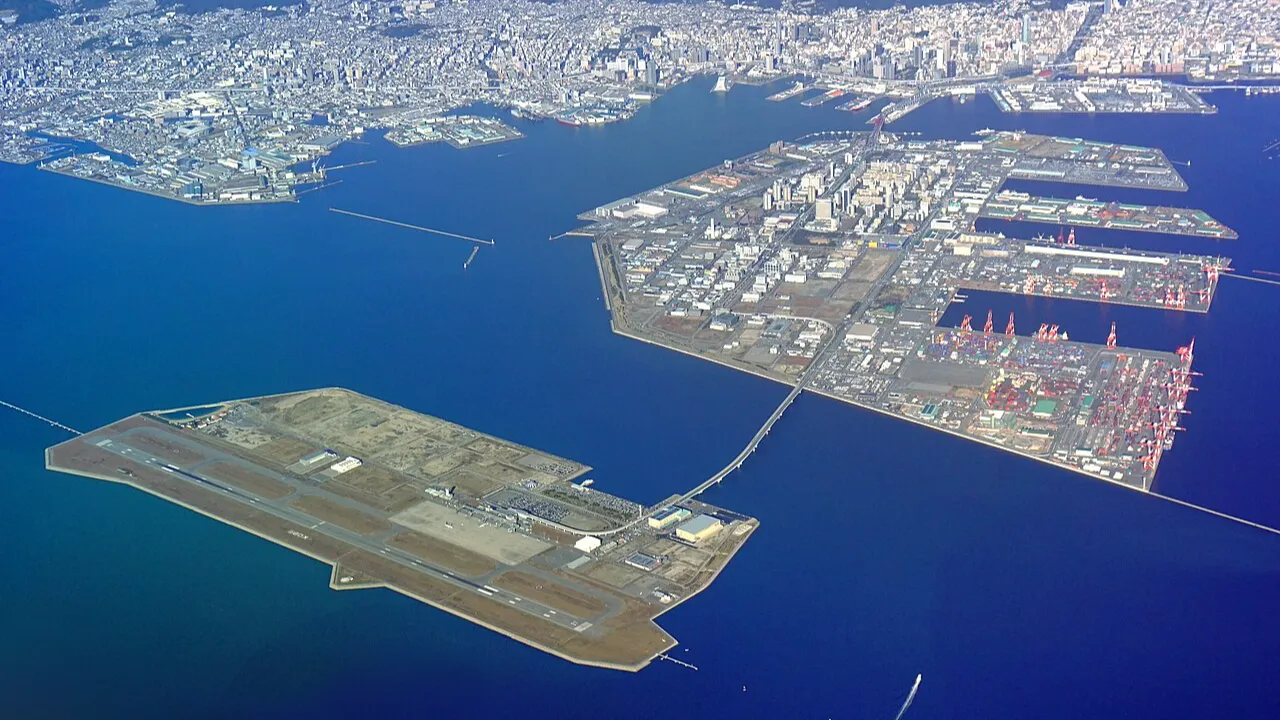
10. Port Island, Japan
Built in the 1980s off the coast of Kobe, Port Island was one of Japan’s earliest experiments with artificial land. It was designed to handle population growth and provide new industrial space after rapid urbanization.
The island also houses a futuristic-looking area called Portopia, famous for its modern buildings and port facilities.
| Feature | Detail |
|---|---|
| Approximate Area | 5.20 km² |
| Country | Japan |
| Main Use | Residential, commercial, and port operations |
https://commons.wikimedia.org/wiki/File:Ponte_do_Saber_-_Ponte_Estaiada_-_UFRJ_1_ponte_01.jpg
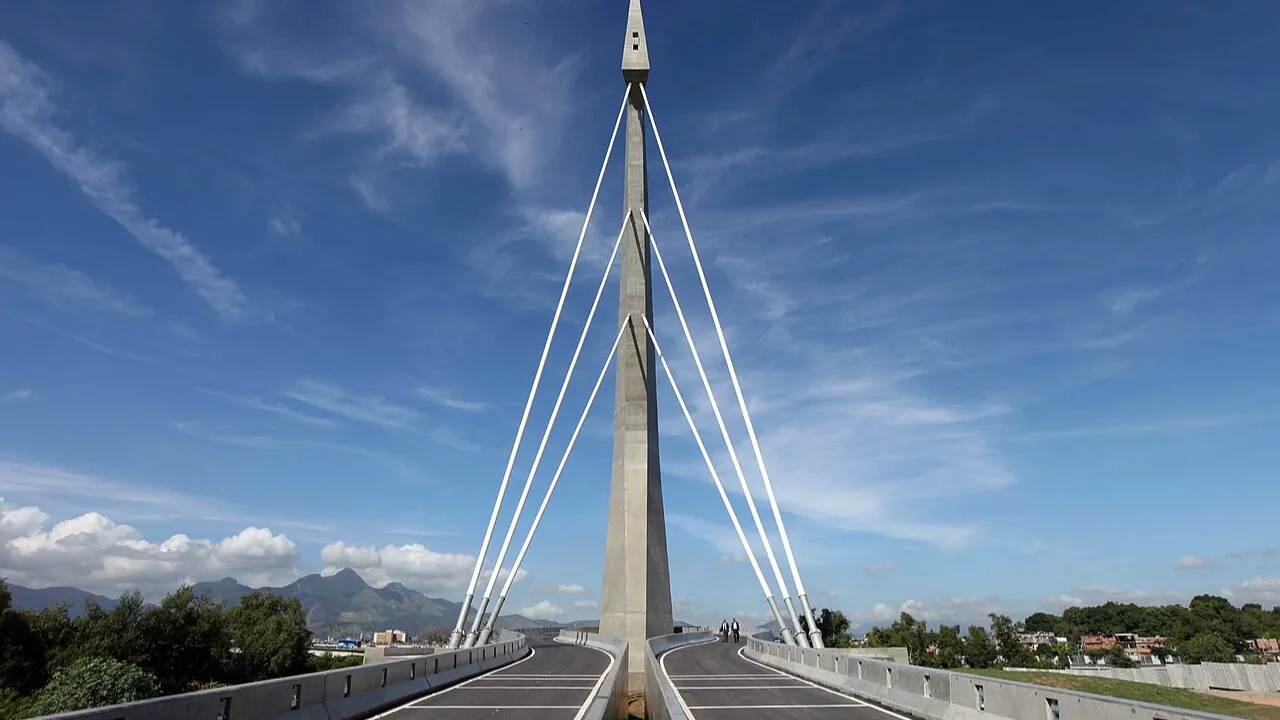
9. Fundão Island, Brazil
Located in Rio de Janeiro, Fundão Island is the result of merging several smaller islands in Guanabara Bay during the 1950s. It’s home to the Federal University of Rio de Janeiro and serves as a hub for research and innovation.
The name “Fundão” literally means “Big Ground,” a fitting title for one of South America’s largest man-made islands.
| Feature | Detail |
|---|---|
| Approximate Area | 5.23 km² |
| Country | Brazil |
| Main Use | Education, research, and university facilities |
https://commons.wikimedia.org/wiki/File:Ferry_Settsu_JAPAN%EF%BC%88Hankyu_Ferry%EF%BC%89%E3%80%81Rokko_Island_Ferry_Terminal%E3%80%81%E5%85%AD%E7%94%B2%E3%82%A2%E3%82%A4%E3%83%A9%E3%83%B3%E3%83%89%E3%81%AB%E5%81%9C%E6%B3%8A%E4%B8%AD%E3%81%AE%E9%98%AA%E4%B9%9D%E3%83%95%E3%82%A7%E3%83%AA%E3%83%BC%E3%80%8C%E3%83%95%E3%82%A7%E3%83%AA%E3%83%BC%E3%81%9B%E3%81%A3%E3%81%A4%E3%80%8DDJI_0777.jpg
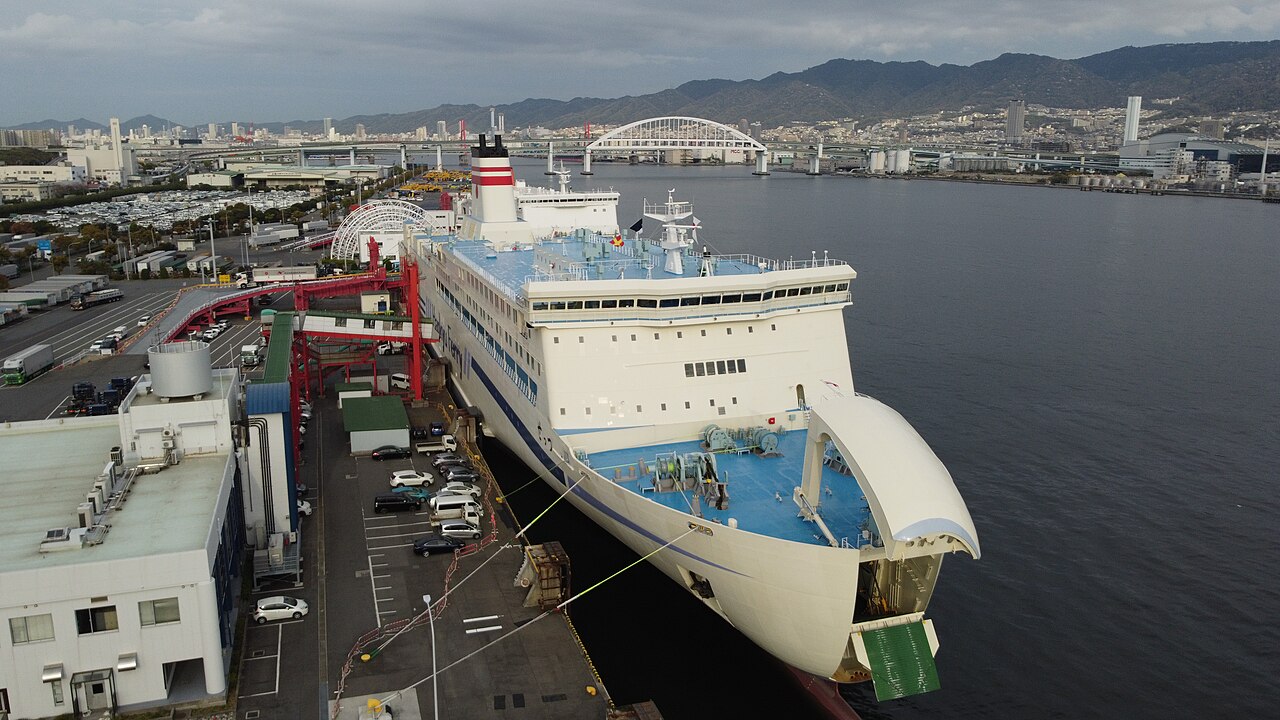
8. Rokko Island, Japan
Another ambitious project from Japan, Rokko Island, was built in the 1990s in Kobe Bay to expand urban living space. It features apartment towers, shopping centers, and international schools. The island connects to the mainland via bridges and even has its own artificial beaches.
| Feature | Detail |
|---|---|
| Approximate Area | 5.8 km² |
| Country | Japan |
| Main Use | Residential, leisure, and business district |
https://commons.wikimedia.org/wiki/File:Artificial_Archipelagos,_Dubai,_United_Arab_Emirates_ISS022-E-024940_lrg.jpg
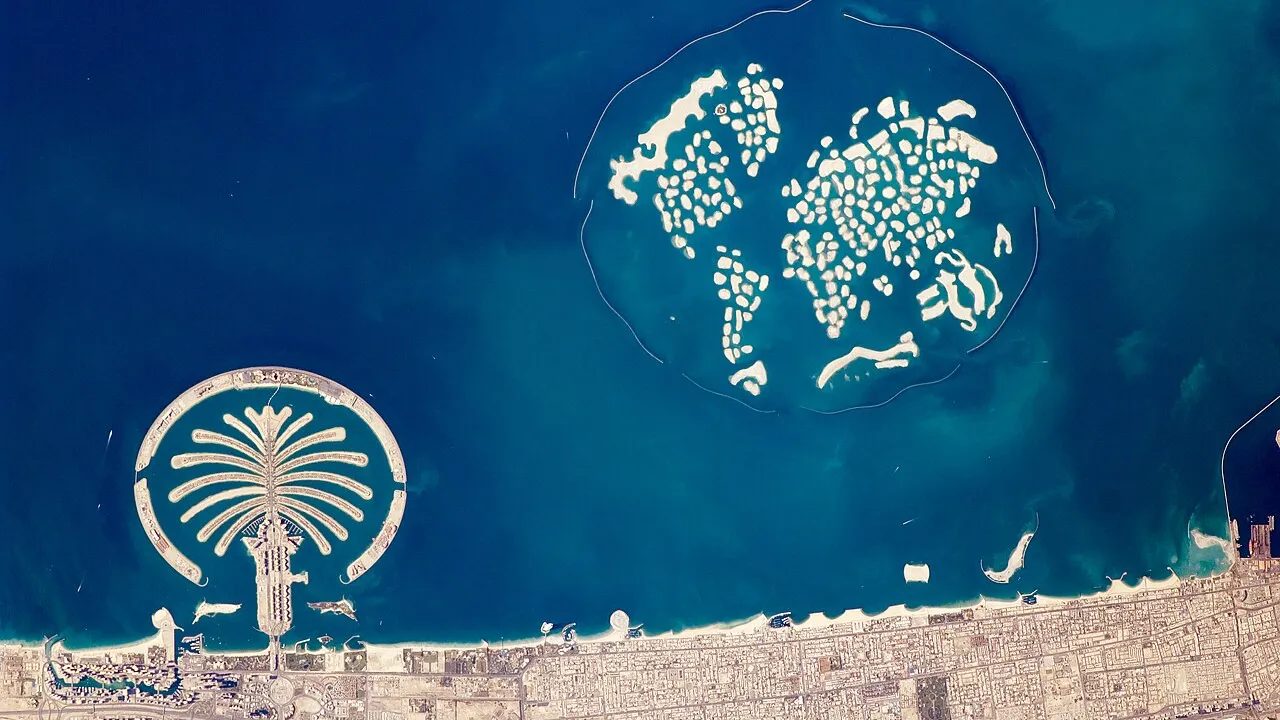
7. Palm Jumeirah, United Arab Emirates
Perhaps one of the most famous man-made islands in the world, Palm Jumeirah is shaped like a palm tree and lined with luxury hotels and villas.
Built in Dubai in the early 2000s, it’s known for attractions like Atlantis, The Palm, and its stunning beachfront homes. The project was a global symbol of Dubai’s rise as a luxury destination.
| Feature | Detail |
|---|---|
| Approximate Area | 6.5 km² |
| Country | United Arab Emirates |
| Main Use | Tourism, luxury housing, and leisure |
https://commons.wikimedia.org/wiki/File:Aerial_photograph_of_Chubu_International_Airport_at_Nagoya_(2226165201).jpg
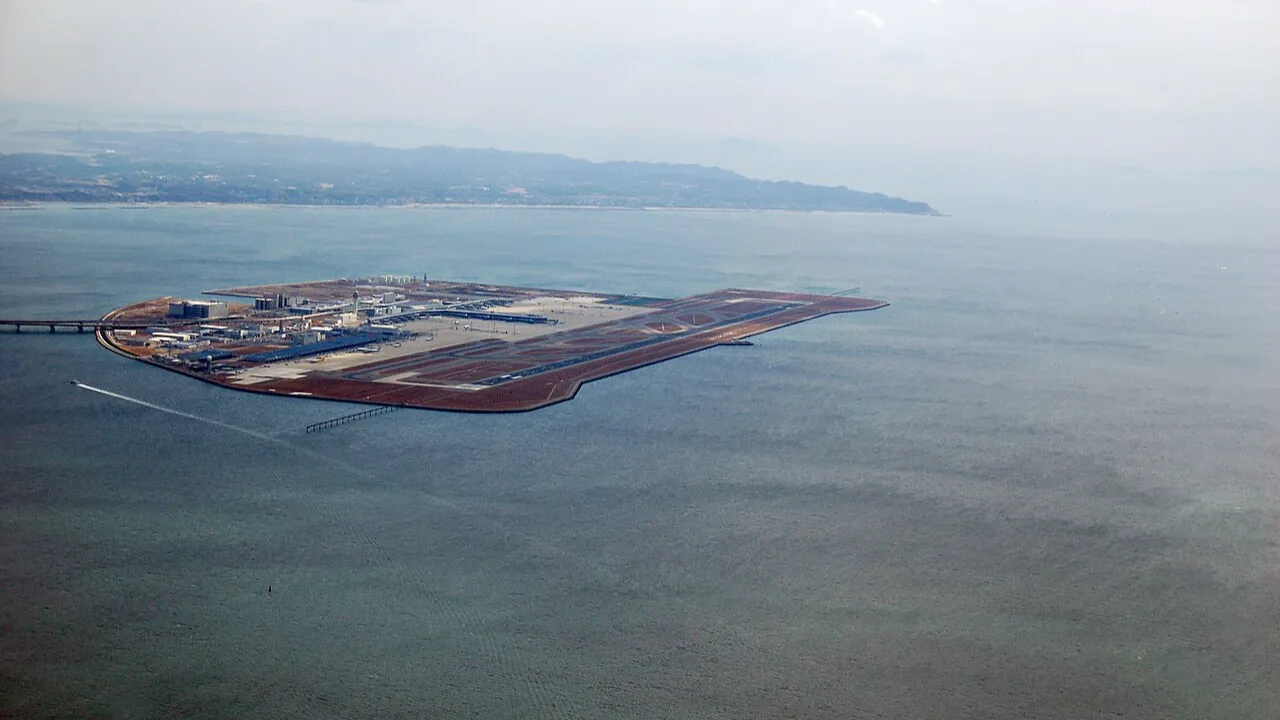
6. Chūbu Centrair International Airport Island, Japan
Built in Tokoname, Japan, Chūbu Centrair International Airport Island opened in 2005 to serve as the region’s main aviation hub. Constructed entirely offshore, it was designed to avoid the noise and congestion of land-based airports.
Its construction represents some of Japan’s best coastal engineering work.
| Feature | Detail |
|---|---|
| Approximate Area | 6.8 km² |
| Country | Japan |
| Main Use | International airport and transport hub |
https://commons.wikimedia.org/wiki/File:Palm_Jebel_Ali_on_8_May_2008_Pict_2.jpg
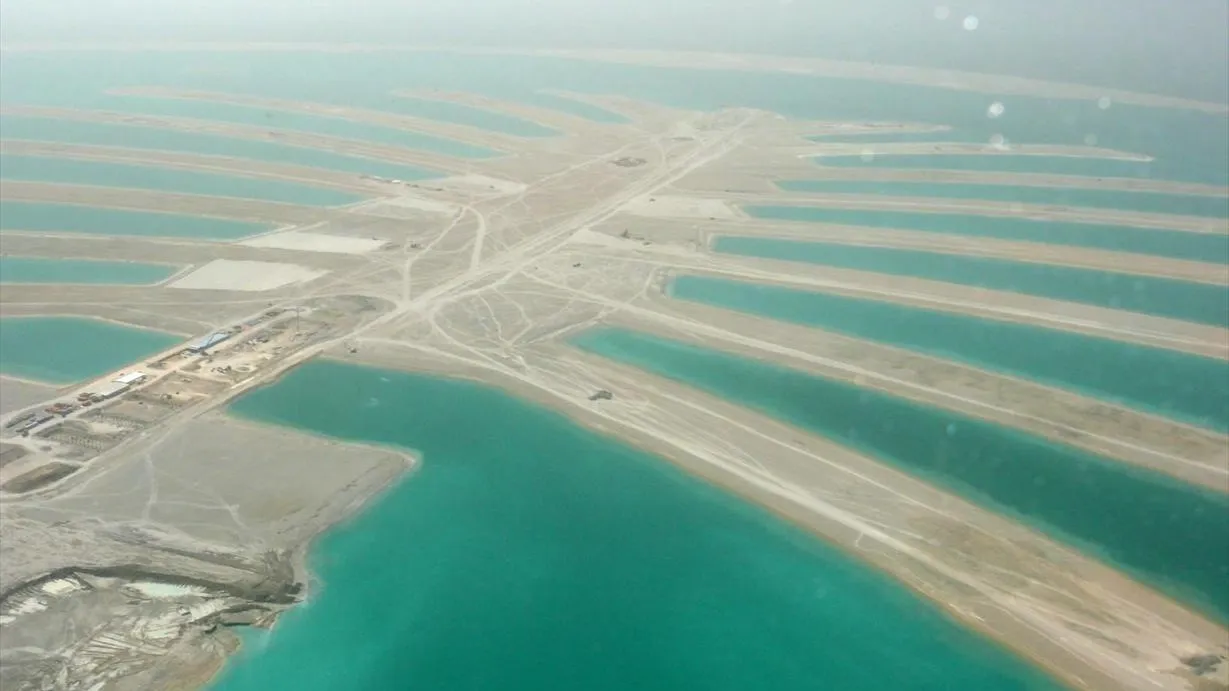
5. Palm Jebel Ali, United Arab Emirates
Located west of Palm Jumeirah, Palm Jebel Ali is even larger and was designed to feature residential communities, hotels, and theme parks.
Construction paused during the 2008 financial crisis but has since resumed under Dubai’s Vision 2040 plan. When completed, it will house around 35,000 families.
| Feature | Detail |
|---|---|
| Approximate Area | 8 km² |
| Country | United Arab Emirates |
| Main Use | Planned for residential, leisure, and resort development |
https://commons.wikimedia.org/wiki/File:Hongkong_Chek_Lap_Kok_Airport_1.JPG
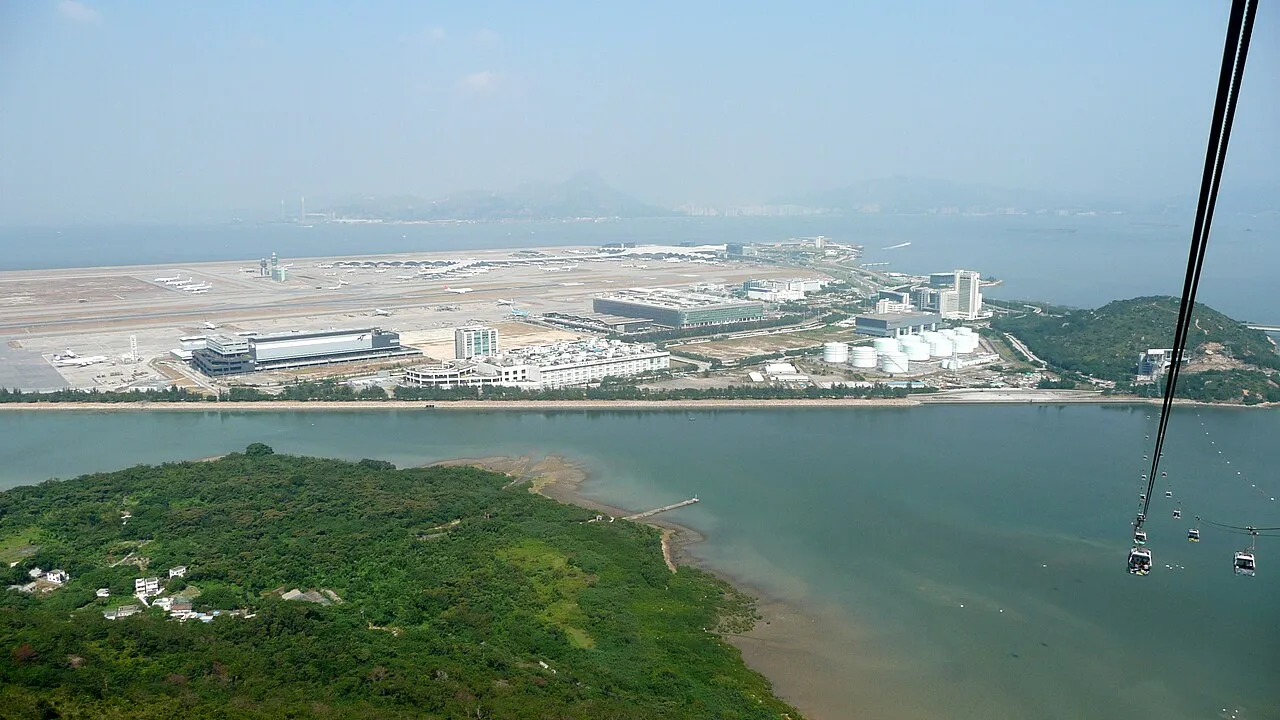
4. Hong Kong International Airport Island (Chek Lap Kok), China
Replacing the old Kai Tak Airport, Chek Lap Kok in Hong Kong, was built through extensive land reclamation in the 1990s.
It’s now one of the world’s busiest airports sitting on a man-made island north of Lantau. Expansion projects are still ongoing, adding new terminals and a third runway.
| Feature | Detail |
|---|---|
| Approximate Area | 9.4 km² |
| Country | China (Hong Kong SAR) |
| Main Use | International aviation and logistics |
https://commons.wikimedia.org/wiki/File:%E9%96%A2%E8%A5%BF%E5%9B%BD%E9%9A%9B%E7%A9%BA%E6%B8%AF%E5%85%A8%E4%BD%93%E5%86%99%E7%9C%9F20220811.jpg
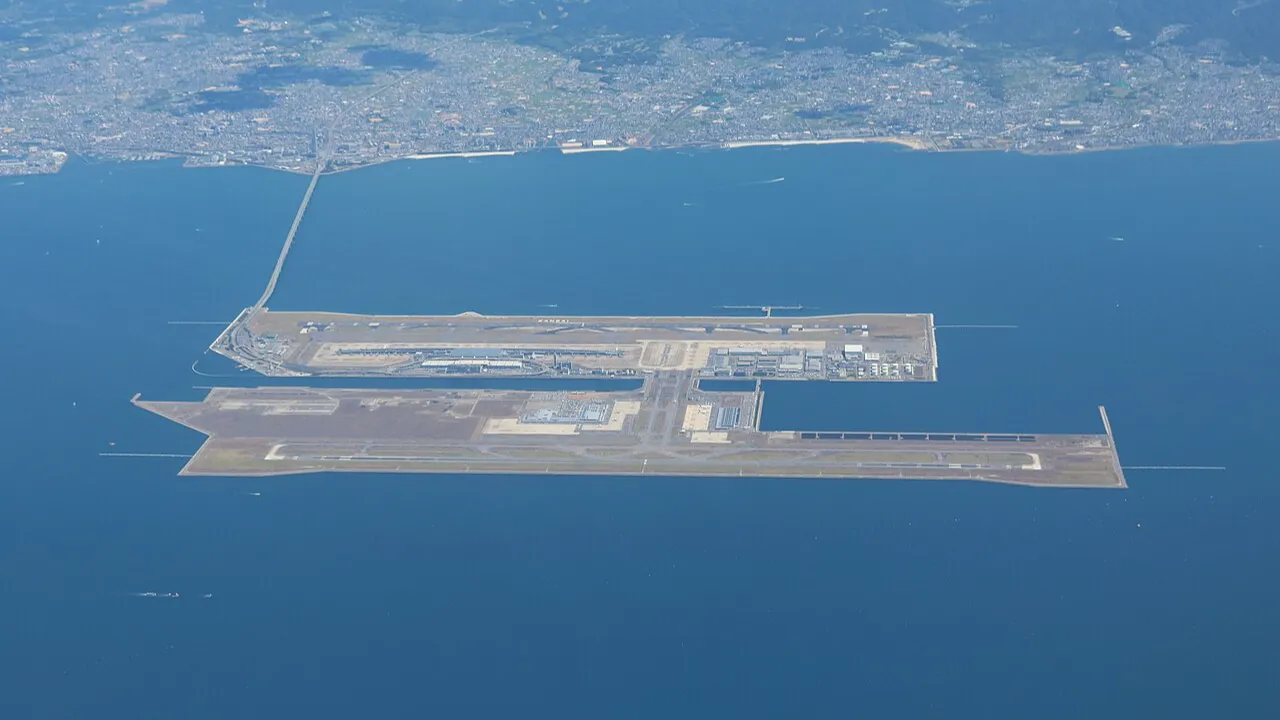
3. Kansai International Airport Island, Japan
When Osaka needed a new airport, Japan built one in the middle of the sea. Kansai International Airport Island opened in 1994 and quickly became an engineering marvel.
The island is built on a soft seabed, which led to challenges with sinking, but constant maintenance keeps it stable. It stands as one of Japan’s greatest engineering achievements.
| Feature | Detail |
|---|---|
| Approximate Area | 10.68 km² |
| Country | Japan |
| Main Use | Major international airport |
https://commons.wikimedia.org/wiki/File:Golf_club,_Yas_island,_Abu_Dhabi_city,_UAE.jpg
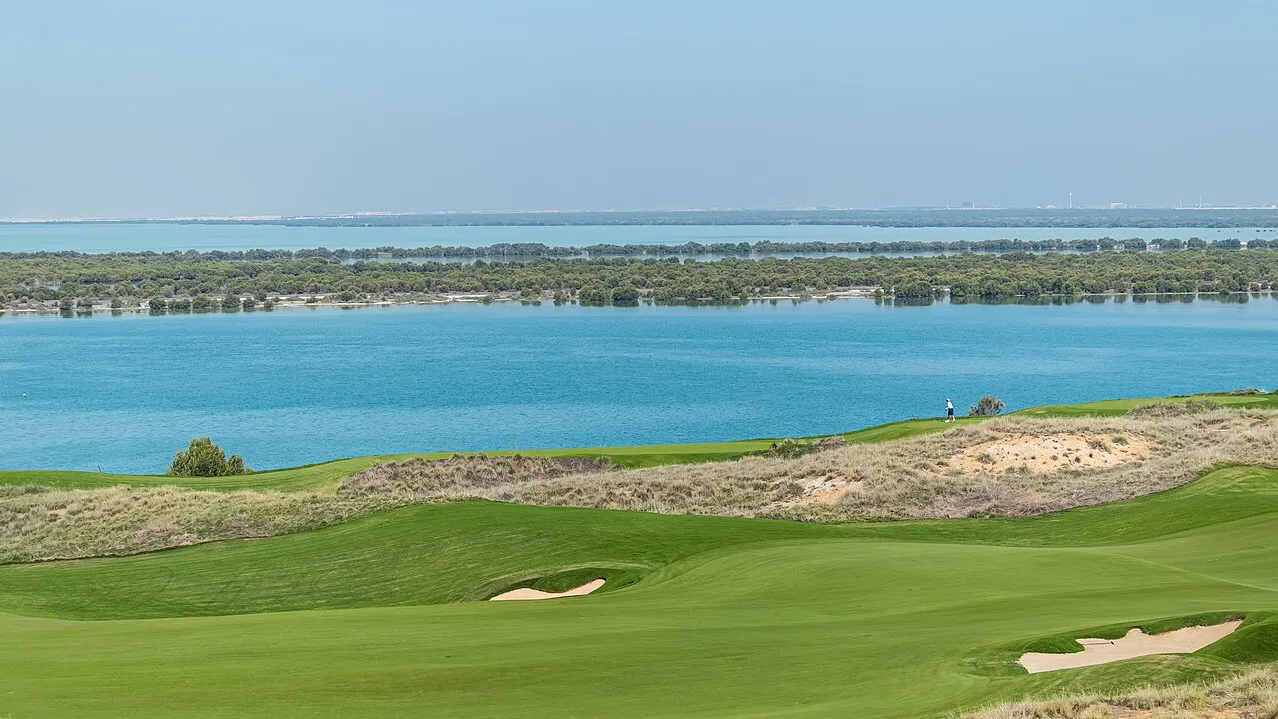
2. Yas Island, United Arab Emirates
Yas Island, located in Abu Dhabi, is a modern marvel of entertainment. Built in the 2000s, it’s packed with attractions like Ferrari World, Yas Marina Circuit, and Yas Waterworld.
The island combines luxury, sports, and tourism, hosting the annual Formula 1 Abu Dhabi Grand Prix. It’s a perfect symbol of the UAE’s futuristic vision.
| Feature | Detail |
|---|---|
| Approximate Area | 25 km² |
| Country | United Arab Emirates |
| Main Use | Tourism, entertainment, and sports venues |
https://commons.wikimedia.org/wiki/File:Flevopolder_by_Sentinel-2,_2018-06-30.jpg
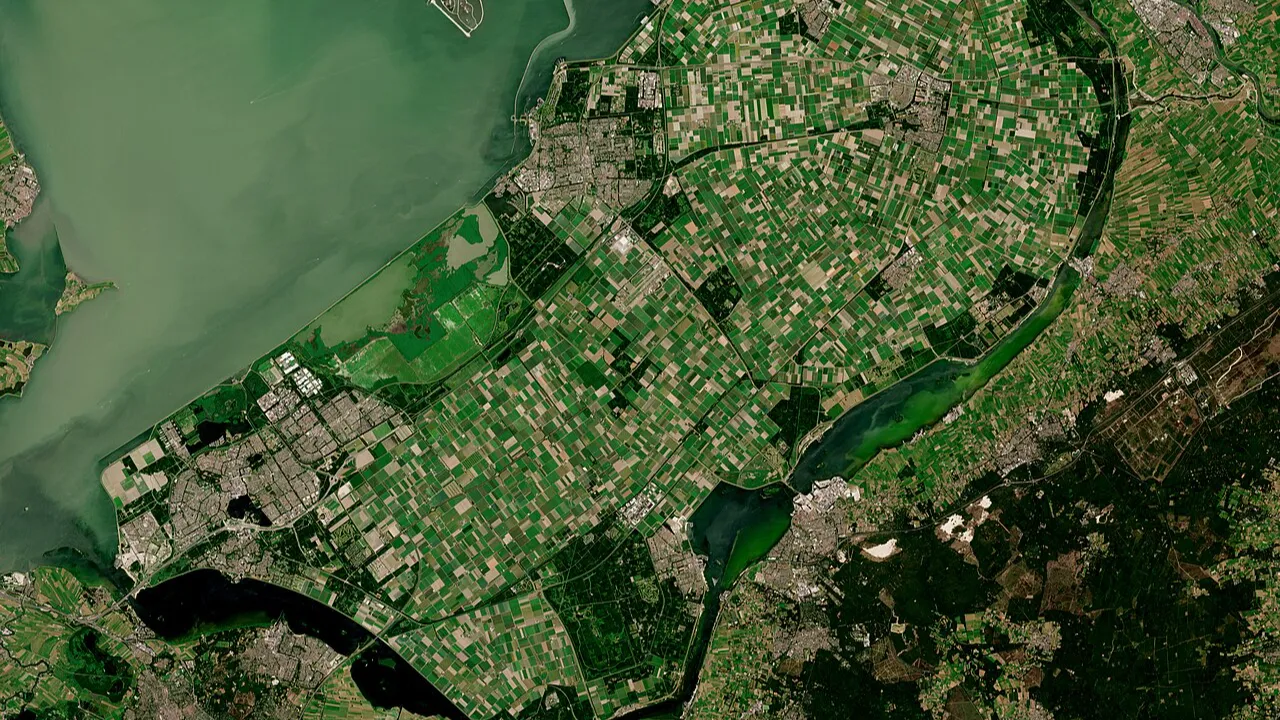
1. Flevopolder, Netherlands
At nearly 1,000 square kilometers, Flevopolder is not just the largest artificial island in the world — it’s an entire region reclaimed from the sea.
Completed in the 20th century, it forms part of the Flevoland province and includes cities like Lelystad and Almere. What began as a flood-control project has turned into a thriving community with farms, towns, and natural reserves.
| Feature | Detail |
|---|---|
| Approximate Area | 970 km² |
| Country | Netherlands |
| Main Use | Residential, agricultural, and flood control |
Comparison Table of the 10 Largest Artificial Islands
| Rank | Island Name | Country | Approximate Area (km²) |
|---|---|---|---|
| 1 | Flevopolder | Netherlands | 970 |
| 2 | Yas Island | United Arab Emirates | 25 |
| 3 | Kansai International Airport Island | Japan | 10.68 |
| 4 | Hong Kong International Airport Island (Chek Lap Kok) | China | 9.4 |
| 5 | Palm Jebel Ali | United Arab Emirates | 8 |
| 6 | Chūbu Centrair International Airport Island | Japan | 6.8 |
| 7 | Palm Jumeirah | United Arab Emirates | 6.5 |
| 8 | Rokko Island | Japan | 5.8 |
| 9 | Fundão Island | Brazil | 5.23 |
| 10 | Port Island | Japan | 5.2 |
Source: JagranJosh
https://commons.wikimedia.org/wiki/File:Cayman_Islands_-_Kaibo_Beach.jpg
Bottom Line
From Dubai’s palm-shaped resorts to Japan’s floating airports, these artificial islands show how engineering and imagination can reshape our planet.
While some were built for practicality — like airports and housing — others exist to create luxury or even art. Together, they highlight how human innovation continues to push the boundaries of what’s possible on land and sea.
Stay tuned with us. Further, follow us on social media for the latest updates.
Join us on Telegram Group for the Latest Aviation Updates. Subsequently, follow us on Google News
