

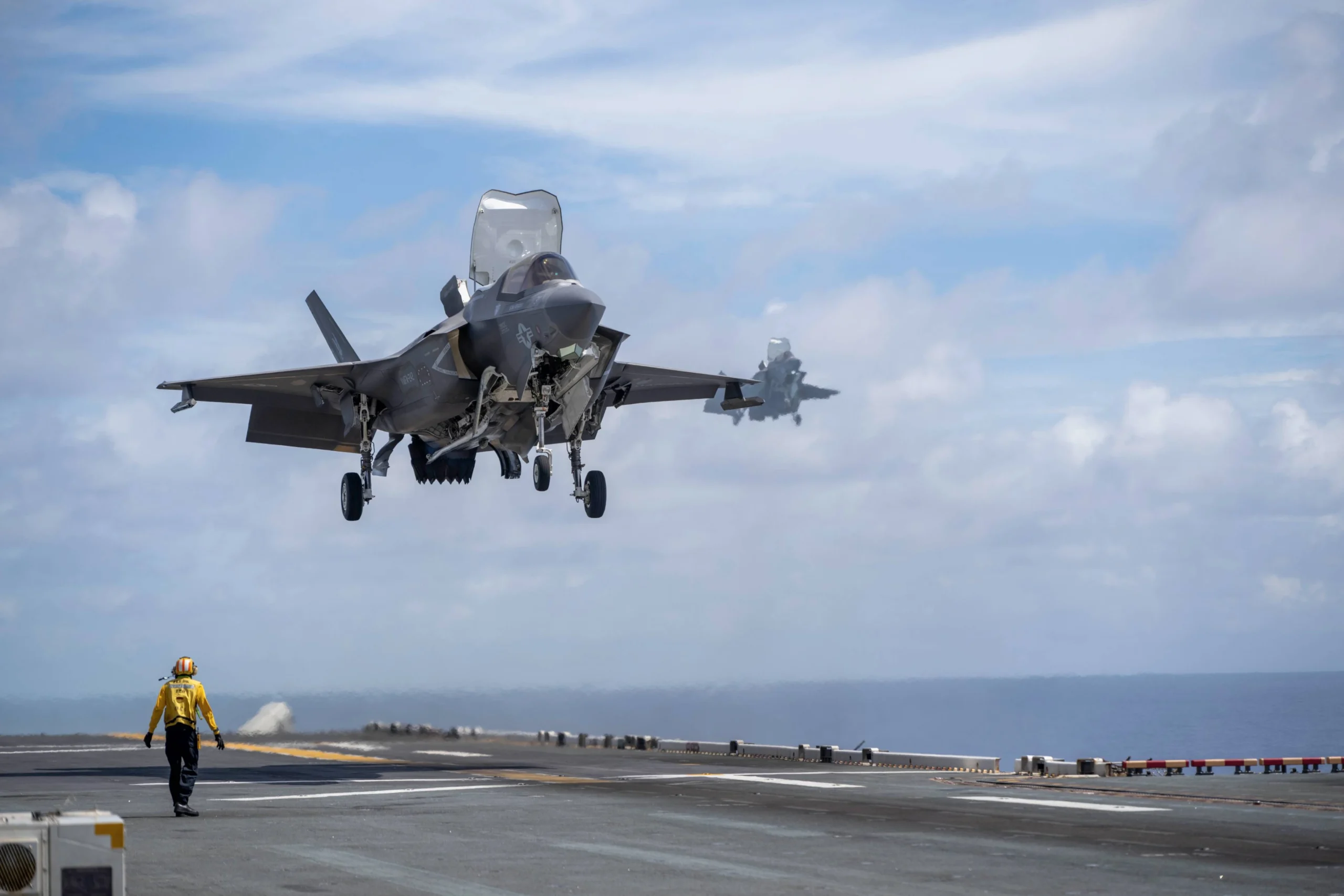
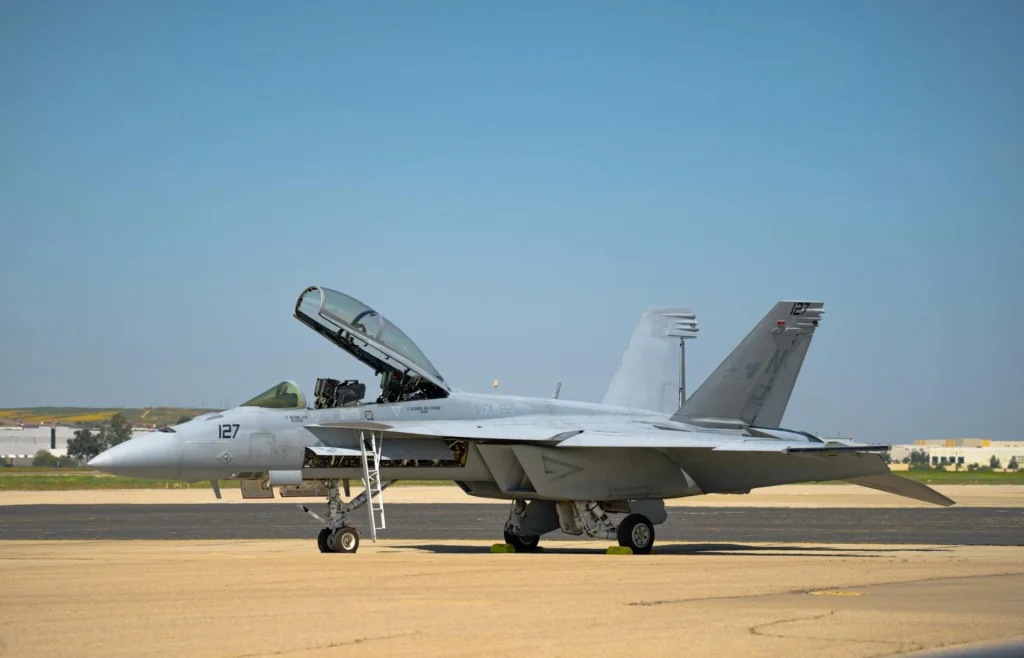
WASHINGTON, D.C– The U.S. Department of Defense (DoD) is set to advance the Navy’s next-generation F/A-XX program, a sixth-generation stealth fighter aimed at replacing the aging Boeing F/A-18E/F Super Hornet fleet. Sources indicate that Defense Secretary Lloyd Austin has approved the project, with a contract award expected soon.
The F/A-XX will be the U.S. Navy’s first sixth-generation carrier-based aircraft, built to counter growing threats from China’s advanced J-36 and J-50 fighters. Competing defense giants Boeing and Northrop Grumman are in the final phase of the bid, with a decision anticipated within weeks.
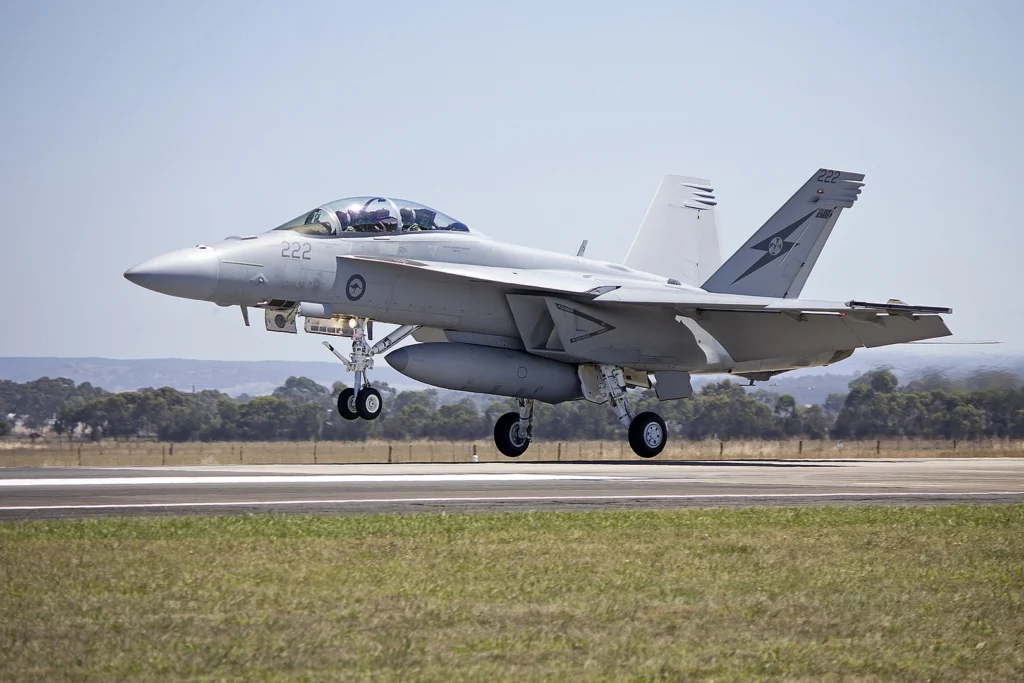
Pentagon Clears US Navy F/A-XX Fighter Jets
The F/A-XX program marks the Navy’s most ambitious fighter initiative since the introduction of the Super Hornet.
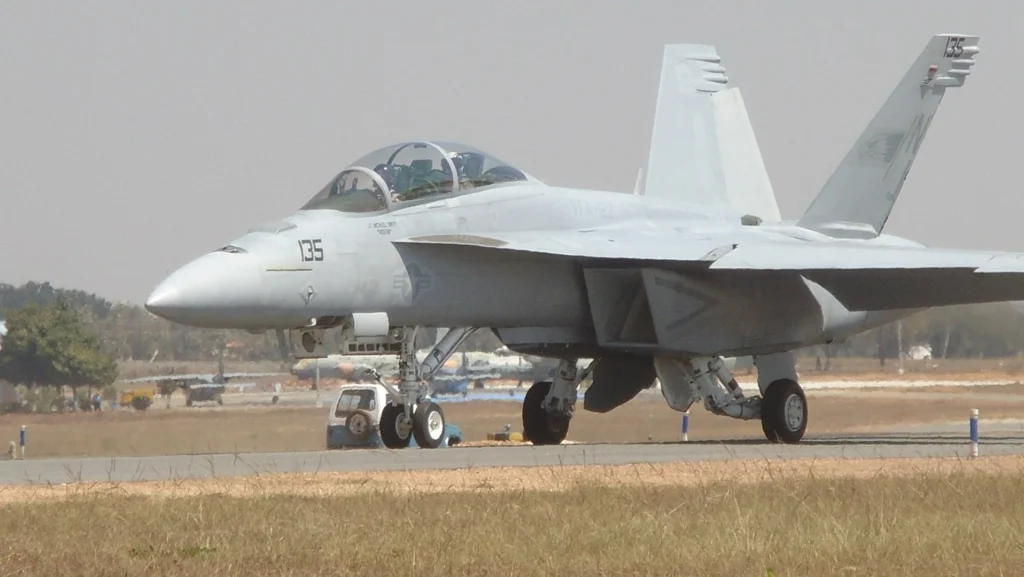
Developed under the Navy’s Next Generation Air Dominance (NGAD) family of systems, the aircraft will succeed the F/A-18E/F Super Hornet, which entered service in the late 1990s.
Boeing and Northrop Grumman, the remaining contenders after Lockheed Martin withdrew in March 2025, have both presented conceptual renderings of their proposed jets.
Sources familiar with the matter told Reuters that the final decision could arrive soon, although the program’s progress has previously been hindered by budget disputes between Congress and the Pentagon.
The DoD had initially sought $74 million for minimal development funding, but internal disagreements delayed the timeline. The Pentagon’s Fiscal Year 2026 budget now allocates enough resources for preliminary development but falls short of full procurement funding.
The challenge for the Navy has been balancing priorities with the U.S. Air Force’s F-47 stealth fighter, which recently secured full funding.
Defense officials previously warned that pursuing both sixth-generation fighters simultaneously could strain resources and industrial capacity.
However, the House Armed Services Committee rejected a proposal to divert $500 million away from the F/A-XX program, instead reinforcing its importance in maintaining naval air superiority.
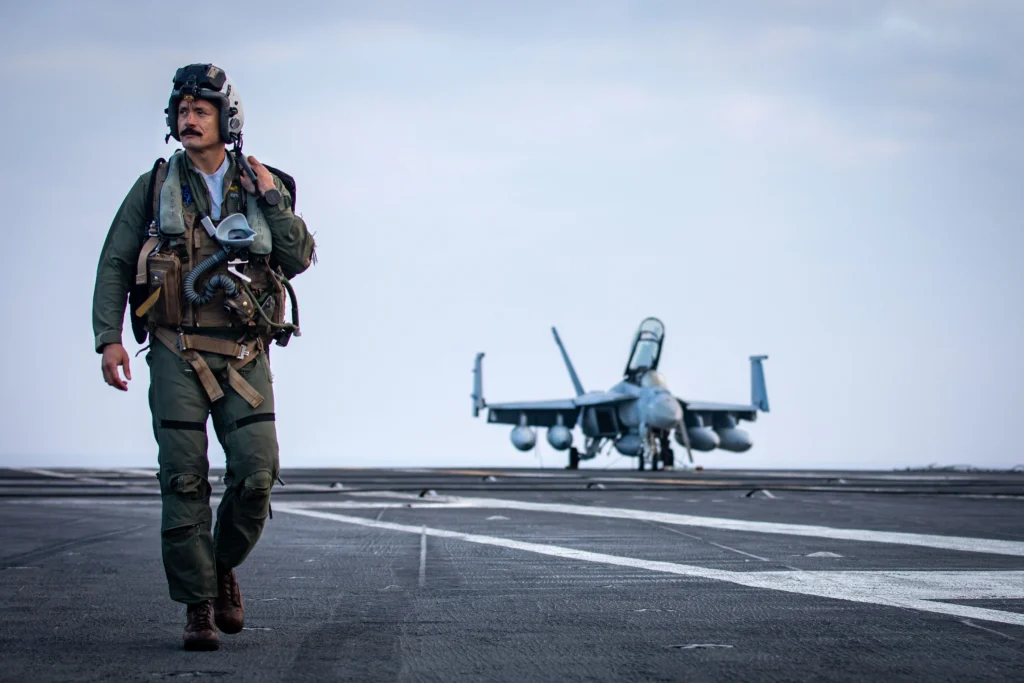
Strategic Importance Against China’s Advancements
The urgency behind the F/A-XX stems from China’s rapid military modernization. Beijing is already testing two sixth-generation prototypes, the J-36 and J-50, one of which may be designed for carrier operations.
Additionally, China’s fifth-generation J-35 stealth fighter is believed to have entered production, signaling a major step in the People’s Liberation Army Navy’s (PLAN) carrier aviation capabilities.
With China’s Fujian aircraft carrier expected to enter service soon, the U.S. Navy faces growing pressure to modernize its air wing. The F/A-XX’s advanced stealth, extended range, and ability to coordinate with uncrewed combat aircraft will be central to sustaining U.S. dominance in the Indo-Pacific.
According to Rep. Ken Calvert, head of the House Appropriations Subcommittee on Defense, delaying the F/A-XX would leave the Navy “dangerously outmatched” in a potential conflict with China.
He emphasized the need to strengthen America’s defense industrial base and ensure continuity in advanced aircraft production, noting that “aviation programs cannot be turned on and off like a switch.”
Capabilities That Define the F/A-XX
The F/A-XX is expected to outperform current U.S. Navy fighters with 25% greater range than the F-35C, enabling operations deeper into contested areas without reliance on vulnerable forward bases.
It will also act as a “quarterback” aircraft, controlling loyal wingman drones and coordinating electronic warfare, reconnaissance, and strike missions.
Equipped with next-generation sensors, secure data links, and advanced networking systems, the F/A-XX will integrate seamlessly with surface ships, early warning aircraft, and carrier strike groups.
This enhanced situational awareness will allow faster decision-making and improved targeting in dynamic combat environments.
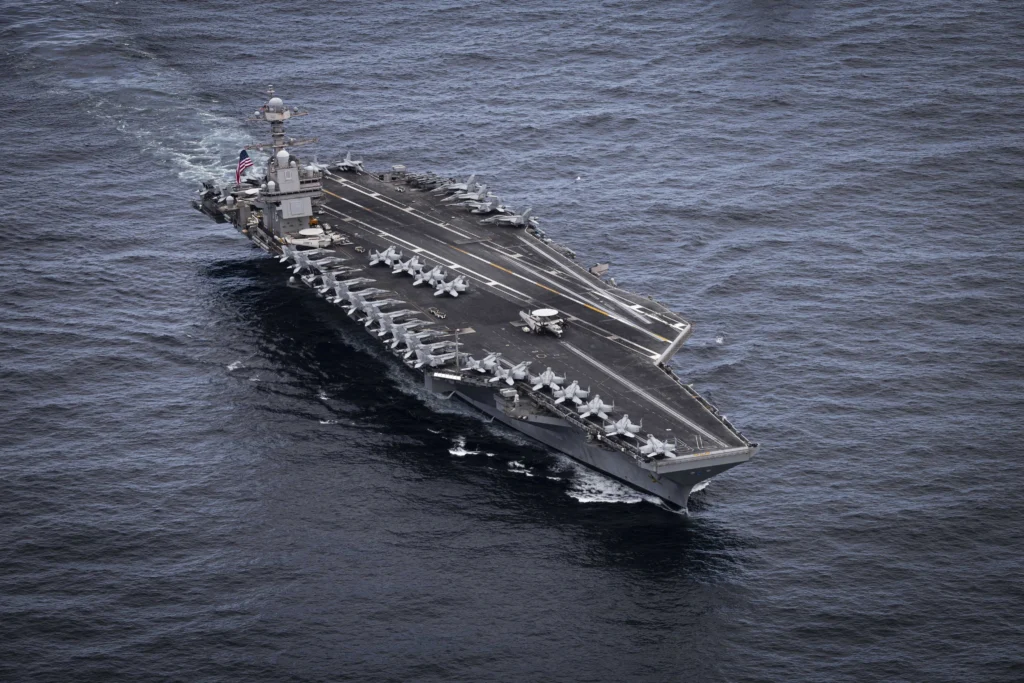
The aircraft’s stealth design, combined with superior range and endurance, will give U.S. carrier strike groups the flexibility to project power across vast oceanic regions while avoiding China’s expanding anti-access/area-denial (A2/AD) systems.
Funding Path and Development Outlook
Following congressional debate, the Senate Armed Services Committee allocated $750 million to accelerate the F/A-XX’s development, while the Navy included an additional $1.4 billion in its 2025 Unfunded Priorities List.
Although the exact production timeline remains classified, officials expect the fighter to enter service in the early 2030s, ensuring fleet readiness as the Super Hornet retires.
The F/A-XX represents more than just a replacement aircraft—it’s a strategic necessity to preserve the U.S. Navy’s ability to dominate the skies from carrier decks well into the next decade.
Stay tuned with us. Further, follow us on social media for the latest updates.
Join us on Telegram Group for the Latest Aviation Updates. Subsequently, follow us on Google News
