

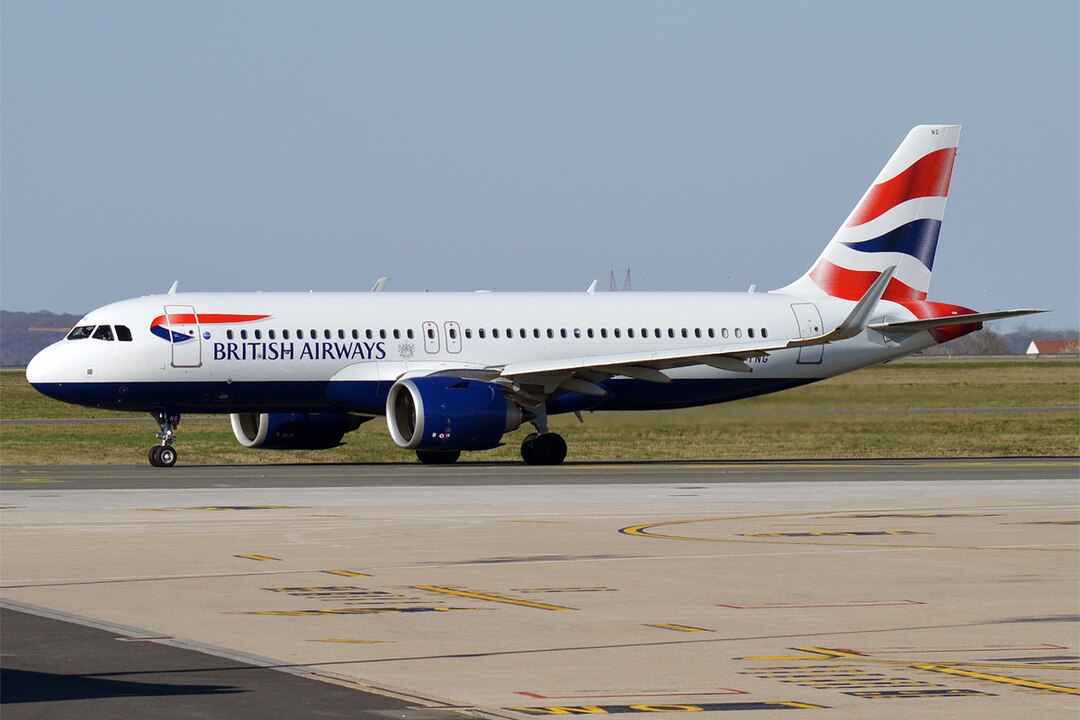
LONDON- A British Airways (BA) flight from London Heathrow (LHR) to Abuja (ABV) had to make an emergency landing in Barcelona after a passenger died mid-flight. The passenger was identified as Osita Obierika, a retired Air Vice Marshal from the Nigerian Air Force who had been in the UK for cancer treatment.
The Nigerian officer had been undergoing cancer treatment. Long flights can be particularly difficult for cancer patients, depending on their treatment stage and overall health. Whether he had medical clearance for the flight isn’t publicly known.

British Airways Emergency Landing
The flight left London Heathrow late Sunday night, heading to Nnamdi Azikiwe International Airport in Abuja. About two and a half hours into the journey, the retired officer suffered a severe medical emergency and died on board.
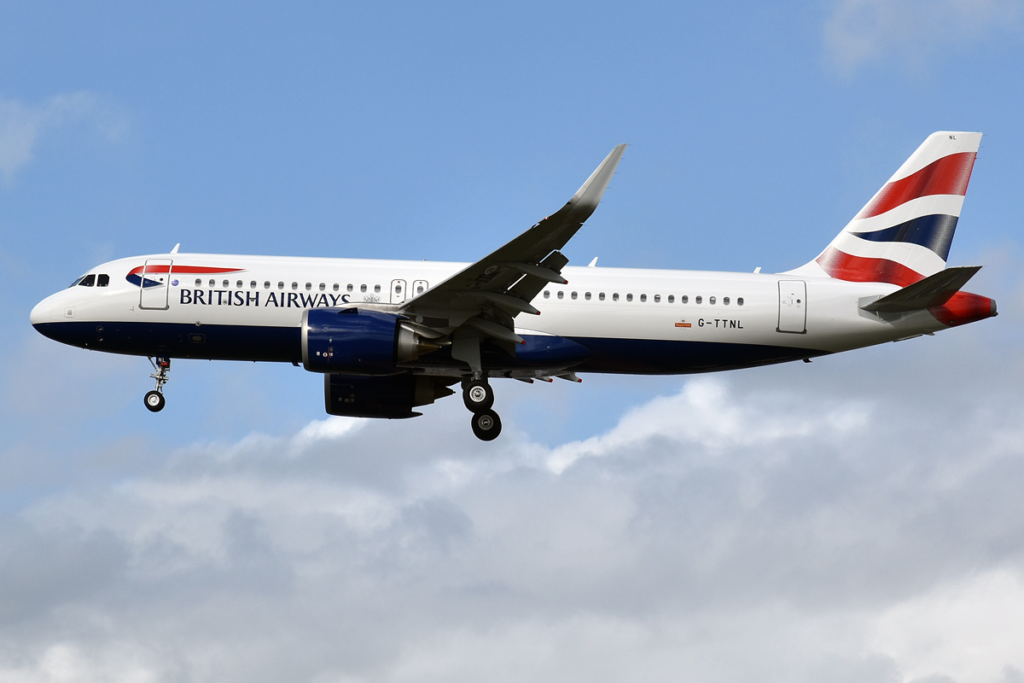
The flight crew declared a medical emergency and diverted to Barcelona’s El Prat Airport. The aircraft landed safely there. British Airways arranged a replacement plane to continue the journey to Abuja for the remaining passengers.
The emergency landing caused delays and panic among passengers. Reports say a pregnant woman on board also had some kind of medical condition during the incident, though her condition hasn’t been publicly confirmed.
British Airways apologized for the disruption and told passengers to expect updates through email or their chat service.
Osita Obierika was a retired Air Vice Marshal in the Nigerian Air Force. He had reportedly been receiving cancer treatment in the UK and was returning home to Nigeria when he died. No further details about his age, service history, or family have been publicly released. The exact medical cause of death hasn’t been officially confirmed.

How Airlines Handle These Situations
Conditions such as these during mid-flight are rare, but airlines have protocols for them. The crew must divert to the nearest suitable airport. They coordinate with ground medical teams and emergency services. They also manage other passengers who might be affected by the emergency.
British Airways followed standard procedures by diverting to Barcelona and arranging another aircraft. When choosing where to land, crews consider which airport has the best medical facilities and emergency services, not just which one is closest.
The decision depends on several factors. Can the airport handle the emergency? Does it have proper medical support? Is it safe for all passengers? These questions guide where pilots decide to land.
Stress on Passengers and Crew
Medical emergencies during the flights create difficult situations. There are high chances that it puts pressure on other passengers on board. Some might have their own medical reactions to the crisis. The crew must keep everyone calm while dealing with the emergency.
In this case, the pregnant passenger’s medical episode shows how one emergency can trigger others. Fear and anxiety spread quickly in confined spaces like aircraft cabins. Crew training includes managing these psychological aspects alongside the immediate medical situation.
Sitting for hours affects circulation for people with existing medical conditions. Cabin pressure changes can also stress the body. Dehydration is also another common reason. For someone already ill, these factors can be dangerous.
Medical Capabilities on Aircraft
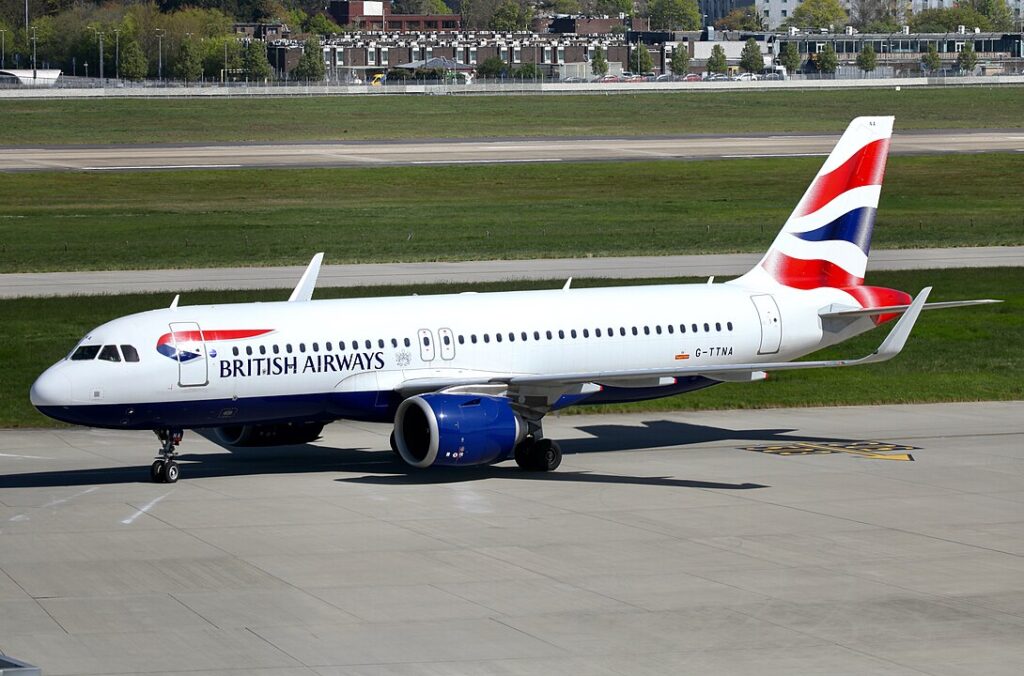
This incident raises questions about medical equipment on planes. Commercial aircraft carry medical kits and defibrillators. Crew members receive basic medical training. Some flights have doctors or nurses among passengers who can help.
But planes carry limited equipment on board. Advanced and immediate treatment/care isn’t possible. For any serious conditions that might arise on board, the best option is getting the person to a hospital quickly. That means to land at the closest airport.
Some people believe that airlines should carry more advanced medical equipment. However, airlines have always said the costs and training requirements make this impractical. Current standards balance medical readiness with operational realities.
Not an Isolated Incident
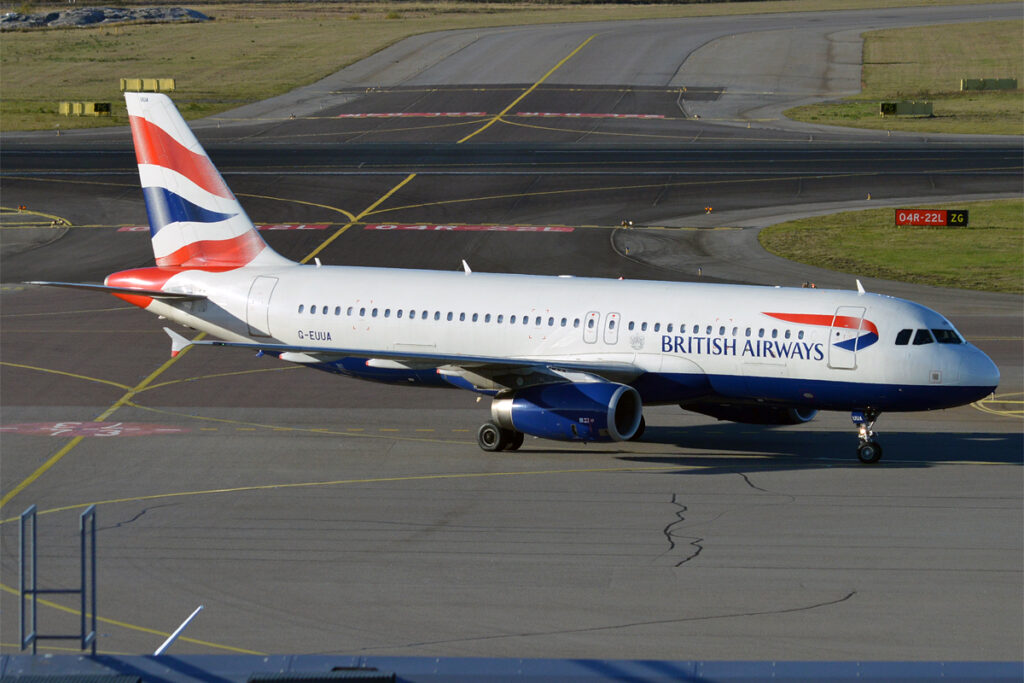
Similar cases have happened before. Earlier this year, a Turkish Airlines passenger died mid-flight, forcing a diversion. These incidents, while uncommon, remind us that medical emergencies can happen anywhere, including at altitude.
Statistics show that in-flight deaths are extremely rare, given the millions of flights operated annually. But when they occur, they test airline emergency systems and affect everyone on board. For the crew, dealing with a passenger’s death while managing other passengers and coordinating with ground control requires skill and composure.
Airlines recommend medical clearance for passengers with serious health conditions. Some require a doctor’s notes for certain illnesses. Passengers should carry medication in hand luggage and bring medical information in case of emergencies.
Stay tuned with us. Further, follow us on social media for the latest updates.
Join us on Telegram Group for the Latest Aviation Updates. Subsequently, follow us on Google News
