

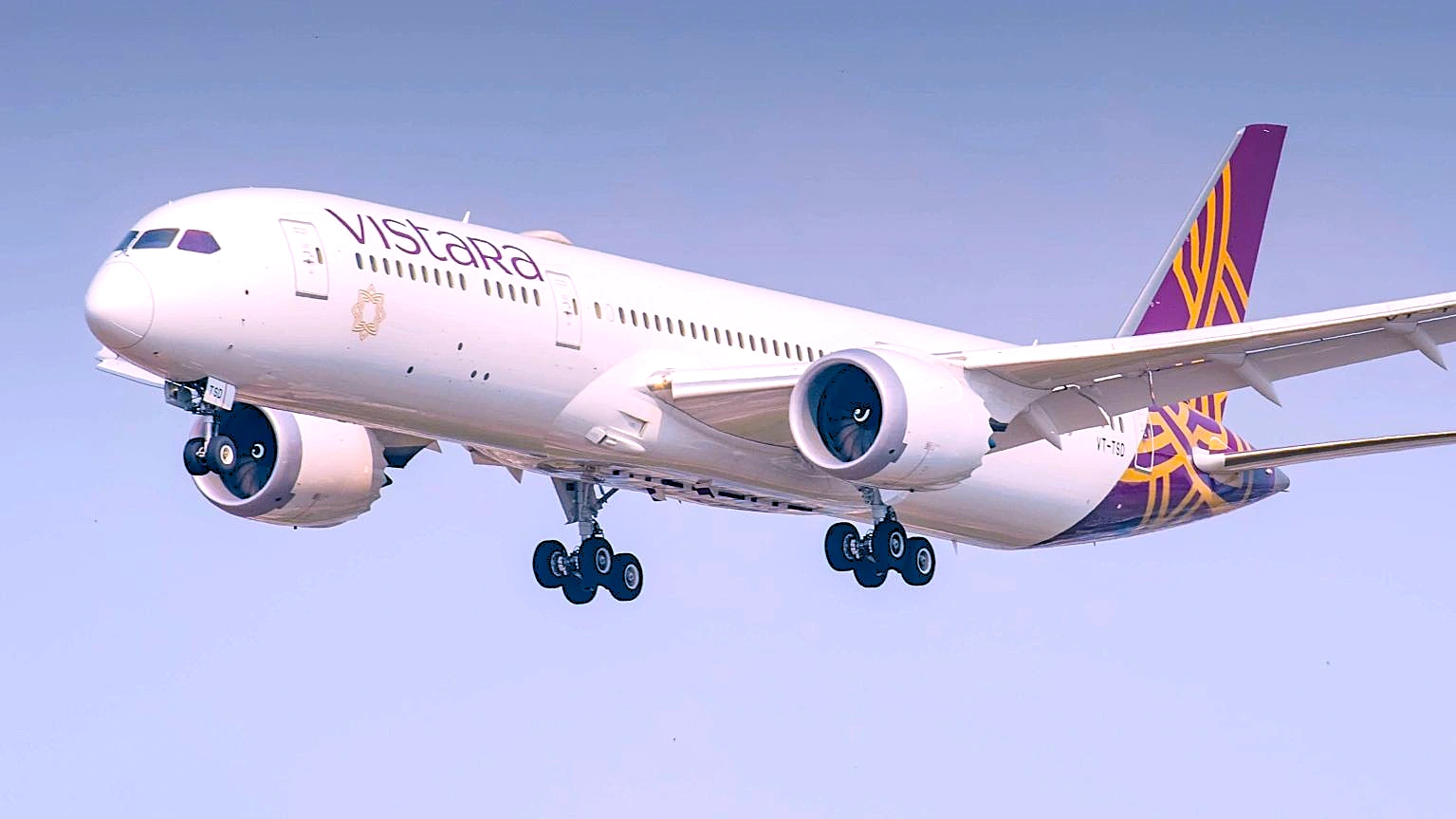
MUMBAI- On November 11, 2024, Vistara Airline merged with Air India (AI), but it left lots of memories and important lessons that should be learned by full-service carriers.
Vasuki Prasad, an aviation analyst and former Vistara employee shared financial numbers and also shared some facts about the TATA SIA JV carrier.
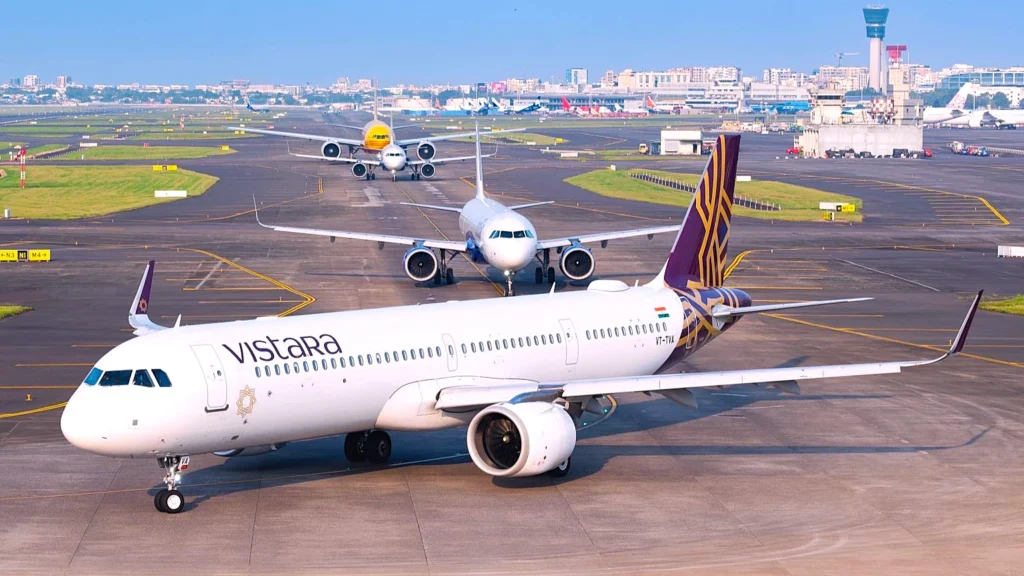
Vistara Airline by Numbers
The establishment of Vistara represented a significant commitment from its parent companies:
- Total capital investment: INR 100.2 billion (approximately USD 1.2 billion)
- Ownership structure: 51% TATA Group, 49% Singapore Airlines (SQ)
- Operational lifespan: 3,595 days (January 9, 2015 – November 11, 2024)
The airline’s fleet evolution tells a story of measured expansion:
- Initial years showed modest growth with primarily A320 aircraft
- Significant fleet expansion occurred between FY19 and FY24
- Fleet composition diversified to include wide-body aircraft for international operations
- Final fleet size represented nearly 10x growth from initial operations
Revenue and Cost Dynamics
The financial trajectory reveals several interesting patterns:
- Revenue-Expense Gap
- Persistent gap between revenue and expenses per flight throughout most operations
- A notable improvement in FY24 with the revenue-expense gap narrowing to just 4%
- Progressive increase in both metrics over time, reflecting network expansion and aircraft upgauging.
- Average Seat Configuration Evolution
- Initial “premium-heavy” configuration:
- 16 Business
- 36 Premium Economy
- 96 Economy
- Total: 148 seats
- Final “premium-light” configuration:
- 8 Business
- 24 Premium Economy
- 132 Economy
- Total: 164 seats
- Some aircraft converted to all-economy 180-seat configuration
- Initial “premium-heavy” configuration:
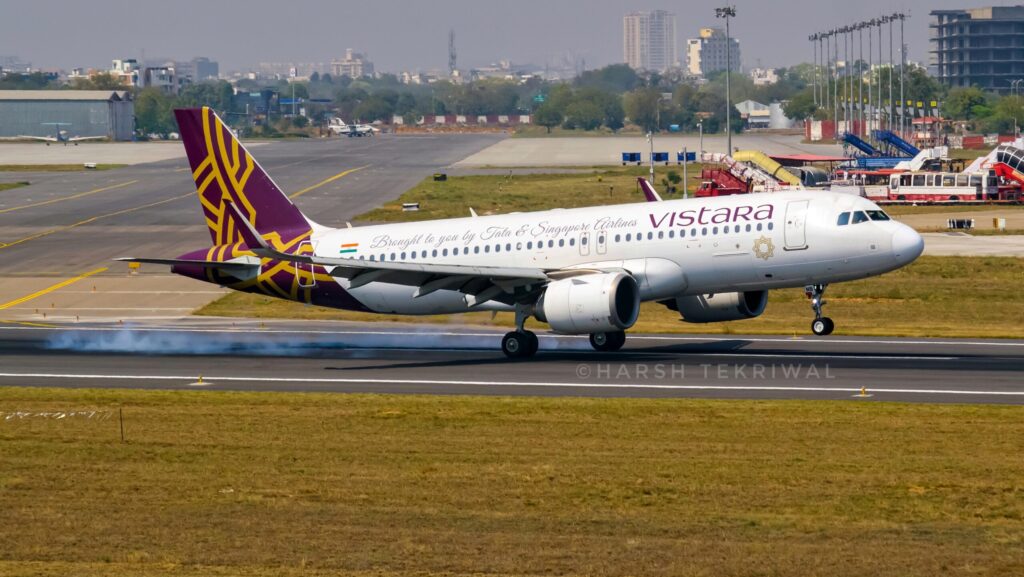
Critical Success Factors and Challenges
The data shows consistent growth in passenger numbers:
- Strong growth in both domestic and international segments
- A steady increase in average ticket values over time
- Improved load factors in later years of operation
Several external factors influenced Vistara’s performance:
- Regulatory Environment
- Benefited from the removal of the 5/20 rule in 2016
- International operations commenced in August 2019
- Market Opportunities
- Capitalized on Jet Airways’ collapse in 2019
- COVID-19 capacity constraints created yield opportunities
- Brand strengthening over time
- Network expansion and maturation
- Operating Economics
- Better performance on longer routes with larger aircraft
- Challenging economics on shorter domestic sectors
- Premium products found stronger acceptance in metro routes
Legacy and Lessons
Vistara’s decade-long operation offers several key lessons for the aviation industry:
- Full-service carriers require substantial capital backing and patient investors
- Premium products need market maturity and network scale
- Constant adaptation of product offering is crucial for survival
- Route network optimization is critical for profitability
- External factors can significantly impact business viability
Overall, it was a success and could have been profitable if Tata had operated it on the busiest and leisure medium and long-haul international routes.

Other Updates
What will happen to Vistara Co-branded Credit Cards?
Vistara co-branded credit cardholders will retain their benefits as the airline merges with Air India. Current card terms remain effective until March 31, 2026, regardless of the merger’s progress, with annual membership renewals required by March 31, 2025.
Starting November 12, 2024, Club Vistara cardholders will receive enhanced perks, including complimentary ticket vouchers and One Class Upgrade Vouchers in addition to their current benefits. Tier privileges will also extend for a year after the merger’s completion, allowing members to continue using their loyalty rewards without interruption.
Also Read Unfair: Vistara Engineers and Technicians Getting Less Salary Compared to Air India
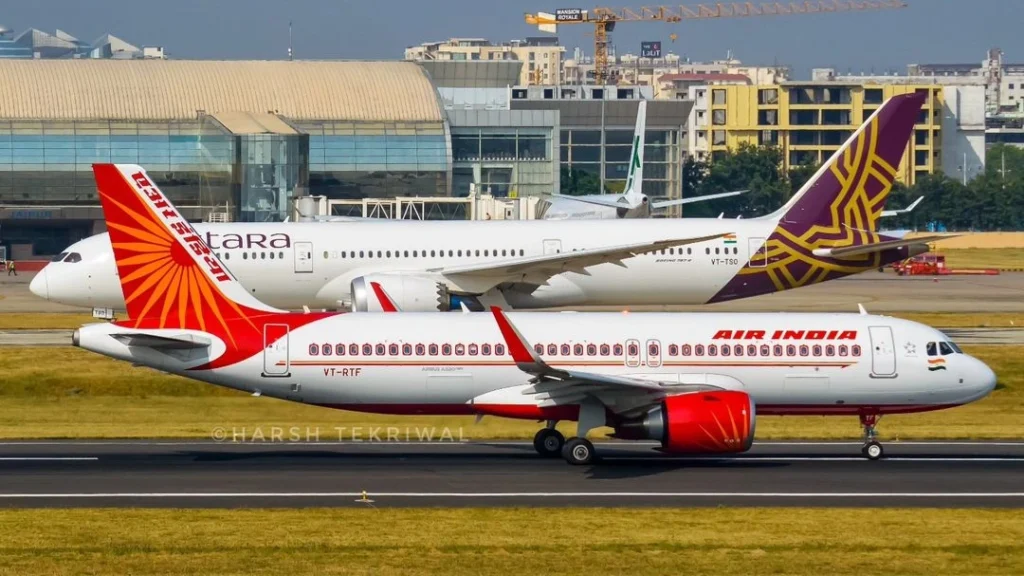
When will Vistara Plane get the New Air India Livery?
The Air India-Vistara merger will streamline operations and expand services, but Vistara’s livery will remain visible temporarily.
Starting November 12, Vistara-branded flights will no longer be bookable, yet Air India will continue to operate aircraft with Vistara’s livery and staffed by former Vistara crew. The rebranding will proceed gradually, with pilots and crew integrated into Air India’s roster over time.
The rebranding process requires aircraft downtime, which airlines typically avoid during peak travel seasons when routine maintenance checks occur. Until the transition is completed early next year, Vistara’s network and crew operations will continue unchanged, allowing passengers to fly on Vistara-branded aircraft with familiar staff onboard.
Feature Image by Utkarsh Thakkar (@vimanspotter)
Stay tuned with us. Further, follow us on social media for the latest updates.
Join us on Telegram Group for the Latest Aviation Updates. Subsequently, follow us on Google News
