

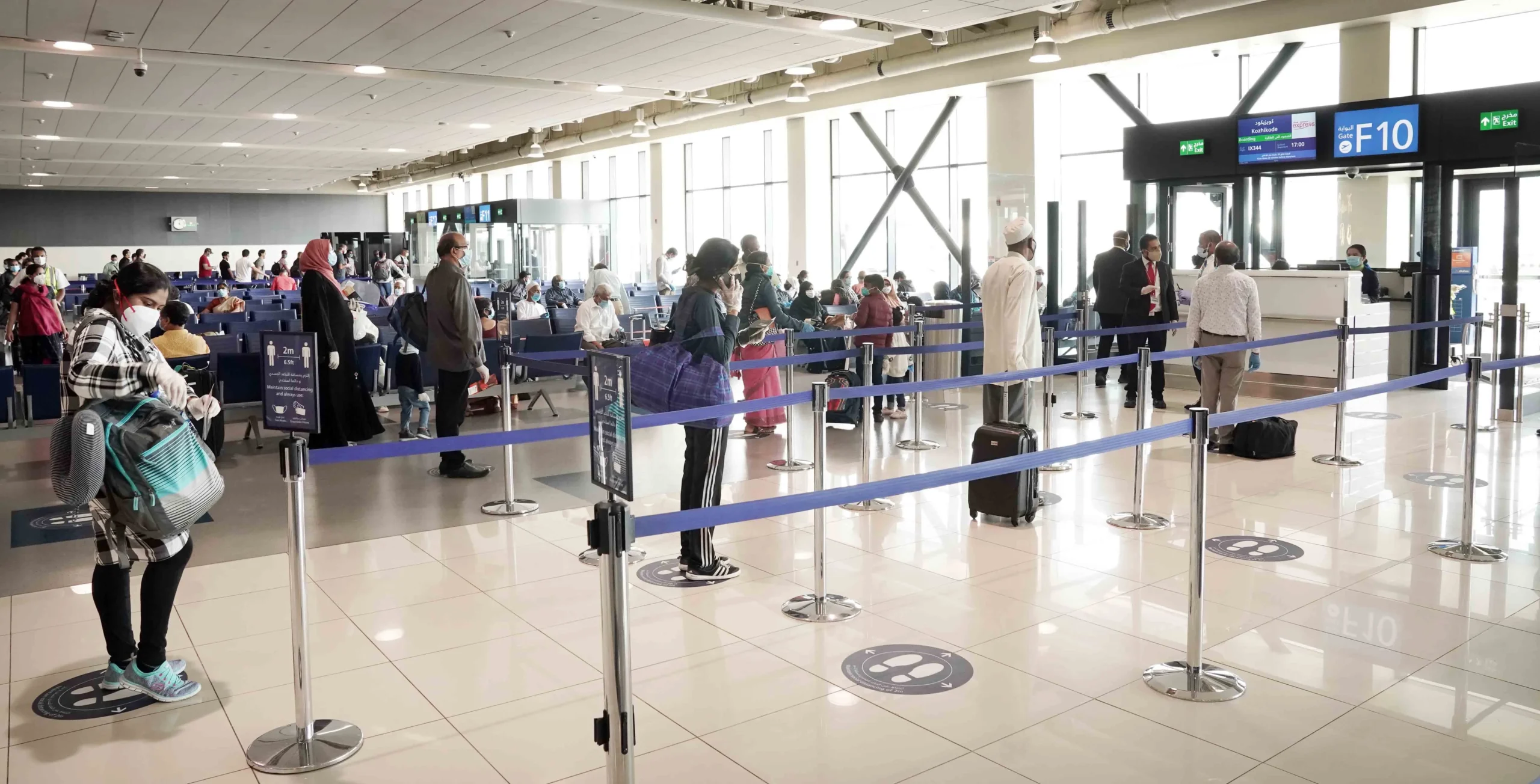
DUBAI, UAE- Dubai International Airport (DXB) handled 50.4 million passengers during the first nine months of 2026, as airlines gradually restored services and summer travel supported demand. However, the airport continued to face a significant recovery challenge, with passenger traffic remaining 28.1% below the corresponding period in 2025 amid the impact of the regional conflict.
The airport recorded 18.8 million passengers between July and September, marking an improvement from the previous quarter. August was the busiest month, welcoming 6.6 million travellers, while Dubai Airports expects annual passenger numbers to exceed 70 million despite the challenging operating environment.
Passenger Traffic Recovery Shows Gradual Improvement
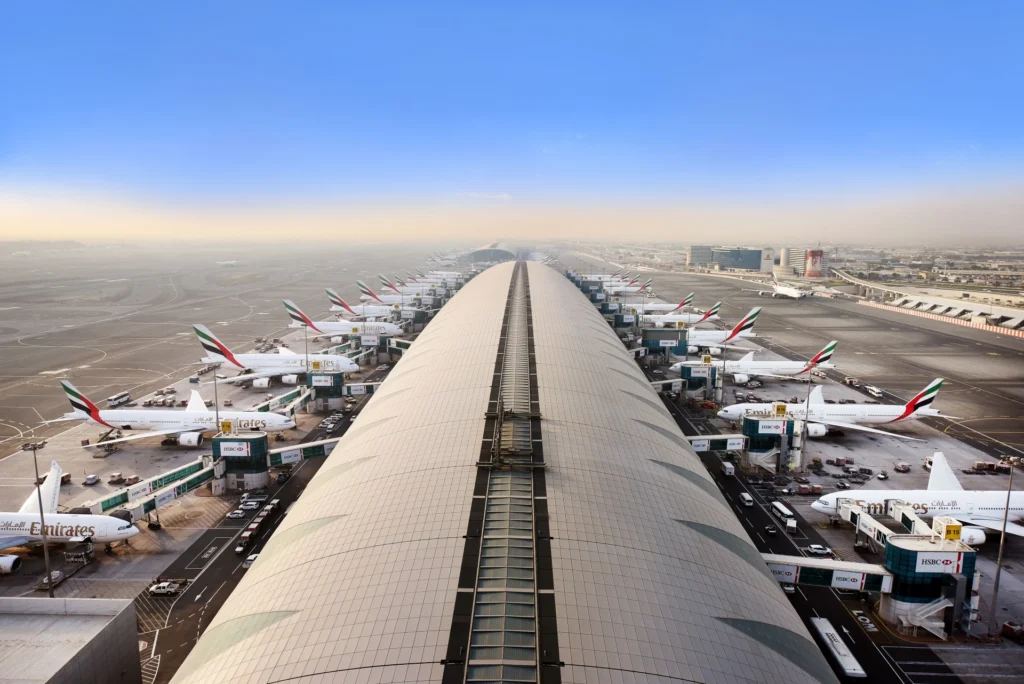
DXB’s third-quarter performance showed that travel demand continued to strengthen during the summer. The airport handled 13 million passengers in the second quarter, bringing first-half traffic to 31.5 million, before passenger volumes increased to 18.8 million in Q3.
Despite the improvement, third-quarter traffic remained 22.1% lower than the same period in 2025. The nine-month decline also highlights how the regional conflict has affected airline operations, international connectivity and passenger demand across Dubai’s aviation market.
Dubai Airports Chief Executive Paul Griffiths said the airport expects to welcome more than 70 million passengers during 2026.
He added that returning airlines and a stronger international network would help the airport accommodate demand while improving the passenger experience.

Airline Network Expansion Continues Gradually
Dubai International currently connects passengers to 235 airport destinations across 101 countries through 57 airlines. The network has expanded from almost 50 international carriers and 217 destinations during the first half of 2026, reflecting the gradual return of airline services.
British Airways (BA) resumed operations earlier in November, joining carriers such as Royal Air Maroc, SunExpress and Cebu Pacific. Further airline resumptions are expected as international operators rebuild their Dubai networks.
Transfer traffic remained particularly important during September. Passengers travelling directly to and from Dubai represented 49% of total traffic, while connecting passengers accounted for 51%.
India remained DXB’s largest country market during the third quarter, contributing 2.6 million passengers. Saudi Arabia followed with 1.4 million, while the United Kingdom recorded 1.3 million.
Pakistan generated 800,000 passengers, followed by the United States with 640,000 and Germany with 480,000. London was the busiest city destination with 784,000 passengers, ahead of Mumbai at 528,000 and New Delhi at 525,000.
Cargo And Airport Operations Performance
Aircraft movements at DXB reached 243,000 during the first nine months, representing a 27.6% year-on-year decline. The airport recorded 92,800 movements in Q3 alone, reflecting the reduced level of flight activity.
Cargo operations also remained below 2025 levels. DXB processed 1.215 million tonnes of cargo during the nine months, down 23.2%, including 464,000 tonnes in the third quarter.
The average passenger load factor stood at 74%, three percentage points lower than a year earlier. Meanwhile, the airport handled an average of 211 passengers per aircraft movement, representing a 0.8% decline, Gulf News reported.
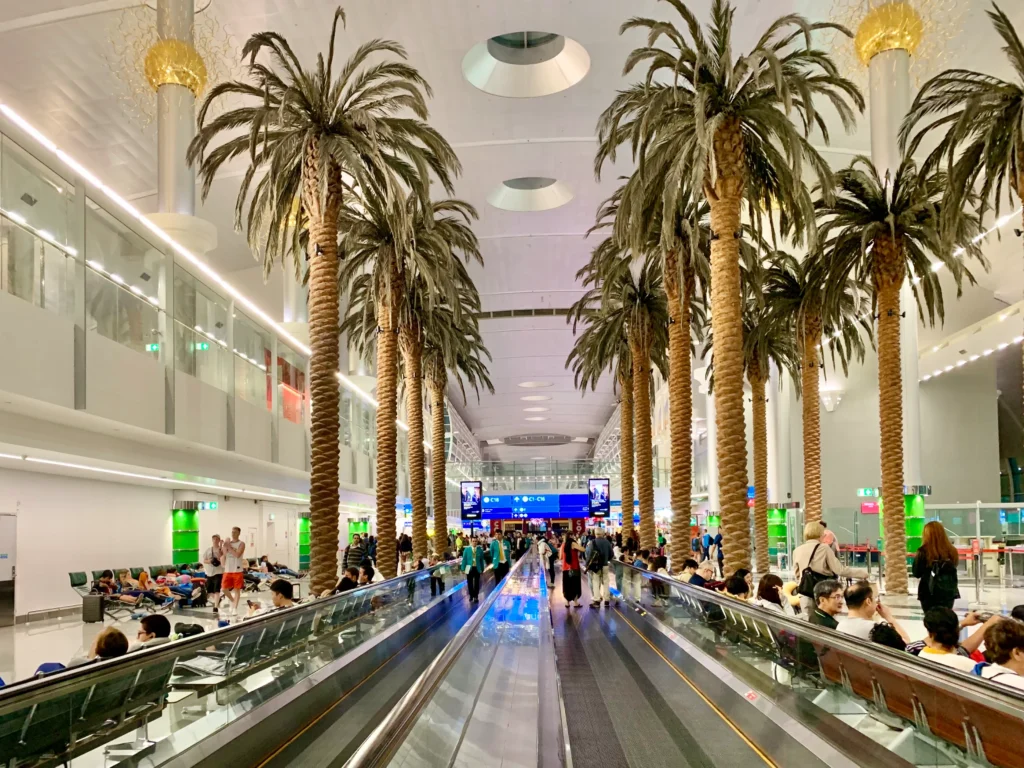
Dubai Airports is also investing in artificial intelligence, predictive analytics and biometric technology to improve operational efficiency. These systems are designed to monitor passenger flows, identify potential congestion and make better use of existing airport facilities.
Griffiths said technology and improved processes would help DXB unlock additional capacity without expanding its physical footprint. The strategy aims to support the airport’s recovery while preparing its infrastructure for future passenger growth.
Stay tuned with us. Further, follow us on social media for the latest updates.
Join us on Telegram Group for the Latest Aviation Updates. Subsequently, follow us on Google News
