

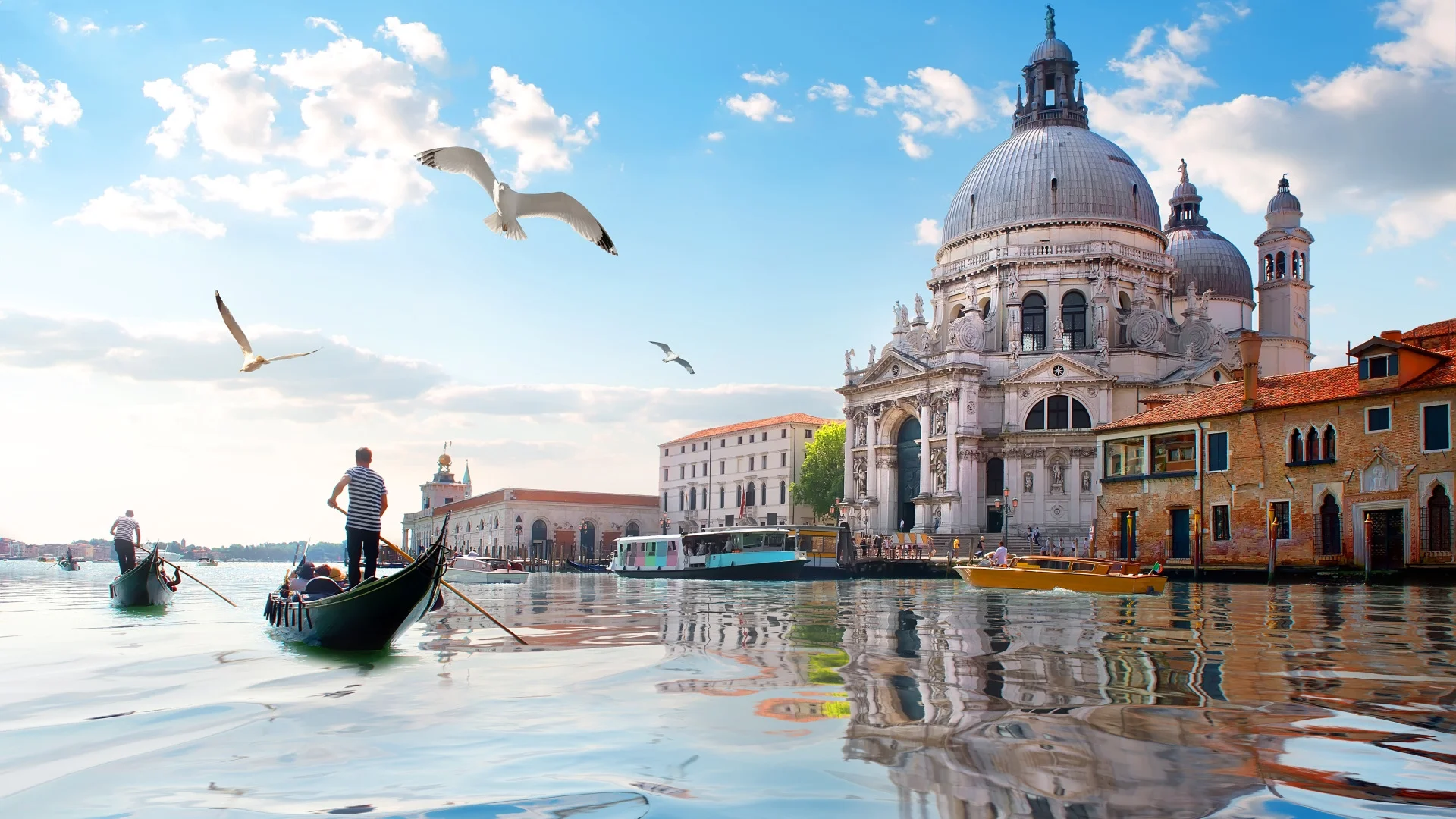
A new ranking of the world’s quietest cities for 2027 has placed Europe at the centre of the global travel conversation, with all ten leading destinations located across the continent. European cities reflect the appeal of destinations with pedestrian-friendly streets, fewer major roads, and policies designed to manage urban noise.
The ranking, compiled by Avanti Travel Insurance using data from Euromonitor International’s Top 100 City Destinations Index for 2025 (and reported in Euronews), offers travellers a different way to evaluate popular holiday destinations. The study assessed areas within two kilometres of city centres, examining major roads, pedestrian streets, quiet-hour rules, nighttime curfews, airport flight restrictions and Sunday trading regulations.
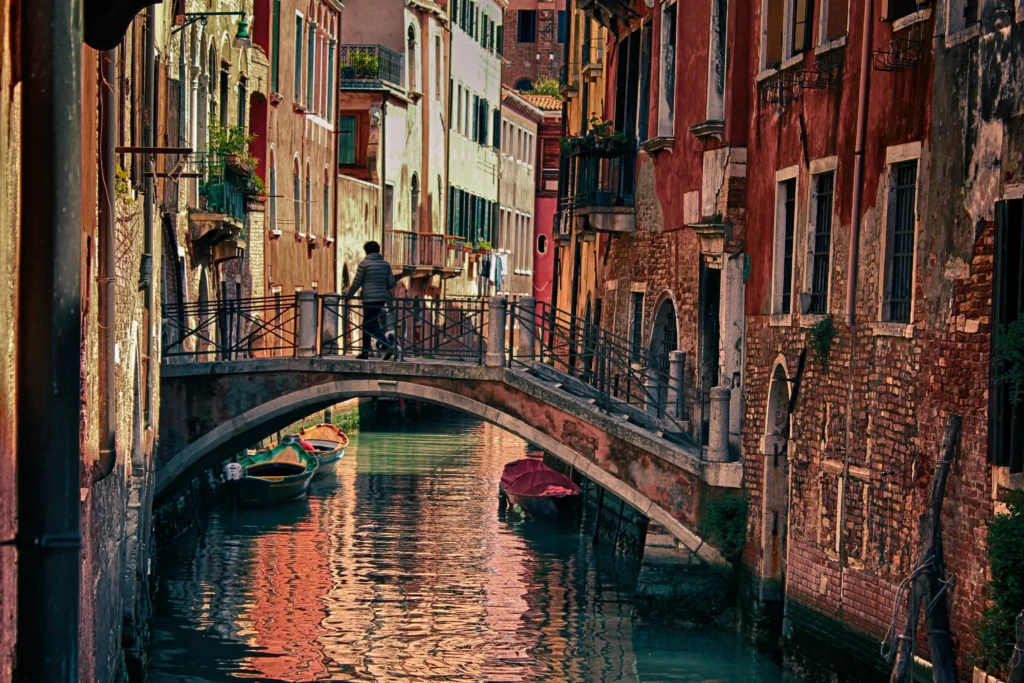
1. Venice, Italy
Venice ranks first as the world’s quietest city for 2027, with barely two kilometres of busy roads and more than 170 kilometres of car-free streets. Its canals, bridges and pedestrian-friendly historic centre offer visitors an escape from conventional road traffic.
Venice Marco Polo Airport (VCE) serves as the main international gateway for visitors arriving by air. Travellers can continue towards the historic centre using water transport and other available connections.
Early-morning visits also offer opportunities to explore popular locations before the busiest tourist periods.
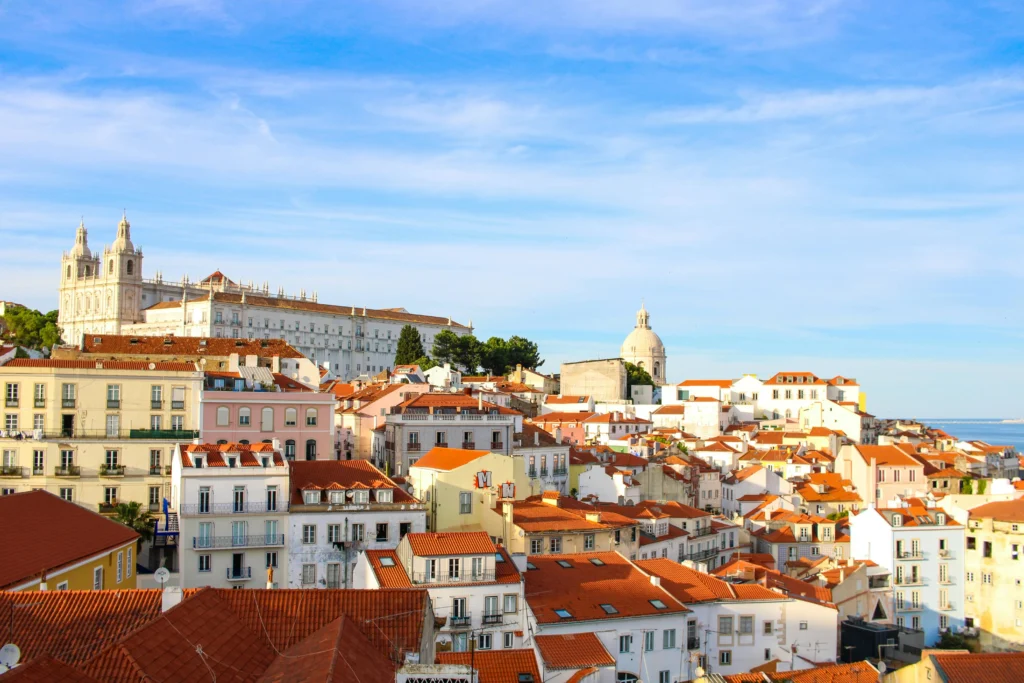
2. Lisbon, Portugal
Lisbon ranks second, supported by its relatively low density of major roads and restrictions on nighttime airport operations. Portugal’s capital combines a historic urban environment with transport policies that contribute to its position in the ranking.
Lisbon ranks second, supported by low major-road density and nighttime flight restrictions at Lisbon Humberto Delgado Airport (LIS). Its historic trams, tiled streets, Tagus River views and Gulbenkian gardens offer visitors a quieter city experience.
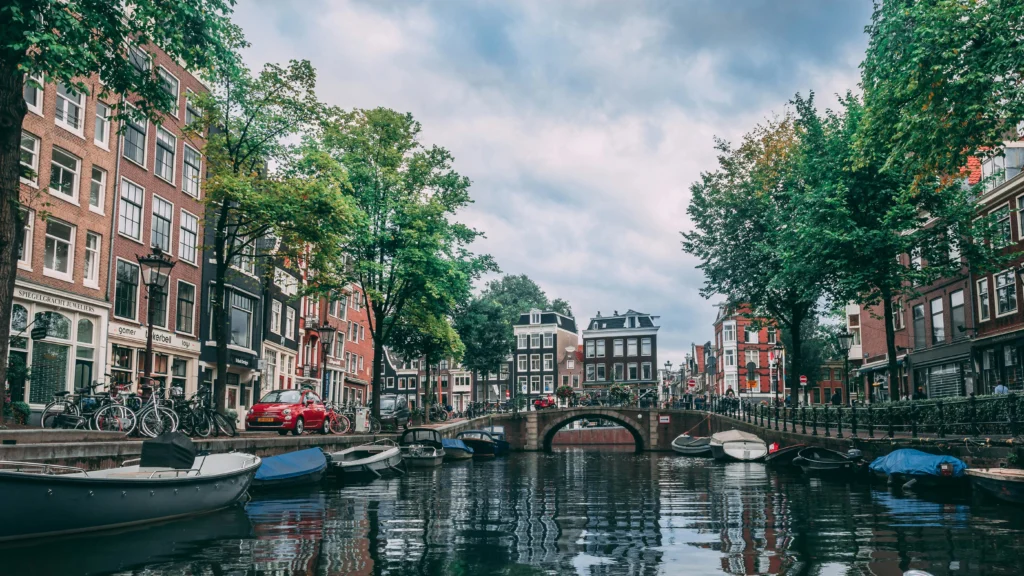
3. Amsterdam, Netherlands
Amsterdam secures third place, helped by its extensive network of pedestrian-friendly streets and canal-side routes. The research identified more than 30 kilometres of car-free streets, giving visitors opportunities to explore the Dutch capital without depending on road transport.
Amsterdam Airport Schiphol (AMS) serves as one of Europe’s major international aviation hubs, connecting the Netherlands with destinations worldwide. Despite the airport’s significant traffic, the city’s central neighbourhoods offer a different experience through cycling routes, canals and pedestrian areas.
Visitors can explore museums, independent shops and cafés across several neighbourhoods. Rather than staying directly in the busiest tourist centre, travellers can consider residential districts that offer convenient transport connections and a quieter atmosphere.

4. Barcelona, Spain
Barcelona takes fourth place, adding another Mediterranean destination to the European-dominated ranking. The Spanish city combines historic architecture, public spaces and coastal attractions, providing visitors with several alternatives to heavily trafficked streets.
Its pedestrian-friendly areas and public transport network make it possible to explore many attractions without relying on private vehicles. Visitors can move between historic districts, cultural landmarks and waterfront locations while avoiding some of the busiest road corridors.
Barcelona is also served by Josep Tarradellas Barcelona-El Prat Airport (BCN), which provides international connections for tourists arriving from across Europe and other regions.
5. Brussels, Belgium
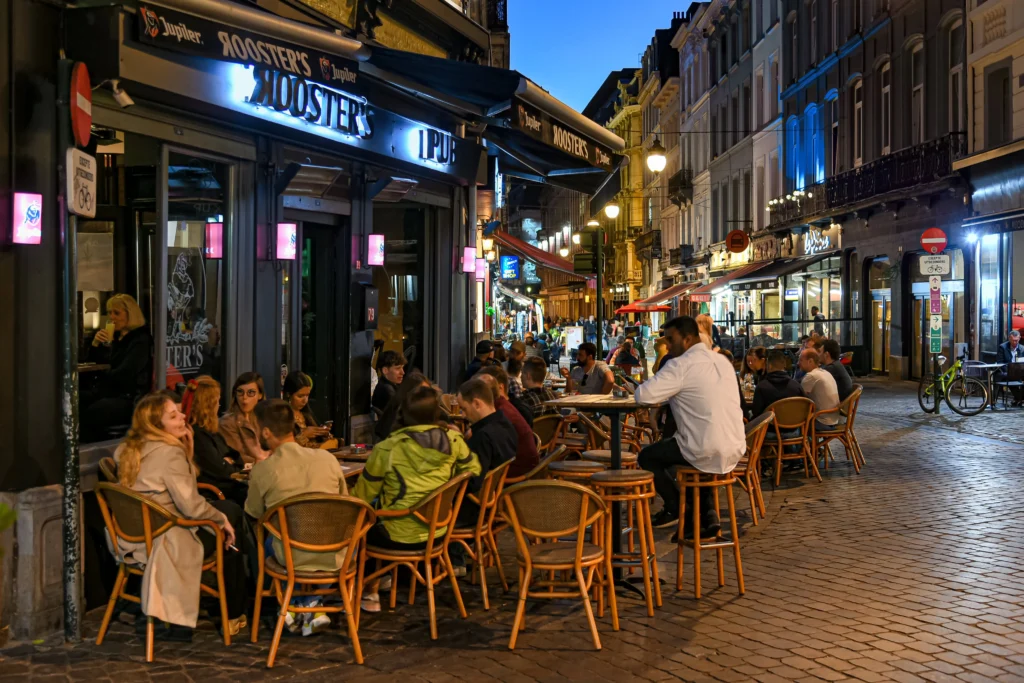
Brussels ranks fifth among the world’s quietest cities for 2027. Its historic centre features pedestrian areas, public squares, museums and cafés, making it easy for visitors to explore on foot.
The city’s public transport system also connects major districts without relying on private cars. Brussels Airport (BRU) serves as the main international gateway, combining easy access with a more pedestrian-friendly city experience.

6. Athens, Greece
Athens ranks sixth, bringing Greece into the world’s ten quietest cities for 2027. Despite its popularity among international tourists, the Greek capital offers pedestrian-friendly areas and public transport connections that make exploring its historic districts easier.
Visitors can discover ancient archaeological sites, cultural landmarks and traditional neighbourhoods while experiencing the city’s blend of historic architecture and modern urban life.
Athens International Airport (ATH) provides connections across Europe and international markets, with ground transport options linking arriving passengers to the city centre.

7. Zürich, Switzerland
Zürich takes seventh place, representing Switzerland in the ranking. The city offers a different setting from the Mediterranean destinations above it, with a combination of lakeside areas, organised public spaces and an established public transport network.
Visitors can explore the historic centre, walk along Lake Zürich and discover neighbourhoods outside the main commercial district. Its transport system also makes it easier to move around without depending on private vehicles.
Zürich Airport (ZRH) provides international connections and serves as a major gateway to Switzerland. The city’s urban organisation and access to outdoor spaces contribute to its appeal among travellers looking for a more relaxed city break.

8. Milan, Italy
Milan ranks eighth, giving Italy its second appearance in the top ten after Venice. Although the city is known for fashion, business and international events, its pedestrian areas and transport infrastructure contribute to its position in the study.
Milan offers museums, galleries and historic landmarks alongside pedestrian-friendly areas and public transport. Milan Malpensa Airport (MXP) provides an important international gateway, demonstrating how a major business destination can also support a quieter visitor experience.

9. Florence, Italy
Florence takes ninth place, completing Italy’s representation with its historic streets and cultural attractions. The city is particularly popular among travellers interested in Renaissance architecture, museums and traditional Italian urban life.
Many of its central attractions are accessible on foot, reducing the need for visitors to use vehicles when exploring the historic district. Its narrow streets and pedestrian-oriented areas also distinguish Florence from larger, more road-dependent cities.
Florence Airport (FLR) provides regional air connections, while Pisa International Airport (PSA) offers another option for some international travellers visiting the region. Florence’s position highlights the value of walkable historic centres in the wider European tourism market.
10. Stockholm, Sweden
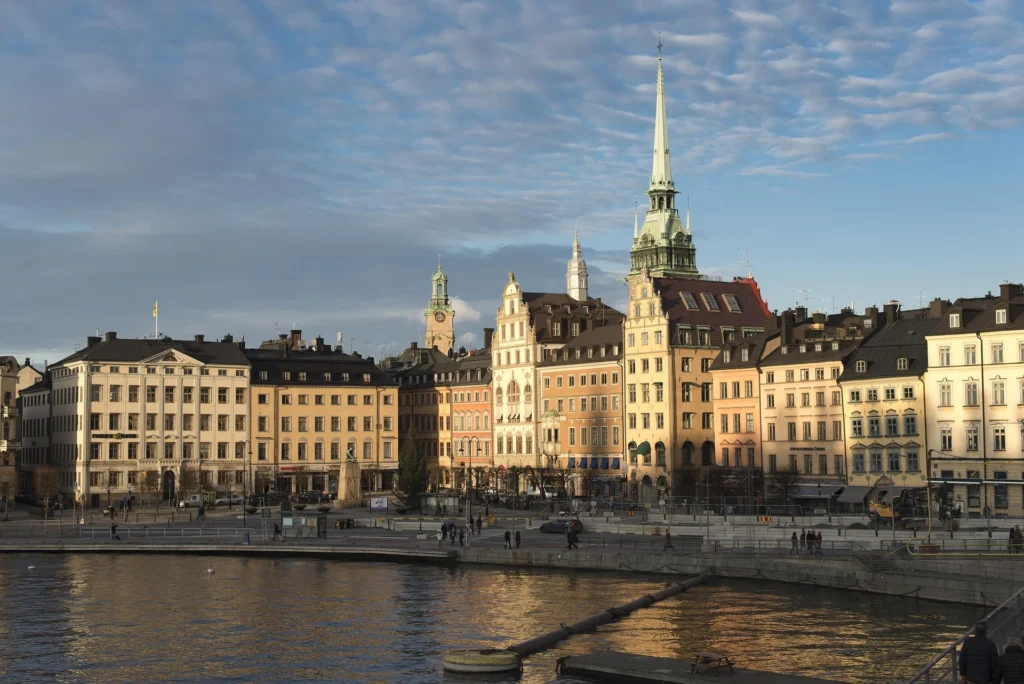
Stockholm ranks tenth, representing Northern Europe in the world’s quietest cities for 2027. Its distinctive layout of islands, bridges and waterways creates a peaceful urban setting.
Visitors can explore waterfront districts, green spaces and historic neighbourhoods using the city’s public transport network.
Stockholm Arlanda Airport (ARN) serves as the main international gateway, connecting the Swedish capital with destinations worldwide.
Its combination of natural surroundings, accessible transport and urban attractions makes Stockholm an appealing destination for travellers seeking a quieter city experience.
Bottom Line
Europe dominated the ranking, but experts also recommended five quieter destinations across Asia, Africa, the Americas and Oceania.
As international travel continues to connect major cities, the research provides another consideration for passengers planning their holidays in 2027, Euro News reported.
Europe’s ten destinations demonstrate how pedestrian access, transport planning and selected noise-control policies can contribute to a different kind of city-break experience.
Stay tuned with us. Further, follow us on social media for the latest updates.
Join us on Telegram Group for the Latest Aviation Updates. Subsequently, follow us on Google News
