

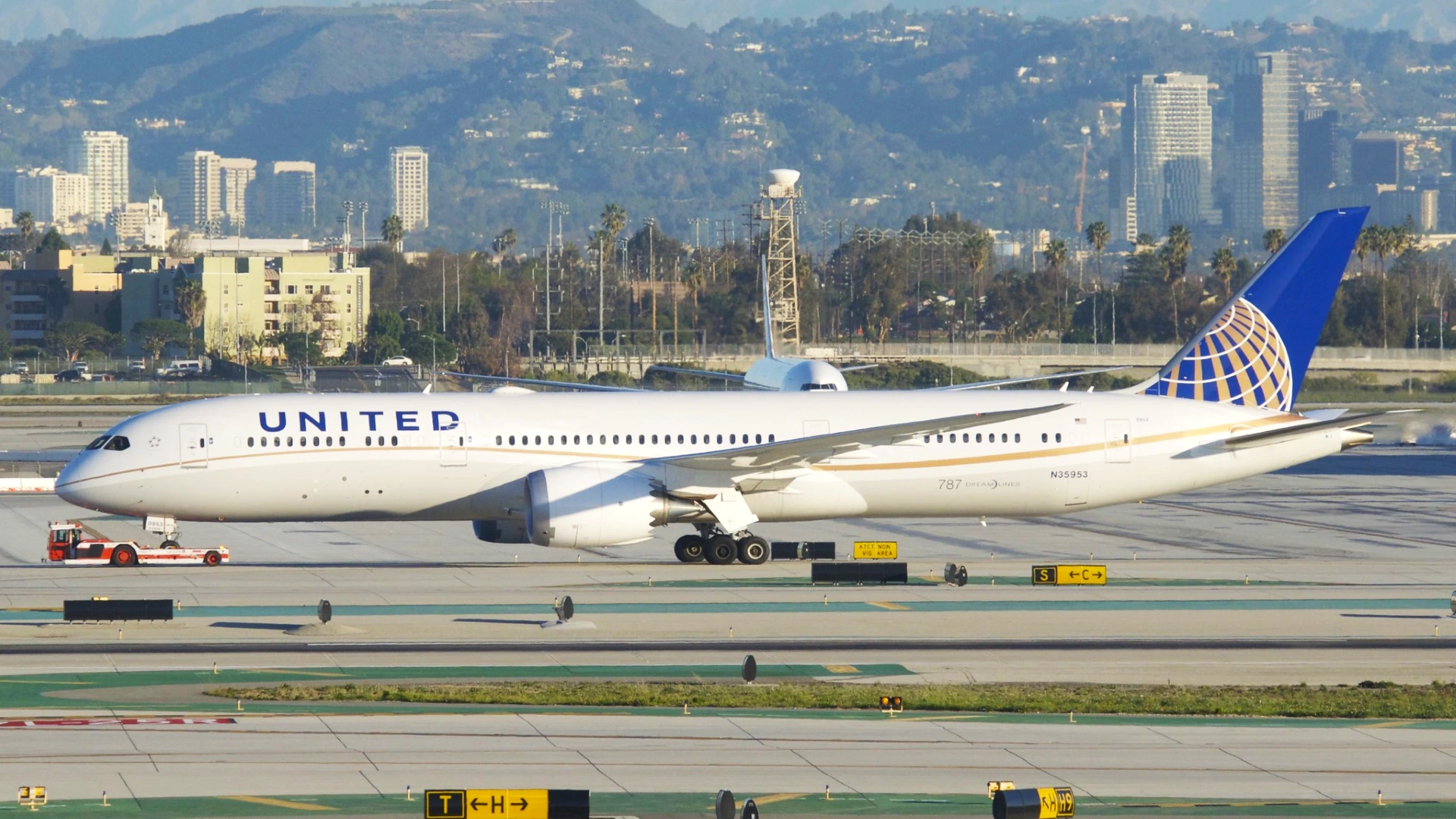
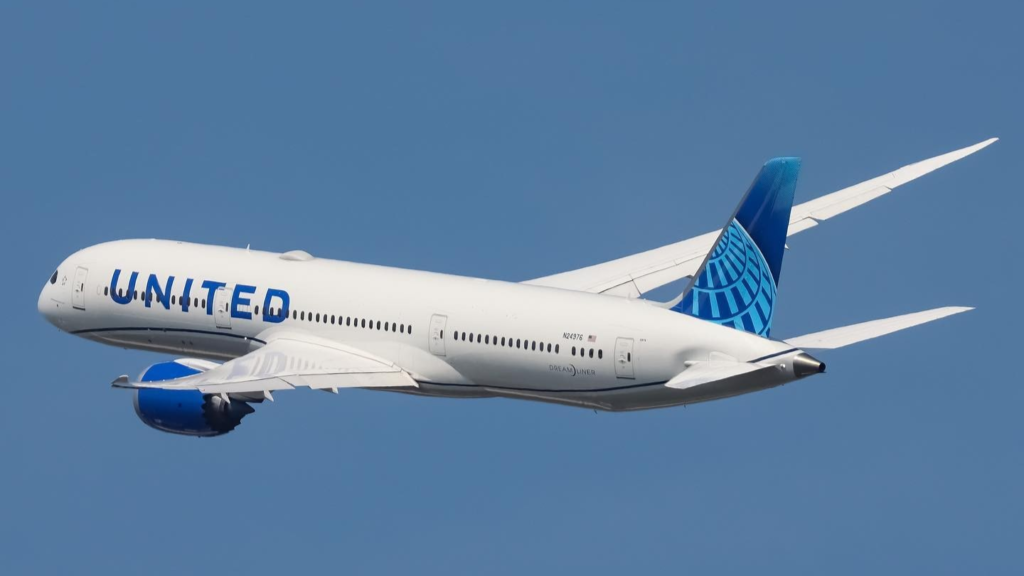
SAN FRANCISCO- A United Airlines (UA) Boeing 787-9 Dreamliner, operating flight UA505 from San Francisco International Airport (SFO) to Houston George Bush Intercontinental Airport (IAH), encountered a potential communication safety concern during departure operations on November 6, 2026.
An air traffic controller at SFO warned the UA505 crew about another United aircraft operating with a similar-sounding call sign UA805. The controller said the two flights were scheduled approximately 15 minutes apart and asked the pilots to report the issue to United Airlines.
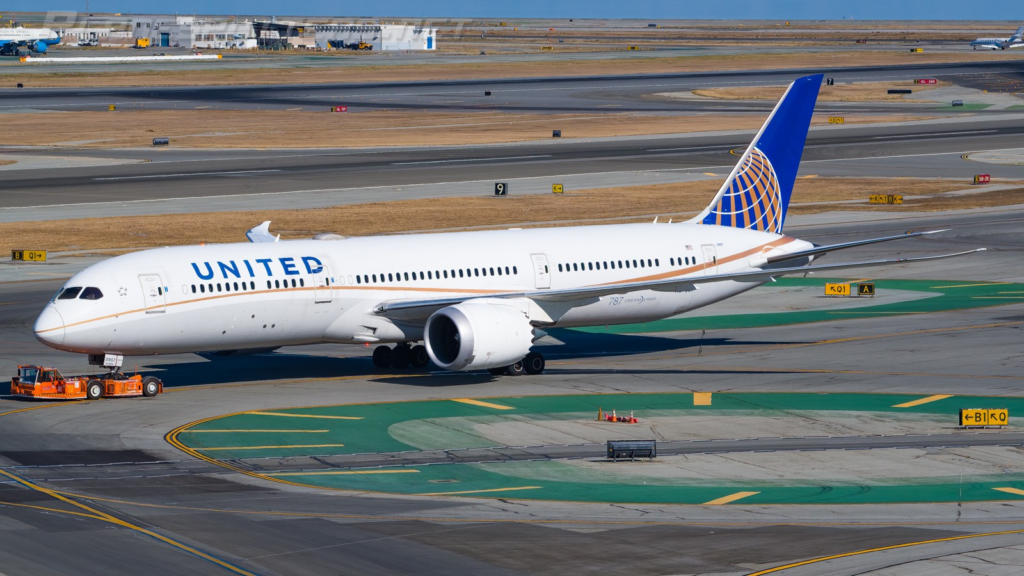
SFO Tower Warns United Pilots About Similar Flight Call Signs
The incident involved United Airlines flight UA505, operated by a Boeing 787-9 Dreamliner registered as N61115. Flight-tracking records identify the aircraft as operating the San Francisco-Houston route on November 6, 2026.
During the exchange, United 805 Heavy was holding on Runway 28R, while United 505 Heavy was preparing to line up on Runway 1L.
The air traffic controller identified the potential confusion between the two company call signs and contacted the UA505 crew directly.
The controller explained that United 805 Heavy was already positioned on the runway to the aircraft’s right and that the two flights were scheduled to operate approximately 15 minutes apart.
The controller then asked the UA505 pilots to pass a specific request to United Airlines.
The tower controller said:
“Can you let your company know that they need to either change call signs or put them more than an hour apart? Because that’s pretty dangerous for us.”
The warning highlighted the controller’s concern about managing two aircraft with similar-sounding call signs during closely timed departure operations.
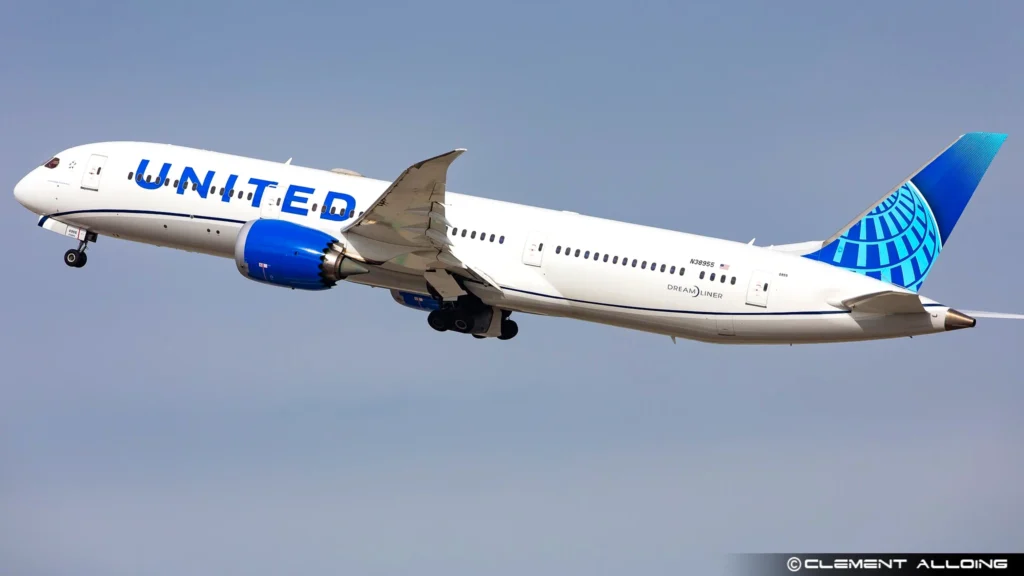
United UA505 Crew Agrees to Report the Issue
The UA505 flight crew acknowledged the controller’s concern and agreed to communicate the request to the airline.
One of the pilots responded:
“All right, I’ll put a request in there, United 505.”
The controller thanked the crew for its cooperation and explained that contacting the airline through the pilots would be the quickest way to raise the issue.
The exchange suggests that the controller wanted United to address the scheduling or flight-identification problem at the company level rather than rely solely on additional precautions from air traffic control.
The requested changes included assigning different call signs to the flights or increasing the scheduled separation between them to more than one hour.
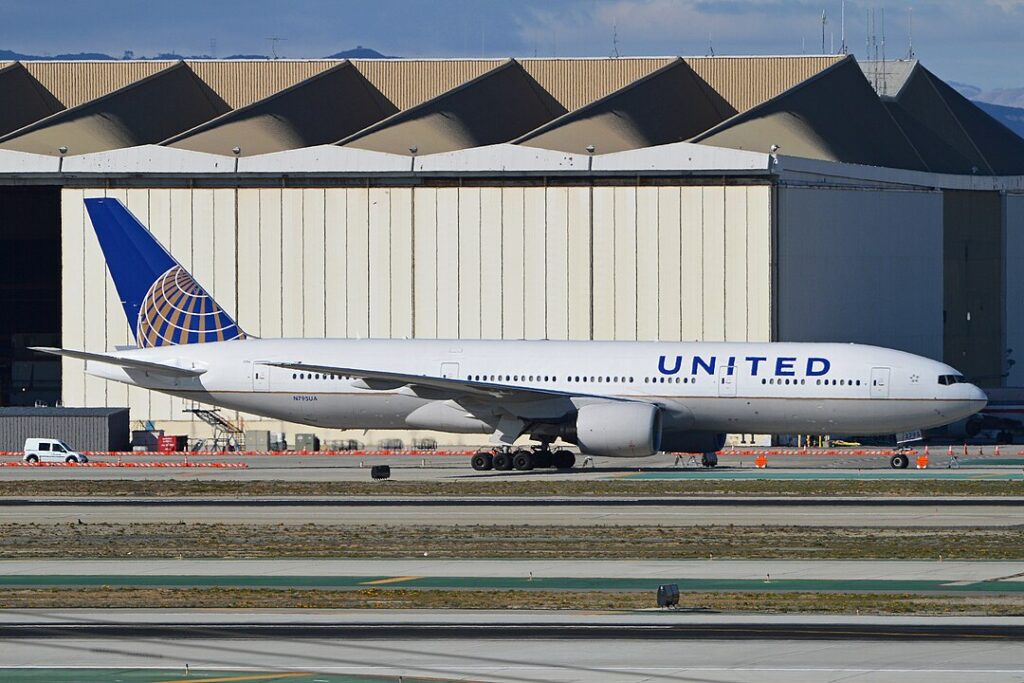
United UA805 and UA505 Receive Runway Instructions
While discussing the similar call signs, the SFO tower continued coordinating the departure movements of both United aircraft.
United 805 Heavy initially received instructions to line up and wait on Runway 28R, with the controller advising the crew about departing traffic to the north.
Meanwhile, United 505 Heavy received instructions to line up and wait on Runway 1L.
After the discussion about the similar call signs, the controller continued sequencing the aircraft for departure.
United 505 Heavy received a quick-takeoff instruction for Runway 1L. The controller subsequently coordinated with United 805 Heavy, asking the aircraft to line up and wait on Runway 28R.
The controller then issued United 805 Heavy a quick-takeoff instruction with the reported wind at 180 degrees and three knots.
The exchange concluded with the tower thanking the UA505 crew for its cooperation and instructing the flight to contact NorCal Departures.
The pilots acknowledged the frequency change.
ATC and Pilot Comms
Here’s a detailed transcription of communication between United Airlines pilots and San Francisco International Airport ATC as flagged by YouCanSeeATC and recorded by LiveATC.net:
[00:05] SFO Tower: United 805 Heavy, Runway 28R, line up and wait. Traffic departing north.
[00:10] United UA805: Runway 28R, line up and wait, United 805 Heavy.
[00:18] United UA805: Tower, United 805. We can speak to you in a minute.
[00:21] SFO Tower: Okay. Once you take it into position, United 805 Heavy, just let me know when you’re ready.
[00:25] United UA805: Okay, line up and wait, full position, United 805 Heavy.
[00:29] SFO Tower: And use caution. I have company 505 Heavy that’s going to be departing Runway 1.
[00:33] United UA805: Copy.
[00:38] SFO Tower: United 505 Heavy, Tower.
[00:40] United UA505: United 505 Heavy.
[00:41] SFO Tower: United 505 Heavy, Runway 1L, line up and wait.
[00:45] United UA505: 1505, United 505. (Readback wording unclear in the supplied transcript.)
[00:47] SFO Tower: And when you have a pen, I got a request for you, United 505 Heavy.
[00:54] United UA505: Go ahead, United 505 Heavy.
[00:56] SFO Tower: United 505 Heavy, I have company similar-sounding call sign 805 in position on to our right. You guys are only scheduled like 15 minutes apart.
[01:04] SFO Tower: Can you let your company know that they need to either change call signs or put them more than an hour apart? Because that’s pretty dangerous for us.
[01:12] United UA505: All right, I’ll put a request in there, United 505.
[01:15] SFO Tower: Thank you, I appreciate it.
[01:16] SFO Tower: I figure that’s the faster way to go.
[01:18] SFO Tower: United 505 Heavy, company is holding on to Runway 1L, quick takeoff.
[01:23] United UA505: Runway 1L, quick takeoff, United 505 Heavy.
[01:26] United UA805: Tower, United 805 Heavy. We’re going to cross through the runway just to make sure we get the data taken out. (Wording unclear in the supplied transcript.)
[01:34] SFO Tower: Okay.
[01:35] SFO Tower: I got somebody behind you, so if it’s going to be more than a couple of minutes, I’m going to have to move you.
[01:39] United UA805: No, it’s not going to be more than a couple of minutes, but we can go ahead.
[01:47] SFO Tower: Yeah, there’s nobody on final, United 805 Heavy, so I’d rather you line up and wait if you can.
[01:52] United UA805: We’re lining up and waiting, United 805 Heavy.
[01:54] SFO Tower: Thank you. Traffic company departing north.
[02:02] United UA805: United 805 is on point.
[02:05] SFO Tower: You said you’re ready?
[02:07] United UA805: Affirmative.
[02:07] SFO Tower: United 805 Heavy, wind 180 at 3, Runway 28R, quick takeoff.
[02:11] United UA805: Runway 28R, quick takeoff, United 805 Heavy.
[02:17] SFO Tower: United 505 Heavy, thanks a lot for your help. Contact NorCal Departures. See you.
[02:21] United UA505: Go to NorCal, United 505 Heavy. Good night, sir.
Similar Call Signs Create an Air Traffic Control Safety Concern
Similar-sounding airline call signs can create communication challenges for pilots and air traffic controllers, particularly when multiple aircraft from the same airline operate in the same area.
Controllers must ensure that flight crews correctly identify instructions intended for their aircraft. Confusion between two similar call signs could increase the risk of a readback error or a pilot responding to a clearance intended for another aircraft.
In this case, the SFO controller identified the potential problem before completing the departure sequence and directly asked one of the flight crews to help raise the matter with United Airlines.
The recording does not establish that a runway incursion, collision, or incorrect clearance occurred. Instead, it captures a preventive warning from the tower about a potential communication hazard involving two closely scheduled United flights.
Stay tuned with us. Further, follow us on social media for the latest updates.
Join us on Telegram Group for the Latest Aviation Updates. Subsequently, follow us on Google News
