

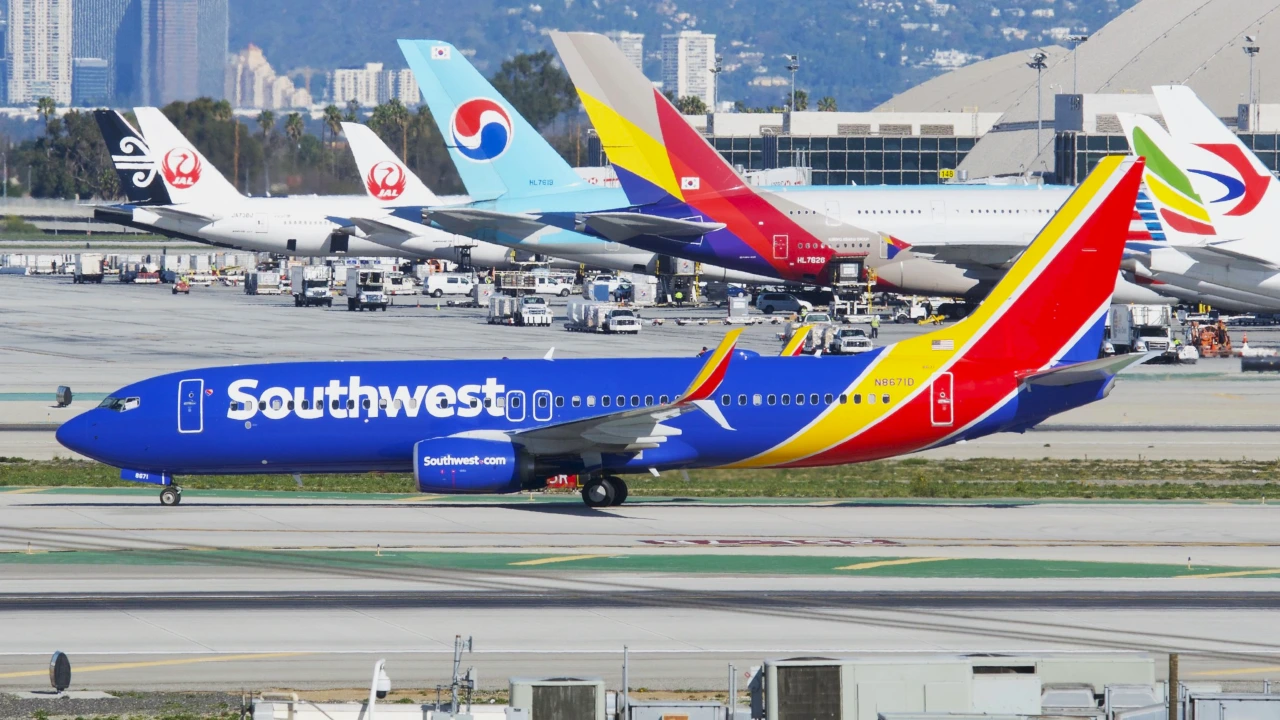
DALLAS- Southwest Airlines (WN) Flight 4541 was involved in a taxiway incident at New York’s LaGuardia Airport (LGA) on November 3, 2026, after its pilots failed to give way to an Embraer regional jet as instructed by air traffic control.
The Boeing 737-800 was preparing to depart for Dallas Love Field (DAL) when it crossed in front of the other aircraft. The incident triggered a tense radio exchange, with the air traffic controller accusing the crew of disregarding instructions and reporting a possible pilot deviation.
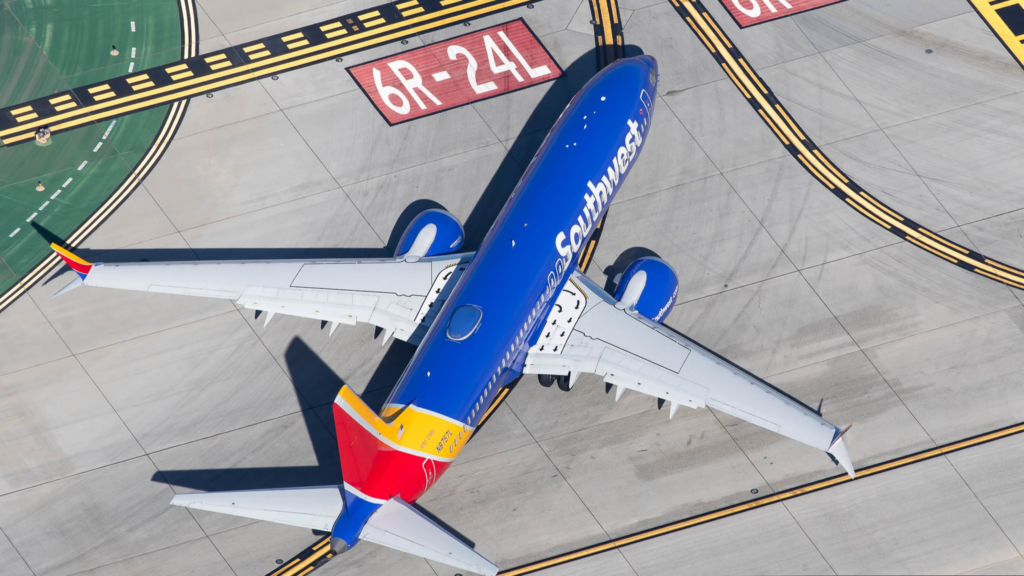
Southwest Pilots Cut Off Embraer Jet During LaGuardia Taxi
The incident occurred shortly after 7 PM local time on Tuesday, November 3, 2026, at LaGuardia Airport in New York. Southwest Flight 4541 was preparing for departure to Dallas aboard a Boeing 737-800 when the pilots received taxi instructions from air traffic control.
The controller instructed Southwest 4541 to taxi for Runway 13 via taxiways L, B and G, while holding short of Runway 22. The crew also received a specific instruction to give way to an Embraer E170 approaching from their left.
The pilots acknowledged the instructions and repeated the clearance to the controller. However, as the Boeing 737-800 began taxiing, it moved across the path of the Embraer aircraft instead of allowing it to pass first.
The mistake prompted an immediate response from the controller, who contacted the Southwest aircraft to establish whether the pilots had followed the give-way instruction.
The controller asked whether the crew had given way to the Embraer jet. The pilots initially appeared confused and apologized, explaining that they had been looking at a different aircraft.
The exchange continued as the controller instructed the aircraft to hold its position and identify the plane the pilots had been watching.
The Southwest crew clarified that they were looking at an aircraft displaying Delta Air Lines colors on their left. The controller then confirmed that this was the aircraft Southwest had been instructed to give way to.
When asked whether they had cut off that aircraft, the pilots acknowledged the mistake.
The crew subsequently asked the controller where they should go next.
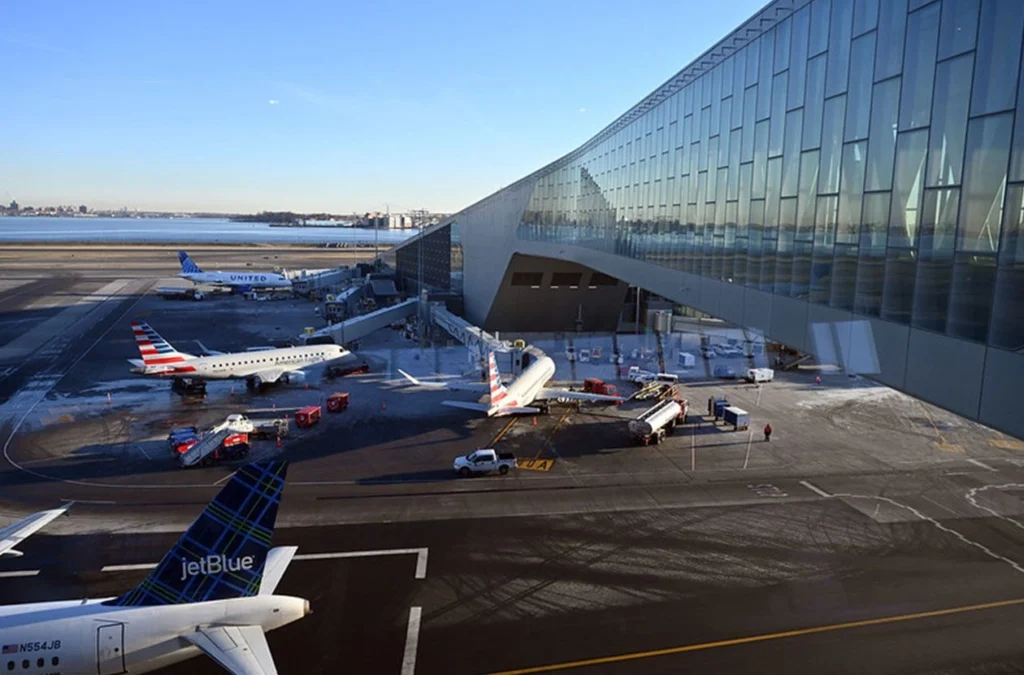
LaGuardia ATC Controller Criticizes Southwest Pilots on Radio
Following the exchange, the controller informed Southwest Flight 4541 that there had been a possible pilot deviation and instructed the pilots to prepare to copy a telephone number.
The crew copied the number, which would allow the matter to be addressed through further communication.
However, the controller continued commenting on the incident over the radio frequency. After the Southwest pilots received the number, the controller broadcast that Southwest appeared to have “just decided to do whatever they want.”
The remark added another layer of tension to an already uncomfortable exchange.
The incident involved two separate concerns: the Southwest pilots’ failure to follow the taxi instructions and the controller’s handling of the situation.
There was little doubt that the pilots had made a mistake. The controller had specifically instructed them to give way to an approaching aircraft, and the crew acknowledged that instruction before moving ahead of the Embraer jet.
However, the controller’s response also raised questions about appropriate communication between pilots and air traffic control.
Rather than limiting the exchange to the immediate safety instructions and addressing the suspected deviation separately, the controller continued questioning and criticizing the crew on the shared radio frequency.
The pilots had already acknowledged their mistake and received the telephone number for further follow-up. The additional public criticism was not necessary to communicate the safety concern.
Could Clearer Taxi Instructions Have Prevented the Mistake?
The sequence of the taxi clearance may also be relevant when examining how the incident developed.
The controller initially assigned Runway 13, instructed the aircraft to give way to an E170 on its left, and then provided the taxiway routing via L, B and G.
Although the pilots repeated the instructions correctly, they later said they had been looking at a different aircraft.
One possible explanation discussed in the published account was that the crew did not correctly identify the intended Embraer aircraft while processing the taxi instructions.
A more explicit instruction could have included the taxi route first, followed by a clearer description of the aircraft that Southwest needed to give way to.
For example, the controller could have identified the Embraer by its airline colors and position on the adjacent taxiway.
However, this possibility does not remove the pilots’ responsibility to follow the clearance and ensure they identify the correct aircraft before proceeding.
The incident highlights the importance of precise communication, situational awareness, and proper readbacks during congested airport operations.
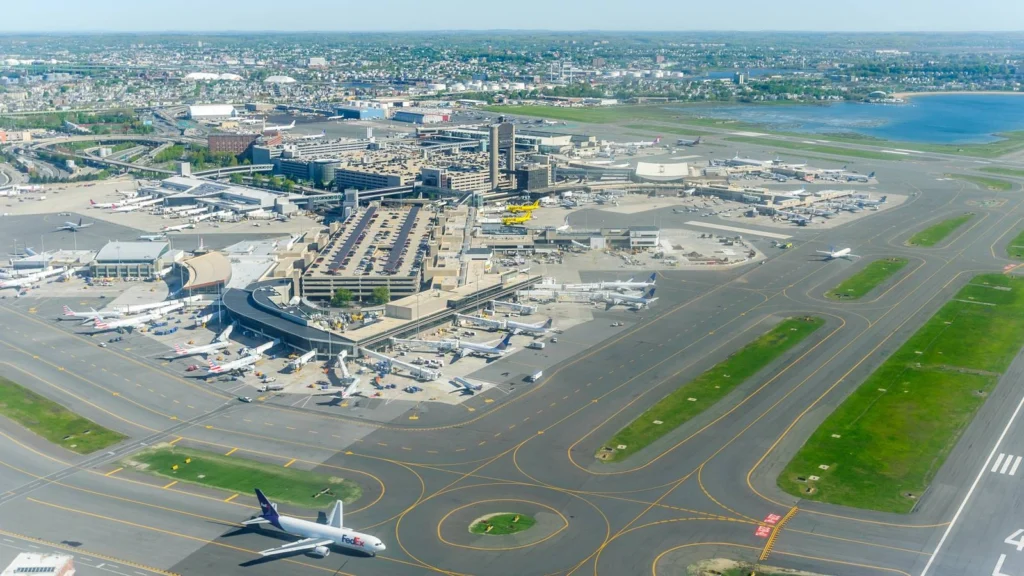
Boston Logan ATC Incident Offers a Different Example
The handling of the LaGuardia incident also contrasts with another runway-related event at Boston Logan International Airport (BOS) involving an Etihad Airways Boeing 787.
In that incident, an Etihad aircraft entered a runway without clearance, prompting another aircraft to execute a go-around.
Despite the seriousness of the situation, the Boston air traffic controller handled the immediate issue without publicly reprimanding the pilots. The aircraft received further instructions, and the suspected deviation could be addressed separately.
The comparison highlights an important aspect of air traffic control operations. Controllers must maintain safety, manage aircraft movements and communicate instructions clearly, even when flight crews make mistakes.
Addressing a potential pilot deviation does not require turning the radio frequency into a public argument. Controllers can secure the immediate situation, provide the necessary instructions and handle subsequent discussions through the appropriate channels.
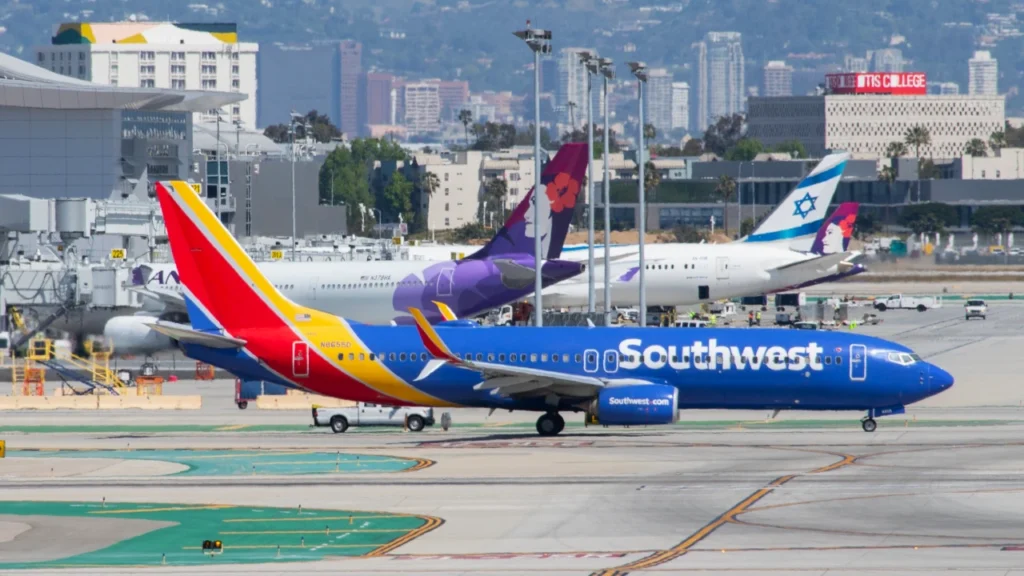
Southwest LaGuardia Incident Raises Questions About ATC Communication
The Southwest Airlines incident at LaGuardia demonstrates how a relatively brief taxiing mistake can develop into a prolonged radio exchange.
The pilots failed to give way to an aircraft despite receiving an explicit instruction. However, the controller’s decision to continue criticizing the crew over the frequency attracted attention for a different reason.
The controller was entitled to address the suspected pilot deviation, but the manner in which the exchange unfolded raised questions about professional communication.
The available account establishes that the controller reported a possible pilot deviation and provided a telephone number. It does not establish whether authorities subsequently issued a formal finding or imposed any action against the pilots.
Ultimately, the incident highlights the importance of following taxi clearances while maintaining professional communication between flight crews and air traffic controllers, particularly at busy airports such as LaGuardia.
Stay tuned with us. Further, follow us on social media for the latest updates.
Join us on Telegram Group for the Latest Aviation Updates. Subsequently, follow us on Google News
