


LONDON- A British Airways (BA) flight from Larnaca International Airport (LCA) was diverted to London Gatwick Airport (LGW) after it missed the permitted arrival window at London Heathrow Airport (LHR). Flight BA707, which operates from the popular Cyprus holiday destination to London, landed at Gatwick shortly after midnight on Tuesday after a journey lasting around four hours, according to flight-tracking data cited in the initial report.
The diversion highlights the restrictions governing late-night operations at Heathrow, one of the world’s busiest international airports. Its night quota system limits aircraft movements and noise exposure during designated overnight hours, meaning that flights arriving behind schedule may have to use an alternative airport instead of completing their planned journey to Heathrow.
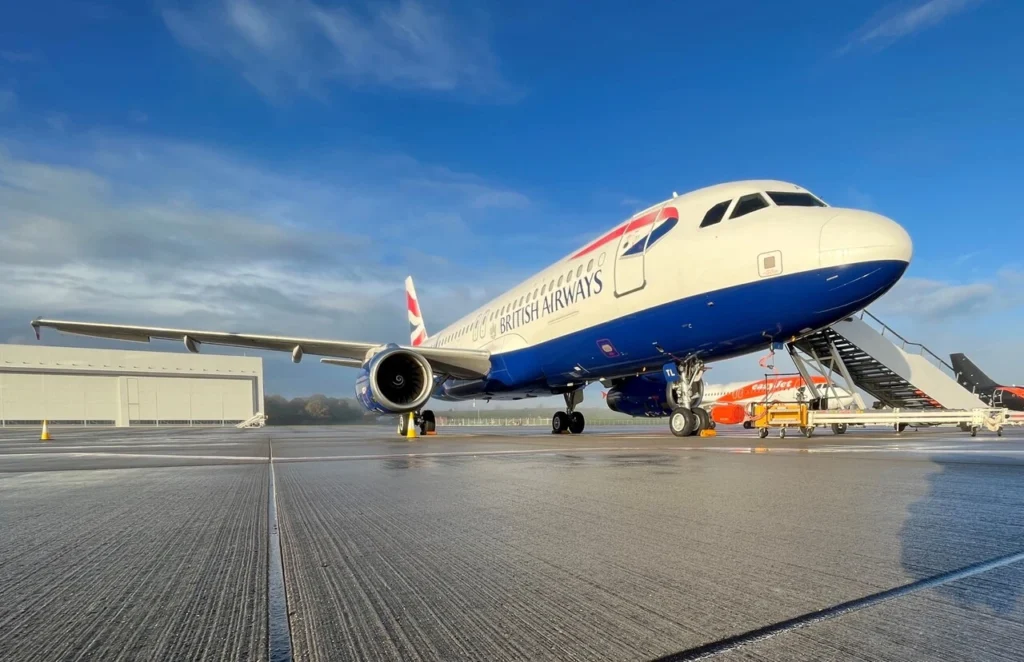
British Airways BA707 Diverts to Gatwick
Flight BA707 departed Larnaca at 9:32 p.m., more than three hours later than its scheduled departure time. The aircraft subsequently landed at Gatwick at 12:12 a.m. on Tuesday, according to AirNav Radar data cited in the report in Mirror.
The late departure reduced the flight’s opportunity to reach Heathrow before its nighttime restrictions took effect.
Rather than arriving at its intended destination, the service diverted to Gatwick, another major London airport capable of handling scheduled international passenger flights.
The available information attributes the diversion to Heathrow’s nighttime restrictions. However, it does not establish the precise operational decisions behind the change, including when the crew received confirmation that Heathrow could no longer accept the flight.
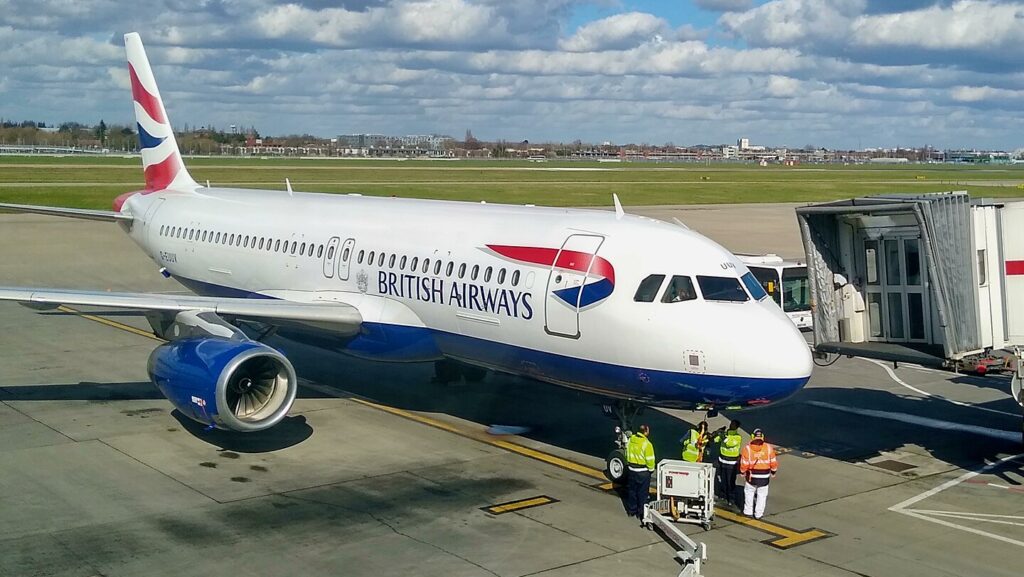
Heathrow Night Curfew Rules
Heathrow operates under restrictions on scheduled aircraft movements between 11 p.m. and 6 a.m.
The rules aim to limit aircraft noise affecting residents living beneath flight paths, while the airport’s night quota system controls both the number of permitted movements and the noise generated by aircraft during the restricted period.
The system uses movement limits and noise quotas rather than treating every aircraft identically. Aircraft noise classifications and the applicable operating rules affect how individual movements count toward the permitted limits.
These restrictions can create significant challenges for airlines when delays push arrivals beyond their planned landing times.
Even when a flight has already spent several hours travelling, its arrival may still depend on whether it can reach the airport within the permitted operating window.

Why Flights Divert
Airlines must account for Heathrow’s restrictions when managing schedules, particularly on routes where late departures, adverse weather or other operational disruptions can affect arrival times.
If a flight cannot land at Heathrow within the applicable restrictions, the airline may need to divert it to another airport, subject to operational conditions and the necessary permissions.
Gatwick provides an alternative for some London-bound services, although a diversion can complicate onward travel for passengers whose journeys were planned around Heathrow.
Travellers may also need updated ground-transport arrangements or further instructions from the airline, depending on the circumstances.
The BA707 incident illustrates how a delay at the departure airport can affect the final destination even when the flight itself is otherwise able to continue.
Heathrow’s overnight rules remain an important factor in airline scheduling, requiring carriers to balance operational disruptions with the airport’s limits on nighttime aircraft movements.
Stay tuned with us. Further, follow us on social media for the latest updates.
Join us on Telegram Group for the Latest Aviation Updates. Subsequently, follow us on Google News
