

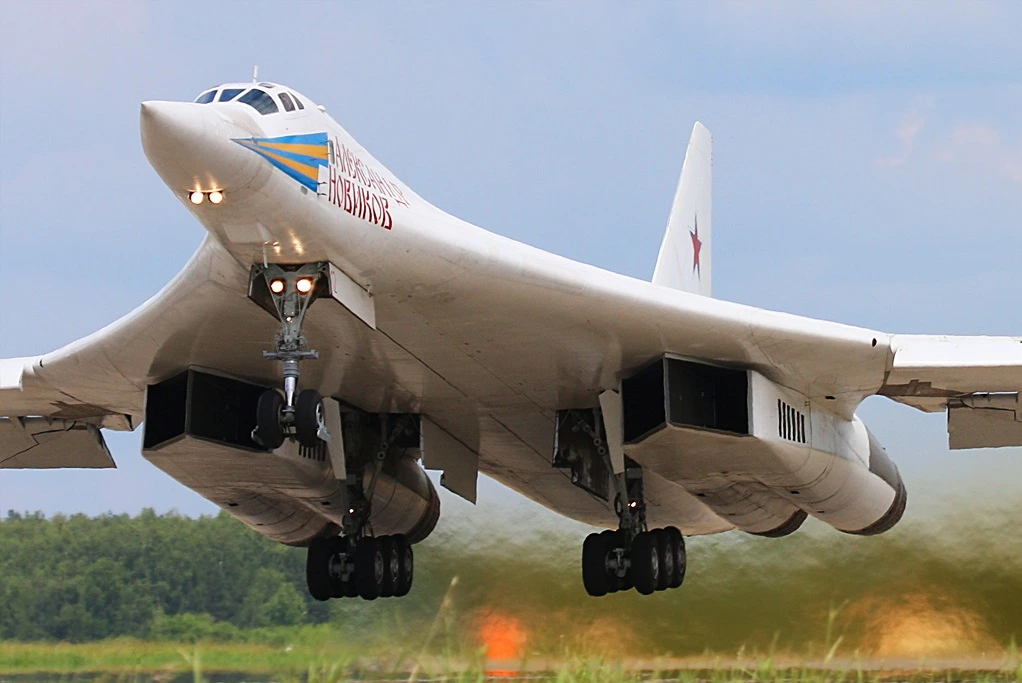
MOSCOW- Russia is rebuilding the industrial infrastructure required to manufacture its Tu-160M supersonic strategic bombers, with Tupolev chief executive Yuri Abrosimov outlining upgrades to factories, supplier networks and specialist production technologies. The programme, led by United Aircraft Corporation (UAC), aims to restore manufacturing capabilities for the aircraft at the Kazan Aviation Plant in Kazan.
Abrosimov said the effort required the company to re-establish industrial cooperation with suppliers of raw materials and semi-finished products, as well as reconstruct manufacturing processes for several aircraft components. He also confirmed that around 80% of the bomber’s systems and equipment had been modernized, although the aircraft retains the distinctive external design of the original Tu-160.
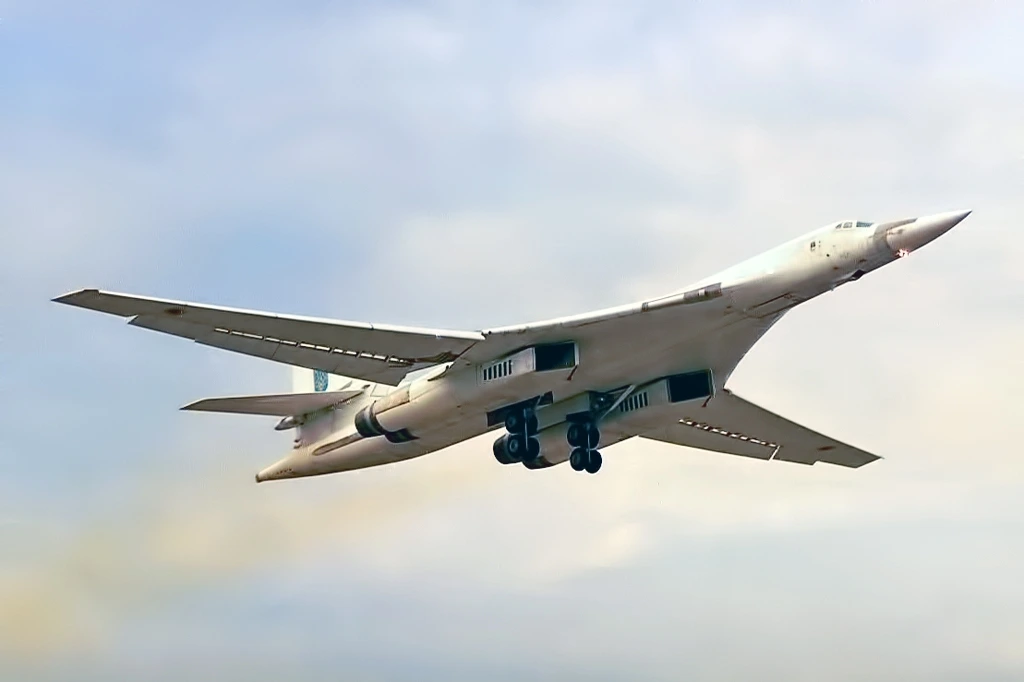
Russia Tu-160M Factory Upgrades
The production restart has required more than repairing existing machinery. Tupolev upgraded workshop equipment and flight-test facilities, while introducing electron-beam welding and vacuum annealing systems for titanium components, which are important to manufacturing the bomber’s airframe assemblies.
The industrial overhaul began in 2016 after Russia decided to resume production of the strategic aircraft.
By June 2024, UAC had completed upgrades at three key workshops covering pre-production, mechanical assembly and flight testing, while approximately 10 facilities had undergone modernization work since the programme began.
The effort also involved digitizing the aircraft’s design documentation and creating a shared digital environment for companies contributing to the programme. This system is intended to help engineering teams coordinate changes and maintain consistency across the production network.
Restoring the supplier network remains a central challenge. Abrosimov said the company had to rebuild technological processes for several assemblies from the ground up, reflecting the complexity of reproducing an aircraft whose original manufacturing capabilities had deteriorated over time.
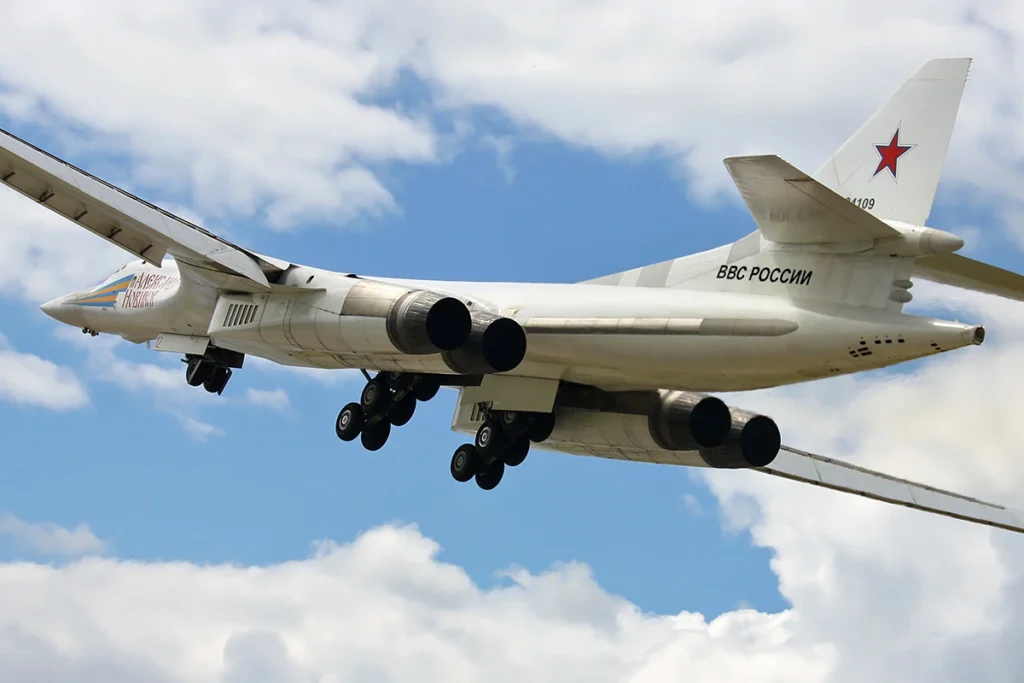
Tupolev Tu-160’s 80% Systems Have Been Modernized
Although the Tu-160M retains the original bomber’s appearance, its internal systems have undergone extensive changes.
Abrosimov said the modernization covered approximately 80% of the aircraft’s systems and equipment, including its avionics, flight and weapons control systems, navigation equipment and engines.
The updated onboard architecture is designed to simplify future upgrades. According to Abrosimov, engineers can replace individual systems as they become obsolete without redesigning the entire onboard equipment suite, potentially allowing the aircraft to accommodate changing operational requirements.
The Tu-160, known by NATO as Blackjack, is a supersonic strategic bomber with variable-sweep wings.
The Tu-160M programme combines modernization of existing aircraft with the construction of new airframes, making the restoration of manufacturing capabilities important to Russia’s long-term plans for its strategic aviation fleet.
The first newly manufactured Tu-160M made its maiden flight from Kazan on January 12, 2022. The flight marked a major milestone in Russia’s effort to restore production after the manufacturing line had remained inactive for decades
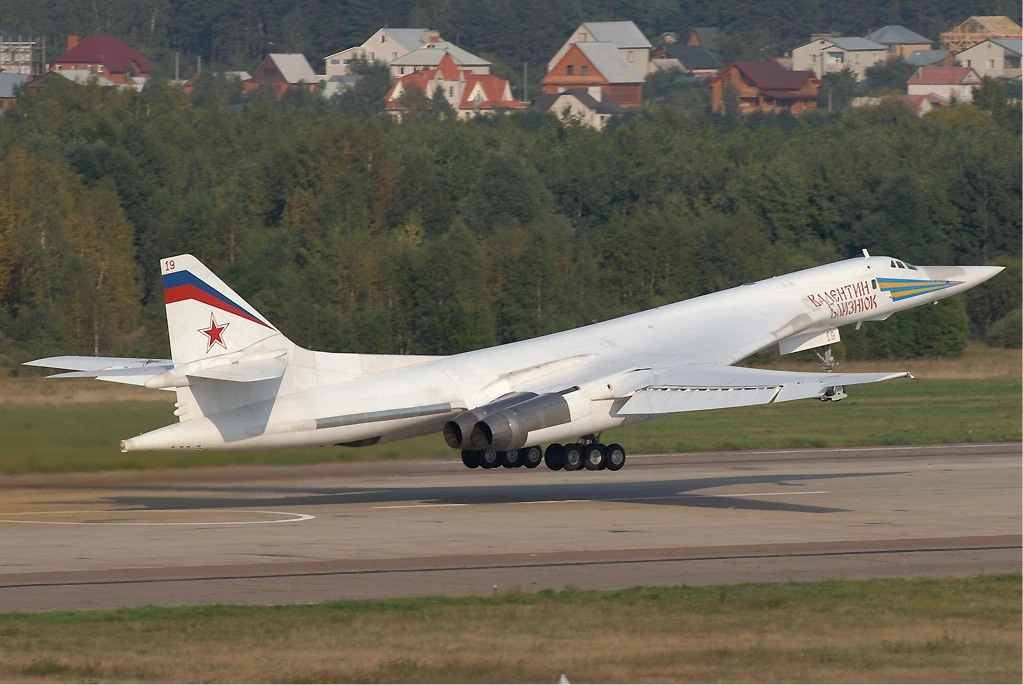
Tu-160’s Production Delays Persist
Russia’s original procurement plans called for 10 newly built Tu-160M bombers under a contract covering 2018–2027. However, production and delivery schedules have slipped, raising questions about whether the programme can meet its planned targets.
Russian officials expected four aircraft to be delivered in 2025, but a February 2026 assessment by the Carnegie Endowment for International Peace reported that only two newly built aircraft had been delivered that year, MilitarNYI reported.
The assessment also highlighted continuing production constraints, including labour shortages and difficulties obtaining components.
The latest factory upgrades demonstrate progress in restoring the industrial base, but they do not establish that production has reached its intended rate.
Russia’s ability to expand Tu-160M output will depend on whether Tupolev and its suppliers can sustain manufacturing, resolve remaining bottlenecks, and deliver aircraft on schedule.
Stay tuned with us. Further, follow us on social media for the latest updates.
Join us on Telegram Group for the Latest Aviation Updates. Subsequently, follow us on Google News
