

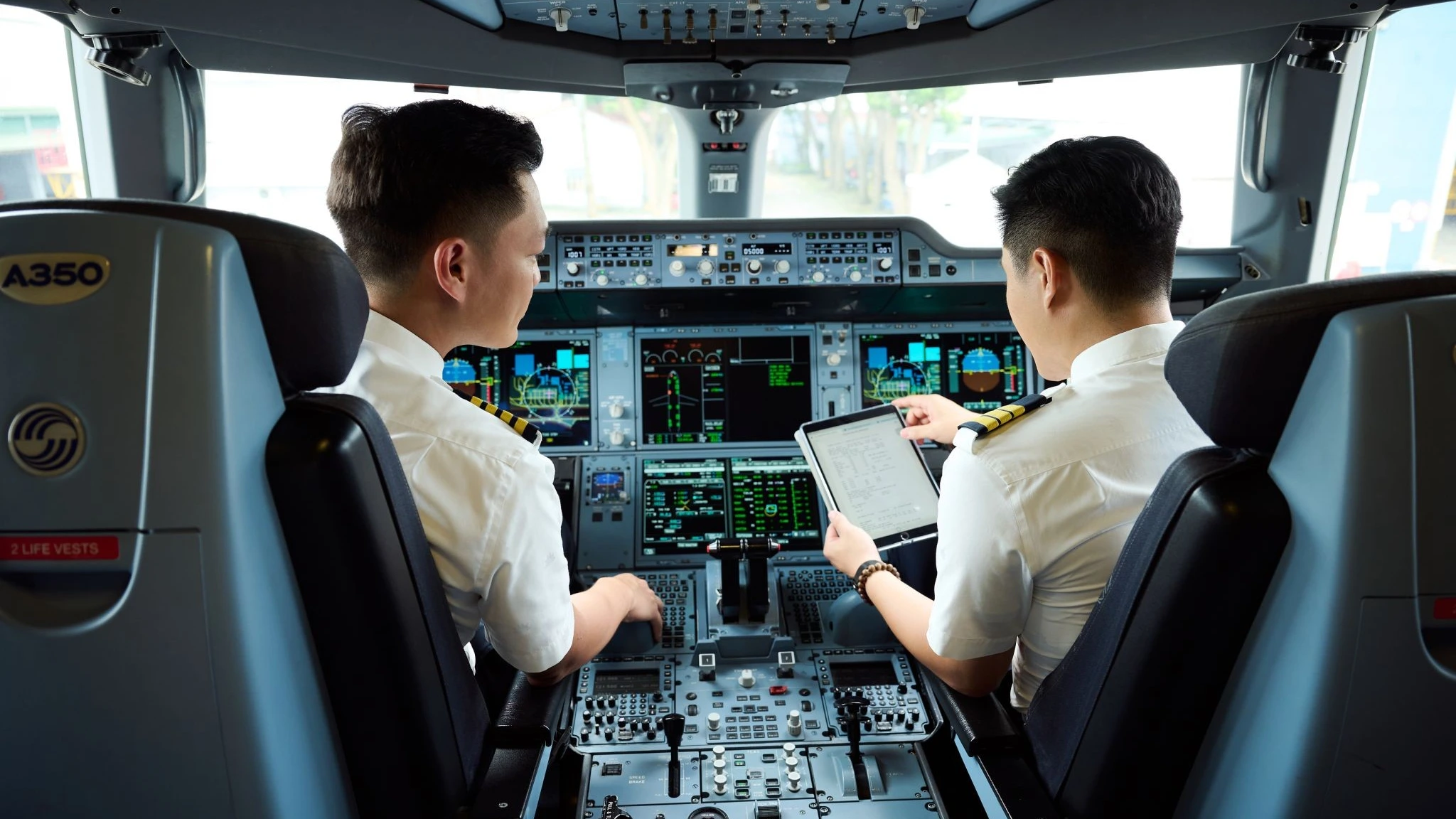
Pilots also have rules governing the use of personal electronic devices during flight, even though passengers may sometimes see tablets being used in the cockpit.
The key difference is that an approved cockpit tablet is normally an Electronic Flight Bag (EFB), a device specifically used to support flight operations rather than personal communication.
Airlines establish procedures for electronic device use, while aviation authorities provide rules and guidance for portable electronic devices.
The Federal Aviation Administration (FAA) says portable electronic devices must generally be used in airplane mode or with cellular connectivity disabled, although Wi-Fi can be used when the aircraft provides an approved connection and the airline permits it.

Pilot Phone Rules During Flight
A pilot’s personal smartphone does not receive special treatment simply because it belongs to a member of the flight crew.
Personal devices may be used when airline procedures permit them, but they are subject to restrictions during flight operations, particularly when communication, navigation, and other cockpit duties require the crew’s full attention.
The reason for limiting portable electronic device use is not that every phone will disrupt an aircraft, Travel and Leisure reported.
Modern aircraft are designed and evaluated for tolerance to potential electromagnetic interference from portable electronic devices, but operators still establish procedures governing which devices can be used, when they can be used, and what settings are permitted.
During critical phases of flight, pilots must prioritize aircraft operation and communication with air traffic control.
A personal phone therefore has no operational role in the cockpit simply because it belongs to a pilot.
Why Pilots Use Tablets During Flight
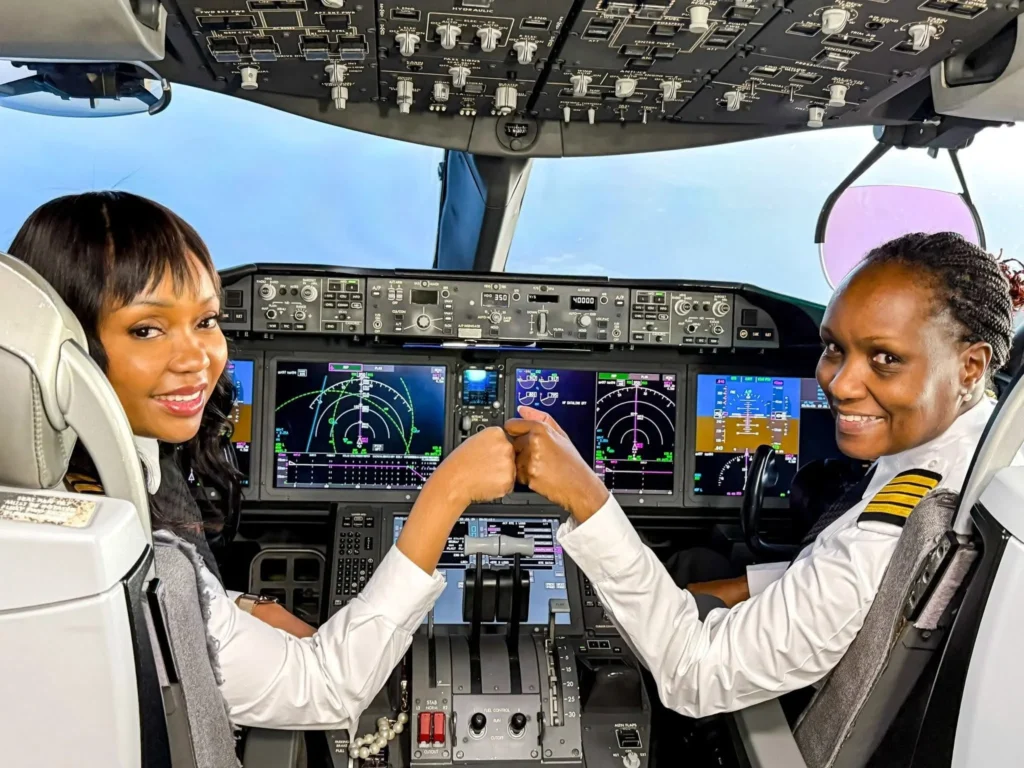
The tablet passengers see in a cockpit is often an Electronic Flight Bag.
The FAA provides specific guidance for EFBs, allowing approved operators to use portable or installed devices to replace or supplement paper aeronautical information and support approved software applications.
An EFB can provide pilots with digital charts, aircraft information, checklists, manuals, weather data, and other operational material.
The technology can reduce the amount of paper carried in the cockpit while giving flight crews quick access to information needed during different stages of a flight.
The International Air Transport Association also provides electronic flight crew material through EFB formats, including information covering dangerous goods, live animals and perishable cargo.
This shows why a cockpit tablet should not automatically be compared with a passenger’s personal smartphone.
Why Airplane Mode Matters During Flights
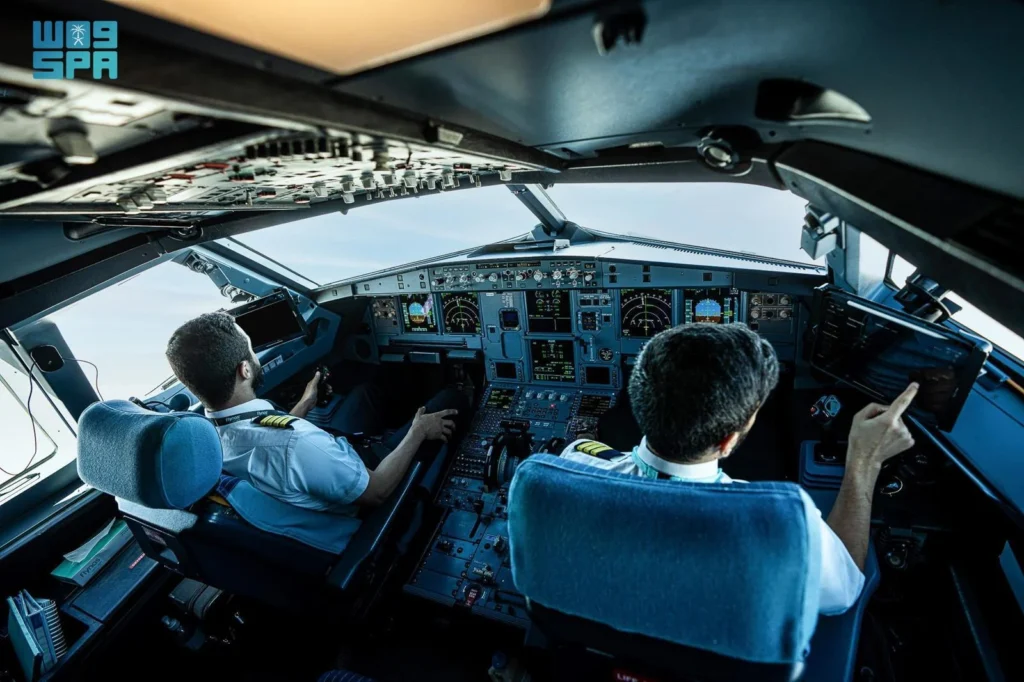
Airplane mode remains an important part of portable electronic device procedures because cellular transmissions and other electronic signals can create potential interference concerns.
FAA guidance allows airlines to determine which portable devices and operating conditions are acceptable, while requiring procedures for managing suspected electromagnetic interference.
For passengers, forgetting airplane mode does not mean an aircraft will suddenly lose control or fall from the sky.
However, device signals can create unwanted radio-frequency effects, and following the crew’s instructions removes an avoidable source of interference during flight operations.
The important distinction is therefore not simply whether a device has a screen. A personal smartphone and an airline-approved EFB may look similar, but they serve different purposes and operate under different procedures.
Stay tuned with us. Further, follow us on social media for the latest updates.
Join us on Telegram Group for the Latest Aviation Updates. Subsequently, follow us on Google News
