

Airports are no longer judged simply by passenger numbers. In the modern aviation industry, connectivity is just as important, particularly for travellers making international connections between continents.
OAG’s annual Megahubs Index measures the world’s leading international airport hubs by looking at the number of possible connections between arriving and departing international flights, alongside the number of destinations served. For the 2026 edition, OAG analysed 201 airports and based the ranking on the busiest day for global aviation, 2 August 2026.
Top 10 International Airport Megahubs in the World in 2026
The latest ranking sees Istanbul Airport take the number one position for the first time, overtaking London Heathrow. Amsterdam Schiphol remains third, while Kuala Lumpur retains fourth place. Chicago O’Hare makes the biggest move within the top five, climbing from seventh to fifth.
The ranking also highlights the importance of major airlines in creating international megahubs. Turkish Airlines operates 80% of capacity at Istanbul, British Airways accounts for 51% at Heathrow, KLM operates 56% at Amsterdam and AirAsia has a 34% share at Kuala Lumpur.

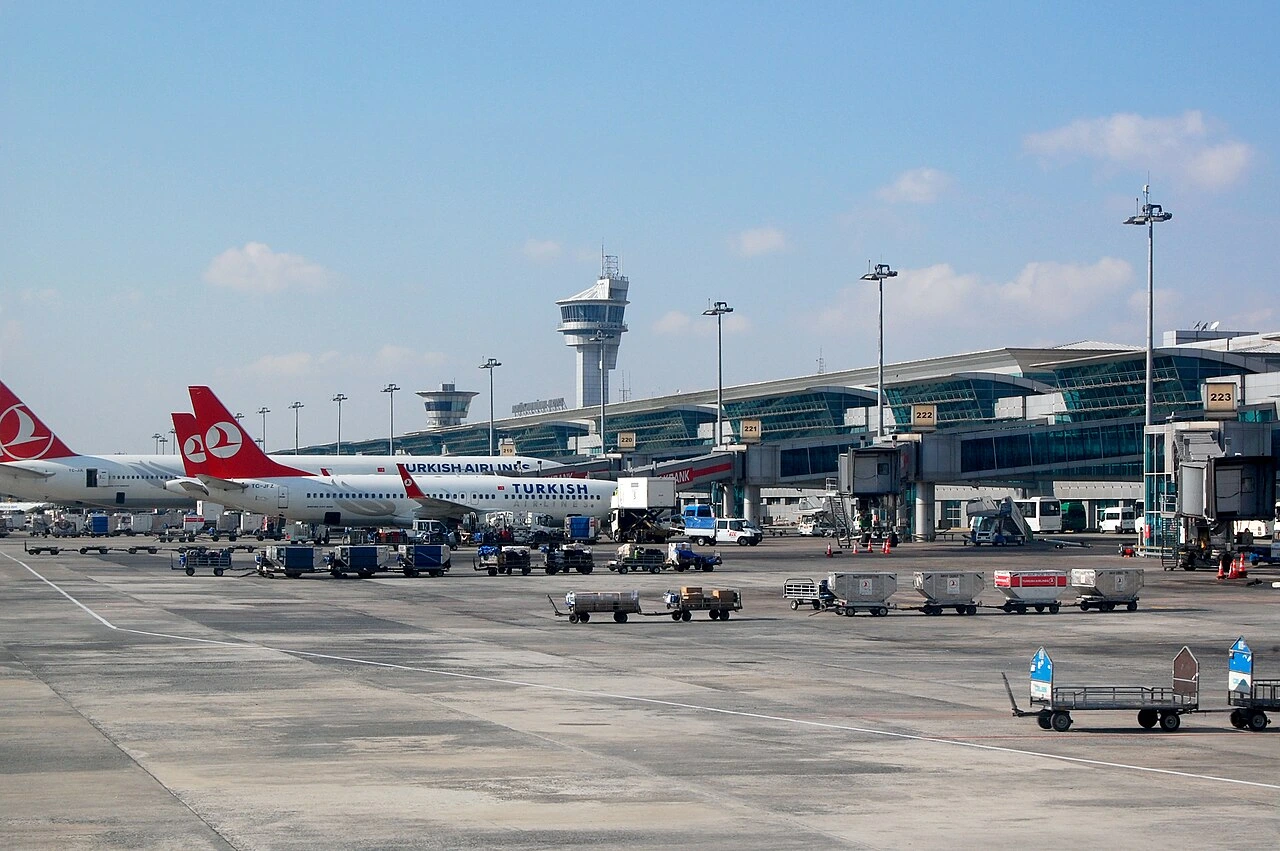
1. Istanbul Airport, Turkiye
Istanbul Airport has taken the top spot in OAG’s 2026 Megahubs Index, becoming the world’s most internationally connected airport.
The airport recorded a connectivity index of 265.4, with 89,456 potential connections and services to 337 destinations. It handled 51.2 million seats between September 2025 and August 2026. Turkish Airlines is the dominant carrier, accounting for 80% of the airport’s capacity.
The result represents a rise from second place in 2025. Istanbul’s geographical position between Europe and Asia has long made it an important connecting point, but the scale of Turkish Airlines’ network has helped turn the airport into an exceptionally broad global hub.
OAG notes that Istanbul is only the eighth-busiest airport globally by capacity over the period measured, yet it leads the connectivity index. This illustrates an important point about the Megahubs ranking: airport size and connectivity are not necessarily the same thing.
2. London Heathrow Airport, United Kingdom
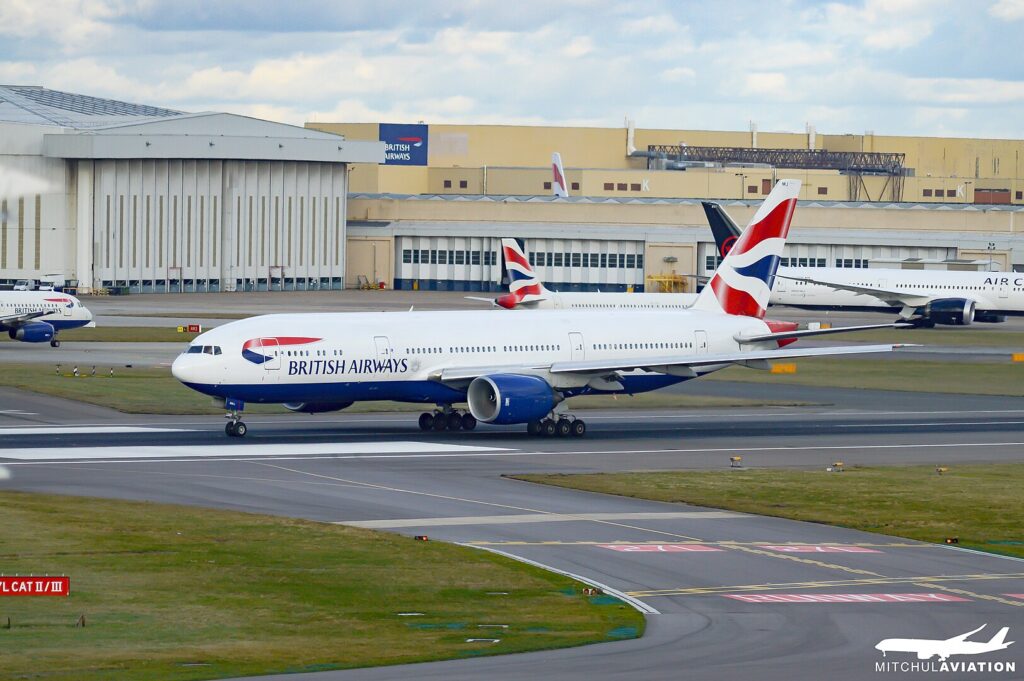
London Heathrow ranks second in the 2026 OAG Megahubs Index.
Heathrow recorded a connectivity index of 246.2, with 55,888 potential connections and 227 destinations. The airport had 51.6 million seats between September 2025 and August 2026, while British Airways remained its dominant carrier with a 51% share of capacity.
The airport has moved down one position from 2025. OAG reported that potential connections fell by 6% on the busiest day compared with the previous year.
The changes were partly influenced by reduced connectivity to the Middle East. OAG reported that Heathrow’s capacity to the region was down 25% in August 2026 compared with the previous year, amid wider disruption affecting Middle Eastern schedules.
Despite the change in position, Heathrow remains one of the world’s most important international gateways, with an extensive network connecting London to destinations across Europe, North America, Asia, Africa and other parts of the world.
3. Amsterdam Schiphol Airport, Netherlands
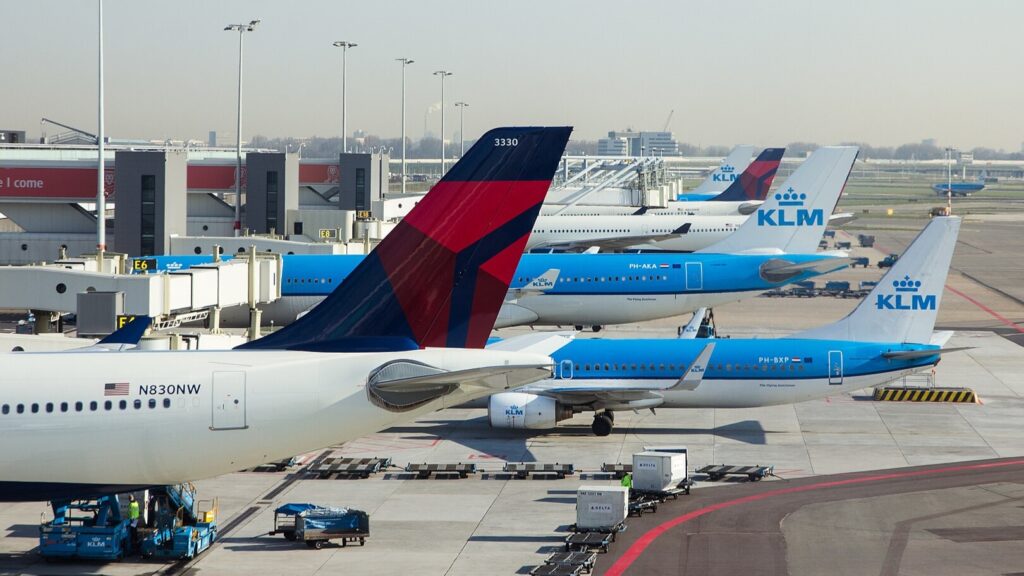
Amsterdam Schiphol retains third place globally.
The airport achieved a connectivity index of 242.7, supported by 68,189 potential connections and 281 destinations. It recorded 41.5 million seats during the 12-month period measured by OAG.
KLM-Royal Dutch Airlines is the dominant carrier at Schiphol, operating 56% of the airport’s capacity.
Unlike Heathrow, Schiphol did not change position compared with the previous year’s ranking. OAG reports that both capacity and the number of destinations served increased during the year.
Its extensive European network makes Amsterdam particularly effective as a transfer point. Passengers can connect through Schiphol between European destinations and long-haul markets across North America, Asia, Africa and beyond.
Schiphol’s third-place position also means that three European airports occupy the first three places in the global ranking, although Istanbul is geographically positioned between Europe and Asia.

4. Kuala Lumpur International Airport, Malaysia
Kuala Lumpur International Airport holds fourth place and remains the most connected Asian Megahub in the 2026 ranking.
KUL achieved a connectivity index of 232.1, with 35,749 potential connections and 154 destinations. It recorded 40 million seats between September 2025 and August 2026.
AirAsia is the dominant carrier, with a 34% share of capacity.
Kuala Lumpur retained its fourth-place global position from the previous year. Although potential connections fell slightly, the airport increased its number of destinations from 151 to 154 and recorded a 6.9% increase in overall capacity.
Its position is particularly notable because of the mix of full-service and low-cost connectivity available at the airport. Kuala Lumpur also tops OAG’s separate international Low-Cost Megahubs ranking for 2026, demonstrating the important role AirAsia and the wider low-cost network play in its connectivity.

5. Chicago O’Hare International Airport, USA
Chicago O’Hare is the biggest mover among the top five international megahubs.
The airport climbed from seventh place in 2025 to fifth in 2026, recording a connectivity index of 232.1. O’Hare generated 71,497 potential connections and served 308 destinations, while its capacity reached 54.2 million seats during the period measured.
United Airlines is the dominant carrier, operating 49% of capacity.
O’Hare’s international connectivity grew strongly during the year. OAG reported that capacity increased by more than 10.6%, while potential connections increased by 9.8%.
The airport now serves the third-highest number of destinations of any airport globally, increasing from 297 to 308 over the previous year. O’Hare is also the most connected Megahub in the Americas.
Interestingly, Chicago O’Hare and Atlanta are the only two North American airports appearing in the global top ten.
6. Seoul Incheon International Airport, South Korea
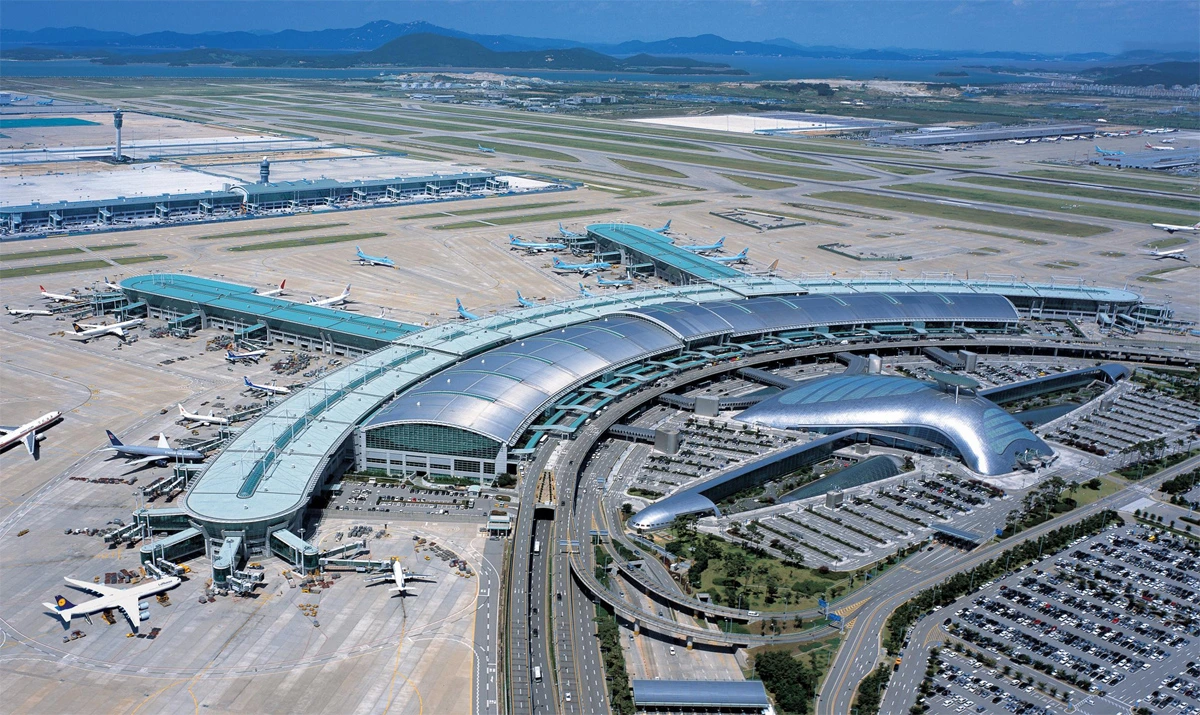
Seoul Incheon ranks sixth globally.
The airport recorded a connectivity index of 221.7, with 43,887 potential connections and 198 destinations. It handled 44.3 million seats during the period covered by the OAG analysis.
Korean Air is the dominant carrier, although its share of capacity is considerably lower than the dominant airlines at several other top megahubs. Korean Air accounted for 22% of capacity at Incheon.
Incheon retained sixth place compared with the 2025 ranking.
Its position also reflects the increasingly diverse airline mix found at major Asian airports. OAG notes that the average dominant-carrier share among the top ten Asian megahubs is only 33%, compared with around 52% at major European hubs.
Incheon therefore combines a large international network with connectivity spread across multiple airlines.
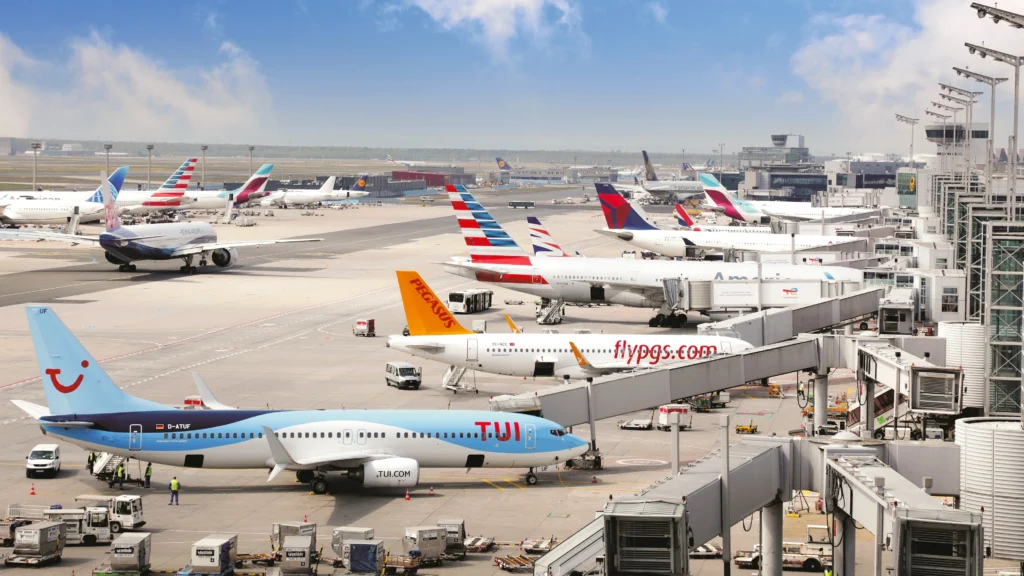
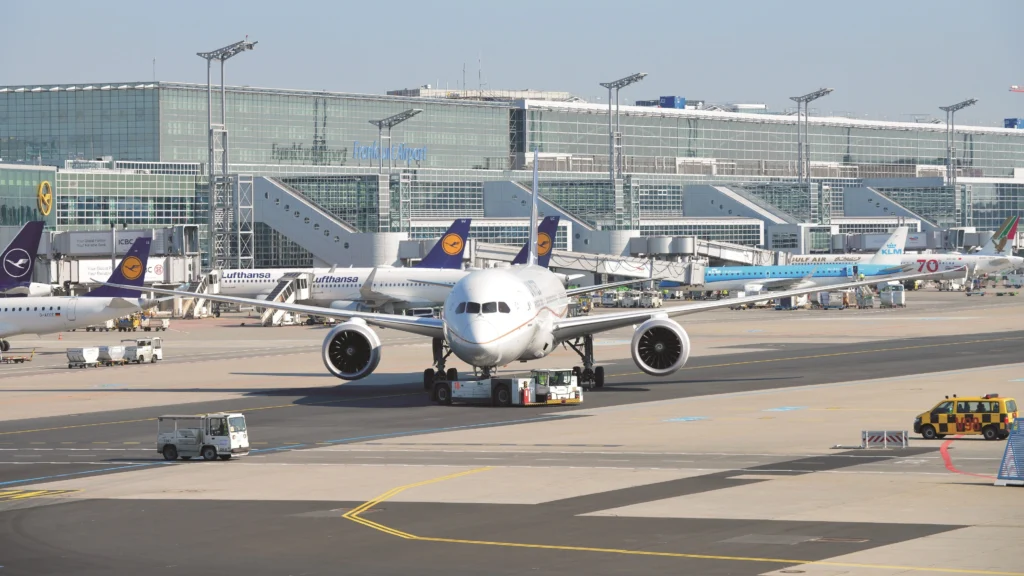
7. Frankfurt Airport, Germany
Frankfurt ranks seventh in 2026.
The German hub recorded a connectivity index of 218.4, with 67,703 potential connections and 310 destinations. Its capacity reached 40.7 million seats during the 12-month period.
Deutsche Lufthansa AG remains the dominant carrier, accounting for 53% of airport capacity.
Frankfurt has slipped three places compared with its 2025 position. Despite the movement, it remains one of Europe’s largest and most important connecting airports.
Its network covers a particularly broad selection of European and long-haul destinations, with Lufthansa providing a major connecting network through its Frankfurt hub.
The airport also serves more destinations than any other airport in the global top ten, with 310 destinations listed by OAG for the period measured.

8. Tokyo Haneda Airport, Japan
Tokyo Haneda ranks eighth among the world’s international megahubs.
Haneda recorded a connectivity index of 217.4, with 23,040 potential connections and 106 destinations. The airport handled 55.1 million seats between September 2025 and August 2026.
All Nippon Airways is the dominant carrier, with a 36% share of capacity.
Haneda climbed one position from the previous year.
Its connectivity profile is somewhat different from some of the European megahubs. Haneda has fewer international destinations than Istanbul, Frankfurt or Paris, but it operates a very large volume of flights and serves the enormous Tokyo metropolitan market.
Its inclusion in the global top ten demonstrates that an airport does not necessarily need the largest international destination count to achieve a high connectivity score.

9. Paris Charles de Gaulle Airport, France
Paris Charles de Gaulle takes ninth place.
The French capital’s main international airport recorded a connectivity index of 210.1, with 61,980 potential connections and 295 destinations. It handled 43.5 million seats over the period covered by the index.
Air France remains the dominant carrier, operating 57% of capacity.
CDG climbed one position compared with 2025.
The airport’s network provides connections across Europe as well as extensive long-haul services to North America, Asia, Africa, the Middle East and other international markets.
Its position is particularly significant for Air France, which uses Paris as its principal international hub. The airline’s extensive schedule allows passengers to connect between a wide range of destinations through CDG.
Paris is also one of five Western European airports occupying positions inside the global top ten.

10. Atlanta Hartsfield-Jackson International Airport, USA
Atlanta Hartsfield-Jackson completes the global top ten.
ATL recorded a connectivity index of 190.7, with 49,782 potential connections and 261 destinations. The airport had 63 million seats between September 2025 and August 2026, the highest seat capacity among all ten airports on the list.
Delta Air Lines is overwhelmingly the dominant carrier, accounting for 80% of airport capacity.
Atlanta has slipped two positions compared with 2025.
Its position also illustrates one of the most interesting distinctions in the OAG report. Atlanta is the world’s busiest airport by capacity, but Istanbul is the world’s most connected according to OAG’s index.
Atlanta’s enormous Delta network gives passengers a huge number of connection possibilities across the United States and internationally.
The airport also ranks second in OAG’s separate US domestic Megahubs ranking, behind Chicago O’Hare.
What Is an International Megahub?
OAG’s Megahubs Index is designed to measure how effectively an airport connects international flights.
The methodology considers all possible connections between inbound and outbound flights within a six-hour window, with at least one of the flights being international. OAG then measures those connections against the destinations served by each airport.
The 2026 index is based on the busiest day for global aviation during the year covered by the study: Sunday, 2 August 2026.
This means the ranking is not simply a list of the world’s busiest airports. Instead, it focuses on the depth and breadth of international connections available to passengers.
That explains why Istanbul ranks first despite having fewer seats than airports such as Atlanta and Haneda.

Airlines Remain Central to Megahub Success
The 2026 ranking also demonstrates how important a dominant airline can be to an airport’s connectivity.
Turkish Airlines operates 80% of capacity at Istanbul, while Delta accounts for the same share at Atlanta. British Airways has a 51% share at Heathrow, KLM has 56% at Amsterdam and Air France has 57% at Paris CDG.
Kuala Lumpur and Seoul offer a different model. AirAsia holds 34% at KUL, while Korean Air has 22% at Incheon.
OAG says the dominant carrier share at the top ten Asian airports averages only 33%, compared with around 52% at major European hubs.
This highlights the different structures of the world’s major aviation markets.
Asia Pacific Continues to Strengthen
Asia Pacific accounts for three airports in the global top ten: Kuala Lumpur, Seoul Incheon and Tokyo Haneda.
Beyond the top ten, OAG also recorded significant improvements among Chinese airports. Shanghai Pudong rose from 19th to 14th, while Guangzhou Baiyun climbed from 36th to 19th. Hong Kong returned to the global top 20 at number 20.
Overall, 17 of the world’s top 50 international megahubs are located in Asia Pacific, including eight within the global top 20.
Bottom Line
Istanbul’s rise to number one is the headline of this year’s ranking. Its combination of a huge Turkish Airlines network, 337 destinations and a high number of potential connections has given it the highest connectivity index in the world.
Chicago O’Hare also had a notable year, moving into the top five, while Kuala Lumpur retained its position as Asia’s leading international megahub.
The ranking demonstrates that being the world’s busiest airport does not automatically make an airport the world’s most connected. OAG’s methodology instead focuses on how many meaningful international connection opportunities an airport can provide relative to the destinations it serves.
As airlines continue expanding networks and airports compete to become major transfer points, connectivity will remain one of the most important measures of an airport’s role in the global aviation system.
Most Connected International Airport FAQs
Istanbul Airport is the world’s most connected international airport in OAG’s 2026 Megahubs Index, with a connectivity index of 265.4 and connections to 337 destinations.
Turkish Airlines is the dominant carrier at Istanbul Airport, accounting for 80% of the airport’s capacity in OAG’s 2026 analysis.
Chicago O’Hare is the most connected international Megahub in the Americas in 2026, ranking fifth globally with a connectivity index of 232.1.
Stay tuned with us. Further, follow us on social media for the latest updates.
Join us on Telegram Group for the Latest Aviation Updates. Subsequently, follow us on Google News
