

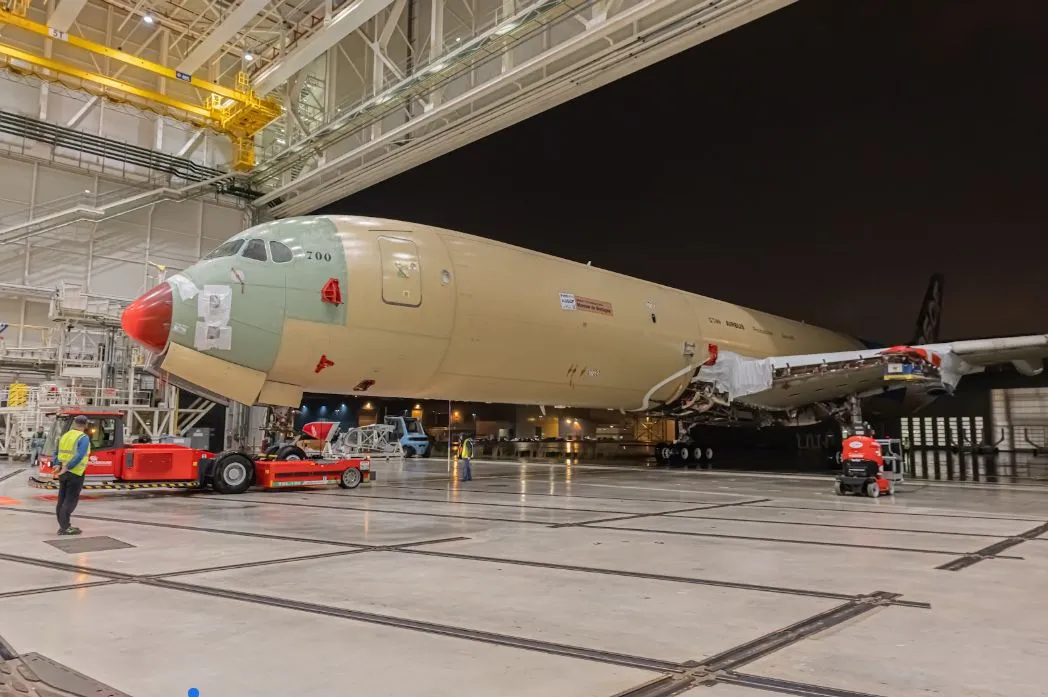
TOULOUSE— Airbus has moved the Airbus A350F freighter closer to its first flight after completing the Virtual First Flight (VFF) programme and a series of critical ground tests.
The aircraft is being prepared at Airbus facilities in Toulouse, with the A350F set to begin a flight-test campaign that will cover about 400 flight hours.
The milestone comes as Airbus works toward introducing its first clean-sheet large freighter in the A350 family.
The programme has already completed ground vibration testing, cargo loading trials, door-closing checks and pressure tests, while the first flight-test aircraft, MSN700, has been handed over to the flight-test team.
Airbus has also prepared the second aircraft, MSN701, for the certification campaign.
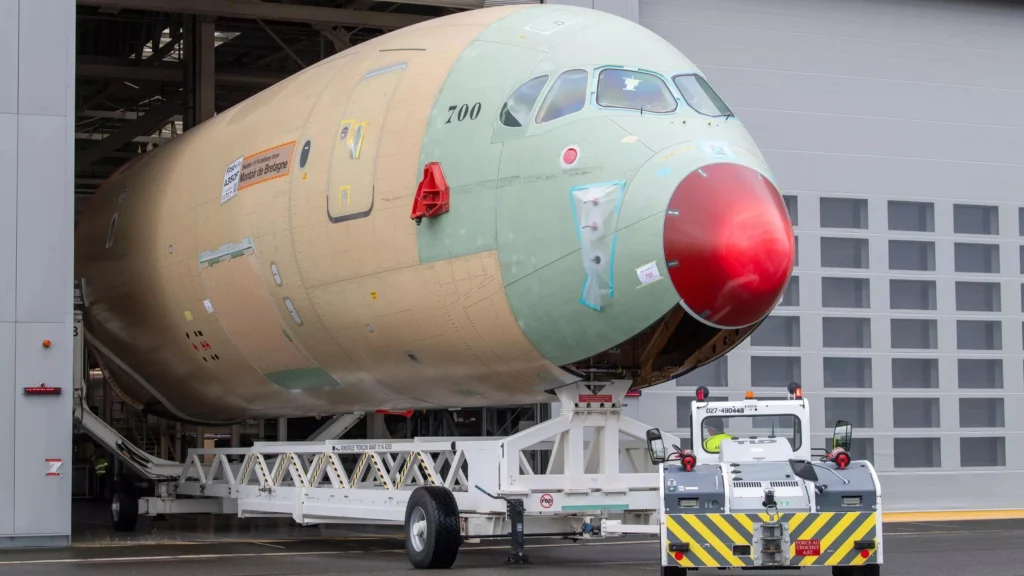
Details of the A350F Flight Testing
The A350F shares its basic platform with the A350-1000 but has a different fuselage configuration, combining an A350-900 forward section with an A350-1000 rear section and wings.
This creates a distinct aerodynamic model, while its landing gear geometry also changes the aircraft’s ground-handling characteristics.
Because of those differences, Airbus will conduct a dedicated flight-test programme rather than treating the freighter as a straightforward A350-1000 derivative.
The first flight will use Direct Law, a basic flight-control mode, while the team continues to verify the aircraft’s aerodynamic characteristics.
The VFF programme has brought the full crews for MSN700 and MSN701 into the development simulator.
Thirteen sessions, each lasting about five hours, are being conducted using a simulator connected to real aircraft avionics and flight-control systems.
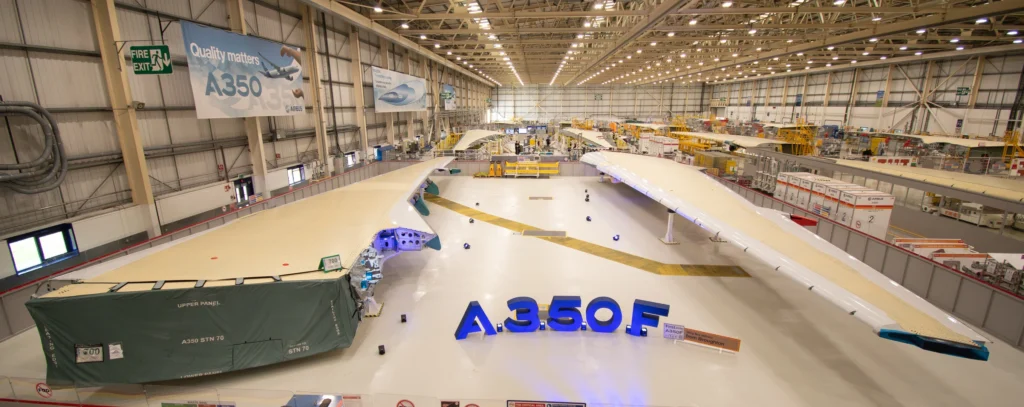
Two Aircraft Campaign for the A350F
The certification campaign is planned to run for roughly nine months and will use both test aircraft for different roles.
MSN700 will concentrate on aerodynamic performance, handling qualities, flight-control laws and autopilot functions, while MSN701 will handle systems testing, including air conditioning and fire and smoke detection.
EASA is already involved in reviewing the flight-test plan and is expected to place pilots and engineers onboard as witnesses during performance flights. Formal certification activity is planned for 2027.
Airbus has also redesigned the flight-test instrumentation installation to preserve usable cargo space.
The recording equipment has been consolidated onto a specialised pallet in the lower-deck forward cargo area, while flight-test engineers will use large displays and a modern graphical interface.
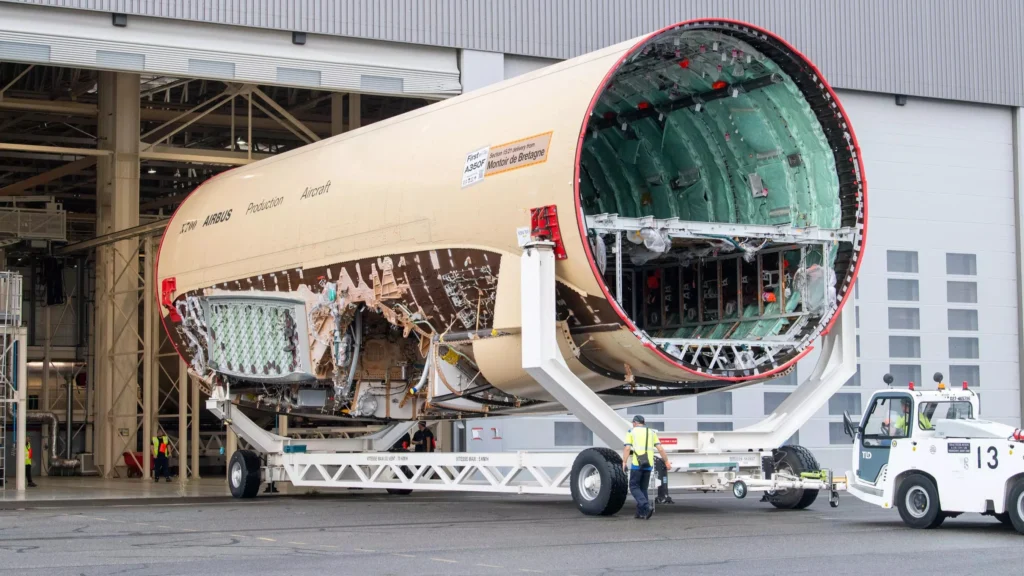
A350F Cargo Capability
Cargo operations will form a major part of the testing from the beginning.
Airbus plans to load and unload representative containers and payloads regularly after flights, with some operators expected to test their own unit load devices and pallets.
The A350F is designed to carry up to 111 tonnes of payload and fly as far as 4,700 nautical miles, or 8,700 kilometres, depending on payload.
Its main-deck cargo door is designed to accommodate oversized freight, including large aircraft engines.
More than 70% of the aircraft uses advanced materials, while its Rolls-Royce Trent XWB-97 engines and aerodynamic design are intended to reduce fuel consumption and emissions, The Stat Times flagged.
Airbus says the A350F will also be the first freighter to fully meet the enhanced ICAO CO₂ standards taking effect in 2027.
Stay tuned with us. Further, follow us on social media for the latest updates.
Join us on Telegram Group for the Latest Aviation Updates. Subsequently, follow us on Google News
