

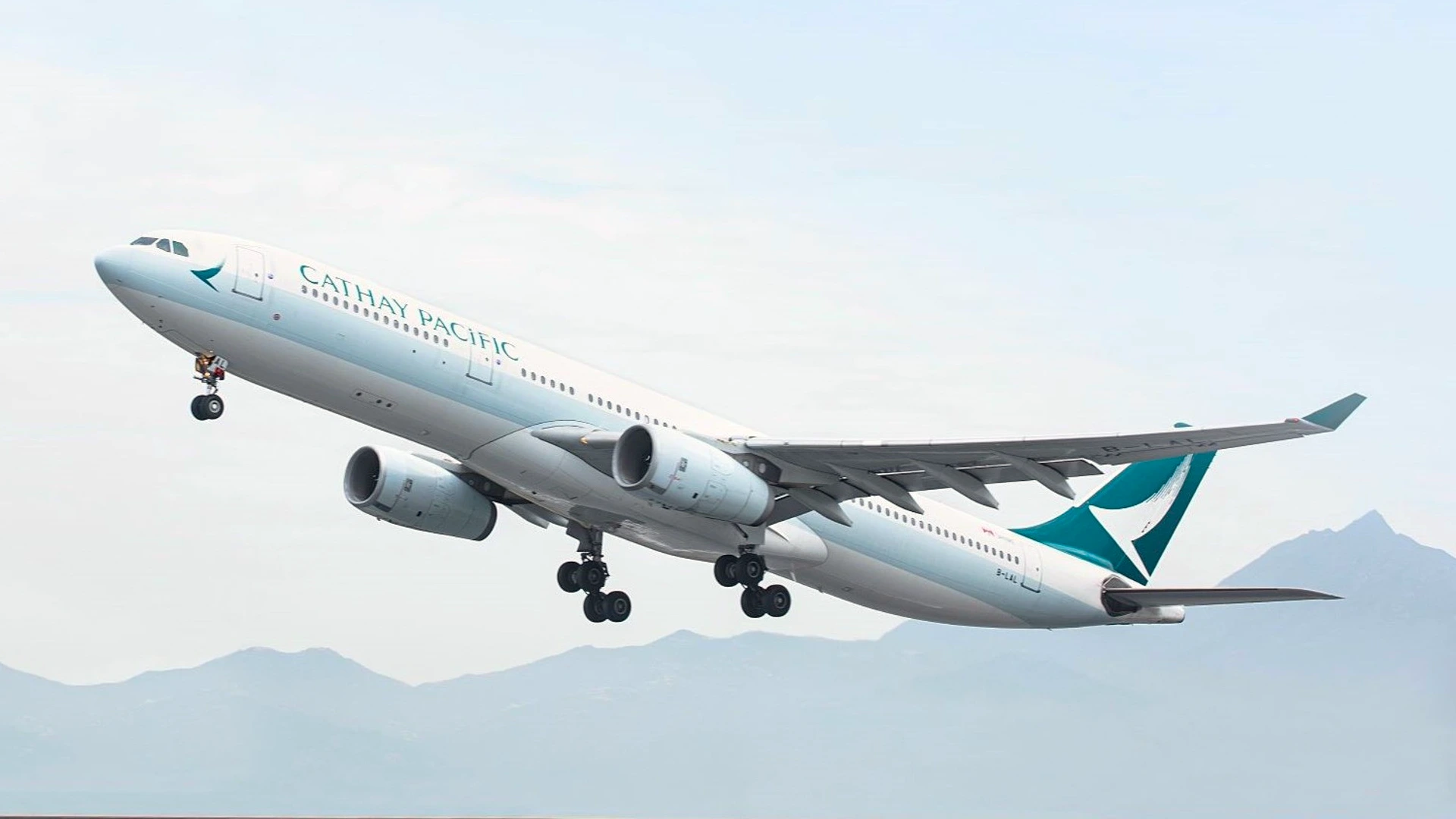
HONG KONG- Cathay Pacific (CX) is expanding trials of an artificial intelligence system developed with Google that could help aircraft avoid creating climate-warming contrails.
The Hong Kong-based carrier is using the technology to identify atmospheric conditions where persistent contrails are likely to form and provide pilots with alternative flight profiles.
The initiative is being tested across Cathay Pacific’s network, including ultra-long-haul operations, and represents one of the aviation industry’s latest attempts to address the non-CO₂ climate effects of flying.
The trials use AI predictions, satellite imagery and weather data to identify potential contrail-forming areas before and during flights.
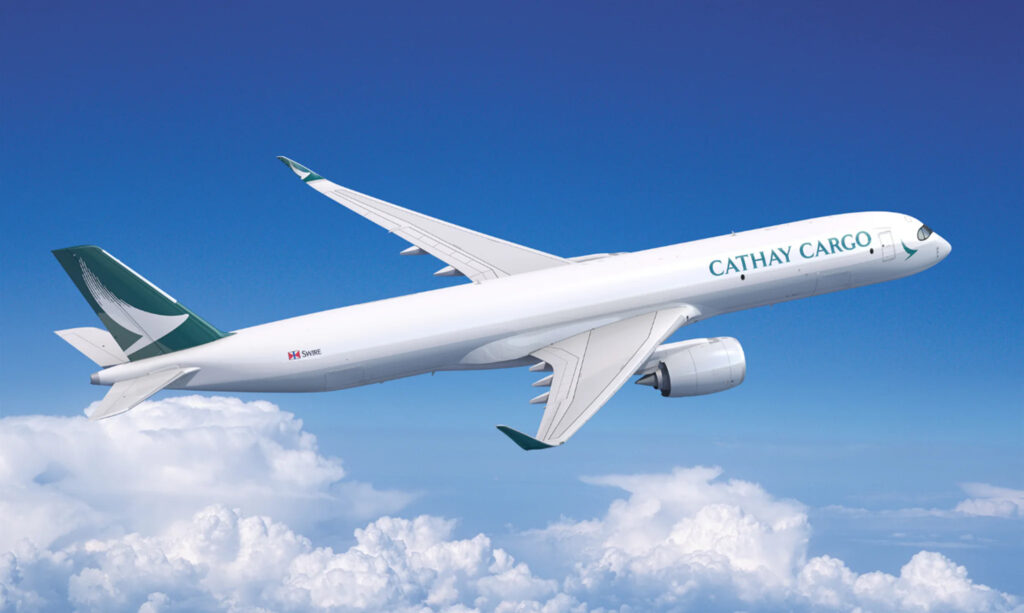
AI Targets Contrails
Contrails form when aircraft exhaust meets sufficiently cold and humid air at cruising altitude. Water vapor freezes around particles in the exhaust, producing ice crystals that can create the familiar white trails behind aircraft.
Most contrails disappear relatively quickly, but some persist for hours and spread into larger cirrus-like cloud formations.
These clouds can trap outgoing heat in the atmosphere, making contrails an important part of aviation’s overall climate impact.
Google estimates that contrails account for roughly one-third of aviation’s total climate impact. Contrails.org, which is also participating in the project, estimates that they contribute around 1% to 2% of global warming.
The technology does not remove contrails after they form. Instead, it attempts to prevent the most warming contrails by identifying atmospheric zones that aircraft can avoid with relatively small changes in altitude or routing.
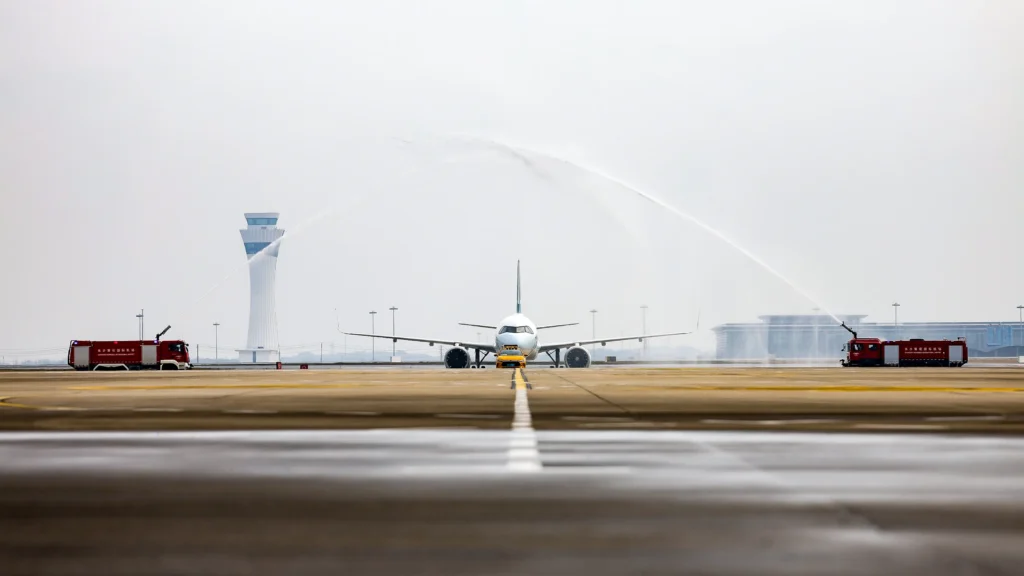
40% Warming Reduction
Cathay Pacific and Google began an operational trial in late 2025 involving more than 100 flights. More than 80 flights ultimately followed routes optimized to reduce contrail formation, with Google estimating that they produced roughly a 40% reduction in the warming impact of their contrails.
The Hong Kong-Singapore route was among those tested, and early analysis indicated that interventions on this corridor represented more than half of the trial’s total climate impact reduction.
Google’s system combines predictive AI models with satellite observations and advanced weather intelligence. The resulting forecasts can identify areas where persistent contrails are likely, allowing flight dispatchers and pilots to consider modest altitude changes.
Cathay Pacific integrates the information into its Electronic Flight Folder, which provides pilots with operational information through the airline’s digital flight-management workflow.
The final decision remains with the aircraft commander, who must consider the contrail forecast alongside safety, weather, fuel, airspace and other operational requirements.
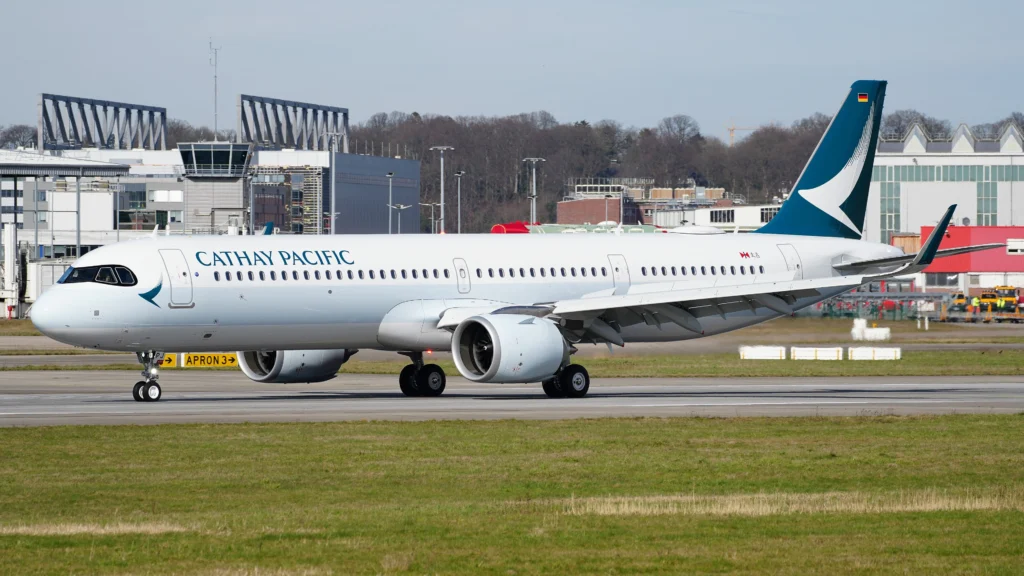
Beyond Chemtrail Claims
The technology also highlights the scientific difference between contrails and the so-called “chemtrail” conspiracy theory.
Contrails are a documented atmospheric phenomenon created by aircraft exhaust, while there is no evidence that airlines routinely use these trails to deliberately disperse secret chemicals or biological agents.
The chemtrail theory has nevertheless persisted for decades and gained renewed attention on social media. Its claims range from weather modification and geoengineering to population control, despite the lack of credible scientific evidence supporting them.
Contrail avoidance, by contrast, is based on established atmospheric science and seeks to reduce a measurable aviation climate effect.
Contrails.org estimates that adjusting only around 5% of flights could potentially avoid up to 80% of contrail warming, although results vary according to location and weather conditions.
Cathay Pacific and Google are now moving into a larger second phase of trials across Asia and transpacific routes.
The partners say additional operational data will be needed before airlines can determine how effectively contrail avoidance can be applied across different airspaces and flight networks.
Stay tuned with us. Further, follow us on social media for the latest updates.
Join us on Telegram Group for the Latest Aviation Updates. Subsequently, follow us on Google News
