

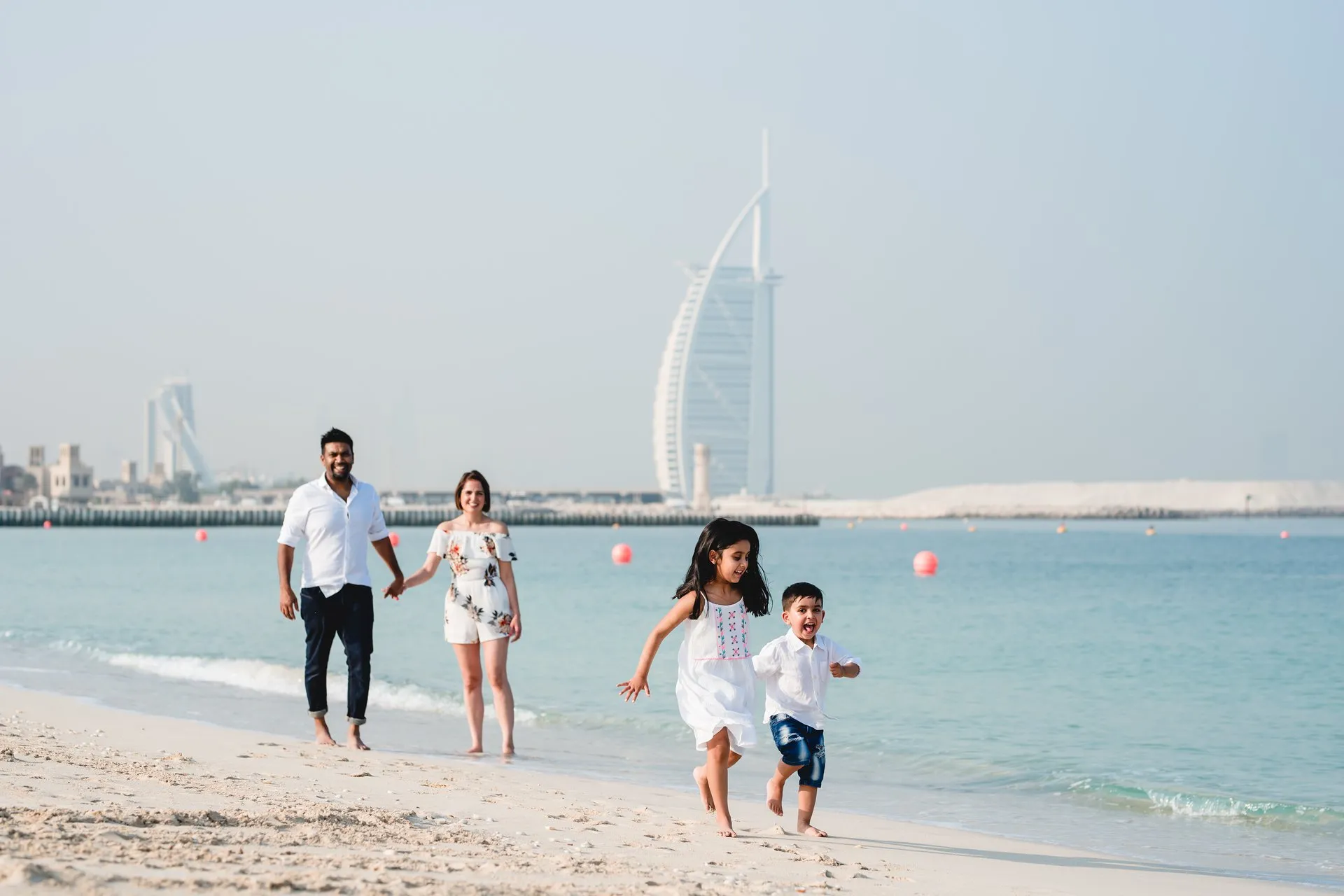
Dubai has a way of capturing people’s attention. For some, it’s the promise of year-round sunshine. For others, it’s the chance to earn a tax-free salary, enjoy a high standard of living, and build a career in one of the world’s fastest-growing cities.
Over the last two decades, Dubai has transformed from a regional business hub into a truly global city that attracts professionals, entrepreneurs, and families from every corner of the world. Today, expatriates make up the vast majority of the population, creating an international environment where newcomers rarely feel out of place.
Still, relocating to Dubai is about more than booking a flight and signing an employment contract. Understanding the local culture, housing market, healthcare system, and daily living costs can make the difference between a smooth transition and a stressful start.
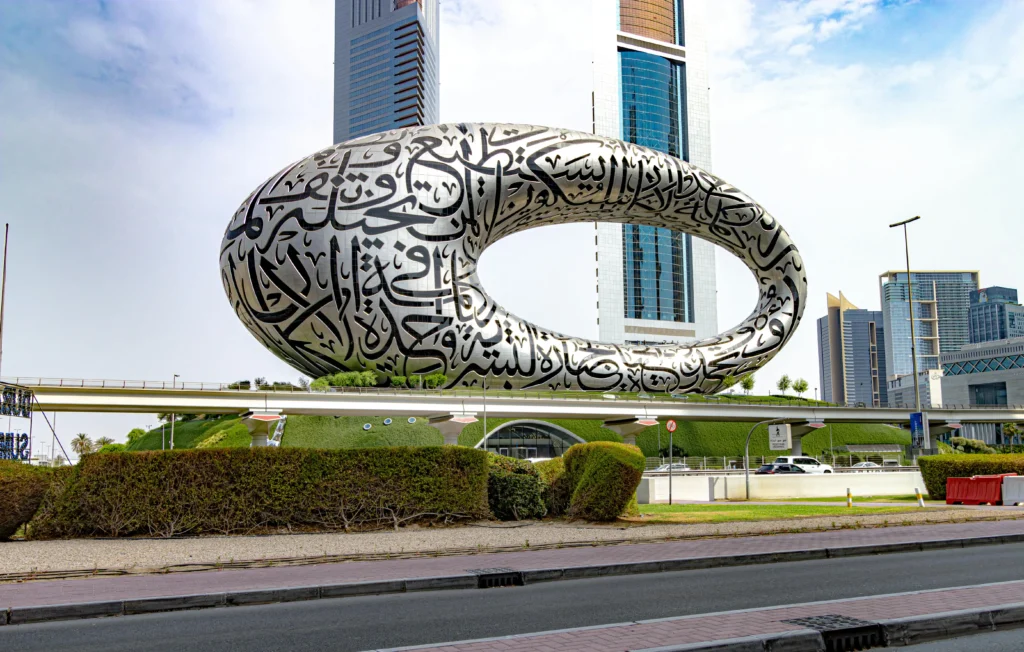
What Is It Really Like Living in Dubai?
For many expats, Dubai offers a lifestyle that is difficult to match elsewhere. The city combines modern infrastructure, excellent transport links, world-class shopping, luxury dining, and strong career opportunities. It is also widely regarded as one of the safest major cities in the world, something that many newcomers appreciate almost immediately.
At the same time, Dubai remains part of the United Arab Emirates, and local customs and laws reflect that. While the city is generally more liberal than many people expect, residents are still expected to respect cultural norms. Public behaviour, dress codes in certain locations, alcohol consumption and online conduct are all areas where newcomers should familiarise themselves with local regulations.
One of the biggest surprises for first-time arrivals is just how international the city feels. Walking through a shopping centre or business district, it is common to hear half a dozen languages spoken within a few minutes. English is widely used in business and everyday life, making it possible for most expats to settle in without speaking Arabic. However, learning a few basic Arabic phrases can still be helpful and is often appreciated by locals.
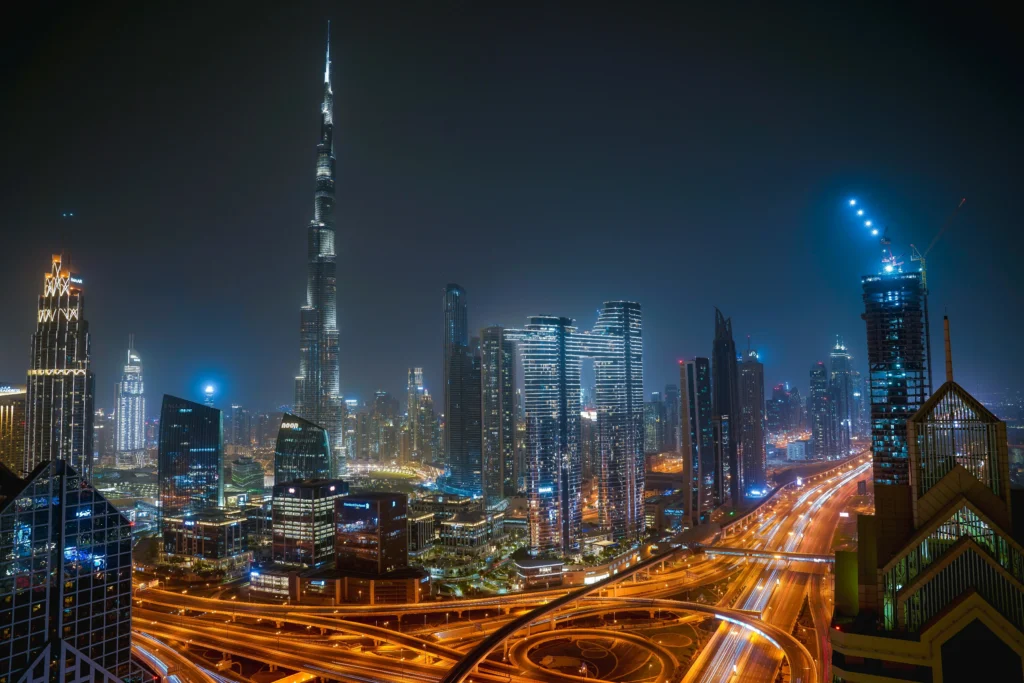
Understanding the Cost of Living
Dubai has a reputation for luxury, but the reality is more nuanced. While it can certainly be an expensive place to live, many everyday expenses are comparable to or even lower than those found in major cities such as London, Paris or New York. Housing is usually the largest expense and often determines how affordable the city feels for each individual.
Those moving with an employer should carefully review their relocation package. Some companies provide accommodation allowances or company housing, which can significantly reduce monthly expenses. Others may offer assistance with school fees, transportation or healthcare.
Dining out is available at every price point. Residents can enjoy inexpensive local meals, mid-range international restaurants or high-end dining experiences. Grocery prices are generally reasonable, although imported products can cost noticeably more than they would in their country of origin.
The key is to establish a realistic budget before arriving. Rent, utilities, transport, school fees and health insurance should all be considered before deciding whether a job offer is financially attractive. Many newcomers focus solely on the tax-free salary and underestimate the overall cost of settling into the city.

Finding the Right Place to Live
Choosing where to live is one of the most important decisions any expat will make.
Dubai offers neighbourhoods suited to almost every lifestyle. Young professionals often gravitate towards areas close to major business districts, while families typically prioritise access to schools, parks and larger living spaces. Popular expatriate communities include Dubai Marina, Jumeirah and Umm Suqeim, although many other districts continue to attract international residents.
When selecting accommodation, commute times should not be overlooked. Traffic congestion can be a challenge during peak hours, and a shorter commute often improves quality of life significantly.
Many landlords require rent payments in advance through post-dated cheques, a system that can feel unusual for newcomers. It is worth understanding local rental practices before signing any agreement.
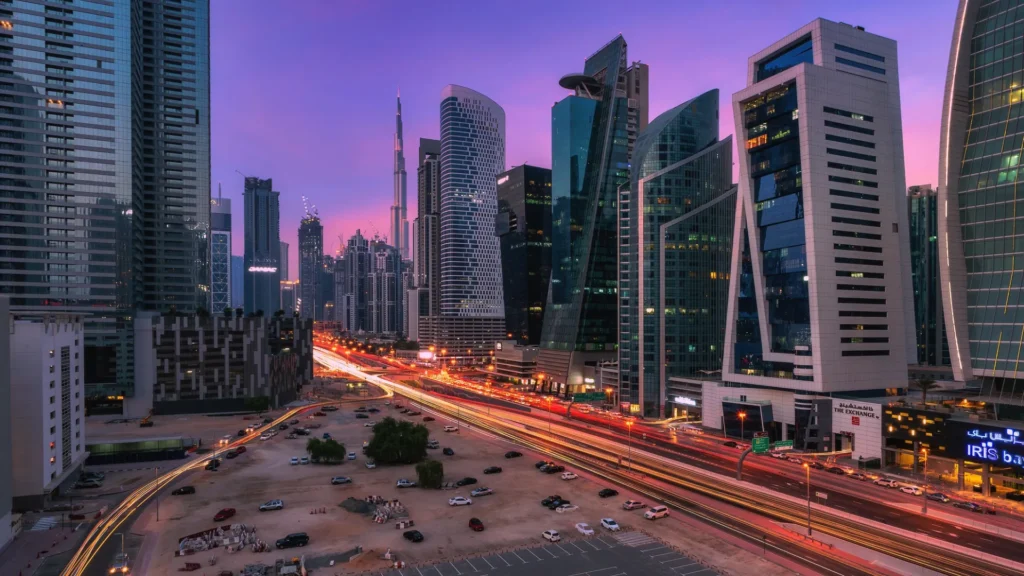
Can Expats Buy Property?
One reason Dubai continues to attract international residents is its relatively open property market.
Foreign nationals can purchase freehold properties in designated areas across the city. Popular locations include waterfront developments, city-centre districts and large master-planned communities. In addition to potential investment returns, property ownership can provide access to residency benefits depending on the property’s value.
For expats planning to remain in Dubai for the long term, purchasing a home may be worth considering, although renting remains the more common option for newly arrived residents.

Employment Opportunities in Dubai
Career prospects remain one of Dubai’s biggest attractions.
The city has built a diverse economy that extends far beyond oil and gas. Industries such as aviation, finance, technology, logistics, healthcare, hospitality and real estate continue to create opportunities for skilled professionals. Many multinational corporations maintain regional headquarters in Dubai, making it an appealing destination for ambitious individuals seeking international experience.
Most expatriates relocate with employment already secured. This is generally the easiest path, as employers often assist with visa sponsorship, relocation support and administrative requirements.
Those arriving without a job should ensure they have sufficient savings to cover living expenses while searching for employment, as accommodation and daily costs can add up quickly.

Visas and Residency
A valid visa is essential for anyone planning to live and work in Dubai.
Most expatriates obtain residency through employer sponsorship. Once a job offer has been accepted, the employer typically assists with the application process and required documentation.
Depending on circumstances, alternative visa options may also be available, including investor visas, retirement visas and long-term residency programmes.
Before relocating, it is important to ensure all passports, educational certificates and professional qualifications are valid and, where necessary, properly attested.
Healthcare and Health Insurance
Healthcare in Dubai is modern, efficient and generally of a very high standard. Hospitals and clinics often feature advanced facilities, multilingual staff and relatively short waiting times compared with many public healthcare systems elsewhere.
However, quality healthcare comes at a cost.
Health insurance is mandatory for residents, and proof of coverage is required during the residency process. Employers are typically responsible for providing basic health insurance for employees, but coverage levels vary significantly between companies. Family members often require separate policies, particularly spouses and children who are not directly employed.
Because private medical treatment can be expensive, many expats choose comprehensive insurance plans that provide access to specialist care, dental treatment and wider hospital networks.
Banking and Managing Your Finances
Opening a local bank account is one of the first tasks many new residents complete after arriving.
Banks generally require a residency visa, Emirates ID and proof of address before allowing customers to open accounts. Having employment documentation readily available can speed up the process considerably.
Many experienced expatriates recommend organising international banking arrangements before leaving their home country. Maintaining access to existing accounts while establishing new ones in Dubai often makes the transition smoother.
One of Dubai’s biggest financial advantages remains its lack of personal income tax. While this allows many professionals to retain a larger proportion of their earnings, individuals should still understand any tax obligations that may continue to apply in their home country.

Education for Families
Families relocating with children usually focus heavily on schooling.
Dubai offers a wide range of international schools following British, American, International Baccalaureate and other educational systems. The quality of education is generally high, but places at the most sought-after schools can fill quickly.
Waiting lists are common, particularly for well-established institutions. Parents are often advised to begin researching and applying for school placements before their move is finalised.
School fees can represent a major household expense, so they should always be included in relocation budgeting.

Practical Tips Before You Move
Preparation can save a great deal of stress during the first few weeks in Dubai.
Before departing, it is wise to:
- Confirm employment contracts and visa arrangements.
- Organise health insurance coverage for all family members.
- Research housing options and temporary accommodation.
- Prepare a realistic monthly budget.
- Gather important documents, including passports, educational certificates and medical records.
- Arrange international banking access.
- Investigate schooling options if relocating with children.
- Learn basic information about local customs and laws.
- Set up a local mobile phone plan shortly after arrival.
- Familiarise yourself with public transport and commuting options.
Bottom Line
Dubai continues to be one of the most attractive destinations in the world for expatriates. The combination of tax-free income, strong career opportunities, modern infrastructure, excellent healthcare and a multicultural environment makes it an appealing choice for professionals and families alike. While the cost of living can be high, particularly when it comes to housing and education, careful planning usually allows newcomers to enjoy a very comfortable lifestyle.
The key to a successful move is preparation. Understanding visa requirements, healthcare obligations, housing costs and local customs before arriving will make settling in far easier. For those willing to embrace a different culture while taking advantage of the opportunities available, Dubai can be an incredibly rewarding place to call home.
FAQs
Yes. Dubai offers strong employment opportunities, modern infrastructure, excellent healthcare and a safe environment. Its large expatriate population also makes it easier for newcomers to settle in and build social connections.
Yes. Health insurance is mandatory for residents and is required as part of the residency process. Employers generally provide coverage for employees, although family members may require separate policies.
Yes. Foreign nationals can purchase freehold properties in designated areas across the city. Certain property investments may also provide eligibility for longer-term residency options.
Stay tuned with us. Further, follow us on social media for the latest updates.
Join us on Telegram Group for the Latest Aviation Updates. Subsequently, follow us on Google News
