

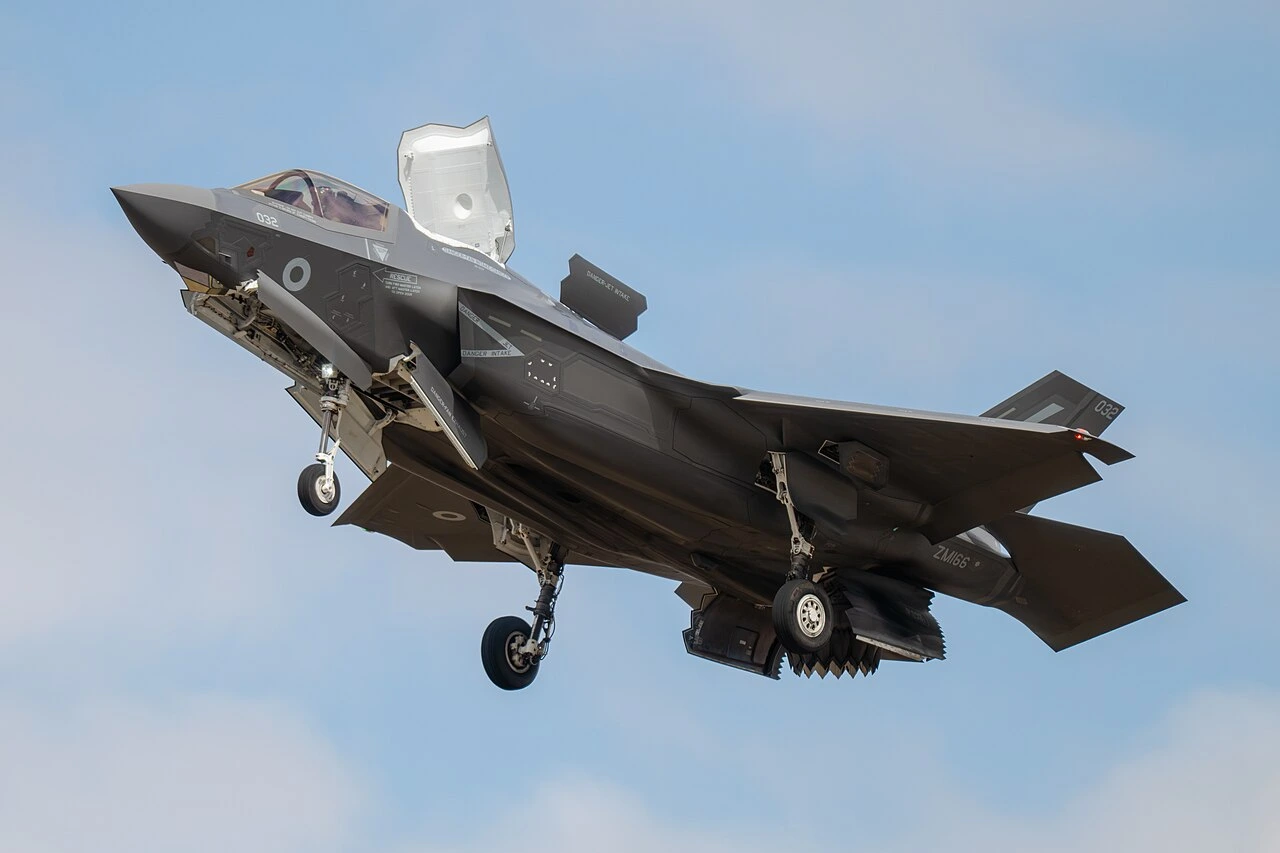
ARLINGTON- The US Air Force expects the F-35 Engine Core Upgrade to reach its critical design review in August, a senior service propulsion official said on July 27.
The upgrade modifies the Pratt & Whitney F135 engine for greater thrust and cooling capacity, with ground testing set for late 2027 and flight testing around 2030.
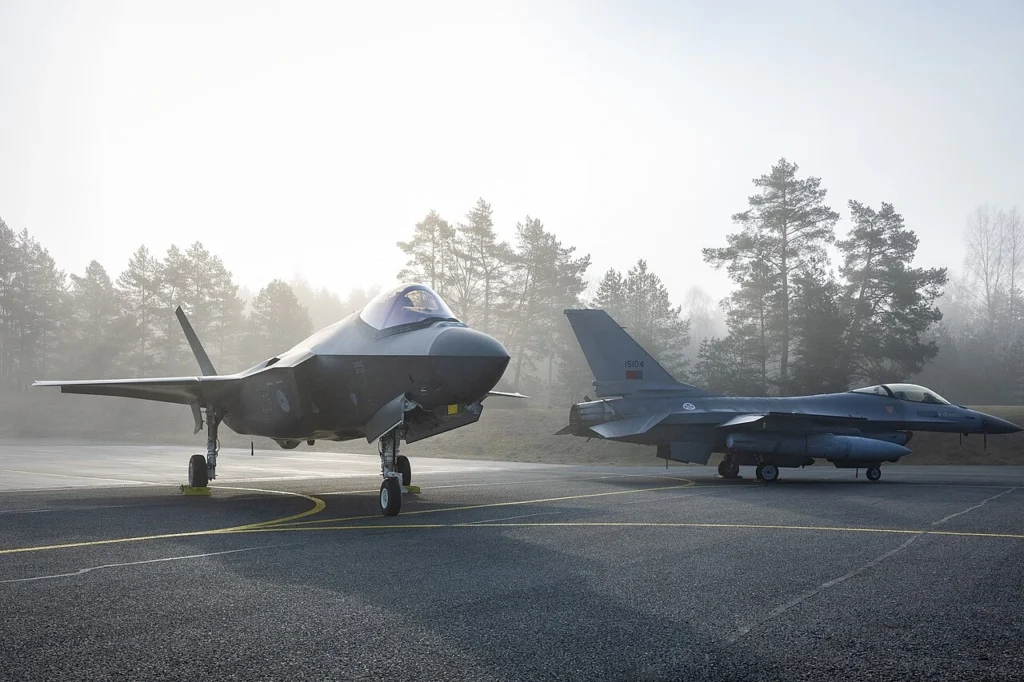
Inside F135 Propulsion Overhaul
John Sneden, the Air Force portfolio acquisition executive for propulsion, told reporters at the Life Cycle Industry Days conference that the Engine Core Upgrade is “proceeding well.”
The Engine Core Upgrade, known as ECU, is a major effort to modify the existing F135 engines that power the F-35 Joint Strike Fighter.
Pratt & Whitney manufactures the engine, and the modifications aim to deliver additional thrust and additional cooling power.
Both attributes are needed to support the extensive series of F-35 upgrades known as Block 4, as well as future improvements planned beyond that package. The Air Force is separately pursuing an upgraded power and thermal management system to complement the ECU.
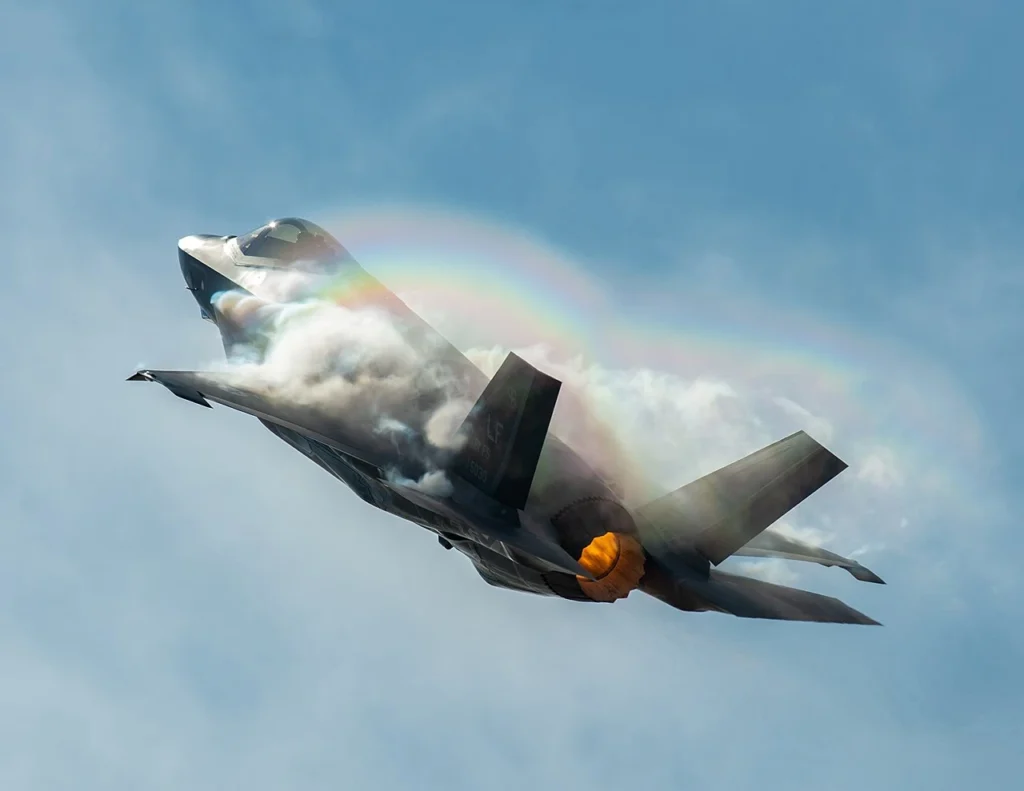
Why F-35 Needs More Cooling
The F135 was developed from the Pratt & Whitney F119 engine used on the F-22 Raptor, and it produces roughly 28,000 pounds of thrust dry and 43,000 pounds with the afterburner engaged.
The engine has powered the F-35 for 2 decades, but the aircraft’s growing electronics load has pushed it past its original design assumptions.
The core problem is bleed air. The cooling system draws more air pressure from the engine than designers originally expected, which forces the engine to run hotter and shortens its service life.
The Government Accountability Office found in a May 2023 report that the existing arrangement was overtasked and required the engine to operate beyond its design parameters, driving maintenance costs that could reach $38 billion across the planned 58-year life of the F-35 program.
The heat load itself is rising sharply. The F-35 Joint Program Office has said the Block 3 aircraft generates about 30 kilowatts of waste heat from its electronics, a figure expected to reach 47 kilowatts in Block 4, while the current engine is optimized to absorb up to 14 kilowatts.
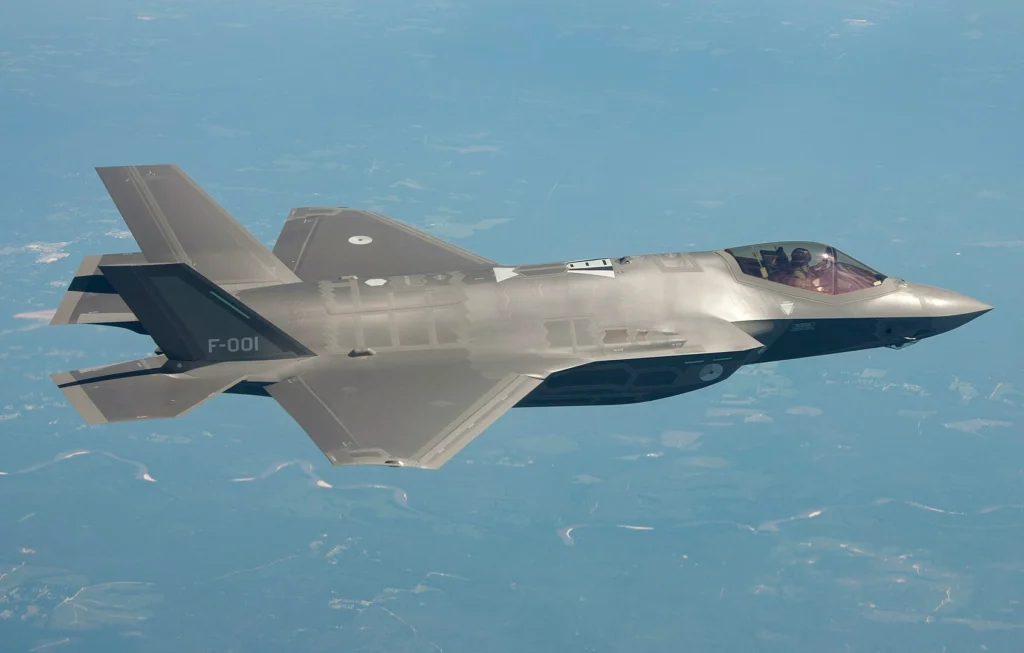
Air Force ECU and Critical Design Review
The service considered replacing the F135 outright before settling on a modification path. The Adaptive Engine Transition Program, worth more than $4 billion, saw GE Aerospace and Pratt & Whitney develop the competing XA100 and XA101 powerplants, which achieved gains of 30% in fuel efficiency and at least 10% in thrust over the F135 before the effort was ended.
The Pentagon opted against a new engine and sole-sourced the ECU work to Pratt & Whitney. Pratt & Whitney describes the ECU as a fleet-wide upgrade built on the existing F135 architecture, retrofittable across all three F-35 variants and available to all global operators.
The critical design review is an important milestone in the progression of a major defense program. Acquisition experts scrutinize all elements of a system during the review.
The process verifies that the design is stable, that it is likely to meet performance requirements, and that it is on track to meet its cost goals.
Testing Timeline Through 2030
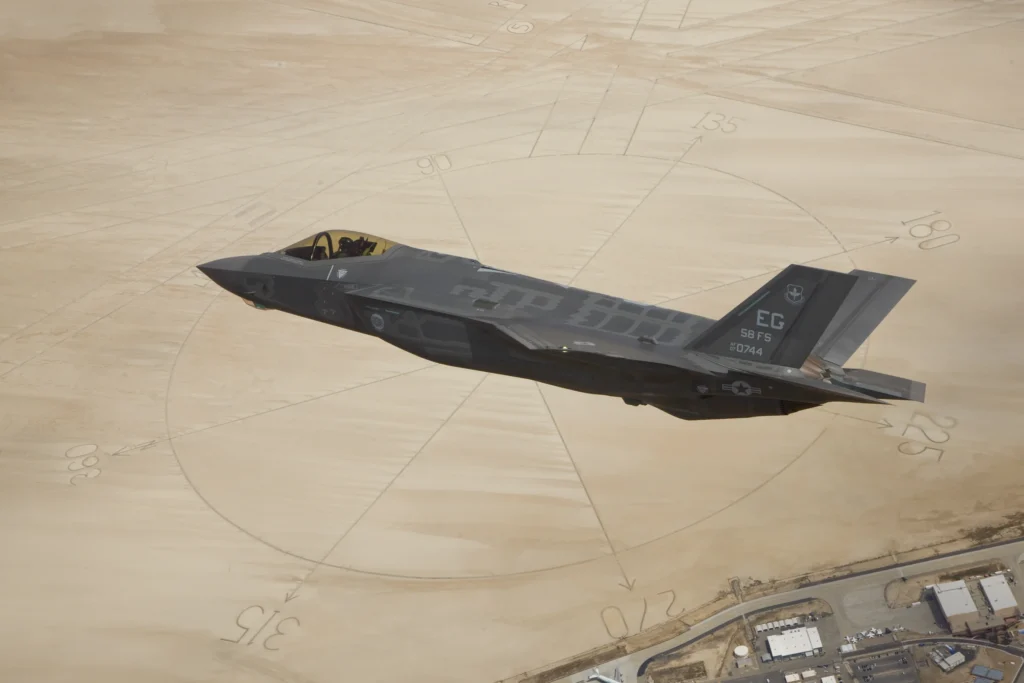
Sneden said that after the ECU program’s design review is finished, the upgrade is scheduled to undergo ground testing in late 2027. Flight tests will start around 2030.
Pratt & Whitney announced in July 2024 that the ECU had passed its preliminary design review. At that time, the company said the critical design review was expected for mid-2025.
The Air Force Life Cycle Management Center gave a different account in a statement to Air & Space Forces Magazine, saying the planned date for the ECU critical design review has not changed during the last 2 years, since the program passed its preliminary design review.
AFLCMC said the Air Force did not make a projection similar to the one issued by Pratt & Whitney and never expected the critical design review to take place in 2025.
Risks Flagged by Government Accountability Office
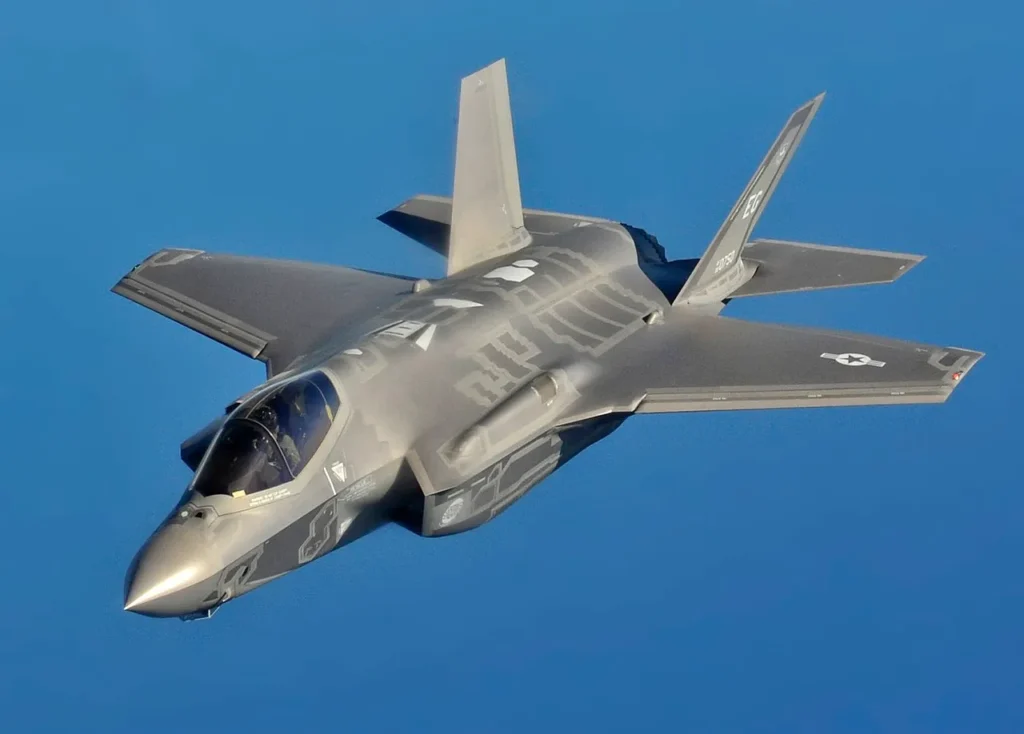
The Government Accountability Office addressed the program in a report published in September 2025. The report found that the preliminary review validated that the ECU design met expectations.
The GAO also identified “major risks” in the effort. Those risks included a lack of integrated development and test schedules between the engine and the F-35, parts that were not arriving in time to support testing, and immature test plans. The report stated that production on the engine upgrade is expected to begin in 2031.
The program responded to those findings by awarding Pratt & Whitney a $1.3 billion risk reduction contract in September 2024, intended to mature technologies through activities such as coordinating test schedules, procuring test hardware, and executing test plans.
That contract runs to the end of 2026, after which the program expects to award a full engine core upgrade development contract.
Cooling System Competition Running in Parallel
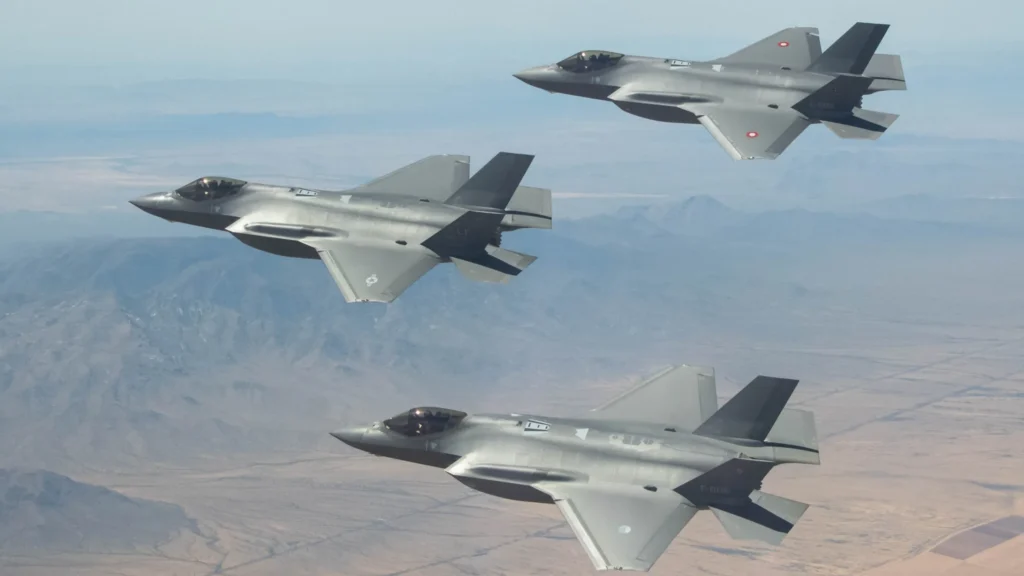
The Power and Thermal Management Upgrade is a separate effort with its own timeline. Honeywell supplies the current Power and Thermal Management System and is offering an upgrade to that design, while Collins Aerospace, an RTX subsidiary, is competing with a new Enhanced Power and Cooling System.
Both companies say their offerings meet the Joint Program Office objective of 80 kilowatts of cooling capacity.
Lockheed Martin plans to present options to F-35 program officials in December 2026, when a final decision on the cooling solution is expected. Development is scheduled to begin in 2027.
Block 4 Pressure on Timeline
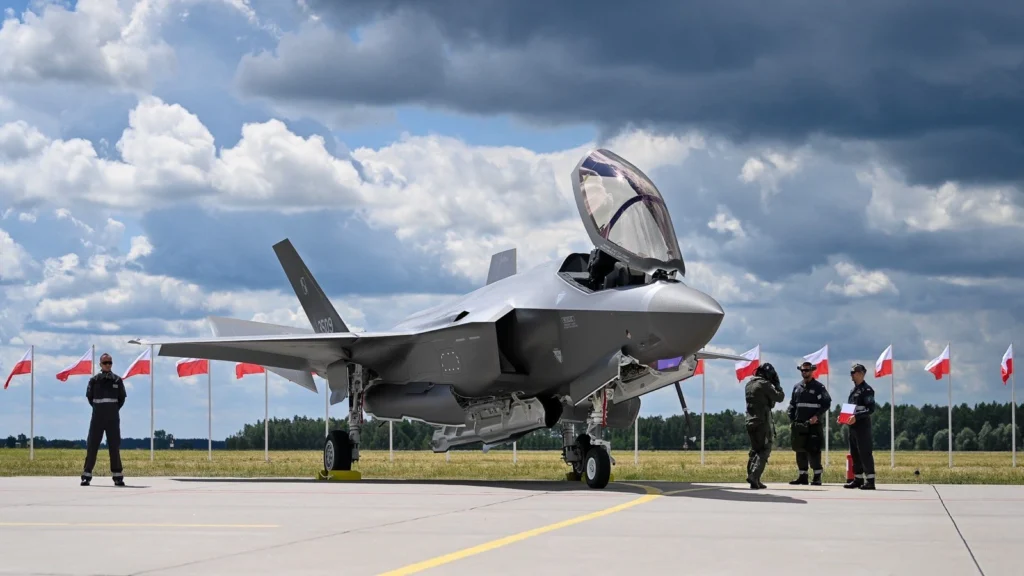
The propulsion work sits inside a modernization effort already under strain. The GAO reported that the Block 4 subprogram has been redefined with fewer capabilities than originally planned, with completion pushed to 2031, roughly 5 years later than first reported.
Auditors have also placed Block 4 at least $6 billion over budget, tied in part to delays with the Technology Refresh 3 hardware and software foundation.
Budget Request Rises Sharply for 2027
In its 2027 budget request, the Air Force is seeking a major infusion of cash to make sure it meets its production targets despite the slip in the design review schedule.
Budget documents show the service is seeking $317.5 million for the entire F-35 propulsion enterprise, up from around $121 million in 2026. Much of that amount is directed toward the Engine Core Upgrade and the Power and Thermal Management Upgrade.
According to the budget documents, the increase is meant “to accelerate the development and delivery of F135 ECU and F-35 [power and thermal management upgrade]. Both are critical propulsion upgrades for enhanced fleet readiness.” The documents add that “Acceleration allows for achieving target fielding dates as well as support to the Block 4 aircraft.”
Stay tuned with us. Further, follow us on social media for the latest updates.
Join us on Telegram Group for the Latest Aviation Updates. Subsequently, follow us on Google News
