

ATHENS— A Ryanair (FR) flight from Athens International Airport (ATH) to London Luton Airport (LTN) departed without more than 20 booked passengers after extensive queues at passport control caused significant disruption over the weekend.
The incident occurred during a period of high passenger traffic at Athens Airport, where travelers reported waiting in lengthy lines before reaching the departure area for non-Schengen flights.
The aircraft eventually left around an hour later than scheduled after baggage belonging to stranded passengers was removed from the aircraft, The Connexion reported
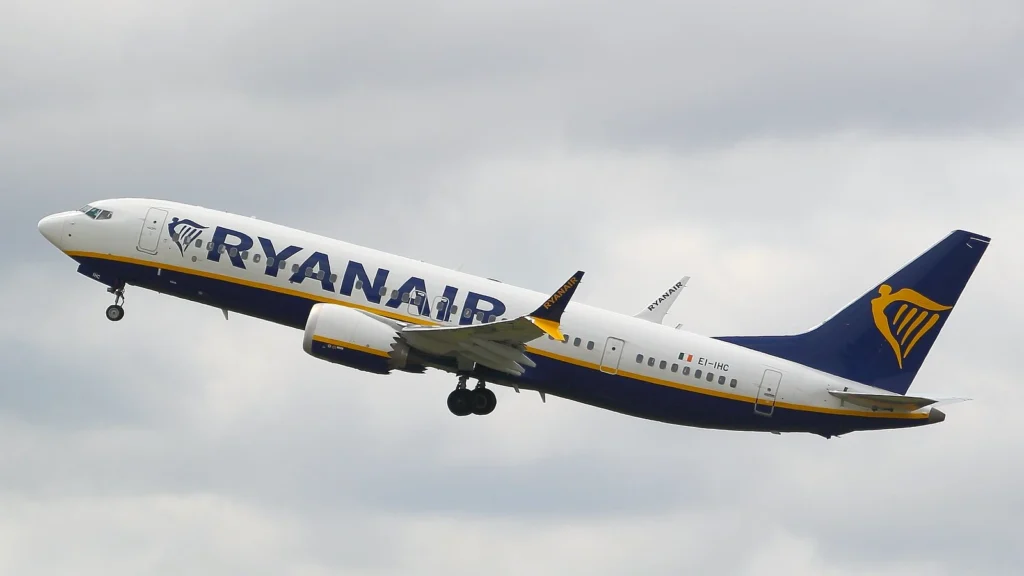
Ryanair Leaves Passengers Behind
Passengers described scenes of confusion and frustration as queues stretched through passport control areas serving travelers bound for destinations outside the Schengen zone.
Temperatures exceeding 30°C added to the discomfort, with some travelers reporting prolonged waits in crowded conditions.
Several passengers reached the departure gate only moments before closure, while others were unable to pass through security and border checks in time.
Witnesses said airline staff faced pressure from stranded travelers seeking permission to board after the gate had closed.
Airport authorities were reportedly called to assist as tensions rose among affected passengers. The disruption left both departing travelers and those waiting beyond the gate frustrated by the delays.
Athens International Airport later acknowledged periods of congestion in the departures area.
Airport officials cited high passenger volumes and additional processing requirements associated with travel to non-Schengen destinations as key factors behind the delays.
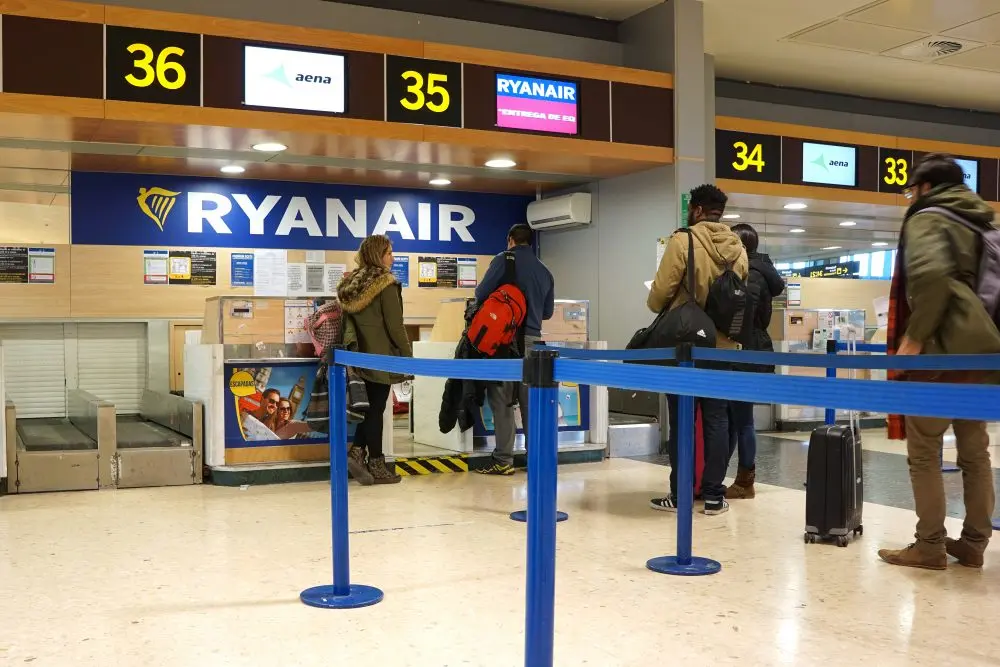
EES Queue Concerns Impact Air Travel
The incident has renewed concerns about the impact of the European Union’s Entry/Exit System (EES) on airport operations across Europe.
Airlines and airport operators have repeatedly warned that the introduction of new border control procedures could create bottlenecks during peak travel periods.
Under the EES framework, non-EU travelers entering or leaving the Schengen Area are expected to register biometric information, including facial images and fingerprints.
The system is designed to strengthen border management and improve traveler tracking across participating countries.
However, current regulations allow airports to temporarily suspend biometric collection when excessive queues develop. As a result, some passengers may still experience delays even when biometric checks are not actively being conducted.
Travelers heading to destinations outside the Schengen zone, including the United Kingdom, the United States, Ireland, and the United Arab Emirates, often pass through the same border control checkpoints.
This can increase waiting times for a broad range of passengers regardless of their nationality or residency status.
Summer Travel Impact Causes Flight Delays
The Athens disruption is the latest in a series of airport congestion incidents reported across Europe during the busy summer travel season.
Several airports in France and other European countries have also faced operational challenges linked to border processing requirements and rising passenger numbers.
Ryanair has previously called for a temporary suspension of the EES rollout during peak summer months, arguing that airports require additional preparation time to avoid widespread delays.
The airline attributed the Athens incident to border control delays but did not directly identify the EES as the sole cause.
Meanwhile, other carriers have advised passengers traveling to non-Schengen destinations to arrive at airports at least three hours before departure.
Industry observers expect airport operators and border agencies to continue refining procedures as Europe prepares for wider implementation of the new system.
Stay tuned with us. Further, follow us on social media for the latest updates.
Join us on Telegram Group for the Latest Aviation Updates. Subsequently, follow us on Google News
