

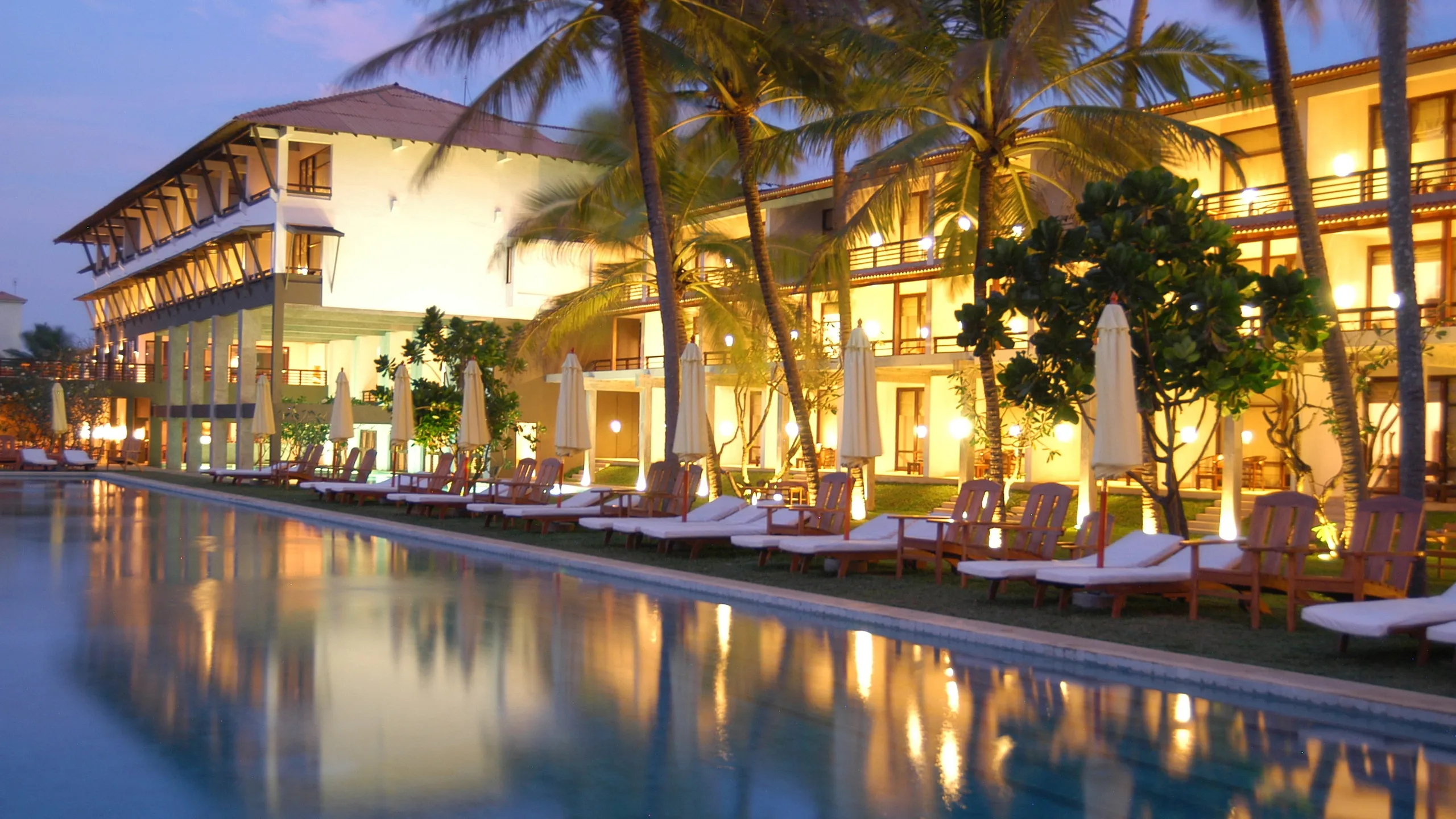
The Prix Versailles World’s Most Beautiful Hotels List for 2026 has highlighted some of the planet’s most architecturally stunning places to stay, from cave villas carved into Saudi Arabian mountains to restored monasteries overlooking the Italian Riviera.
Announced at UNESCO, the annual list celebrates hotels that combine striking architecture, local craftsmanship, and a strong connection to their surroundings.
This year’s selections span Europe, Asia, the Middle East, and Latin America, reflecting a growing global focus on immersive design rather than traditional luxury alone.
Here are 10 of the standout hotels from the 2026 Prix Versailles list.

1. The ArcadiaPlace — Lugu Lake, China
Perched above Sichuan’s Lugu Lake, The ArcadiaPlace sits beside two ancient Mosuo villages belonging to one of the world’s last matriarchal societies.
The property’s curved architecture mirrors the surrounding mountains, while floor-to-ceiling windows keep the lake constantly in view. Interiors feature jade-toned bathtubs, handmade ceramics, and muted colors inspired by the changing tones of the water.
One of the hotel’s signature features is its infinity pool — nicknamed the “Eye of the Sky” — overlooking the lake and surrounding peaks.
2. The Silk Lakehouse, Shangri-La Hangzhou — China
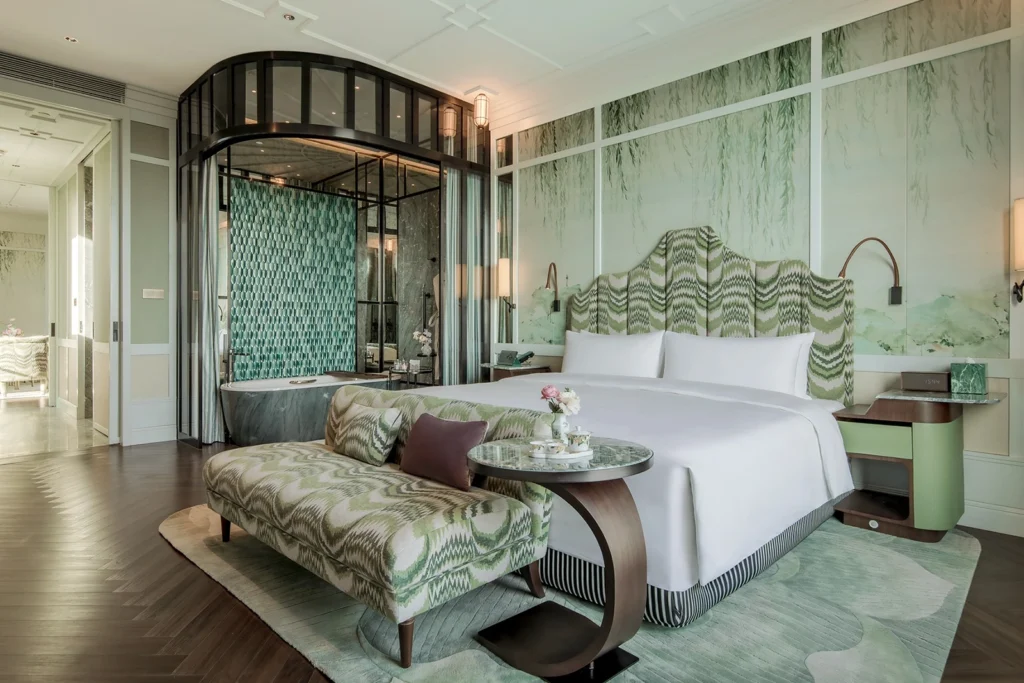
Located beside Hangzhou’s UNESCO-listed West Lake, The Silk Lakehouse, Shangri-La Hangzhou was redesigned to resemble a historic Jiangnan merchant residence rather than a conventional luxury hotel.
The property combines Chinese craftsmanship with European decorative influences through lacquered wood, layered textiles, and dramatic framed lake views. Designers intentionally removed parts of the original structure to preserve West Lake’s historic skyline.
The atmosphere feels intimate and residential, reflecting Hangzhou’s centuries-long association with silk production and poetry.

3. Sir Prague — Czech Republic
Set inside a restored 19th-century Neo-Renaissance building, Sir Prague blends historic Prague architecture with interiors inspired by Czech Cubism.
Original parquet floors, iron railings, and sculptural staircases remain intact throughout the hotel, while angular furniture and vintage décor introduce a modern contrast.
Located near Prague’s National Theatre and the Dancing House, the property quietly references Princess Libuše — the mythical founder of Prague — through subtle artistic details woven into the interiors.

4. Chiemgauhof Lakeside Retreat — Germany
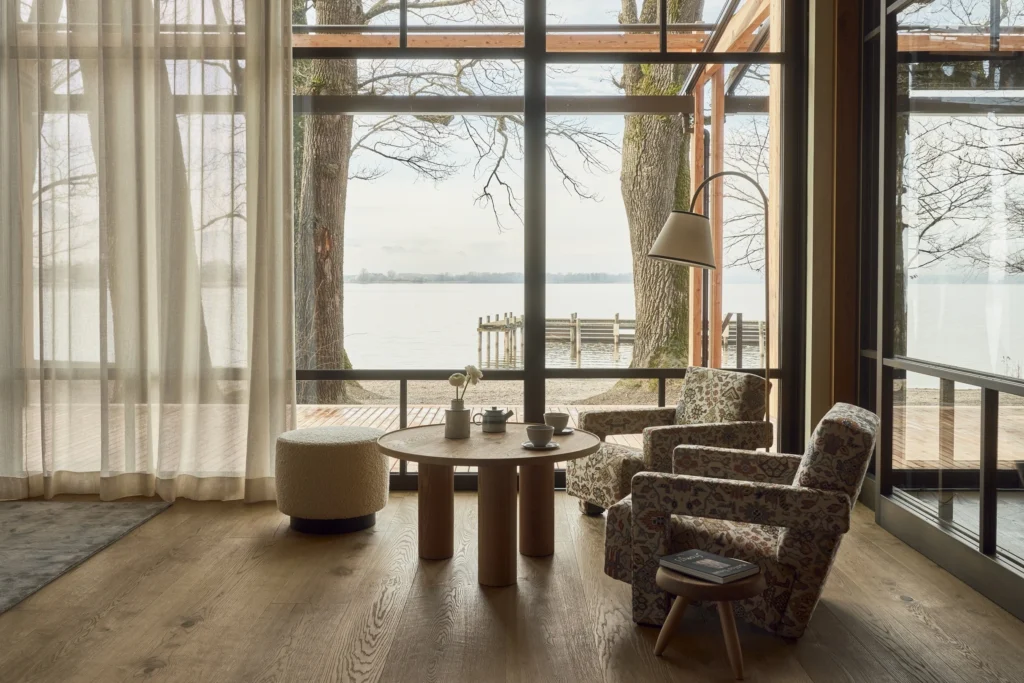
Facing Lake Chiemsee and the Bavarian Alps, Chiemgauhof Lakeside Retreat was designed to visually disappear into its natural surroundings.
The architecture draws inspiration from traditional Bavarian barns, while interiors combine stone, timber, and Japanese-inspired minimalism. Large panoramic windows frame shifting views of lake mist, forests, and snow-covered mountains throughout the seasons.
Even the lighting system was designed to minimize light pollution and protect the surrounding environment.

5. La Fondation — Paris, France
Located in Paris’ Batignolles district, La Fondation combines hotel rooms with exhibition spaces, restaurants, wellness facilities, and hanging gardens.
Designed by PCA-Stream with interiors by Roman and Williams, the project balances heavy mineral architecture with planted terraces and hidden courtyards that soften the structure.
Rather than functioning solely as a hotel, the building was conceived as a creative social hub intended to attract both travelers and locals.
6. Les Roches — Le Lavandou, France
Originally opened during the 1930s, Les Roches sits directly against the Mediterranean coastline overlooking the sea.
Architect Jean-Baptiste Pietri redesigned the property using Bormes stone, metal footbridges, and discreet stairways to create a closer relationship with the rocky landscape.
The hotel has historically attracted artists and celebrities including Jean Cocteau, Christian Dior, Humphrey Bogart, and Lauren Bacall, with contemporary art installations continuing that creative legacy today.
7. The Telegraph Hotel — Tbilisi, Georgia
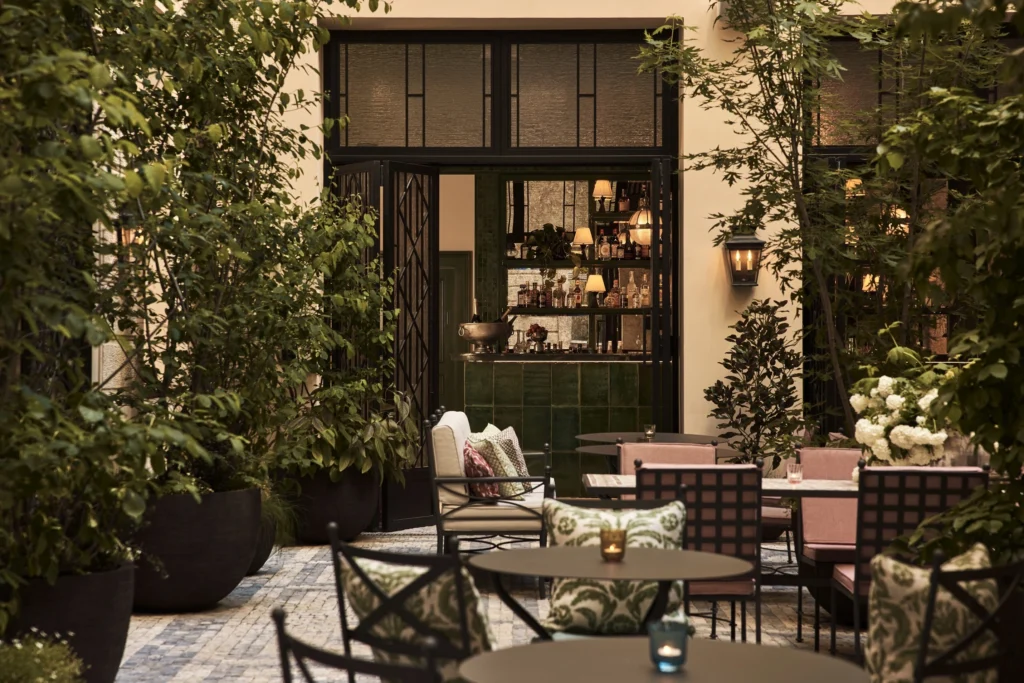
Housed inside a former Soviet communications headquarters, The Telegraph Hotel has been transformed into one of Tbilisi’s most ambitious architectural projects.
The redesign preserves monumental façades, oversized atriums, and coffered ceilings while turning corridors into replicas of the city’s narrow alleyways. Shared balconies reference traditional Georgian apartment architecture.
Restaurants, bars, and public gathering spaces all surround a central courtyard designed to function like an urban square.

8. Villa Dubrovnik — Croatia
Overlooking the Adriatic Sea opposite Dubrovnik’s historic old town, Villa Dubrovnik embraces restrained coastal minimalism rather than excessive ornamentation.
The redesign by Studio Arthur Casas uses limestone, oak, stucco, and muted natural tones inspired by the surrounding Croatian coastline. Traditional lacework patterns subtly appear throughout the interiors, connecting the hotel back to local craftsmanship.
Open terraces and uninterrupted sea views keep the Adriatic constantly present throughout the property.

9. The Oberoi Rajgarh Palace — Khajuraho, India
Originally built as a fortress more than 350 years ago, The Oberoi Rajgarh Palace combines royal Indian heritage with carefully preserved historical architecture.
The property sits near Panna National Park surrounded by lakes, forests, and hills. Reflecting pools, narrow water channels, and shaded courtyards naturally cool the palace complex, while carved detailing and handcrafted furniture reference central India’s royal past.
The restoration focused heavily on preserving original craftsmanship and maintaining the slower rhythm of the surrounding landscape.

10. Orient Express La Minerva — Rome, Italy
Located inside a 17th-century Roman palazzo near the Pantheon, Orient Express La Minerva combines historic Italian architecture with subtle references to Europe’s golden age of rail travel.
Marble surfaces, polished woods, and bespoke lighting echo the atmosphere of vintage train carriages and grand European tours. Literary figures including Stendhal and Herman Melville once stayed inside the building.
Above the city, the hotel’s rooftop terrace offers sweeping views of Rome’s terracotta skyline, including the Pantheon and St. Peter’s Basilica.
Bottom Line
Prix Versailles is an international architectural award series announced annually at UNESCO. The program recognizes projects across categories, including hotels, airports, museums, restaurants, and campuses that combine design excellence with cultural and environmental sensitivity.
Later in 2026, three properties from this year’s hotel list will also receive additional awards for best interior and best exterior design. It will be interesting to note which of these will fall in the list.
Stay tuned with us. Further, follow us on social media for the latest updates.
Join us on Telegram Group for the Latest Aviation Updates. Subsequently, follow us on Google News
