

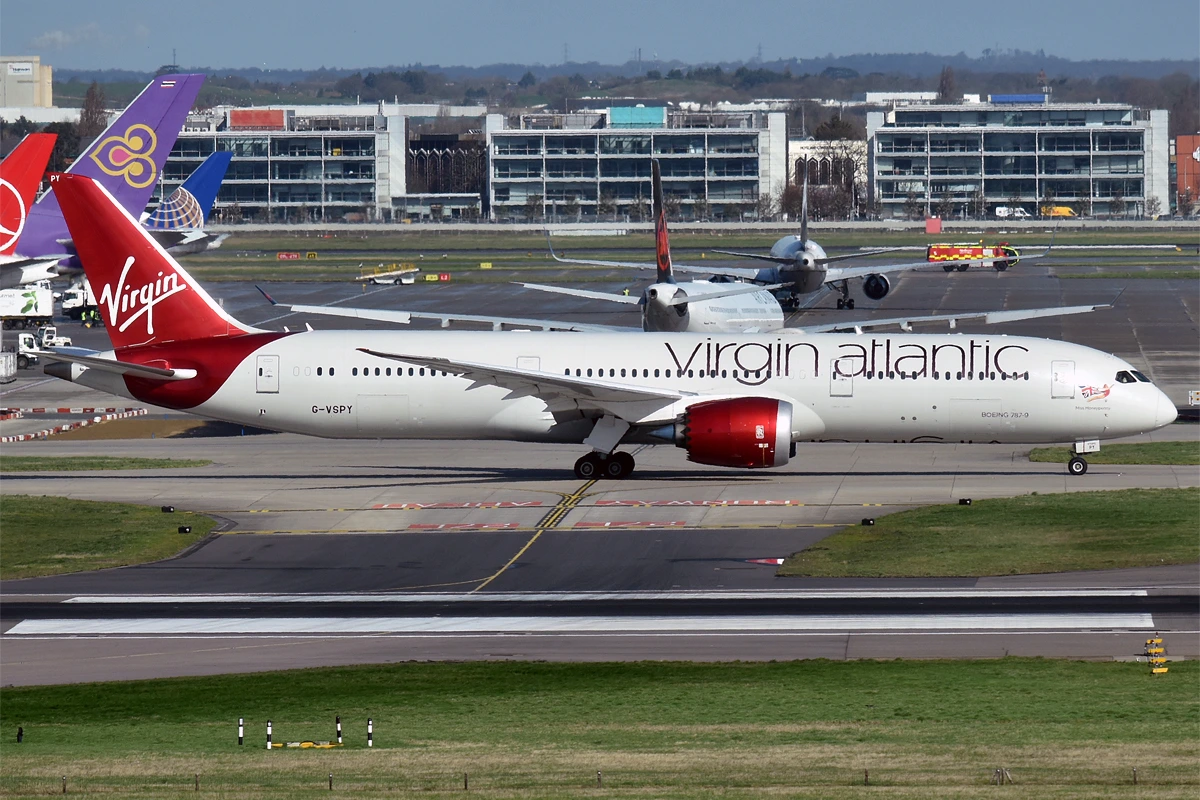
NEW YORK- A Virgin Atlantic (VS) Boeing 787-9 Dreamliner operating flight VS25 from London Heathrow Airport (LHR) to New York John F. Kennedy International Airport (JFK) received a sharp reprimand from the JFK tower controller. The crew switched to the ground frequency without authorization while taxiing near an active runway after landing.
The aircraft, registered G-VNEW, had landed on runway 22L at JFK and received taxi instructions via taxiways Juliet, Zulu, and Golf with a clear instruction to hold short of runway 22R. As the Boeing 787-9 approached runway 22R, the flight crew contacted ground control on their own, prompting an immediate intervention from the tower controller, who called the action “very dangerous.”
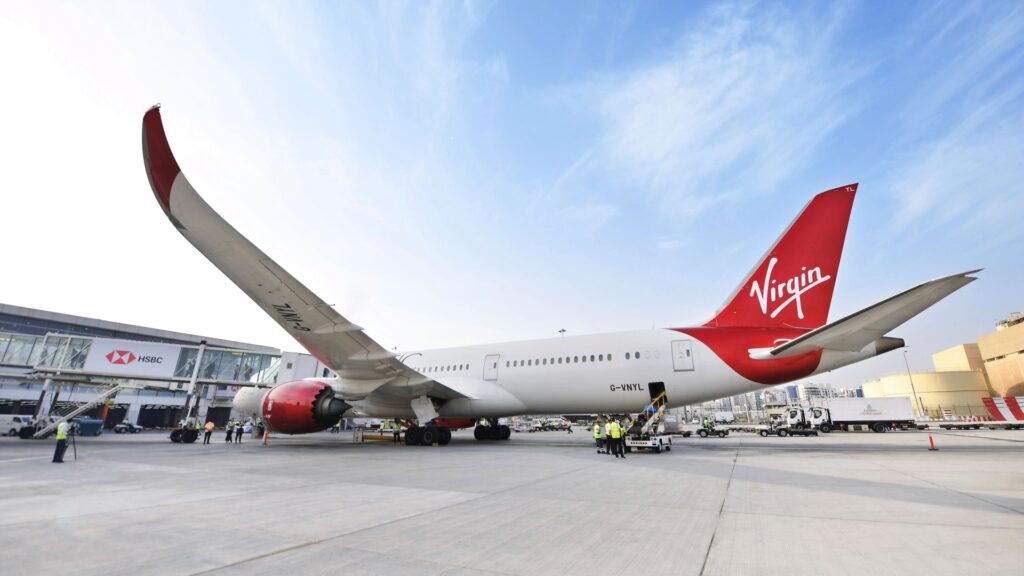
Virgin Atlantic 787 Pilots Reprimanded
The incident unfolded during a routine post-landing taxi sequence at JFK. After touching down on runway 22L, the tower controller directed Virgin Atlantic (VS) flight VS25 to taxi via taxiways J, Z, and G and hold short of runway 22R. The crew correctly read back the instruction and began taxiing as directed.
However, as the aircraft neared runway 22R, the flight crew contacted ground control and reported entering via taxiway A10.
The ground controller immediately recognized the error and instructed the crew to hold position and return to the tower frequency at 119.1 MHz. The crew complied and switched back to the tower frequency.
Upon re-establishing contact with the tower, the controller delivered a firm warning. The controller told the crew that leaving the tower frequency without a clearance is very dangerous and asked the crew to confirm they understood the severity of the situation.
The pilot acknowledged the mistake and stated that it resulted from an error, offering an apology. The tower controller then reissued the hold-short instruction for runway 22R and directed the crew to remain on the tower frequency.
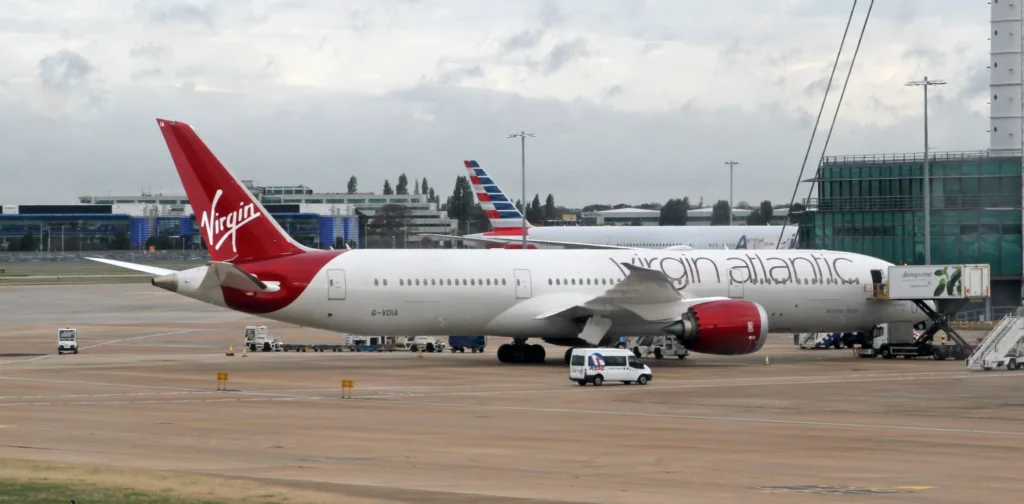
Why Unauthorized Frequency Changes Pose Serious Risks
Switching away from an assigned ATC frequency without authorization creates a critical gap in communication between the flight crew and the controlling authority. In this case, the tower controller was responsible for all traffic movements near runway 22R.
When the Virgin Atlantic crew left the tower frequency, the controller temporarily lost the ability to issue time-sensitive instructions, such as a hold command or a runway crossing clearance.
At a busy airport like New York JFK, runway 22L and 22R operate in close proximity. Aircraft taxiing near an active runway must remain on the tower frequency until the controller explicitly hands them off to ground control. This protocol ensures the tower can manage crossing traffic, departing aircraft, and arriving flights without communication gaps.
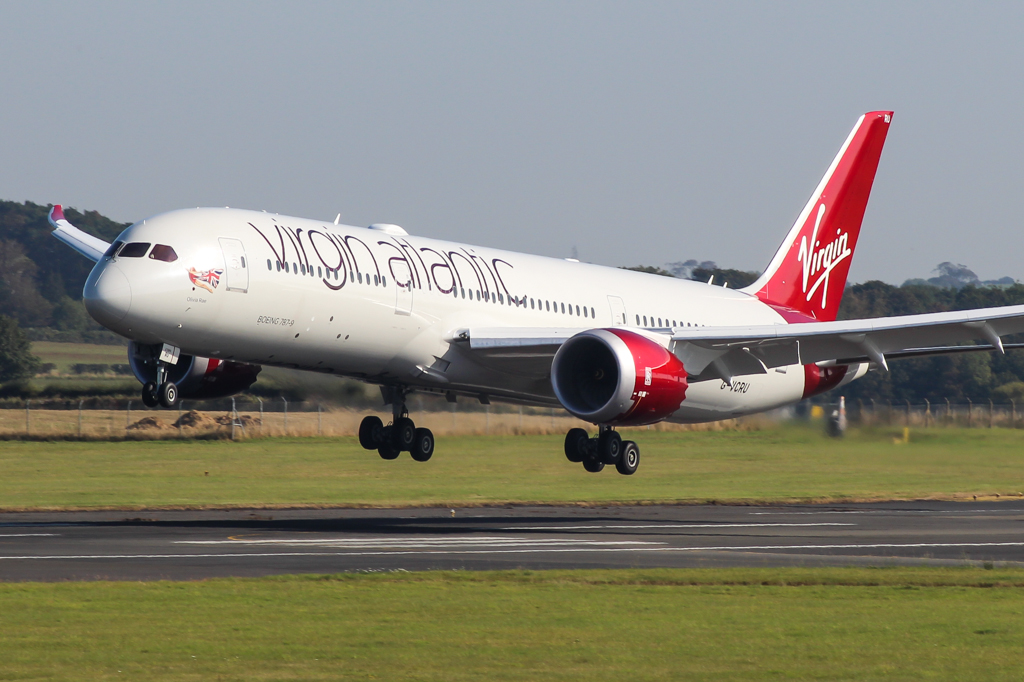
ATC Communication Transcript Breakdown
The tower initially issued the taxi instruction at the 14-second mark, directing VS25 to taxi via Juliet, Zulu, and Golf and hold short of runway 22R. The crew provided a correct readback.
At the 31-second mark, the crew contacted ground control and reported entering via A10, a clear indication that the crew had switched frequencies on their own.
The ground controller responded within five seconds, instructing the crew to hold position and return to tower on 119.1. After the crew switched back, the tower controller addressed the situation directly, calling the unauthorized frequency change very dangerous and asking the crew to confirm understanding.
The pilot took responsibility, citing a mistake, and the controller resumed normal operations by reissuing the hold-short instruction.
Crew Response and Resolution
The Virgin Atlantic (VS) pilot handled the situation professionally after the error. Rather than offering excuses, the pilot acknowledged the mistake and apologized.
The tower controller accepted the explanation and continued with standard taxi instructions, directing the crew to hold short of runway 22R and remain on the tower frequency.
The incident did not result in any further safety events, and the aircraft continued to the gate without additional issues.
Stay tuned with us. Further, follow us on social media for the latest updates.
Join us on Telegram Group for the Latest Aviation Updates. Subsequently, follow us on Google News
