

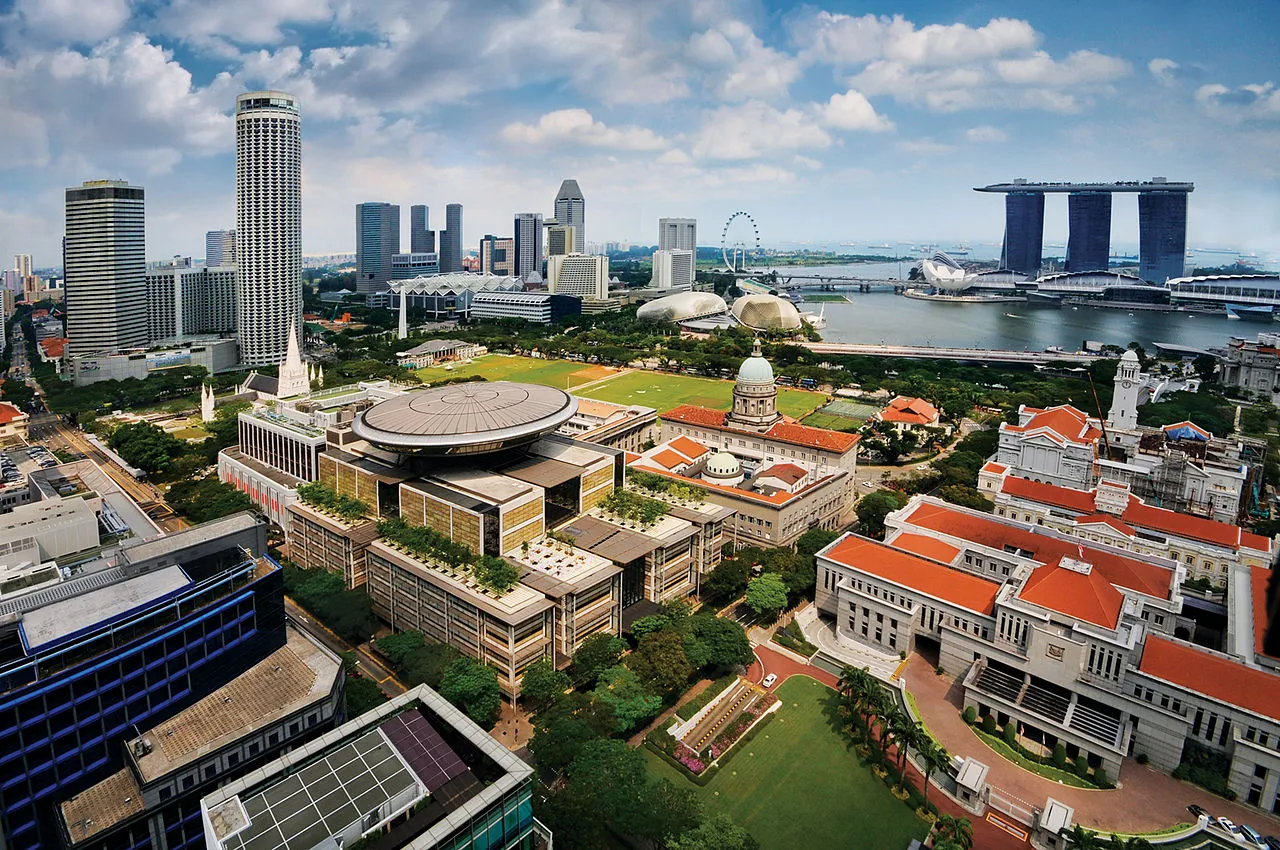
Cities today are no longer just population centers; they are engines of global influence, shaping economies, innovation, and culture at an unprecedented scale.
The latest Global Power City Index (GPCI) ranks the world’s leading cities based on six core factors: Economy, Research and Development, Cultural Interaction, Livability, Environment, and Accessibility.
This ranking reflects how effectively cities attract talent, investment, and ideas while maintaining quality of life. Below is a reverse countdown of the ten most powerful cities in the world in 2025, as reported in The Times of India.
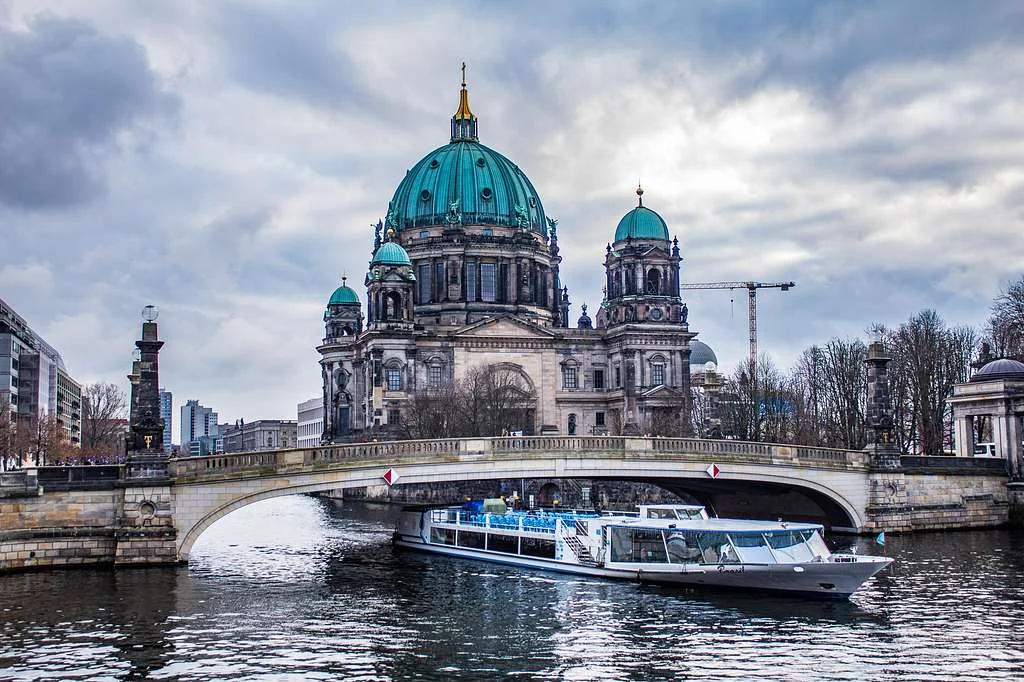
10. Berlin, Germany
Berlin secures the tenth position as one of Europe’s most dynamic and livable capitals.
The city has evolved beyond its historical identity into a thriving hub for startups, technology, and creative industries. Supported by Germany’s strong and stable economy, Berlin offers a balanced mix of affordability, cultural depth, and innovation.
Its vibrant arts scene, coupled with a growing entrepreneurial ecosystem, continues to attract young professionals and global talent. Berlin’s emphasis on sustainability and urban livability further strengthens its appeal on the global stage.
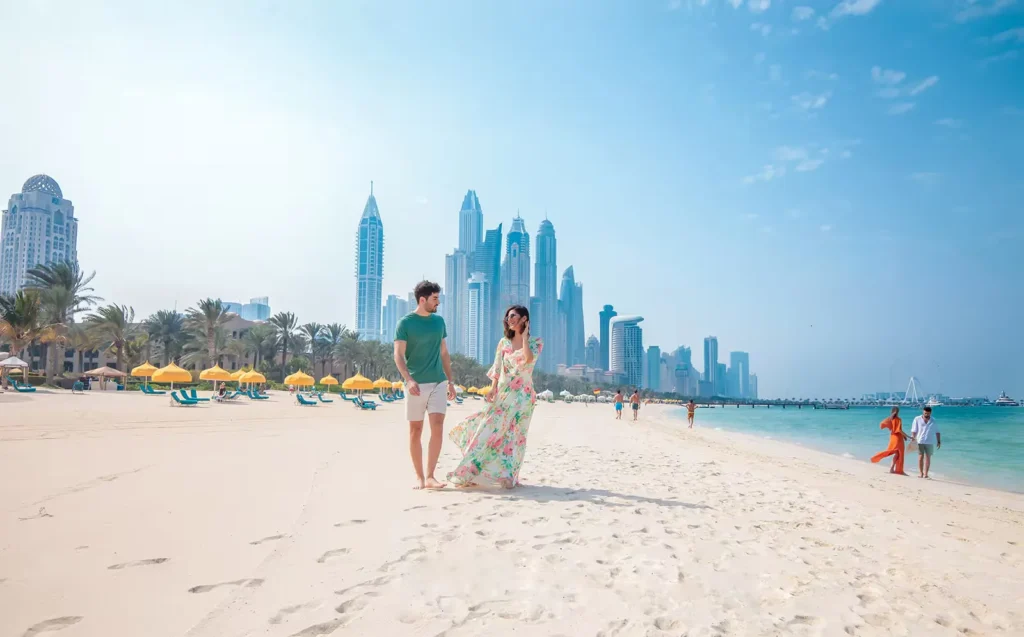
9. Dubai, United Arab Emirates
Dubai ranks ninth, reflecting its rapid transformation into a global powerhouse for business, tourism, and aviation. Strategically located between Europe, Asia, and Africa, Dubai serves as a major transit hub that connects global markets.
The city has diversified its economy beyond oil, focusing on finance, real estate, and international trade.
Its world-class infrastructure, modern skyline, and investor-friendly policies make it a preferred destination for multinational corporations and expatriates. Dubai’s ability to reinvent itself continues to drive its global influence.
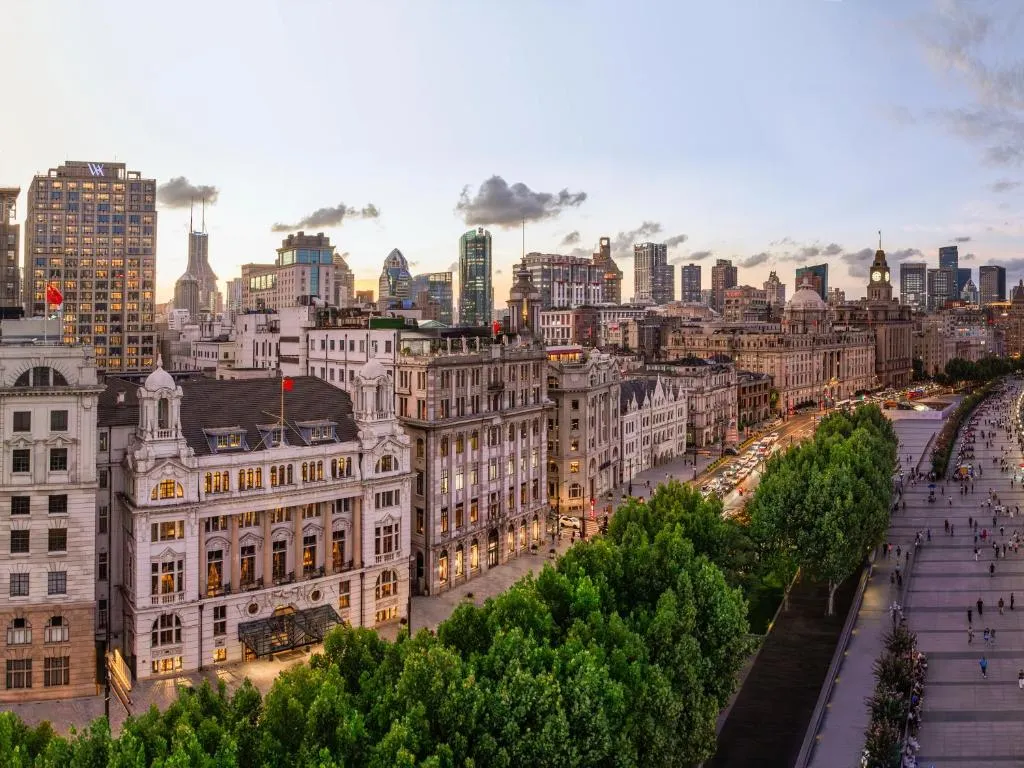
8. Shanghai, China
Shanghai holds the eighth spot as one of Asia’s most important economic centers.
As China’s financial capital and a major global port, Shanghai plays a critical role in international trade and commerce. The city’s rapid urban development and expanding skyline reflect its economic ambitions and global integration.
Shanghai is also investing heavily in innovation and technology, positioning itself as a leader in future industries. Its growing influence mirrors China’s broader role in shaping the global economy.
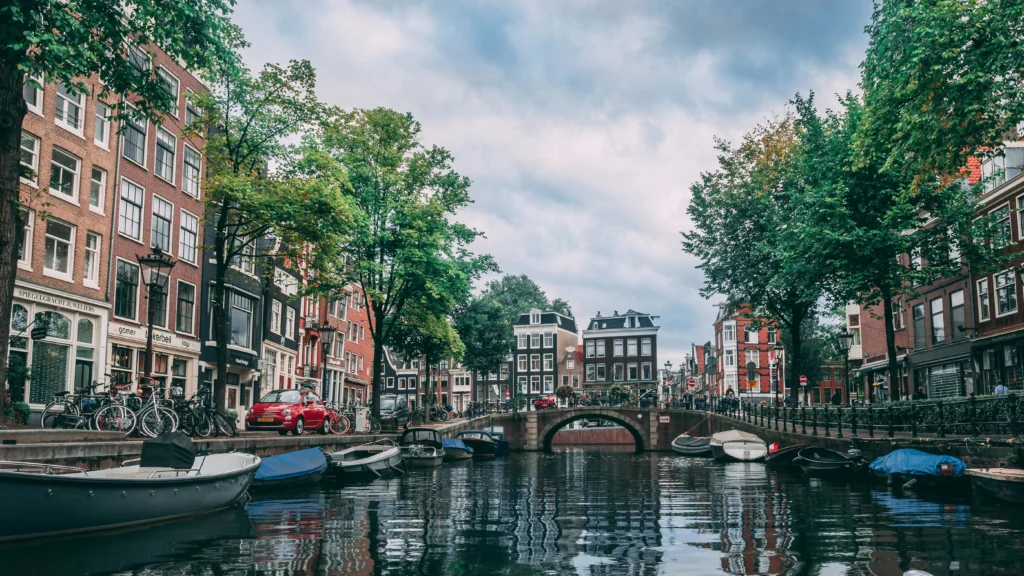
7. Amsterdam, Netherlands
Amsterdam ranks seventh, proving that smaller cities can achieve global prominence through smart planning and innovation.
Known for its sustainability initiatives and high quality of life, Amsterdam has become a hub for startups and creative industries. Its efficient transportation network and strong connectivity within Europe support trade and business growth.
The city’s unique blend of historic charm and forward-thinking policies makes it highly attractive to residents and international investors alike.
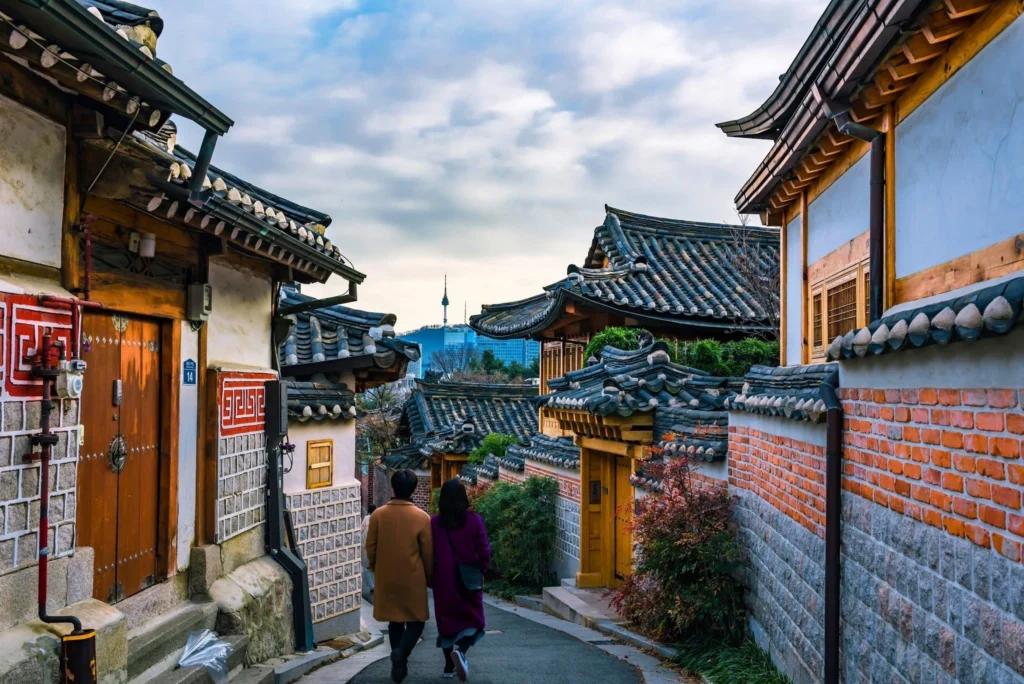
6. Seoul, South Korea
Seoul takes the sixth position as a leading center of technology and cultural influence.
Home to some of the world’s largest corporations in electronics and automotive sectors, Seoul drives innovation across multiple industries. The city has also emerged as a global cultural trendsetter through its music, film, fashion, and beauty industries.
Its advanced digital infrastructure and focus on research and development reinforce its standing as one of Asia’s most progressive capitals.
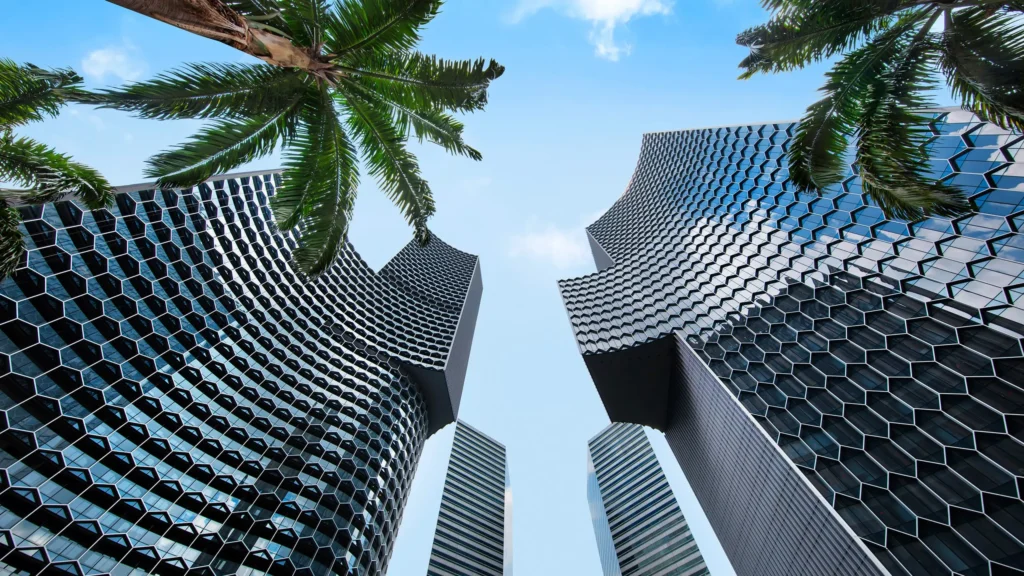
5. Singapore
Singapore ranks fifth, demonstrating how a small city-state can wield outsized global influence.
It is a major hub for finance, shipping, and aviation, supported by efficient governance and world-class infrastructure. Singapore consistently ranks among the best cities for business and quality of life, thanks to its safety, cleanliness, and strategic location in Southeast Asia.
Its forward-looking policies and global outlook make it a key player in international trade and investment.
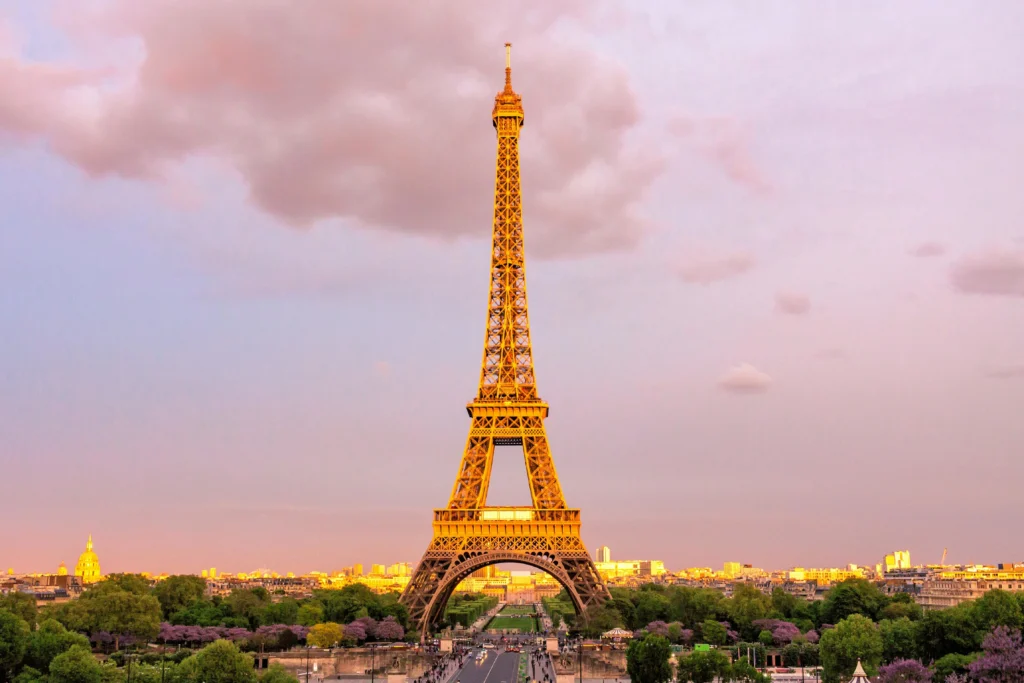
4. Paris, France
Paris secures the fourth spot, combining economic strength with unmatched cultural prestige. The city is a global leader in luxury fashion, tourism, and gastronomy, attracting millions of visitors each year.
Paris also hosts numerous multinational corporations and plays a significant role in international diplomacy. Investments in sustainable development and urban modernization continue to enhance its global competitiveness while preserving its historic identity.

3. New York City, United States
New York City ranks third, maintaining its position as one of the world’s most influential cities. It is a global financial hub anchored by Wall Street and a center for international diplomacy with the United Nations headquarters.
New York also leads in media, entertainment, fashion, and publishing, shaping global culture and trends. Its diverse population and constant reinvention allow it to remain relevant and powerful in a rapidly changing world.

2. Tokyo, Japan
Tokyo takes second place, driven by its exceptional efficiency, innovation, and quality of life. The city is known for its advanced infrastructure, reliable public transport, and high standards of safety and cleanliness.
Tokyo serves as a global hub for technology, research, and manufacturing, while also preserving its rich cultural heritage. Its ability to seamlessly integrate tradition with cutting-edge development makes it one of the most balanced global cities.
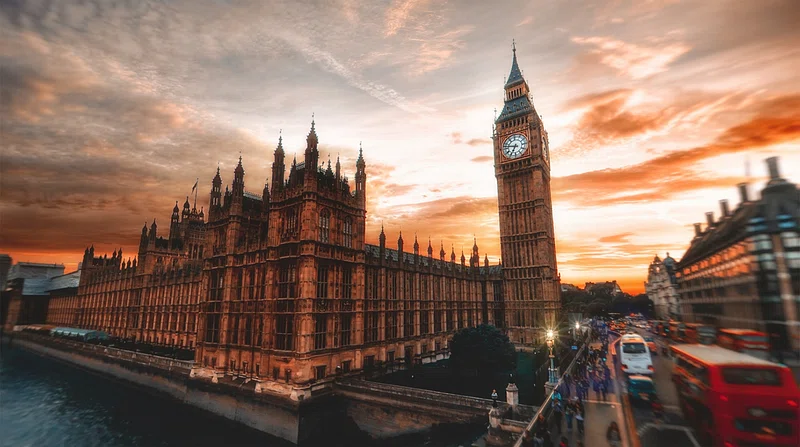
1. London, United Kingdom
London claims the top position as the most powerful city in the world in 2025. Its dominance is driven by a strong financial sector, global connectivity, and a diverse, international population.
London attracts businesses, investors, and talent from across the globe, supported by its leading universities and cultural institutions.
Despite challenges such as high living costs, the city continues to excel across all six GPCI criteria, reinforcing its status as the benchmark for global urban power.
Stay tuned with us. Further, follow us on social media for the latest updates.
Join us on Telegram Group for the Latest Aviation Updates. Subsequently, follow us on Google News
