

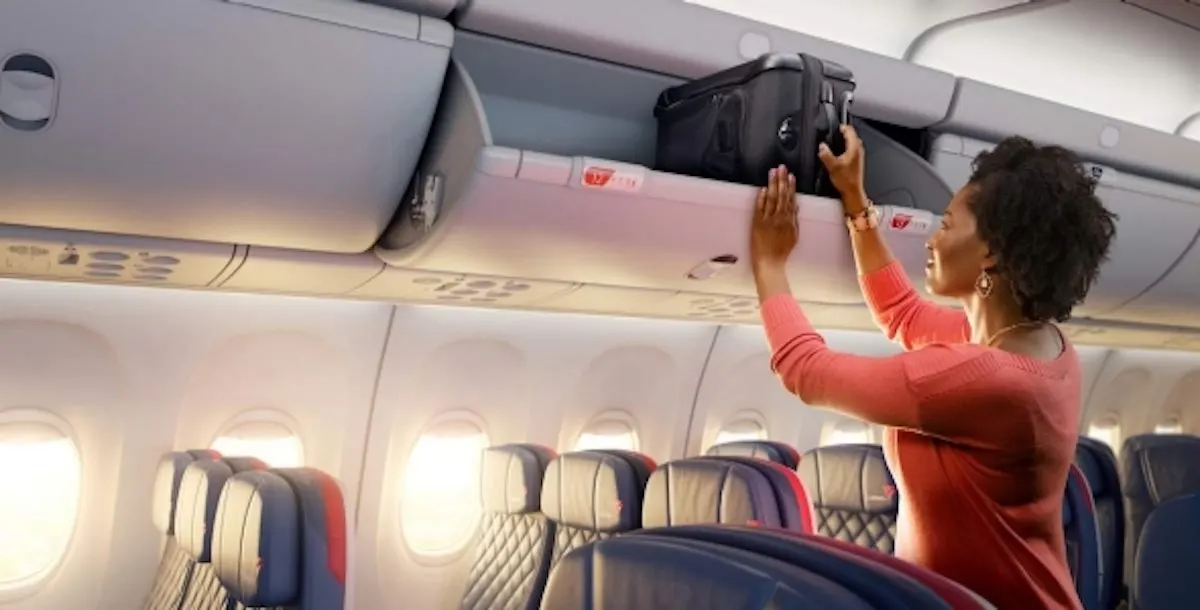
Air travel with children continues to be one of the most challenging aspects of flying for families, particularly on busy commercial routes operated by airlines. Cabin crews frequently encounter situations where young passengers struggle with discomfort, boredom, or anxiety during flights.
However, flight attendants and frequent flyers consistently highlight that simple preparation and a few in-flight strategies can significantly improve the experience.
From managing expectations before boarding to handling mood shifts inside the cabin, these practical techniques help parents keep children calm while ensuring a smoother journey for everyone onboard.
Pre-Flight Prep for Traveling with Children
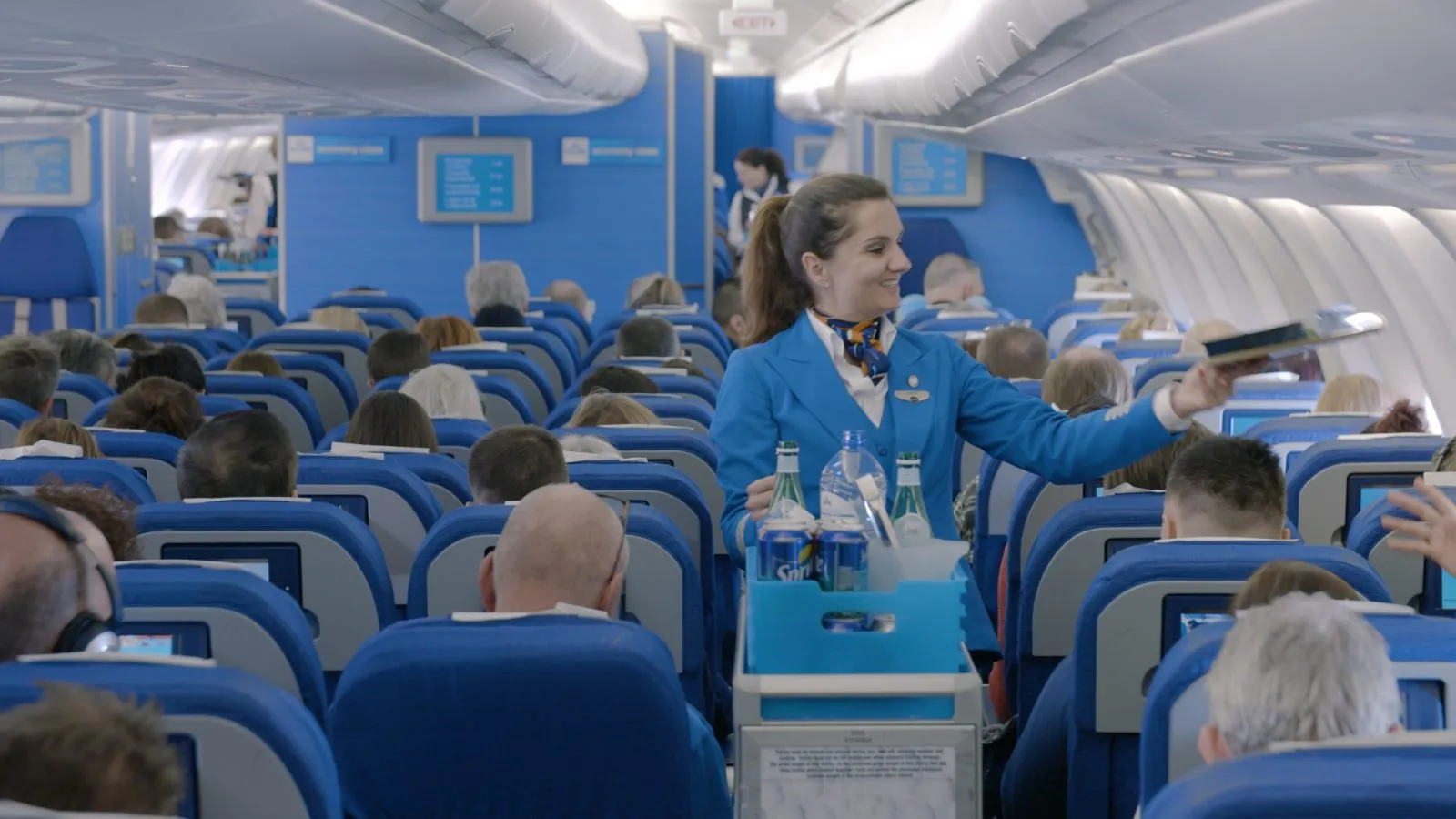
Flight attendants consistently recommend early preparation before boarding to ensure children remain calm and engaged.
Parents are encouraged to request a brief visit to the cockpit when available, as this helps children feel secure and familiar with the journey. Airlines such as American Airlines (AA) often support such requests depending on operational conditions.
Packing plays a crucial role in reducing in-flight disruptions. Experts advise carrying snacks, comfort items, and a mix of digital and non-digital entertainment to avoid boredom.
Introducing small “surprise” items during the flight can further sustain attention and reduce anxiety during turbulence or long durations.
Inflight Comfort Tips
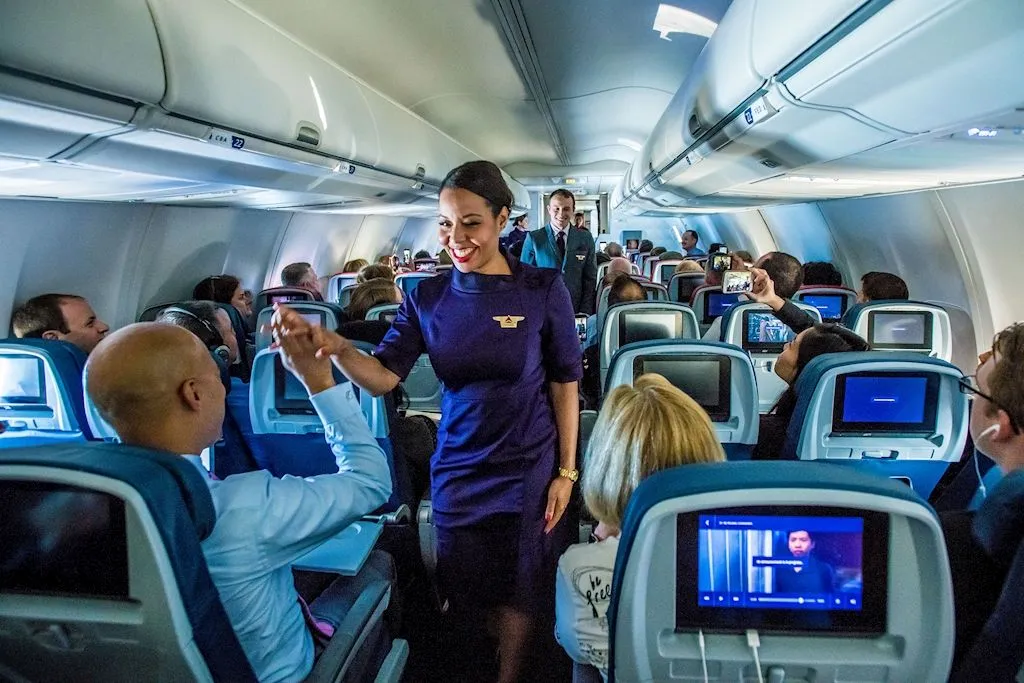
Managing discomfort during flight remains essential for maintaining a calm cabin environment. Parents often use gum, pacifiers, or drinks to help children handle ear pressure during takeoff and landing.
Choosing a window seat also provides visual distraction, which reduces restlessness and improves engagement throughout the journey.
Behavioral control also depends on parental response. Flight crew from carriers such as Southwest Airlines (WN) note that children often mirror adult emotions.
A calm and composed attitude from parents helps children adapt more easily to unfamiliar environments and reduces the escalation of distress.

Cabin Behavior Tips
Parents can manage in-flight behavior more effectively by setting expectations before boarding the aircraft.
Flight attendants recommend explaining basic rules to children in simple language so they understand what is allowed and what is not during the journey. This reduces confusion and helps children feel more secure in a new environment.
Distraction techniques also play a key role in maintaining calm behavior inside the cabin. Small activities such as coloring books, puzzles, or interactive games help redirect attention during long stretches of sitting.
Airlines encourage parents to remain patient, as consistency and calm communication often prevent emotional outbursts.
Positive reinforcement is another effective strategy used by frequent flyers. Rewarding good behavior with praise, snacks, or small surprises encourages children to stay engaged and cooperative throughout the flight.
This approach also builds long-term travel confidence in young passengers.
Airport Strategies for Family Travel
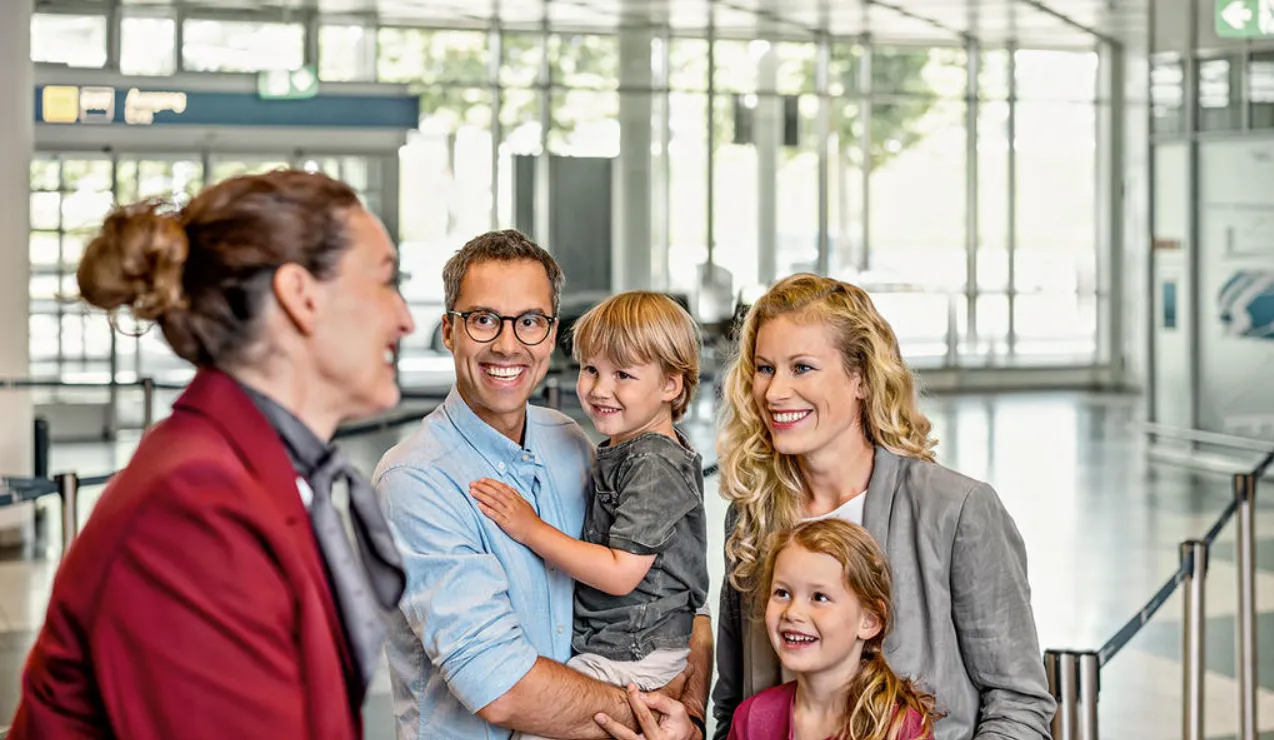
Pre-boarding activity plays a key role in ensuring smoother flight experiences for families.
Allowing children to walk, stretch, or engage in play areas before boarding helps release excess energy. This reduces the likelihood of restlessness during extended seating periods.
Airports and airlines also offer structured boarding benefits for families with young children. Airlines often permit early boarding for families, allowing extra time to settle and organize belongings.
Selecting seats in advance further enhances comfort and minimizes in-flight disruption.
Stay tuned with us. Further, follow us on social media for the latest updates.
Join us on Telegram Group for the Latest Aviation Updates. Subsequently, follow us on Google News
