

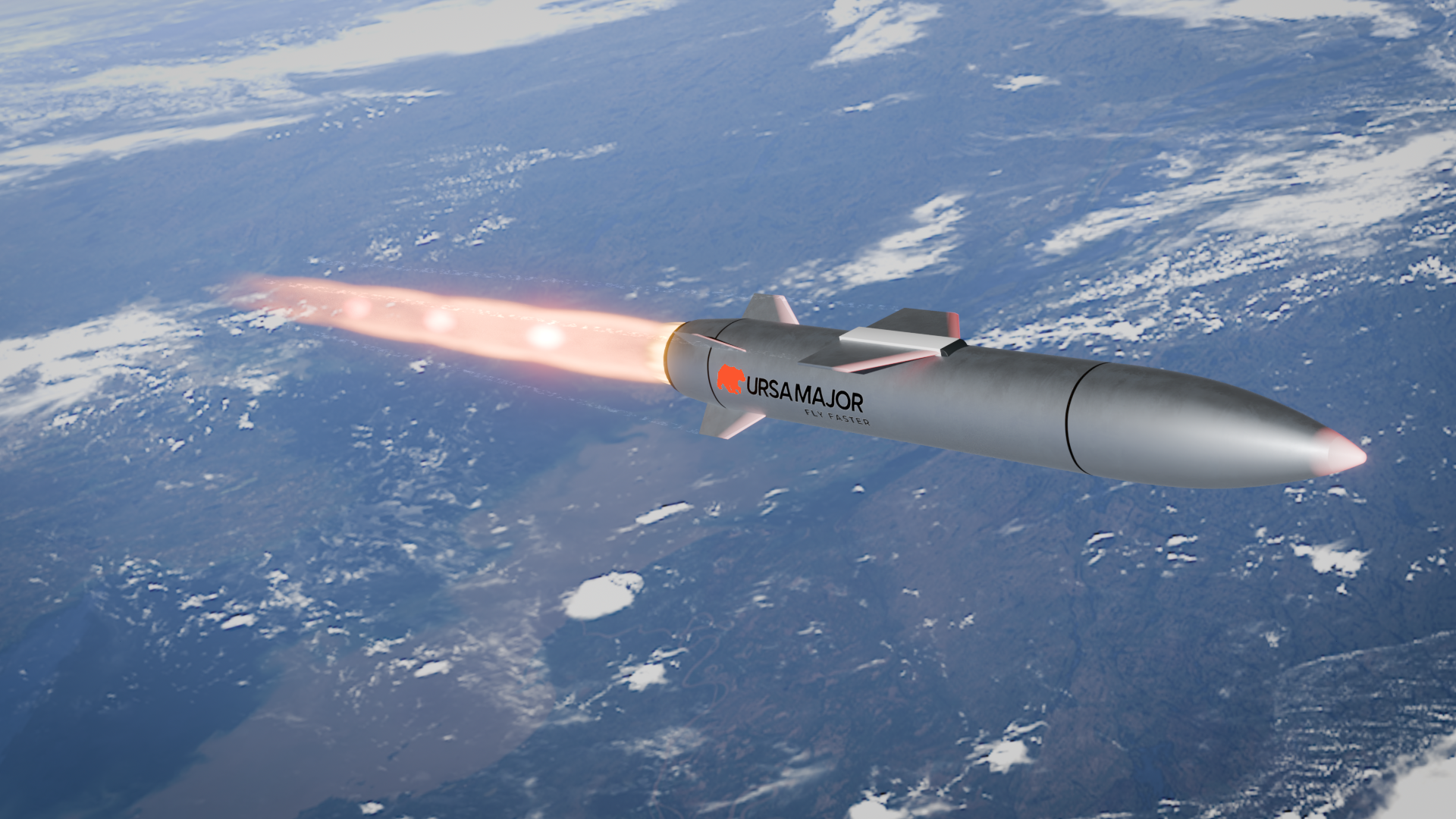
COLORADO— The United States is preparing to strengthen its hypersonic weapons portfolio with the unveiling of a new multi-platform missile system developed by Ursa Major. The company introduced the HAVOC hypersonic missile system this week, outlining plans to support deployment from fighter aircraft, bombers, and ground-based launch systems.
The announcement signals a significant shift in U.S. hypersonic strategy as the Pentagon accelerates development to match rapid advances by global competitors. Hypersonic weapons travel at speeds exceeding Mach 5 and maneuver unpredictably, making them difficult to detect and intercept with existing defense systems.
HAVOC Missile Capabilities
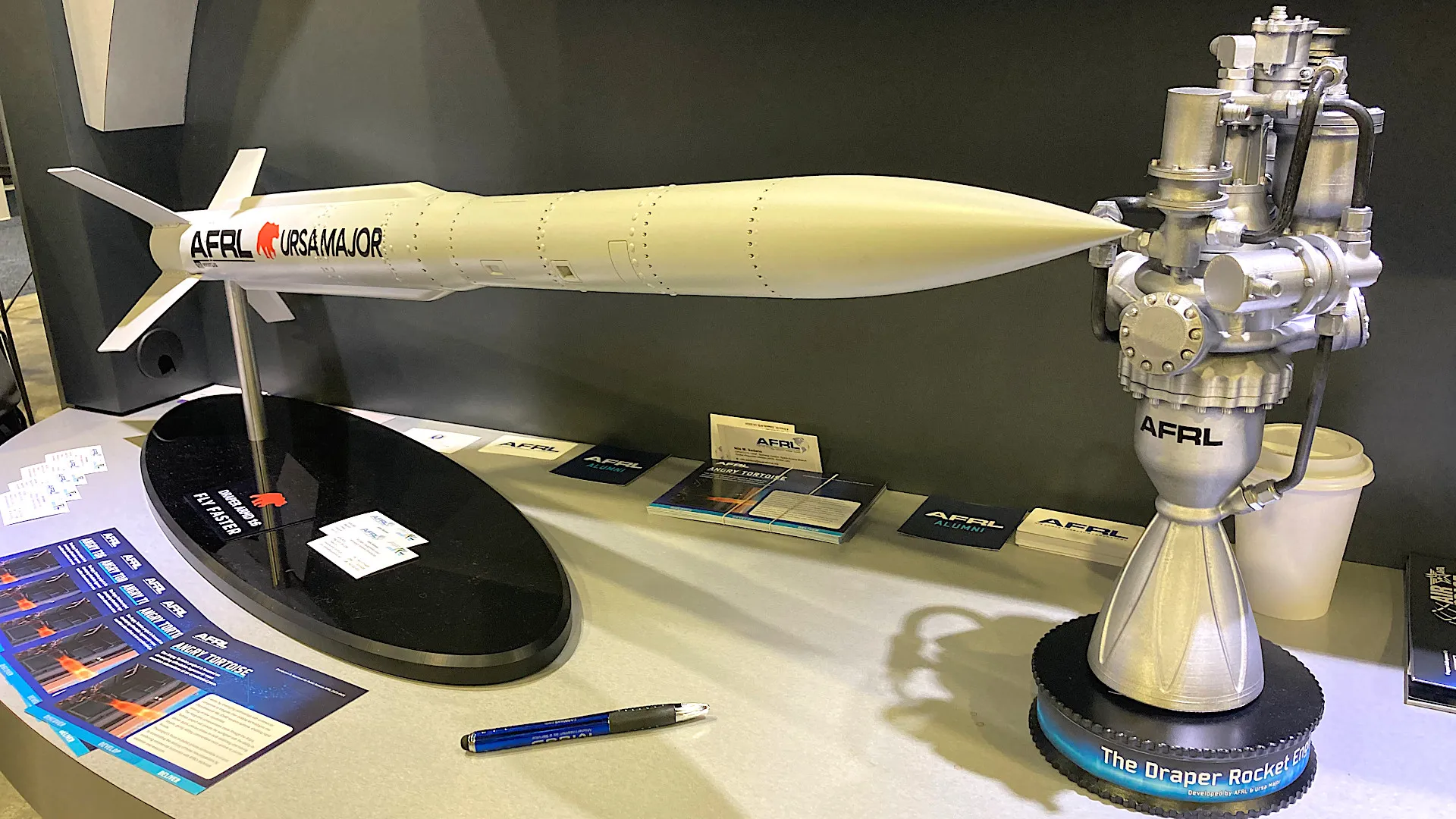
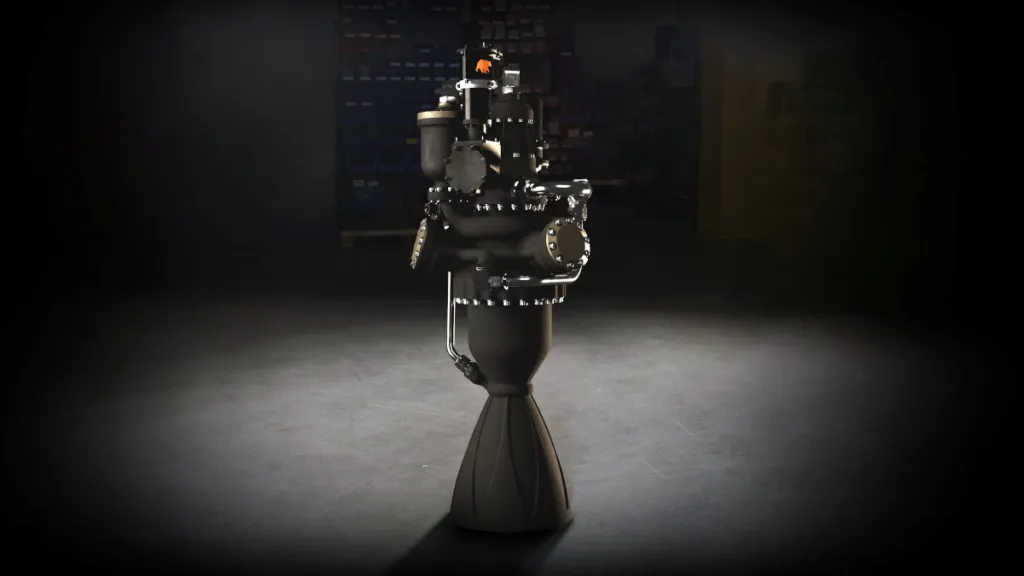
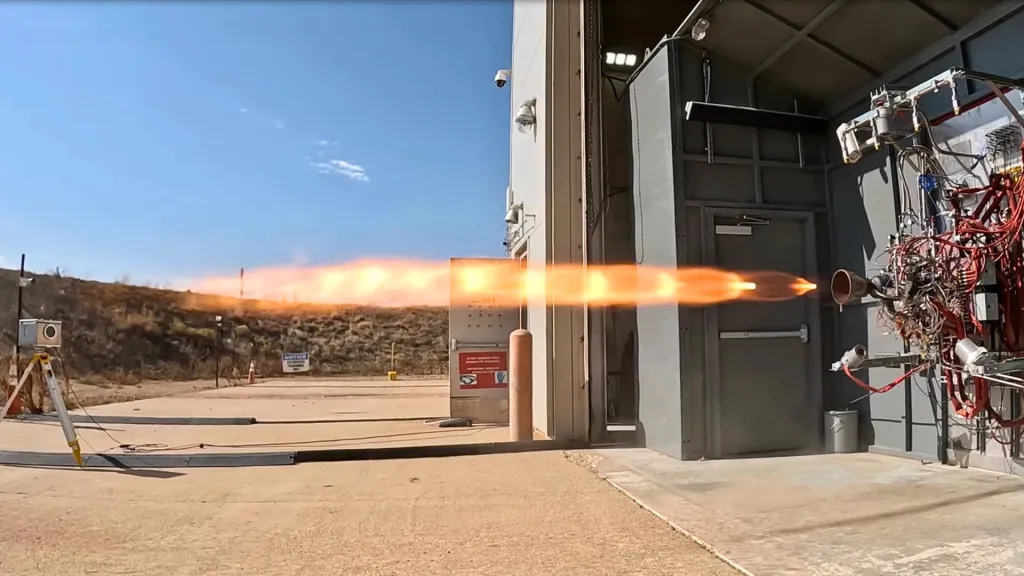
Ursa Major designed the HAVOC system around a liquid rocket engine that enables in-flight speed adjustments and improved mission flexibility.
The company confirmed that the medium-range missile can integrate with multiple launch platforms, including warplanes and vertical launch systems used by ground forces.
The system also features a modular core that allows operators to tailor payloads and propulsion configurations. According to company officials, HAVOC can operate beyond Earth’s atmosphere, expanding its potential use cases for future space-based missions.
Chief Executive Officer Chris Spagnoletti stated that the program focuses on affordability and scalable production. He emphasized that modern defense demands rapid manufacturing capacity as well as high performance.
U.S. Hypersonic Programs
The HAVOC unveiling comes as all major U.S. military branches invest heavily in hypersonic development.
The Army is advancing its Long-Range Hypersonic Weapon, the Air Force continues work on the Hypersonic Attack Cruise Missile, and the Navy is developing the Conventional Prompt Strike program.
Despite early ambitions dating back to the early 2000s, U.S. hypersonic efforts progressed slowly compared to international rivals.
Russia and China have tested and fielded multiple hypersonic systems, prompting U.S. lawmakers and defense officials to prioritize funding and accelerate timelines.
A Congressional Research Service report published last year noted that most U.S. hypersonic weapons are designed without nuclear warheads.
This distinction sets them apart from several Russian and Chinese systems that integrate nuclear payload capabilities.
Strategic Implications of Ursa Major’s HAVOC
The absence of nuclear warheads in U.S. hypersonic designs increases the need for extreme accuracy and advanced guidance systems. Analysts suggest that conventional-only payloads demand tighter targeting precision, which adds technical complexity to development programs.
China has reportedly conducted significantly more hypersonic missile tests than the United States and continues to invest in supporting infrastructure. Russia has also operationalized certain hypersonic systems, reinforcing concerns about strategic balance.
Lawmakers have debated the escalation risks associated with hypersonic weapons. Some experts warn that rapid strike capabilities and compressed decision timelines could heighten miscalculation risks during geopolitical crises.
Ursa Major’s HAVOC system aims to address both performance and production scale challenges. By focusing on modularity and adaptable propulsion, the company positions the missile as a flexible solution for evolving battlefield requirements.
Stay tuned with us. Further, follow us on social media for the latest updates.
Join us on Telegram Group for the Latest Aviation Updates. Subsequently, follow us on Google News
