


On‑time performance has become one of the most closely watched measures of airport efficiency in recent years. With airlines running tighter schedules, aircraft utilisation at record highs, and passengers far less forgiving of delays than they once were, airports now play a decisive role in keeping global aviation moving smoothly. From runway availability and air traffic control coordination to terminal layout and weather resilience, many factors quietly influence whether a flight pushes back on time or not.
The airports featured in this list stand out for consistently strong operational reliability across a large number of movements. Spanning North America, South America, Africa, Asia, and the Middle East, these hubs demonstrate that punctuality is not limited to a single region or operating model.
Some are major intercontinental gateways handling widebody traffic all day long, while others are compact, well‑organised airports that benefit from smart infrastructure and disciplined slot management.
Below is a closer look at 10 airports recognised for their strong on‑time performance, with insights into what makes each of them operationally dependable.
Best Medium Airports in the World by OTP

1. Panama City Tocumen International Airport (PTY)
Panama City’s Tocumen International Airport has quietly built a reputation as one of Latin America’s most reliable hubs. Serving as the main connection point for Central and South America, PTY benefits from a highly banked hub structure that allows flights to arrive and depart in tightly controlled waves. This helps minimise congestion while maximising connection efficiency.
The airport’s relatively stable weather patterns also play a role, with fewer seasonal disruptions compared to many Caribbean and South American airports. Ongoing terminal expansions have improved gate availability, and air traffic control coordination remains notably efficient. Together, these factors allow Tocumen to maintain strong punctuality despite handling a growing volume of international traffic.

2. Brasilia International Airport (BSB)
Brasilia International Airport is a standout performer within Brazil, particularly when compared to busier coastal airports. As the country’s political capital, Brasilia sees a steady mix of domestic and regional flights, many of which operate on tight schedules to support government and business travel.
BSB benefits from a modern terminal layout and relatively uncongested airspace. The airport’s central location also helps reduce extreme weather variability, leading to fewer delay‑inducing storms. Efficient ground handling and quick turnaround times make Brasilia one of Brazil’s most punctual large airports.

3. Johannesburg O.R. Tambo International Airport (JNB)
O.R. Tambo International Airport is Africa’s busiest airport, yet it continues to deliver impressive on‑time performance. As the primary gateway to Southern Africa, JNB handles a complex mix of long‑haul intercontinental flights and dense regional traffic.
Its success lies in strong infrastructure planning and experienced operational teams. Multiple runways reduce bottlenecks during peak periods, while advanced air traffic management systems help maintain steady flow even during high‑density operations. Despite its size, Johannesburg remains one of the continent’s most operationally dependable airports.

4. Osaka Itami International Airport (ITM)
Osaka Itami International Airport is a textbook example of Japanese operational discipline. Primarily focused on domestic flights, ITM benefits from highly structured scheduling and extremely precise ground operations. Airlines operating here are known for meticulous adherence to timetables.
Noise restrictions limit operating hours, which in turn encourages efficient slot usage and punctual departures. Weather‑related disruptions are relatively rare, and passenger processing is fast and predictable. All of this makes Itami a consistently reliable airport within Japan’s aviation network.

5. Dammam King Fahd International Airport (DMM)
Dammam’s King Fahd International Airport serves Saudi Arabia’s Eastern Province and plays an important role in regional connectivity. The airport is known for its vast land area, which reduces runway congestion and allows flexible aircraft movements.
DMM benefits from clear weather for most of the year, limiting delays caused by visibility or storms. Combined with growing investment in airport systems and staffing, this has helped Dammam maintain solid on‑time performance even as passenger numbers continue to rise.

6. Rio de Janeiro Galeao International Airport (GIG)
Rio de Janeiro Galeão International Airport has made significant operational improvements in recent years. Once known for congestion and delays, GIG has streamlined runway usage and upgraded ground handling processes to improve punctuality.
While the weather can still be a challenge at times, improved coordination between airlines and airport authorities has led to more predictable operations. The airport’s ability to manage both domestic and long‑haul international traffic more efficiently has been key to its improved on‑time record.

7. Portland International Airport (PDX)
Portland International Airport is often praised for its passenger experience, but operationally, it is just as impressive. PDX benefits from well‑planned infrastructure, cooperative airline scheduling, and a strong emphasis on efficiency.
The airport handles a balanced mix of domestic flights without the extreme congestion seen at larger US hubs. Weather disruptions are relatively manageable, and runway operations remain flexible. These factors allow Portland to consistently achieve high punctuality across thousands of annual flights.

8. Viracopos–Campinas International Airport (VCP)
Viracopos–Campinas International Airport plays a unique role in Brazil’s aviation system, particularly as a cargo and low‑cost carrier hub. Its location away from São Paulo’s urban congestion gives it a major operational advantage.
With ample runway capacity and modern facilities, VCP is able to process aircraft movements efficiently. The airport’s strong cargo presence also encourages round‑the‑clock operational discipline, contributing to reliable departure and arrival performance across both passenger and freight operations.

9. San Jose Mineta International Airport (SJC)
San Jose Mineta International Airport stands out as one of the most punctual airports in the United States, recording an on‑time performance rate of around 83.66% across nearly 100,000 flights. Serving Silicon Valley, SJC benefits from a relatively compact layout and efficient terminal design.
The airport avoids much of the congestion seen at nearby mega‑hubs, allowing smoother taxi times and faster turnarounds. Strong coordination with airlines and stable weather conditions further support its reputation as a highly reliable airport for both business and leisure travellers.
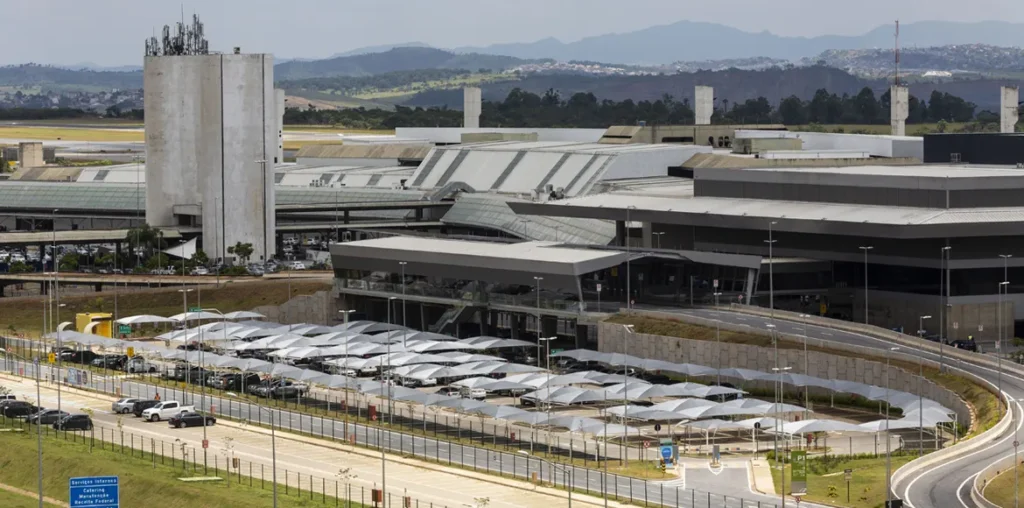
10. Belo Horizonte International Airport (CNF)
Belo Horizonte International Airport, also known as Confins, has emerged as a strong performer within Brazil’s aviation landscape. The airport has invested heavily in modernisation, improving runway systems, passenger flow, and apron management.
Its location away from dense urban areas helps reduce airspace congestion, while improved airline coordination has led to more consistent departure times. As a result, CNF continues to strengthen its position as one of Brazil’s more punctual major airports.
Bottom Line
These ten airports demonstrate that strong on‑time performance is the result of careful planning, disciplined operations, and sustained investment rather than sheer size or prestige. Whether serving as major international gateways or efficient regional hubs, each airport on this list has found ways to minimise delays and keep flights moving on schedule.
For passengers, this translates into smoother journeys and fewer missed connections. For airlines, it means better fleet utilisation and improved customer satisfaction. As global air travel continues to grow, the operational lessons from these high‑performing airports will only become more valuable.
FAQs
On‑time performance measures how often flights arrive or depart within a defined time window, usually within 15 minutes of the scheduled time. It is a key indicator of operational reliability.
Smaller or less congested airports often benefit from simpler operations, fewer runway conflicts, and faster ground handling, all of which can improve punctuality.
Yes, weather is one of the biggest external factors affecting on‑time performance. Airports in regions with stable weather patterns generally experience fewer delays.
Stay tuned with us. Further, follow us on social media for the latest updates.
Join us on Telegram Group for the Latest Aviation Updates. Subsequently, follow us on Google News
