

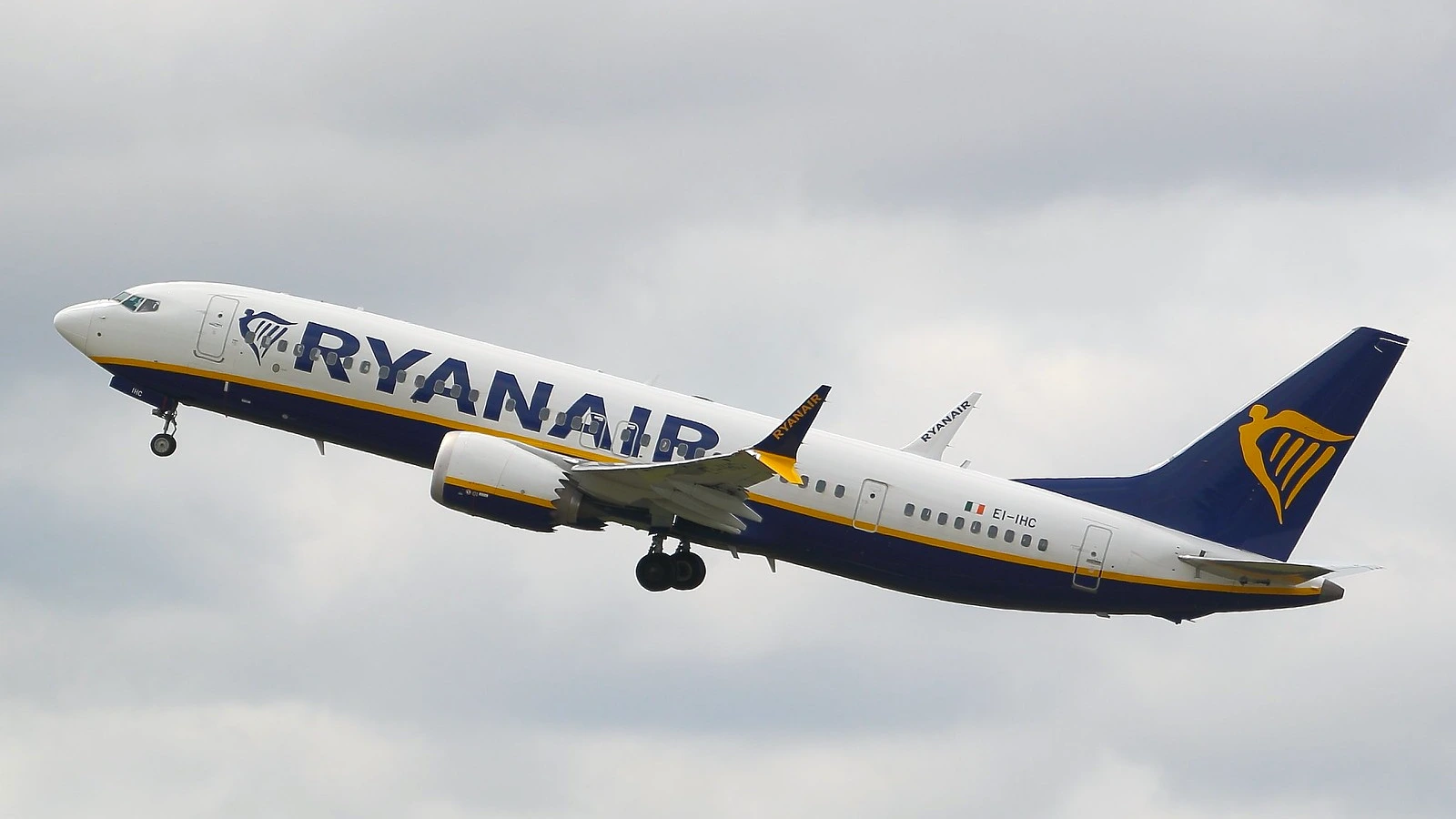
DUBLIN— Ryanair (FR) has publicly ruled out adopting Starlink-powered in-flight Wi-Fi, triggering a swift and pointed response from SpaceX’s satellite internet unit and its owner, Elon Musk. The exchange unfolded after comments by Ryanair chief executive Michael O’Leary questioned the fuel efficiency of installing the system on the airline’s narrowbody fleet.
Speaking in Dublin, O’Leary said the low-cost carrier would not introduce onboard connectivity because the additional antenna hardware would impose a fuel penalty of around 2 percent. The remarks drew immediate pushback from Starlink executives, who rejected the claim and argued that the performance impact is materially lower on aircraft such as the Boeing 737-800.
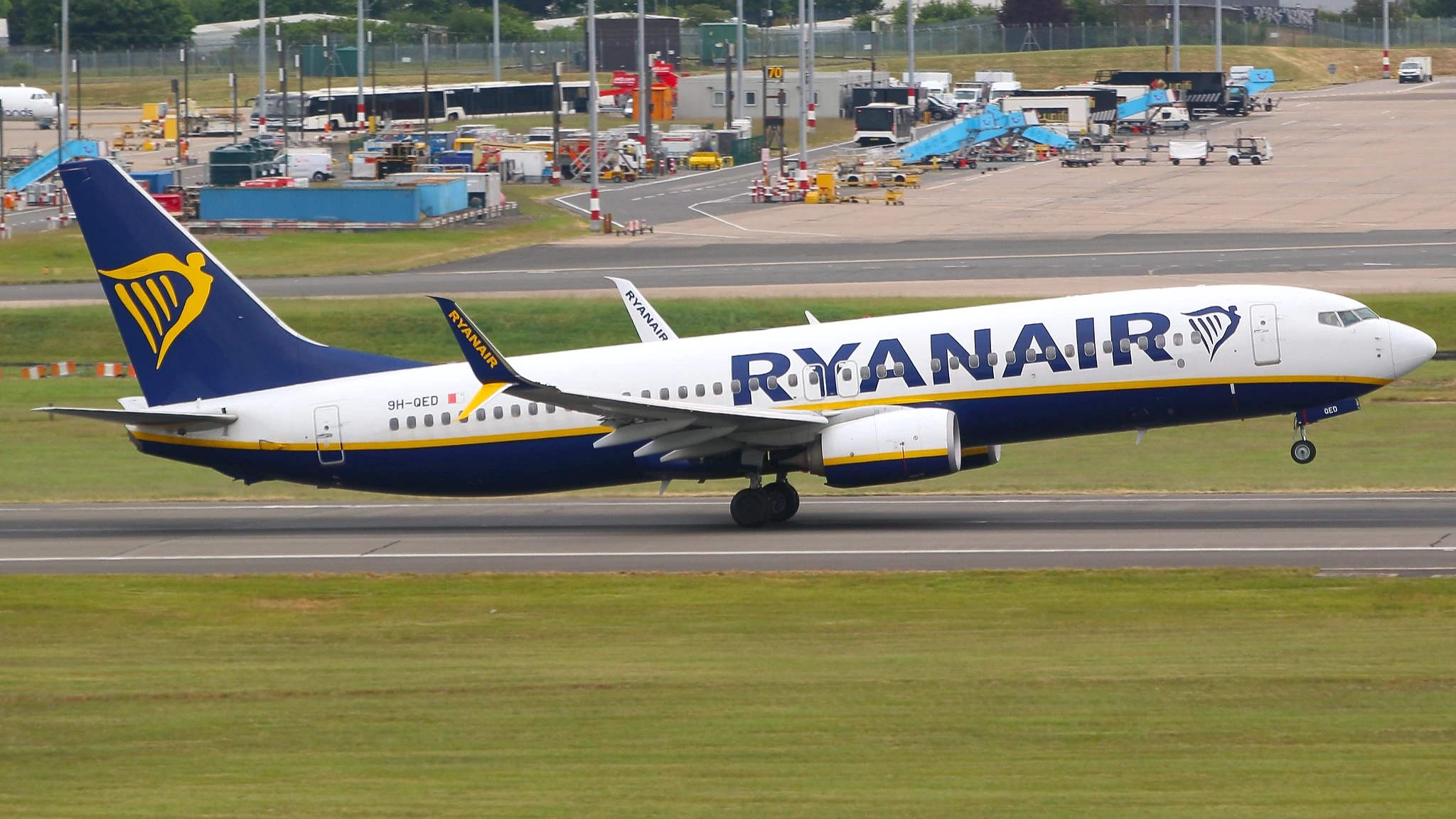
Ryanair Wi-Fi Decision
Ryanair operates one of Europe’s largest single-type fleets and has long avoided in-flight Wi-Fi, citing cost discipline and limited passenger demand on short sectors. That stance now puts the airline at odds with a fast-growing list of European operators embracing satellite-based connectivity.
Ryanair’s leadership has consistently argued that Wi-Fi offers limited value on flights averaging around one hour. O’Leary maintained that adding antennas increases weight and drag, thereby undermining the airline’s cost-based and efficiency-focused model.
The airline’s assessment suggests that passengers are unwilling to absorb higher fares to offset the added fuel burn. Ryanair has instead prioritized rapid turnarounds and high aircraft utilization, keeping ancillary complexity to a minimum.
Those comments effectively closed the door on near-term connectivity upgrades, even as competitors move toward free, high-speed internet as a standard feature rather than a premium extra.

Starlink Response
Starlink executives quickly disputed the 2 percent figure, stating that it applies to older, bulkier systems rather than their low-profile terminal.
According to Starlink’s vice president of engineering, internal analysis indicates a fuel impact of roughly 0.3 percent on a 737-800, which typically burns about 800 gallons of fuel per hour, reported PYOK.
Elon Musk reinforced that position, saying the Ryanair chief executive had been misinformed. Musk added that the incremental drag is effectively negligible during key phases of flight, particularly on short sectors where climb performance dominates fuel consumption.
Starlink further argued that, compared with legacy connectivity solutions, its system can deliver efficiency gains due to reduced drag and faster installation timelines.
European Airline Adoption
Across Europe, Starlink adoption is accelerating among both full-service and low-cost brands. Air France has already begun installations, while International Airlines Group has selected Starlink for a group-wide rollout that includes Aer Lingus, British Airways, Iberia, Vueling, and LEVEL.
The Lufthansa Group has also committed to deploying the system across all of its airlines, including Eurowings and Discover Airways. SAS has joined the list, with its rollout set to begin in late 2025.
This momentum raises questions about whether fare-sensitive passengers will continue to prioritize price alone as fast and free Wi-Fi becomes increasingly common across short- and medium-haul networks.
Bottom Line
Ryanair’s public clash with Starlink highlights a growing divide in European aviation between ultra-low-cost discipline and rising passenger expectations.
While Starlink disputes the claimed fuel penalty with detailed performance data, Ryanair remains unconvinced that connectivity aligns with its business model.
As competitors normalize free, high-speed Wi-Fi, the airline’s resistance may face increasing pressure from the market rather than from technology providers.
Stay tuned with us. Further, follow us on social media for the latest updates.
Join us on Telegram Group for the Latest Aviation Updates. Subsequently, follow us on Google News
