

There’s something irresistibly compelling about the world’s great cities—their density, energy, contradictions, and cultural layers compressed into a few square miles. Each year, global travel patterns reveal which urban destinations exert the strongest pull-on international travelers, and in 2025, one Asian metropolis has once again claimed the crown.
According to Euromonitor International’s Top 100 City Destinations Index 2025, Bangkok emerged as the most visited city on the planet, welcoming an estimated 30 million international arrivals.
The rankings assess cities across more than 50 indicators spanning economic performance, tourism infrastructure, policy, sustainability, health and safety, and overall appeal. The result is not just a popularity contest, but a snapshot of how cities compete—and adapt—in an era where travelers increasingly value affordability, connectivity, and meaningful experiences.
Below is a closer look at the top 10 most visited cities in the world in 2025, each with its own unique formula for global appeal.
1. Bangkok, Thailand
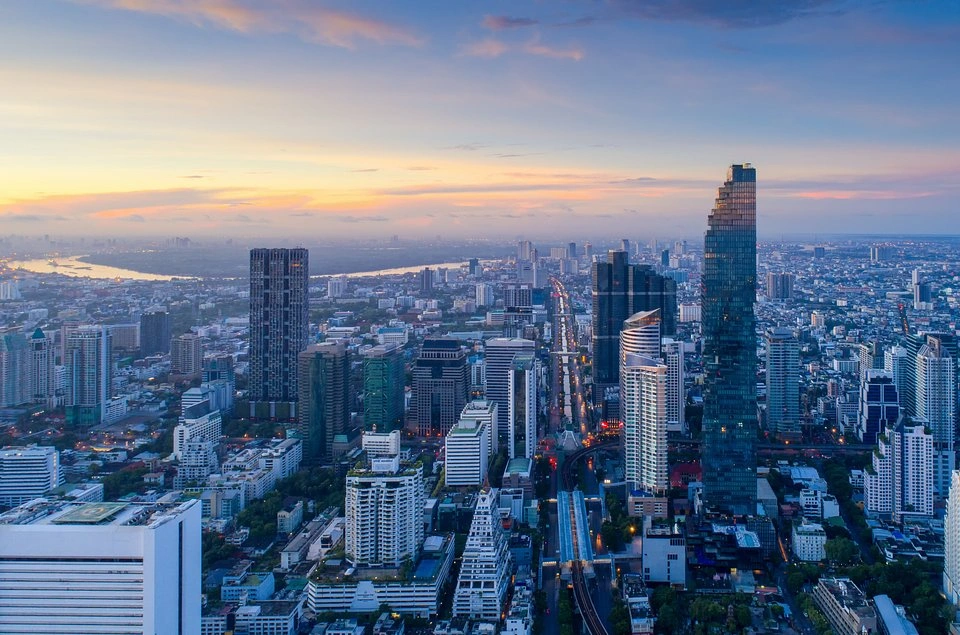
Bangkok’s return to the top spot underscores its role as both a global gateway and a destination in its own right. As the primary entry point to Thailand—one of the world’s most visited countries—the city benefits from exceptional air connectivity, competitive pricing, and a tourism ecosystem built to handle massive volumes without losing its soul.
Beyond numbers, Bangkok has evolved into a long-stay hub for digital nomads and entrepreneurs, supported by modern infrastructure and a fast-growing tech scene.
The city’s cultural density is unmatched: ancient temples stand beside megamalls, floating markets coexist with Michelin-starred street food, and luxury hotels continue to redefine urban hospitality. New openings, including high-end resorts like Aman Nai Lert Bangkok, have further elevated the city’s global profile.
Why travelers flock to Bangkok:
- World-class street food and dining at all price points
- Extensive public transport (BTS, MRT, river ferries)
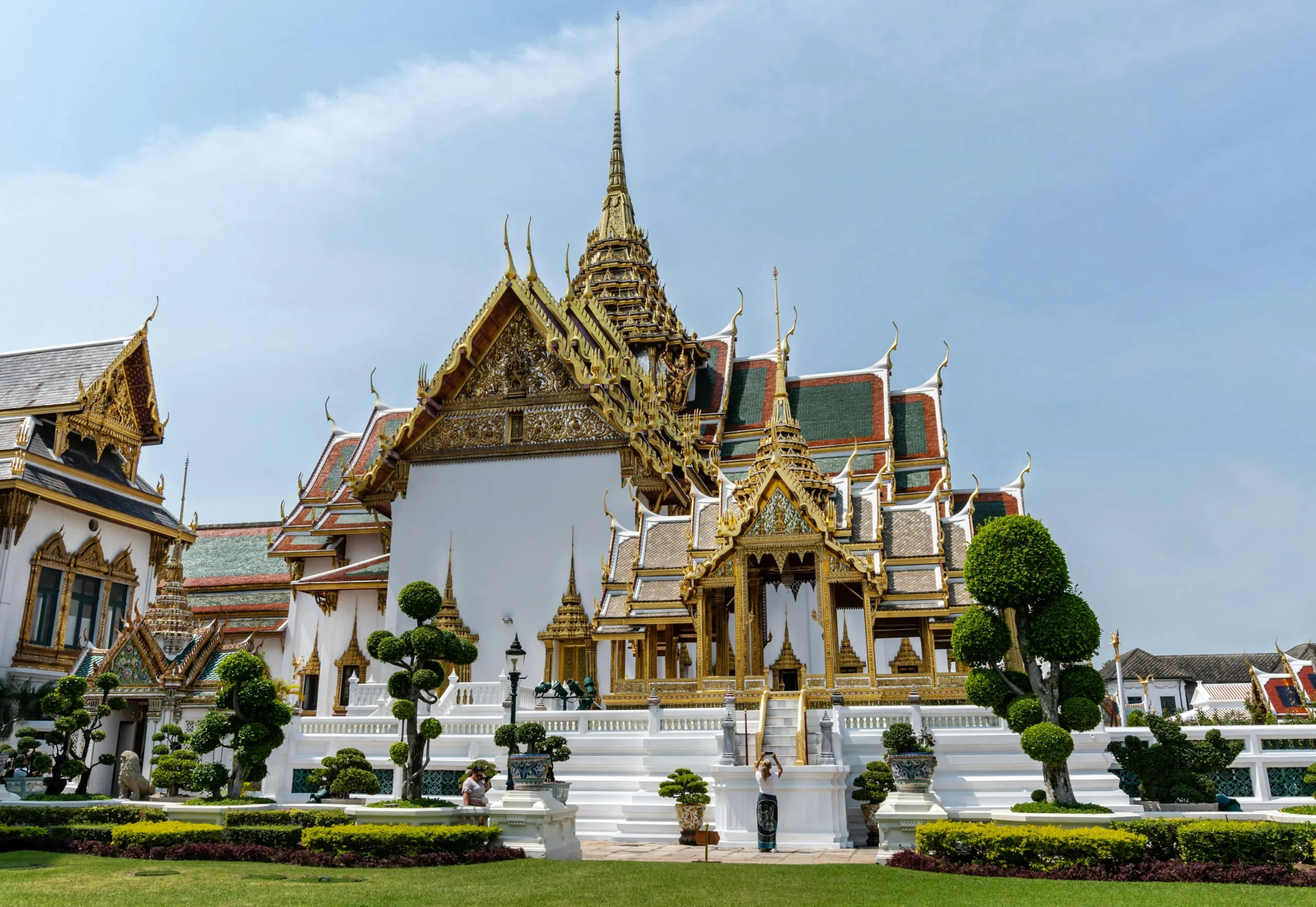
- Iconic landmarks like the Grand Palace and Wat Arun
- Strong value-for-money appeal for long stays
2. Hong Kong, China
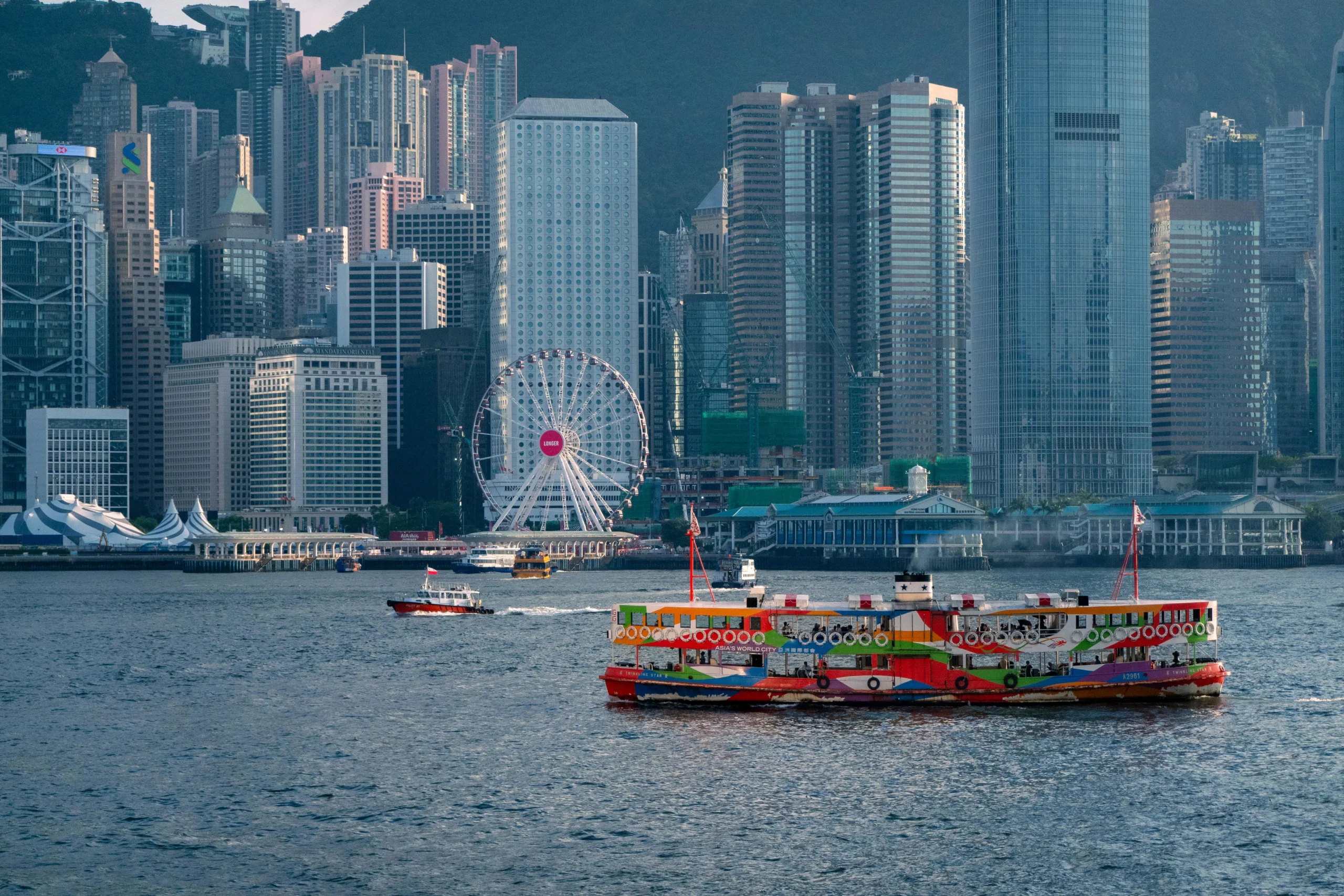
Hong Kong remains one of the world’s most efficient and internationally connected cities. Its appeal lies in the seamless blend of global finance, Asian culture, and dramatic geography.
Despite regional competition, Hong Kong continues to draw travelers with its skyline, culinary depth, and role as a gateway to Greater China.
Tourism has rebounded steadily, supported by major events, exhibitions, and its reputation as a safe, highly organized destination for both leisure and business travelers.
Key highlights:
- One of the world’s busiest international airports
- Renowned food scene, from dim sum to fine dining
- Shopping districts like Causeway Bay and Tsim Sha Tsui
- Easy access to hiking trails and outlying islands
3. London, United Kingdom
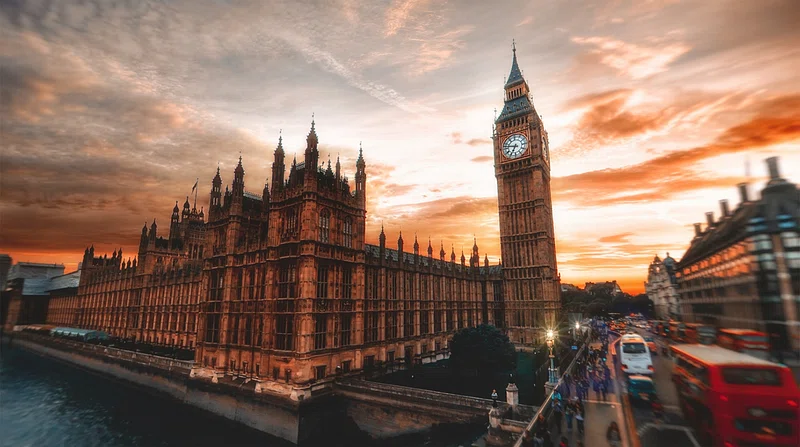
London’s enduring appeal lies in its ability to reinvent itself while preserving its historical gravitas. In 2025, the British capital continues to attract visitors for culture, education, business, and entertainment, functioning as a global crossroads rather than a purely leisure destination.
With its museums, theaters, royal landmarks, and diverse neighborhoods, London benefits from repeat visitation and long average stays.
What makes London a perennial favorite:
- Free world-class museums and galleries
- Global financial and business hub status
- Extensive public transport and rail connections
- Cultural diversity across food, music, and art
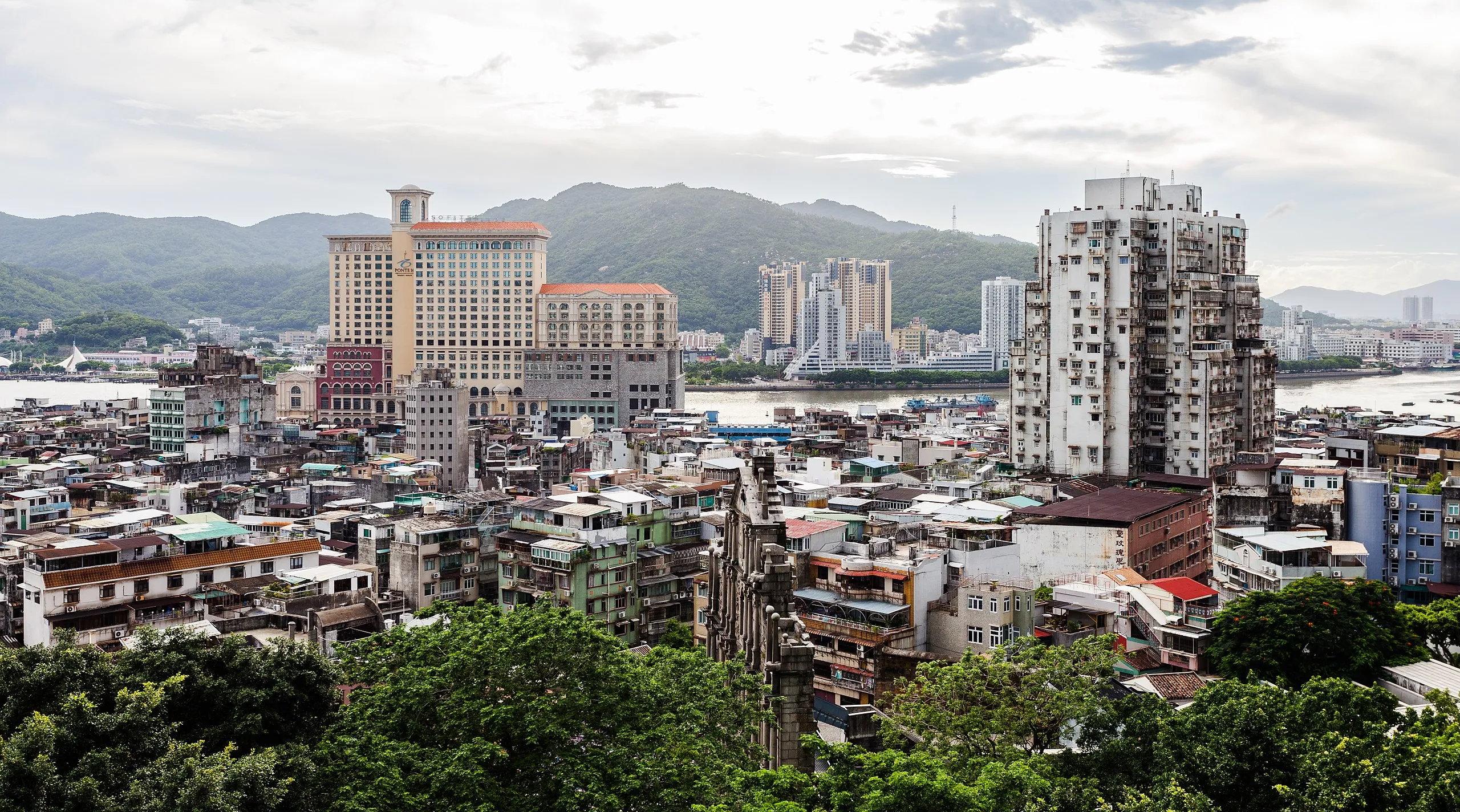
4. Macau, China
Often described as the “Las Vegas of Asia,” Macau punches well above its size in visitor numbers. While gaming remains central to its tourism economy, the city has broadened its appeal with entertainment, conventions, and cultural tourism tied to its Portuguese heritage.
Macau’s proximity to Hong Kong and mainland China makes it a natural extension for regional travelers.
Macau’s visitor draw:
- Integrated casino-resort complexes
- UNESCO-listed historic center
- Major concerts, shows, and sporting events
- Easy ferry and bridge access from Hong Kong
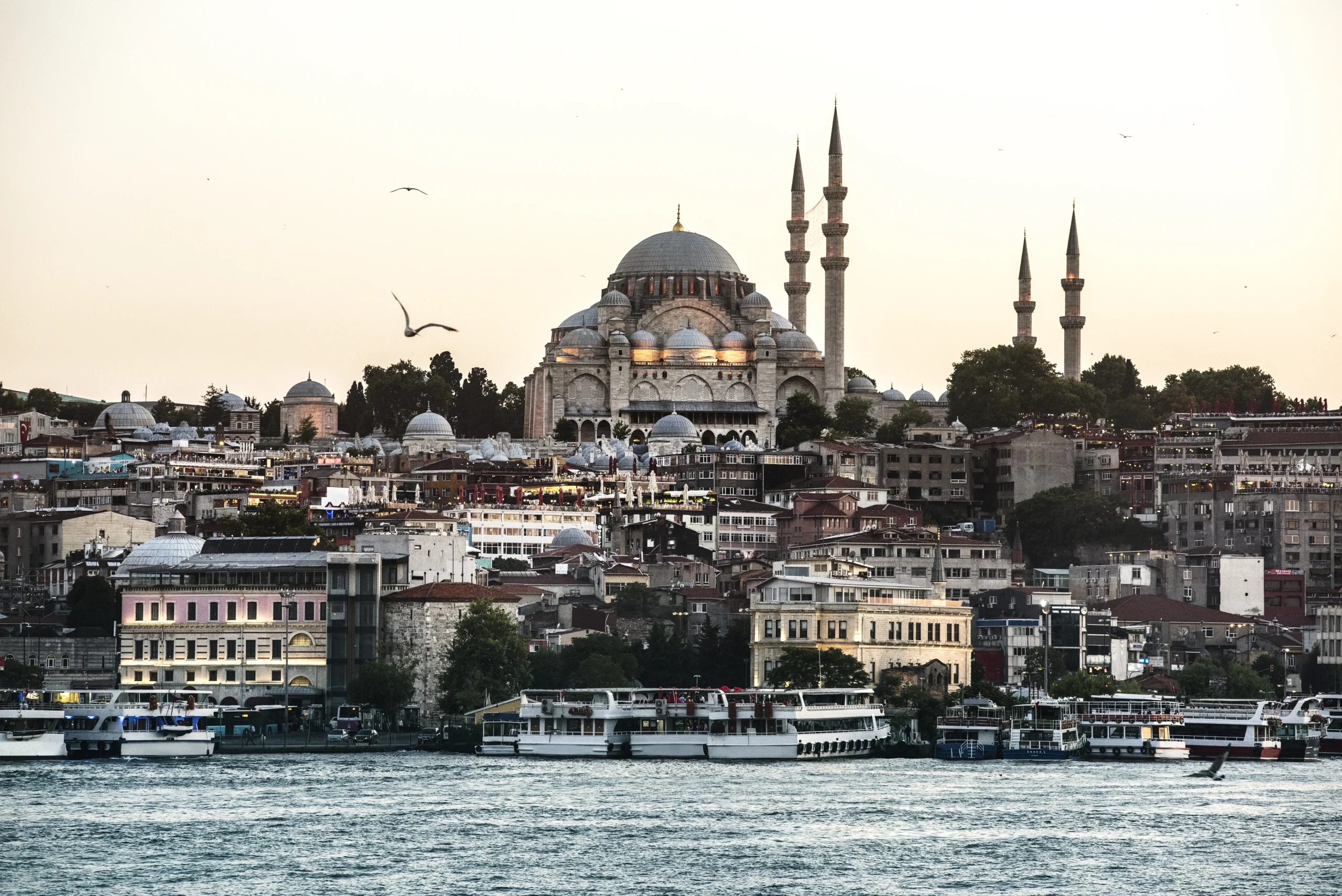
5. Istanbul, Turkey
Straddling Europe and Asia, Istanbul offers something few cities can: a literal meeting point of civilizations.
Its rich history, affordability, and expanding aviation network—anchored by Istanbul Airport—have made it one of the fastest-growing tourism hubs globally.
The city appeals equally to history enthusiasts, culinary travelers, and transit passengers, extending stopovers into full visits.
Reasons Istanbul ranks high:
- Iconic landmarks like Hagia Sophia and the Blue Mosque
- Vibrant bazaars and waterfront neighborhoods
- Competitive prices compared to Western Europe
- Strategic global airline connectivity
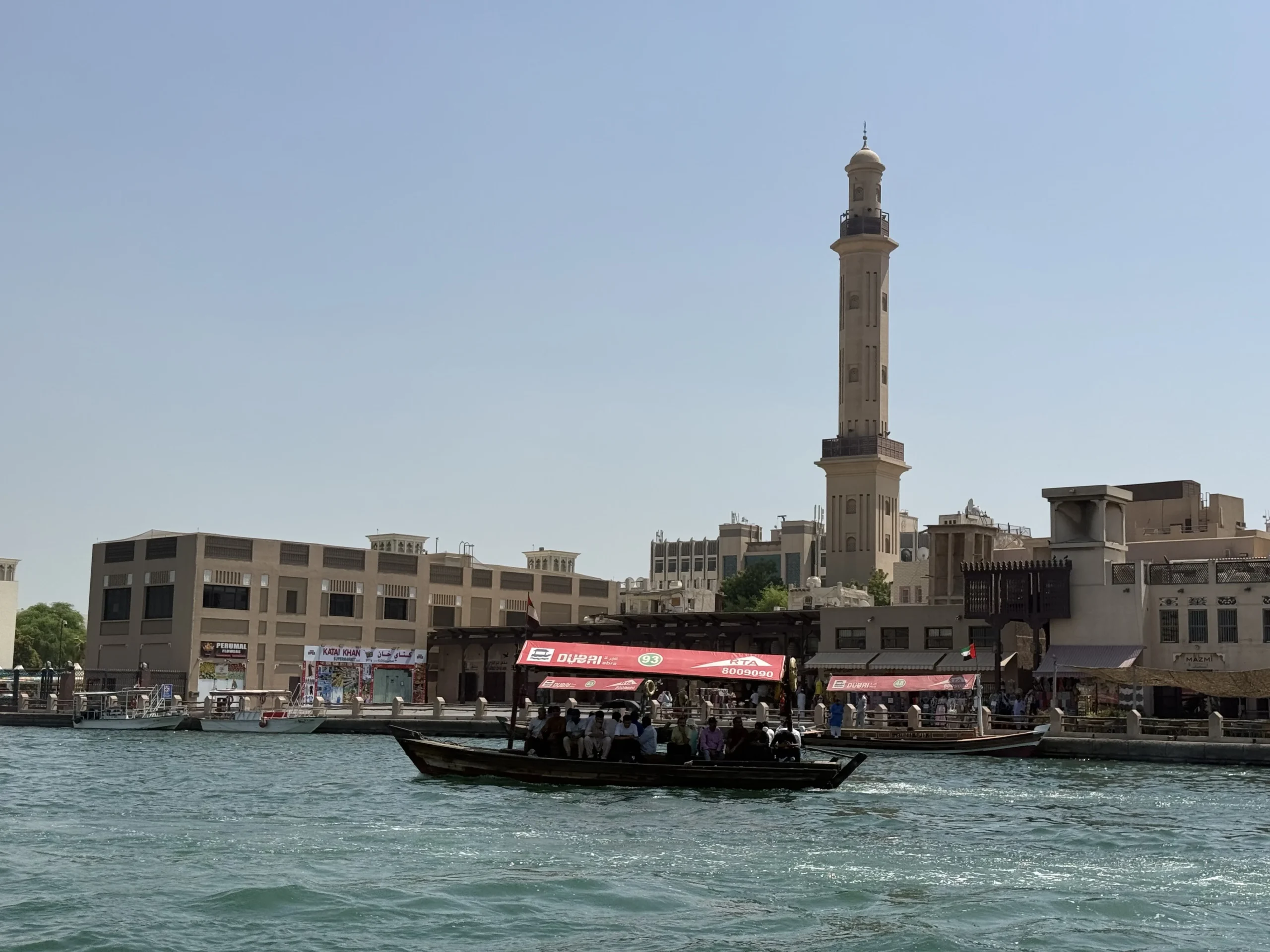
6. Dubai, United Arab Emirates
Dubai’s rise as a tourism powerhouse is built on ambition, scale, and consistency. The city excels at delivering frictionless travel experiences, supported by world-leading aviation infrastructure and a relentless focus on service quality.
From luxury shopping to desert adventures, Dubai has positioned itself as a destination where spectacle meets efficiency.
Dubai’s strengths:
- One of the world’s busiest international airports
- High-end hotels and shopping malls
- Strong safety and cleanliness reputation
- Year-round events and exhibitions
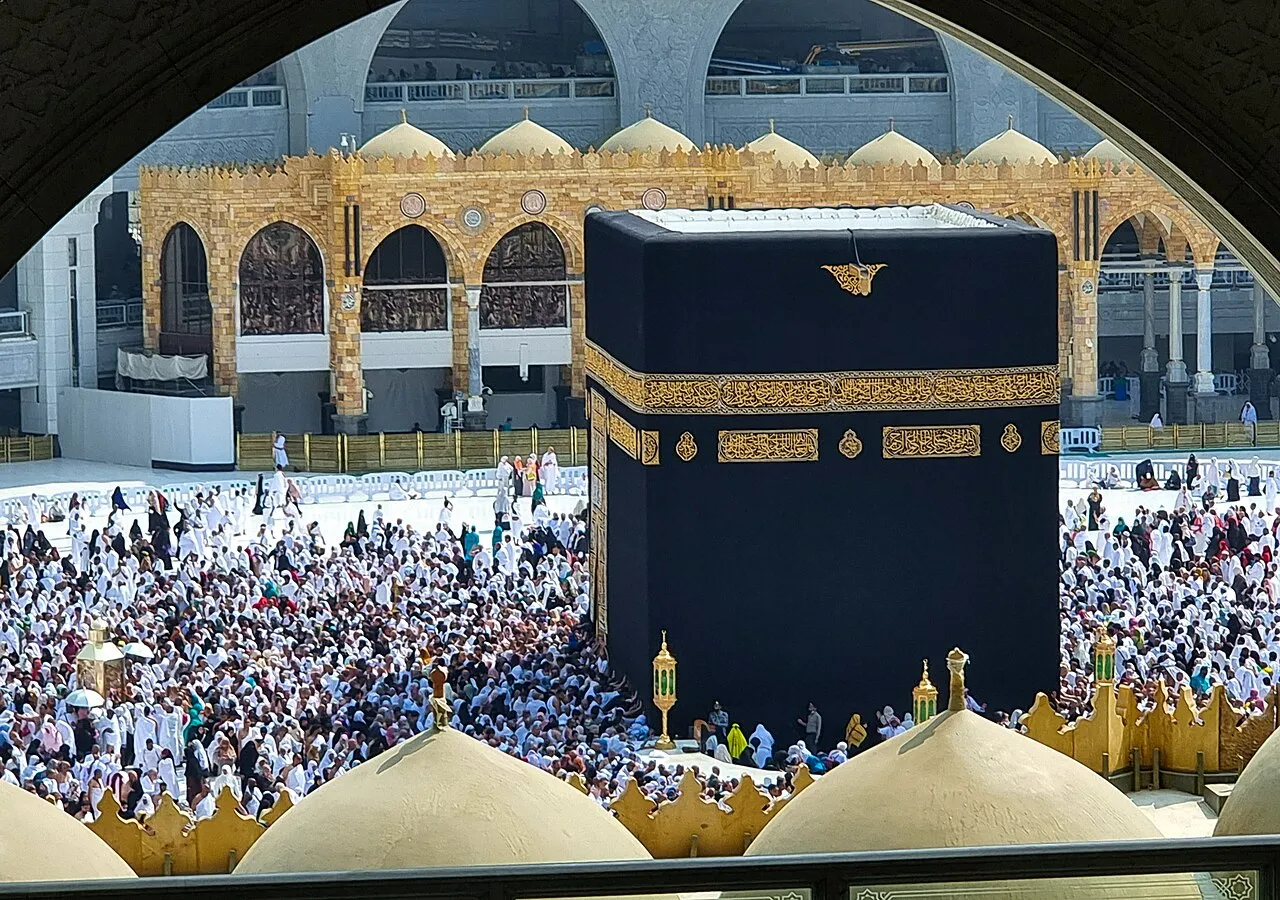
7. Mecca, Saudi Arabia
Mecca’s presence on the list is unique, driven almost entirely by religious tourism. As Islam’s holiest city, it welcomes millions of pilgrims annually for Hajj and Umrah, making it one of the most visited cities globally despite access restrictions.
Massive investments in infrastructure have improved capacity, safety, and accommodation for pilgrims.
What defines Mecca’s tourism:
- Central role in Islamic pilgrimage
- Purpose-built transport and lodging infrastructure
- Government-led capacity expansion projects
- Predictable, recurring visitor flows
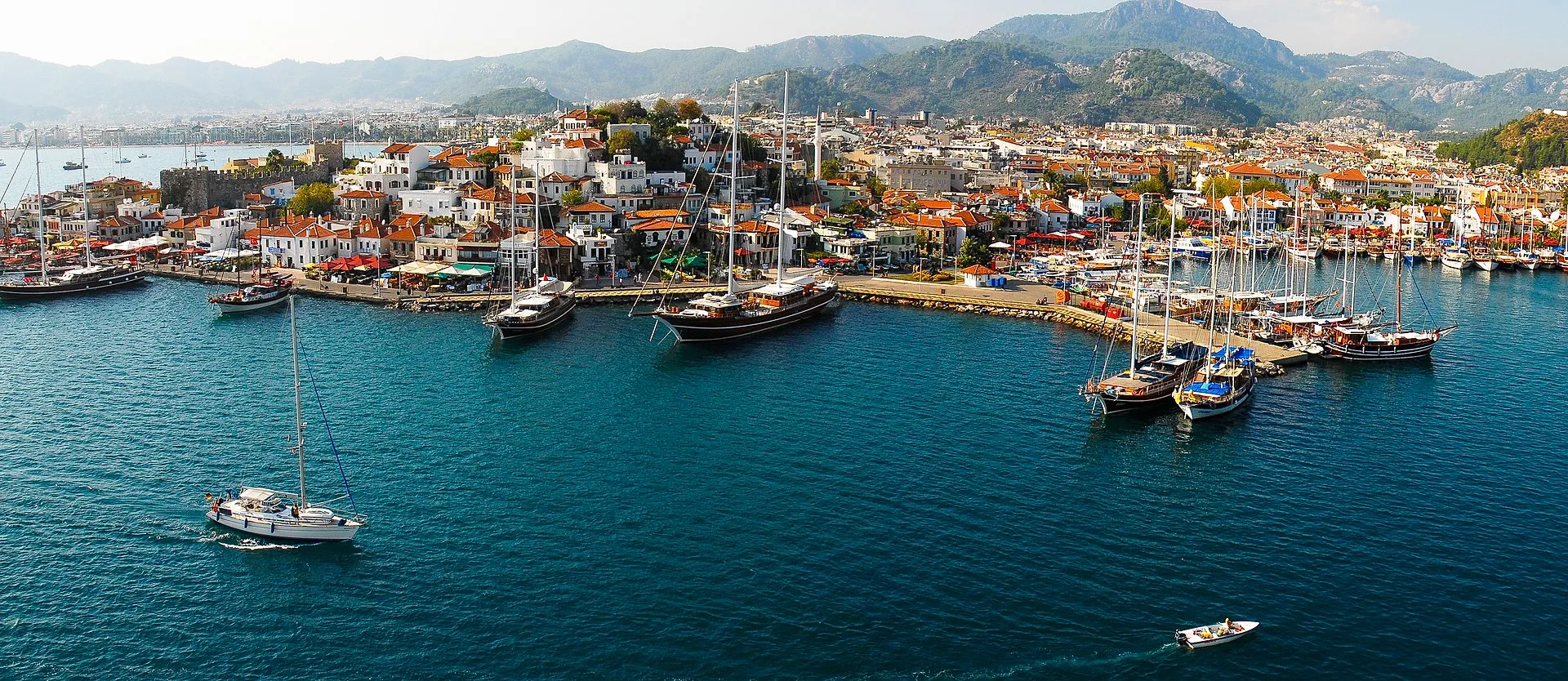
8. Antalya, Turkey
Antalya represents the power of resort-based urban tourism. Located on Turkey’s Mediterranean coast, the city combines historical sites with beach tourism and all-inclusive resorts that appeal strongly to European travelers.
Its growth highlights the importance of value-driven leisure travel in global tourism rankings.
Why Antalya attracts millions:
- Affordable all-inclusive resorts
- Warm climate and Mediterranean beaches
- Ancient ruins and natural attractions nearby
- Strong charter and seasonal air traffic

9. Paris, France
Paris remains synonymous with culture, romance, and refinement. Despite high costs and overtourism concerns, the French capital continues to draw global travelers seeking iconic experiences—from art and fashion to gastronomy.
Large-scale events and infrastructure upgrades have helped maintain Paris’s competitive edge.
Paris essentials:
- World-famous landmarks like the Eiffel Tower and the Louvre
- Culinary capital status
- Strong rail and air connectivity
- High repeat-visitor rates
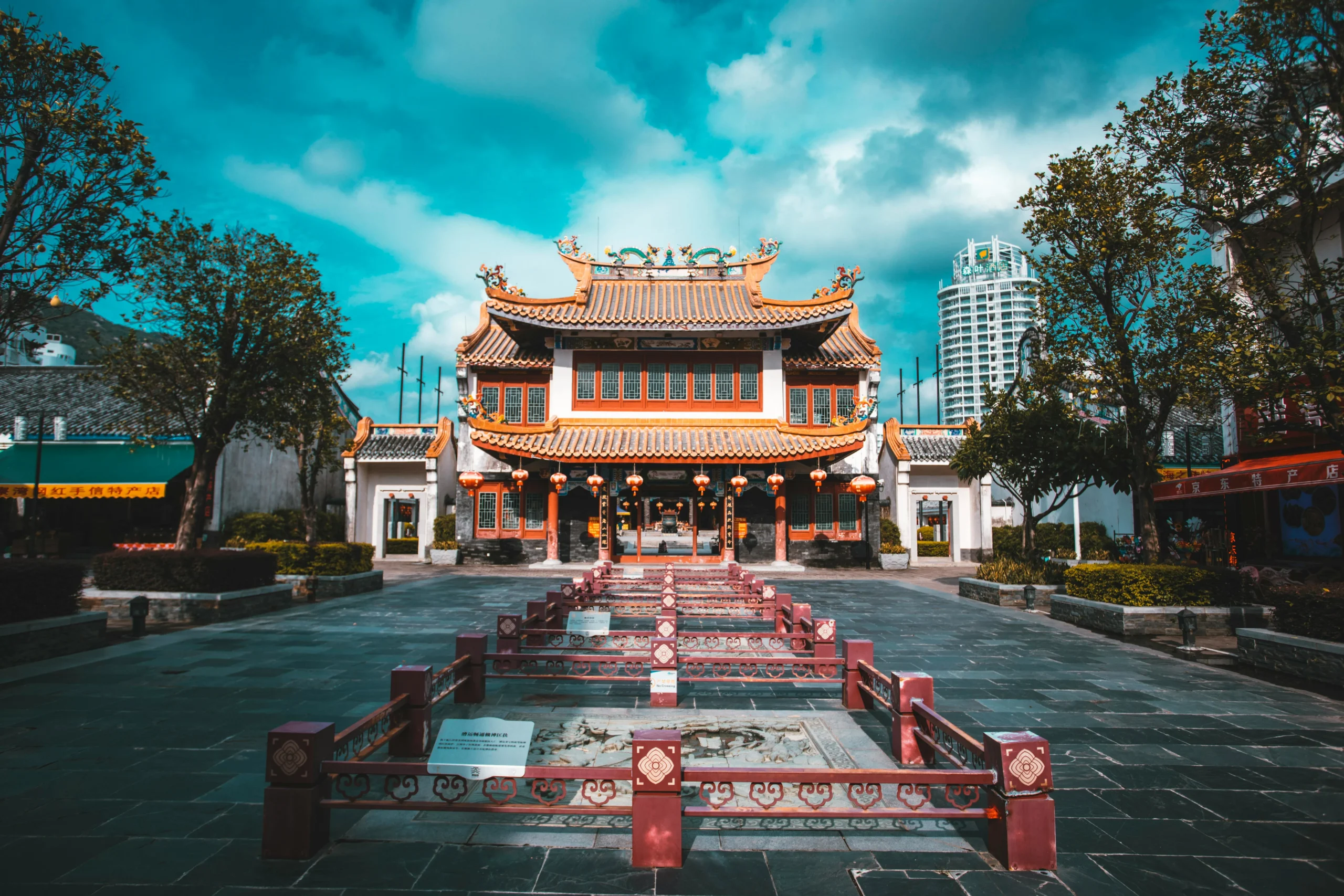
10. Kuala Lumpur, Malaysia
Kuala Lumpur rounds out the top 10 as a rising value-oriented urban destination. The city benefits from affordability, cultural diversity, and its role as a Southeast Asian aviation hub.
Increasingly popular with long-stay travelers and digital nomads, Kuala Lumpur balances modernity with tradition.
Why Kuala Lumpur stands out:
- Competitive prices for accommodation and food
- Efficient airport and regional connectivity
- Mix of Malay, Chinese, and Indian cultures
- Growing lifestyle and business infrastructure
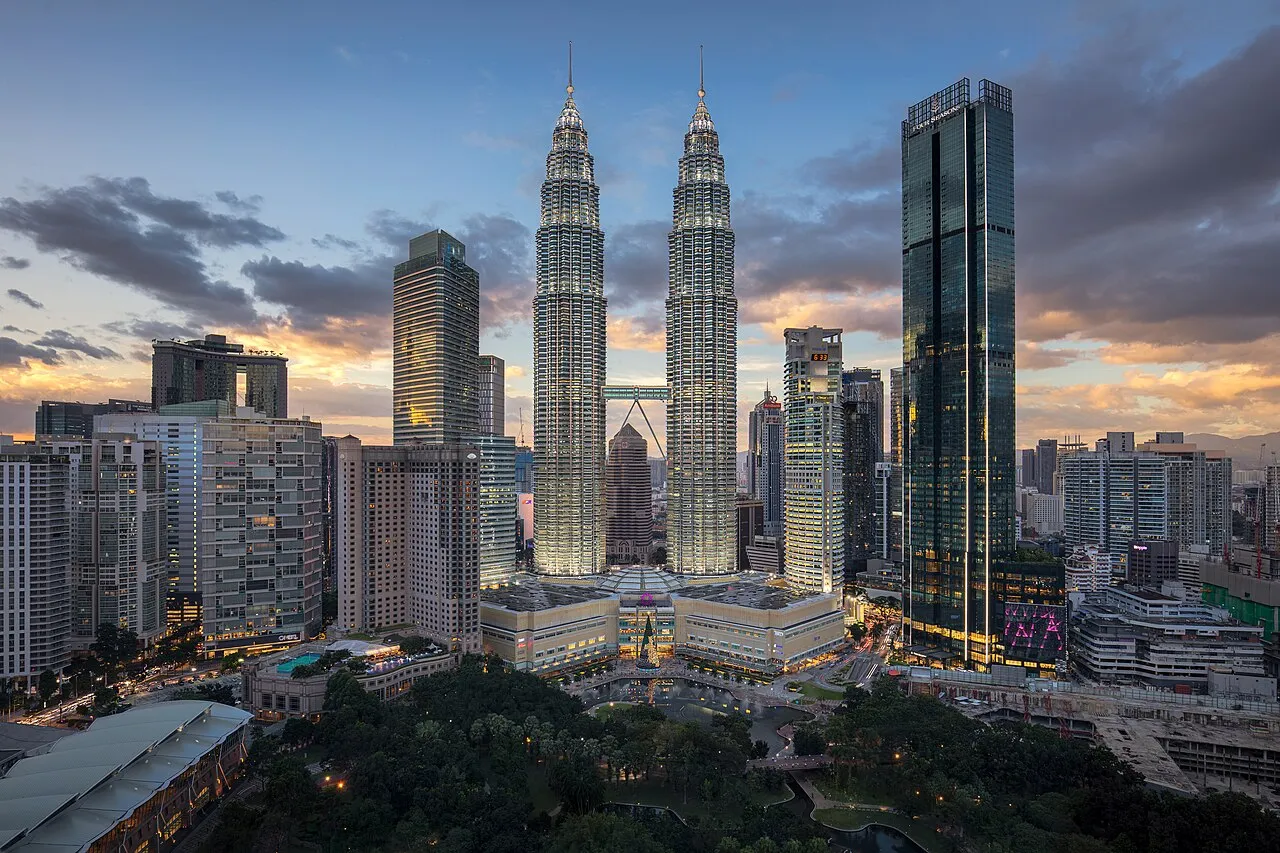
Top 10 Most Visited Cities in the World (2025)
| Rank | City | Country | Key Strength |
|---|---|---|---|
| 1 | Bangkok | Thailand | Affordability, connectivity, culture |
| 2 | Hong Kong | China | Global finance, efficiency |
| 3 | London | United Kingdom | Culture, business, history |
| 4 | Macau | China | Gaming, entertainment |
| 5 | Istanbul | Turkey | Cross-continental appeal |
| 6 | Dubai | UAE | Luxury, aviation hub |
| 7 | Mecca | Saudi Arabia | Religious pilgrimage |
| 8 | Antalya | Turkey | Resort tourism |
| 9 | Paris | France | Culture, gastronomy |
| 10 | Kuala Lumpur | Malaysia | Value, diversity |
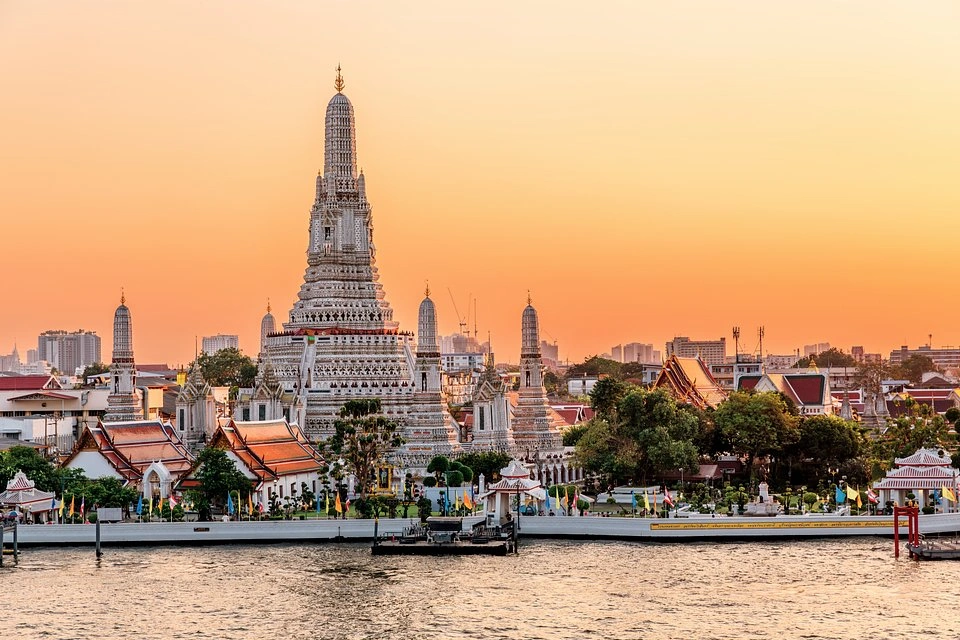
Bottom Line
Bangkok’s top ranking reflects a broader shift in global travel: cities that combine accessibility, affordability, and layered experiences are outperforming those reliant on prestige alone.
As travelers increasingly seek longer, more meaningful stays, urban destinations that balance volume with value are shaping the future of global tourism.
Stay tuned with us. Further, follow us on social media for the latest updates.
Join us on Telegram Group for the Latest Aviation Updates. Subsequently, follow us on Google News
